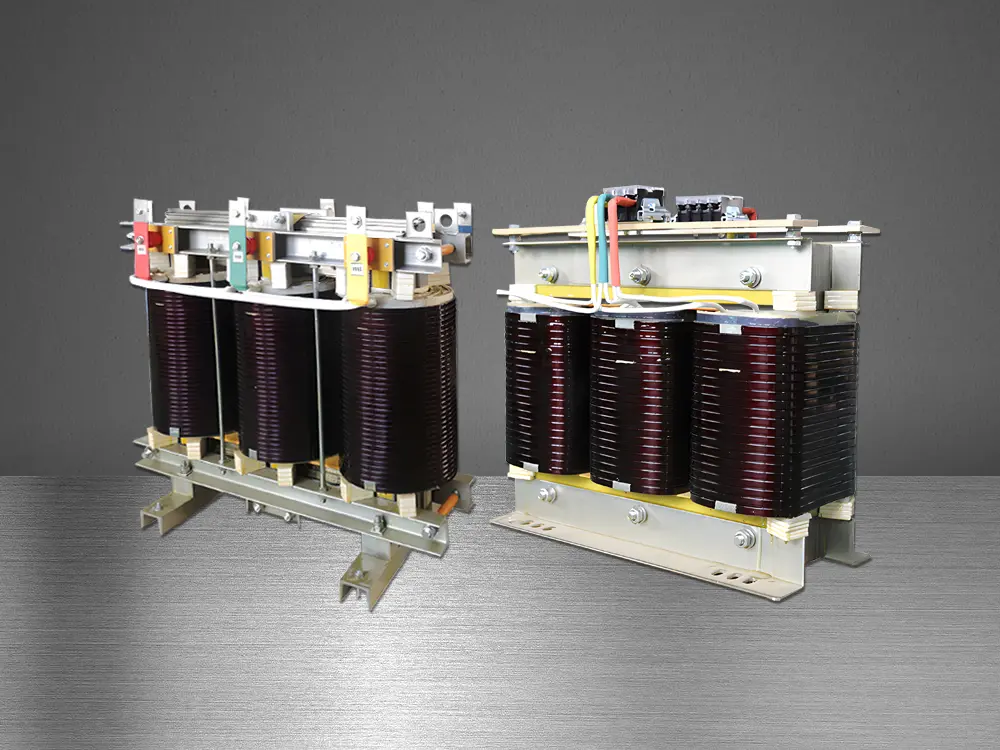
 Three-Phase Isolation Transformer
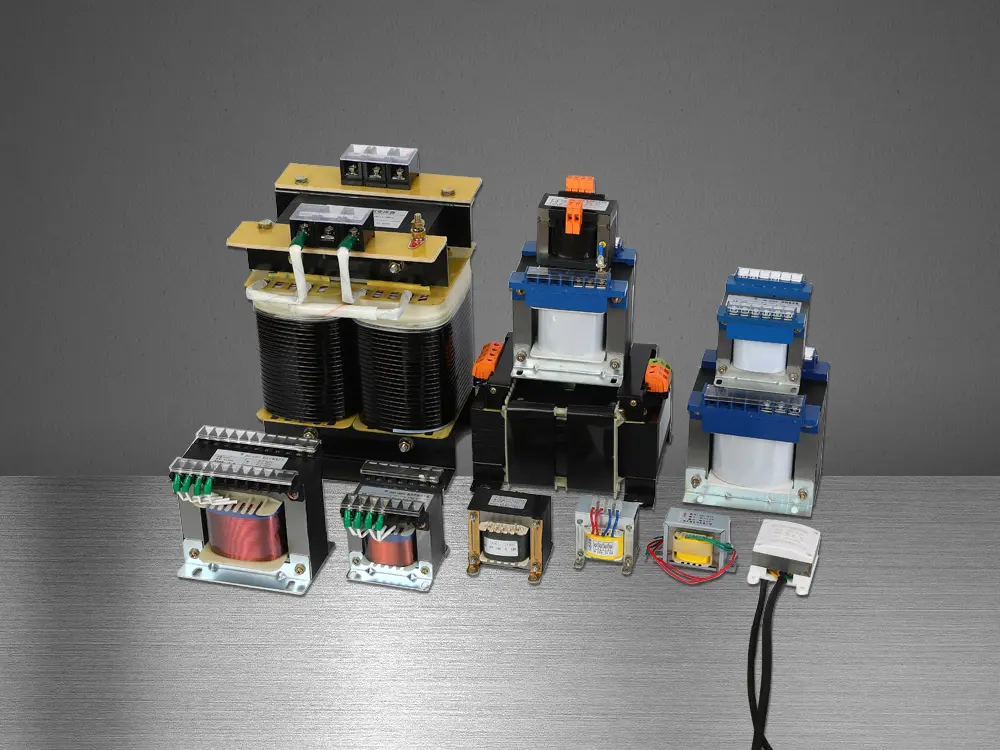 Control Transformer
 Medical IT Isolated Power System
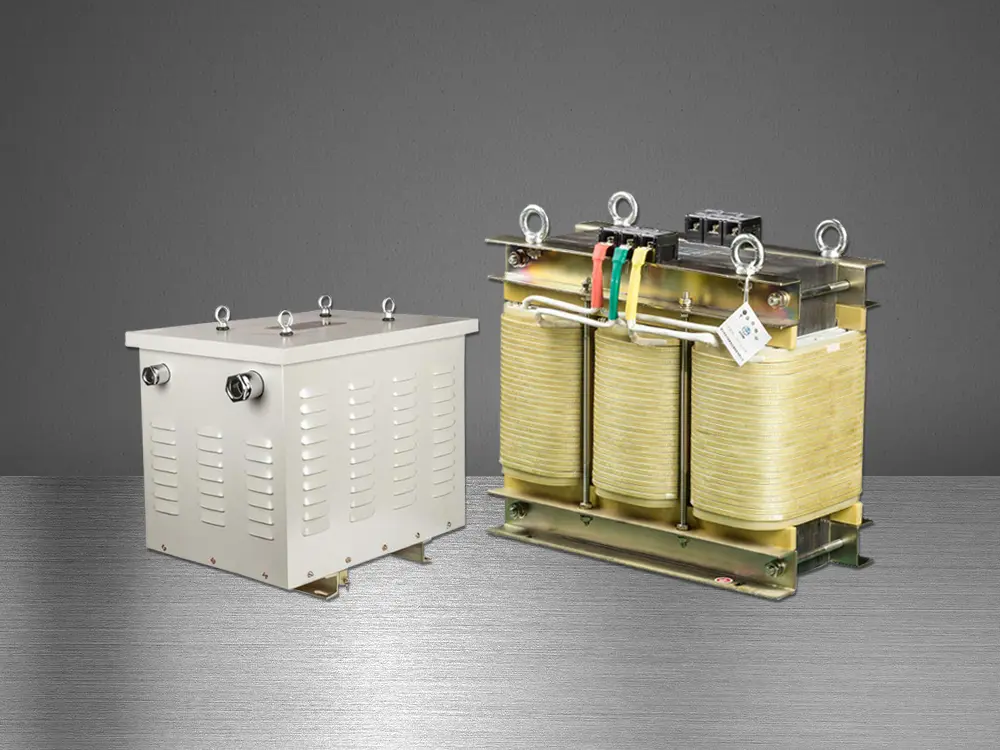 Marine Transformer
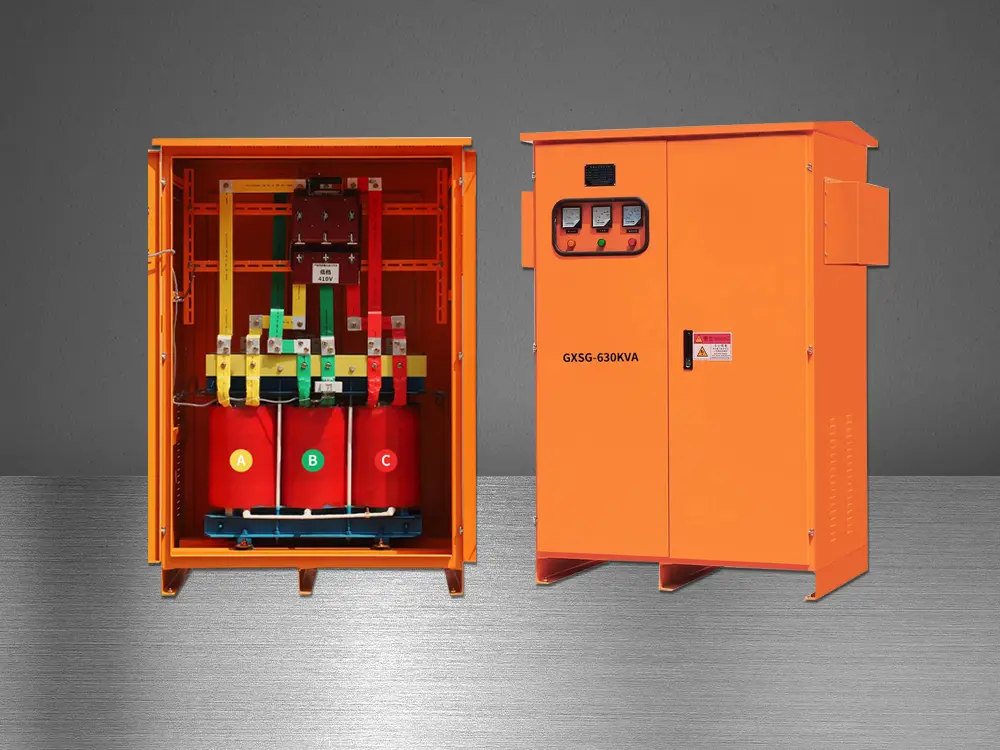 Tunnel Transformer
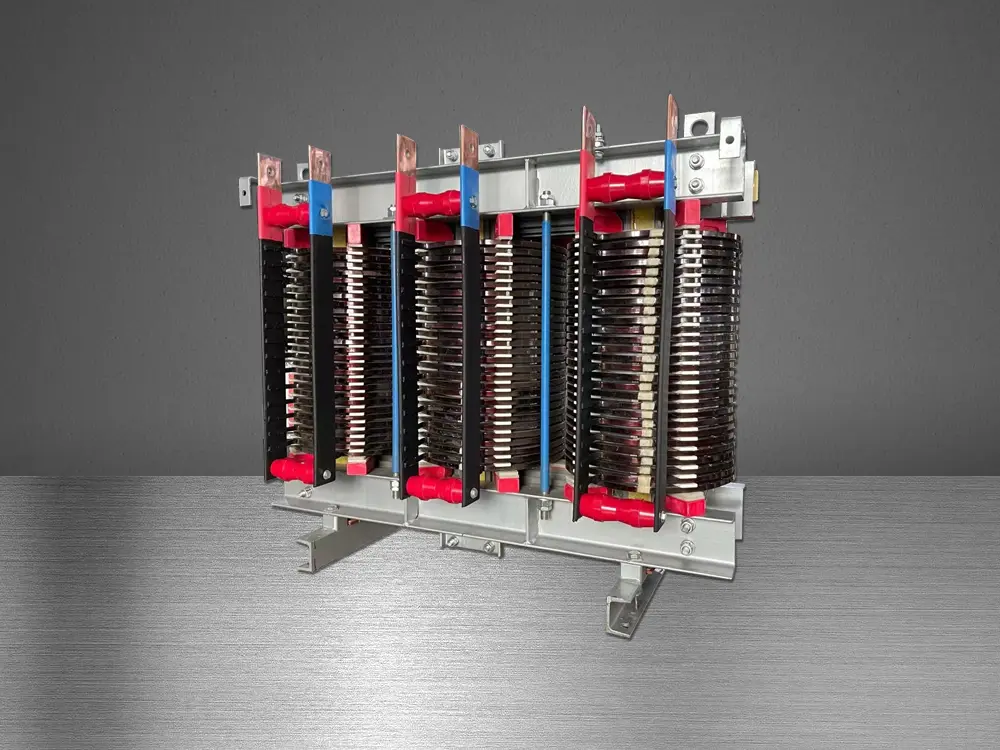 High Current Transformer
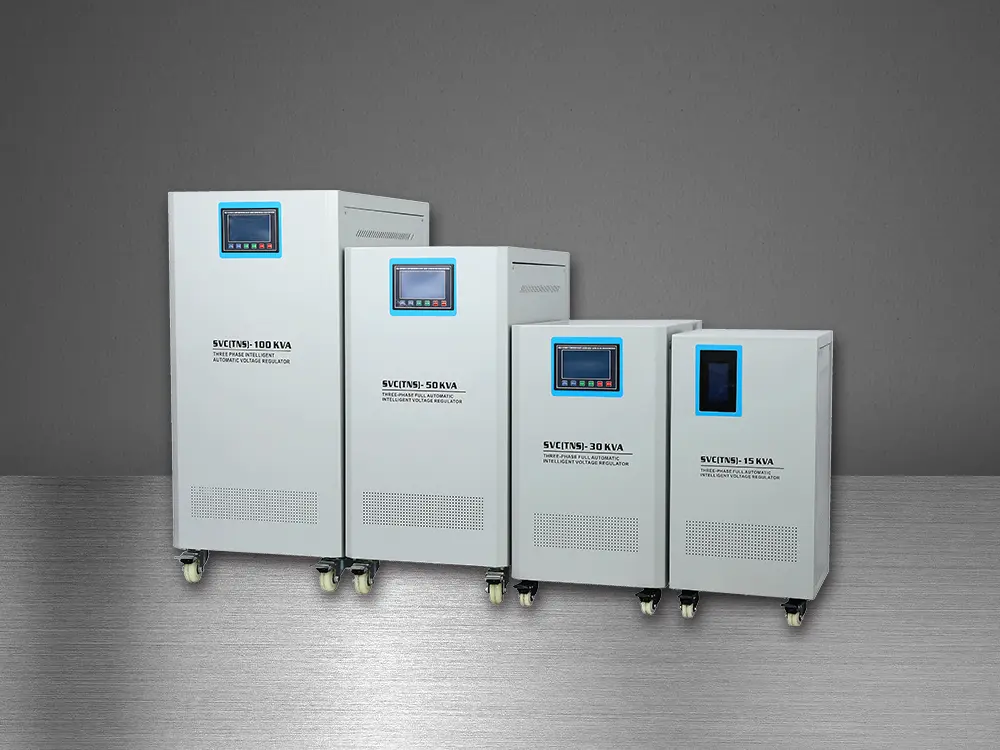 Automatic Voltage Regulator
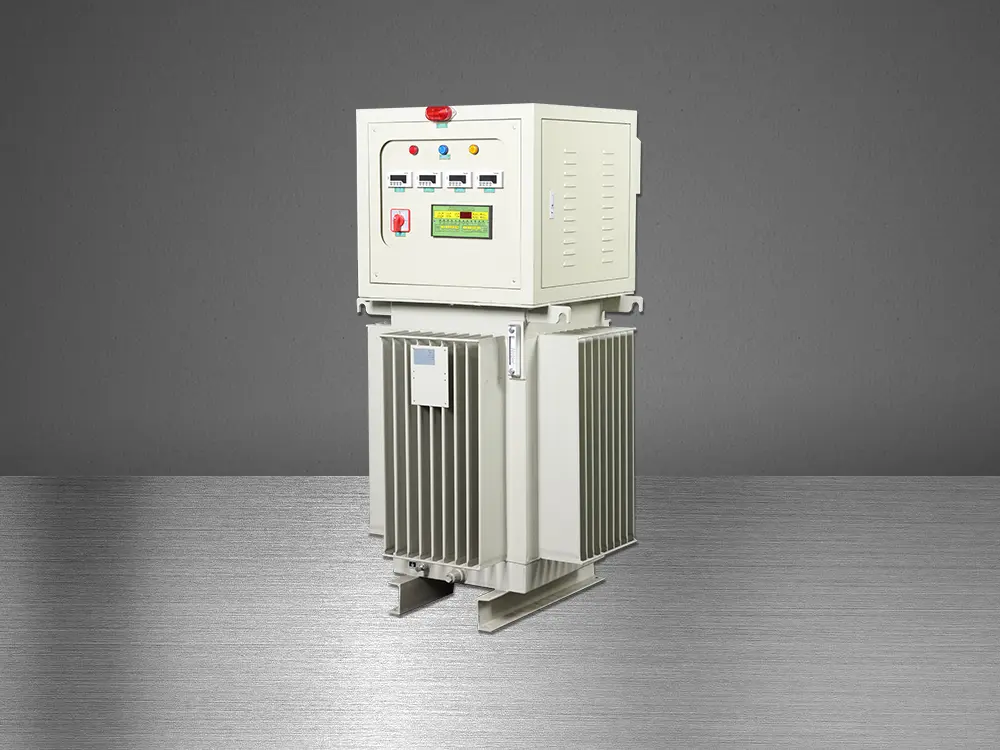 Oil Immersed Voltage Regulator
Leave Your Message
Selecting China’s best Deep Sea Voltage Regulator manufacturer requires more than comparing catalog prices. Marine power systems face salt spray, vibration, unstable loads, and limited access during voyages. A regulator must protect navigation, communication, propulsion, and safety equipment under harsh conditions.
UNCTAD’s Review of Maritime Transport reports that more than 80% of global merchandise trade moves by sea. The IMO’s Fourth GHG Study estimated shipping produced 2.89% of global anthropogenic greenhouse-gas emissions in 2018. These figures show why efficient and dependable electrical equipment matters. Even a short voltage dip can reset a control panel or damage sensitive electronics. That detail is easy to underestimate.
Lord Kelvin, a pioneer in electrical measurement, said, “If you cannot measure it, you cannot improve it.” His principle remains practical for marine equipment selection. Serious manufacturers should provide transient-response results, load-bank records, insulation data, salt-spray testing, and electromagnetic-compatibility evidence. Compliance with relevant IEC 60092 marine standards also deserves careful verification. Certificates alone are not enough. Testing conditions matter.
China offers strong manufacturing capacity, but quality is not uniform. Some suppliers focus on attractive specifications, while others document thermal performance and long-duration reliability. Buyers should inspect factory procedures, component traceability, after-sales response, and customization experience. A perfect ranking may be impossible. That is worth admitting. The best choice depends on vessel type, generator behavior, installation space, and operating profile. This guide examines those practical factors before identifying a credible Deep Sea Voltage Regulator manufacturer.
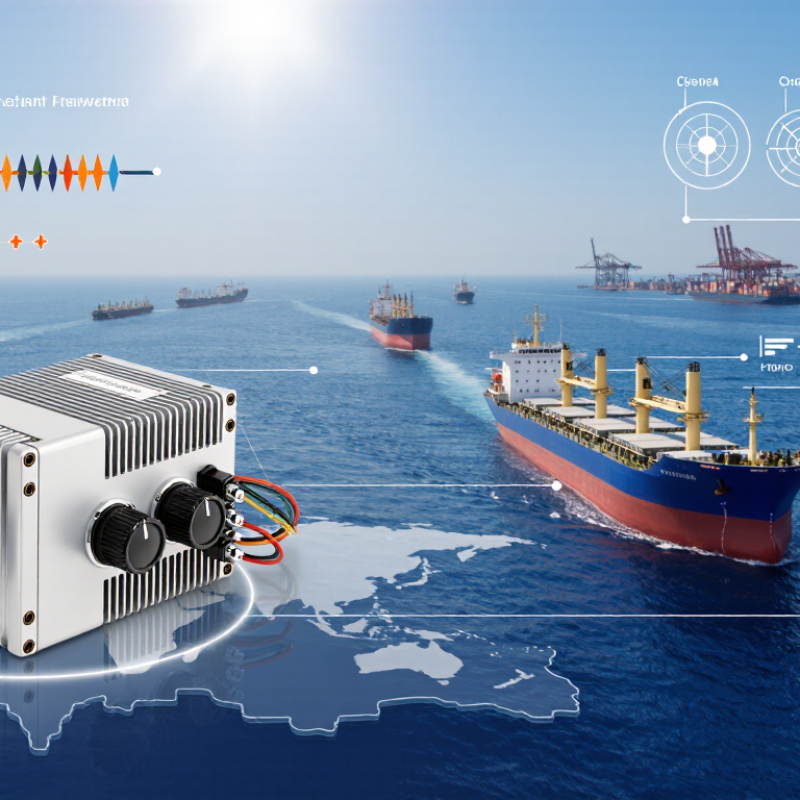
What Is a Deep-Sea Voltage Regulator?
A deep-sea voltage regulator is a pressure-resistant power device for underwater equipment. It stabilizes output voltage when input power, cable length, or electrical load changes. Unlike ordinary regulators, it must survive darkness, saltwater, vibration, and extreme hydrostatic pressure. At 3,000 meters, pressure approaches 300 bar, according to NOAA Ocean Exploration. That is not a minor engineering detail.
Inside a subsea housing, the regulator may power sonar, cameras, sensors, or remotely operated vehicles. Engineers often use pressure-compensated oil systems, sealed enclosures, corrosion-resistant connectors, and thermal monitoring. The IEA’s Offshore Wind Outlook 2019 estimates offshore wind could become a one-trillion-dollar industry by 2040. More offshore infrastructure means greater demand for dependable underwater power conversion. A stable 24-volt output can prevent sensor errors and protect sensitive control boards.
Selection should include input range, efficiency, insulation resistance, pressure rating, saltwater compatibility, and test duration. A neat specification can still mislead. I would ask for pressure-cycle records, load-step results, and thermal data from real testing. Efficiency above 90 percent sounds attractive, but heat has nowhere to escape in a sealed module. That detail is easy to overlook. Independent verification also matters, especially when a regulator must operate for months without recovery access.
| Data Dimension | Technical Information | Why It Matters in Deep-Sea Use |
|---|---|---|
| Definition | A deep-sea voltage regulator is an electrical power-conversion device designed to maintain a stable output voltage for submerged equipment operating under high hydrostatic pressure. | Stable voltage helps protect sensors, lights, cameras, communication systems, and subsea control electronics from power variation. |
| Typical Applications | Remotely operated vehicles, autonomous underwater vehicles, oceanographic instruments, subsea monitoring systems, and deep-water test equipment. | These systems often require dependable power during long deployments where maintenance or repair is difficult. |
| Operating Depth | The required depth rating is application-specific. Common equipment classes include shallow-water, 3,000 m, and 6,000 m systems. | The regulator enclosure, connectors, cable penetrators, and internal components must be qualified for the complete target depth. |
| Hydrostatic Pressure | Seawater pressure increases by approximately 0.1 MPa for every 10 m of depth. At 6,000 m, the pressure is approximately 60 MPa, excluding atmospheric pressure. | Pressure can deform housings, affect seals, and alter the reliability of components that are not properly qualified. |
| Regulation Topology | Linear regulators provide low electrical noise; switching regulators generally provide higher efficiency and support larger voltage-conversion ratios. | The design choice affects heat generation, electromagnetic interference, efficiency, and the quality of power supplied to sensitive instruments. |
| Input and Output Voltage | Values are selected according to the vehicle battery, topside supply, cable losses, and load requirements. Common electronic output rails include 5 V, 12 V, 15 V, and 24 V DC. | Correct voltage range and sufficient current capacity are necessary to prevent undervoltage, overheating, or equipment shutdown. |
| Output Regulation | A suitable design specifies line regulation, load regulation, output ripple, transient response, and accuracy under the intended operating conditions. | These parameters determine how consistently the regulator supplies power when the input or load changes. |
| Pressure-Protection Approach | Designs may use a pressure-compensated oil-filled enclosure, a pressure-tolerant housing, or a pressure-resistant dry enclosure. | The selected approach influences insulation, thermal transfer, sealing complexity, serviceability, and maximum depth. |
| Thermal Management | Heat must be transferred through the enclosure and surrounding seawater, while component temperature limits remain within specification. | Poor thermal design can reduce efficiency, shorten component life, and trigger thermal protection. |
| Protection Functions | Typical functions include input overvoltage protection, input undervoltage lockout, output overcurrent protection, short-circuit protection, and thermal shutdown. | Protection features reduce the risk of damage caused by abnormal power conditions or underwater load faults. |
| Materials and Corrosion Control | Common choices include titanium, marine-grade aluminum with suitable coating, stainless steel, engineering polymers, and corrosion-resistant sealing materials. | Material compatibility is essential for resisting seawater corrosion, galvanic corrosion, and long-term immersion. |
| Electrical Isolation | Galvanic isolation may be provided between input and output when required by the power architecture, grounding strategy, or safety design. | Isolation can help prevent ground loops, reduce fault propagation, and support mixed-voltage subsea systems. |
| Testing and Qualification | Evaluation may include pressure-chamber testing, insulation-resistance testing, dielectric-strength testing, thermal testing, vibration testing, and saltwater exposure assessment. | Testing should reproduce the expected depth, temperature, electrical load, deployment duration, and mechanical environment. |
| How to Evaluate a Manufacturer | Compare verified depth ratings, electrical specifications, test documentation, customization capability, quality-control procedures, environmental experience, and after-sales technical support. | The best supplier is determined by demonstrated performance against the project requirements rather than by the stated product category alone. |
Note: Voltage, current, depth rating, efficiency, pressure resistance, and protection features vary by design. Final specifications should be confirmed through the applicable product datasheet and qualification-test records.