China Top Three Phase Power Transformer Overview and Applications?
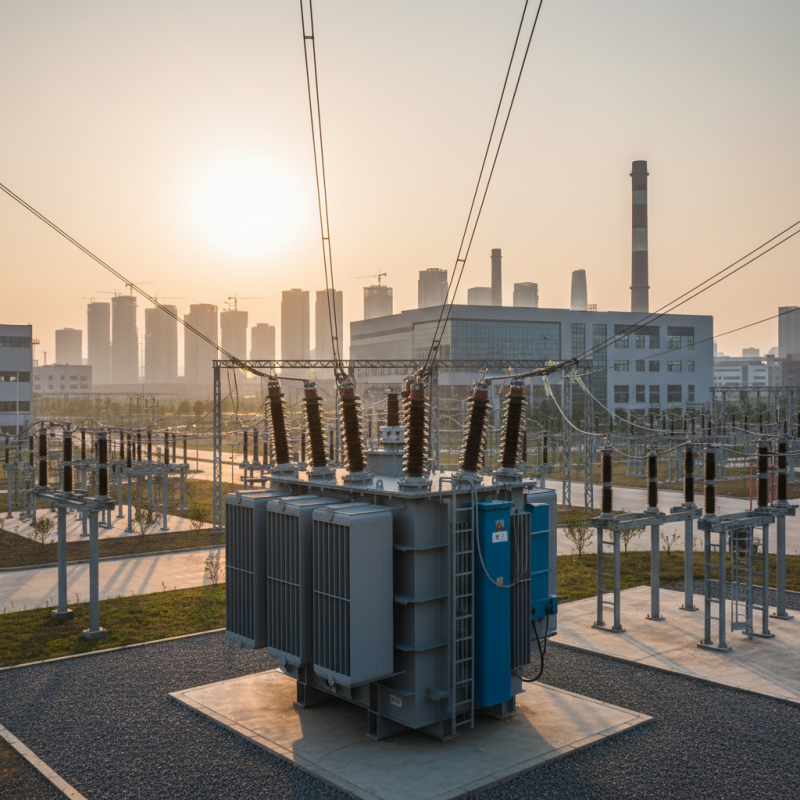
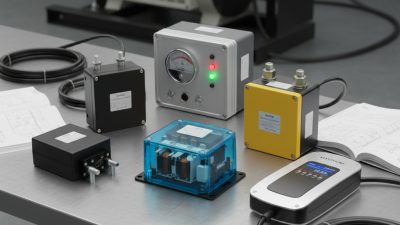
The Three Phase Power Transformer is a vital component in electrical engineering. These transformers convert and distribute electricity efficiently. They play a crucial role in industrial settings and large-scale power transmission.
In China, the development of Three Phase Power Transformers has accelerated. This aligns with the country's growing energy demands. Improved technology leads to better performance and reliability. As industries expand, the need for robust transformers increases.
Understanding these transformers requires both technical knowledge and experience. There are challenges in maintaining efficiency over time. Users must consider factors like load variations. Despite advancements, issues such as overheating and wear can occur. This complex landscape highlights the importance of choosing reliable solutions for power distribution.
Overview of Three Phase Power Transformers in China
Three-phase power transformers play a crucial role in China's electrical infrastructure. These transformers are essential for converting voltage levels to ensure efficient power distribution. The market has seen steady growth, with reports estimating a compound annual growth rate (CAGR) of around 6% from 2021 to 2026. Increasing energy demand and urbanization are driving this demand for reliable power solutions.
Regularly, three-phase transformers are used in industrial applications, such as manufacturing and chemical plants. Additionally, they are crucial in renewable energy integration, particularly in wind and solar power installations. With China's commitment to reduce carbon emissions, the reliance on advanced three-phase transformers is rising. However, challenges remain. Many facilities struggle with the integration of outdated models, resulting in inefficiencies. Operational maintenance often highlights the need for upgrades.
Furthermore, the growing emphasis on smart grid technology presents both opportunities and challenges. Current transformers must adapt to smart grid requirements. This evolution is critical to addressing voltage fluctuations and improving overall grid reliability. Achieving this requires selecting high-quality transformers and investing in regular performance assessments. The shift towards digital transformation in substations may lead to varying performance outcomes, necessitating ongoing evaluation.
Overview of Three Phase Power Transformers in China
Key Specifications and Features of Chinese Three Phase Power Transformers
Three-phase power transformers play a crucial role in electrical systems, especially in industries and power plants. These transformers are designed to handle high voltage and large current applications. Their key specifications include high efficiency, compact size, and robust construction. Typically, they exhibit efficiency levels above 98%, minimizing energy loss during transmission. This makes them invaluable for power distribution networks.
The features of Chinese three-phase power transformers are notable. They often come equipped with advanced cooling systems, ensuring stable performance under various load conditions. Additionally, these transformers commonly utilize high-quality insulation materials. This enhances their durability and operational safety. However, there is room for improvement in terms of noise reduction. While these transformers are efficient, some models produce noise that may affect nearby environments. Manufacturers are exploring ways to mitigate these challenges.
Adherence to international standards is essential for reliability. Many Chinese manufacturers strive for compliance with industry norms, ensuring high safety and performance levels. Investing in proper maintenance is also crucial. Regular checks can prevent overheating and prolong lifespan. These considerations highlight the complexity of transformer design and application, prompting ongoing innovations in the industry.
Common Applications of Three Phase Power Transformers in Industry
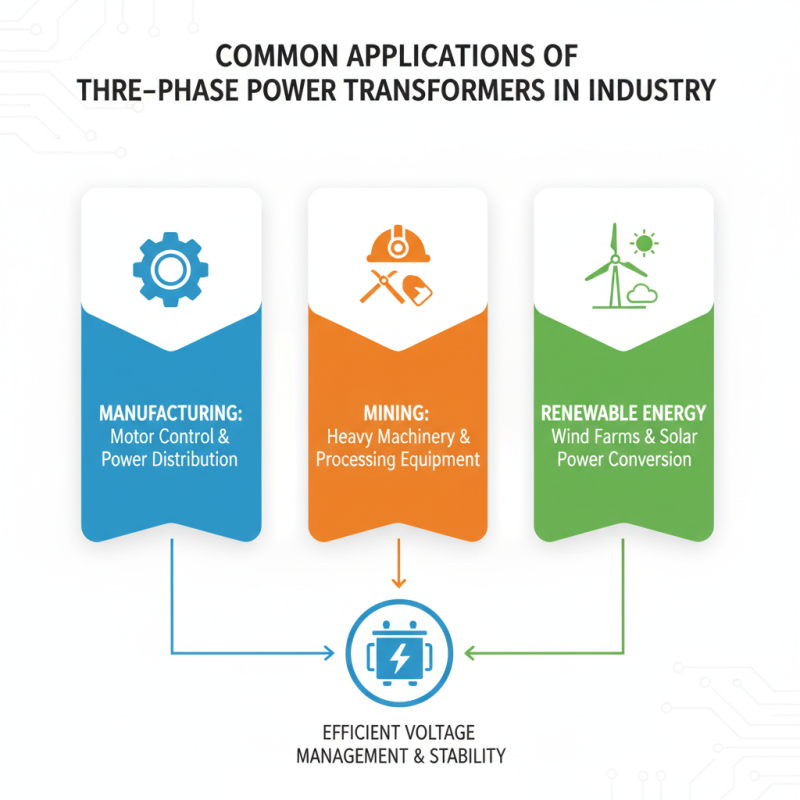
Three-phase power transformers are vital in industrial settings. They efficiently manage voltage levels, ensuring stability in power distribution. These transformers play a key role in various sectors, including manufacturing, mining, and renewable energy. For instance, they are crucial in wind farms, converting medium voltage from turbines to higher transmission levels.
In manufacturing, three-phase transformers support heavy machinery operations. These transformers can handle high loads while minimizing losses. Studies indicate that using three-phase systems can improve efficiency by up to 30%. This is particularly beneficial in industries like steel and aluminum production, where energy consistency is critical.
However, challenges exist. Transformer losses can influence operating costs. Regular maintenance is essential to prevent failures and inefficiencies. Additionally, some facilities may find it difficult to integrate newer technologies into existing systems. Addressing these issues requires careful planning and investment. Overall, three-phase transformers remain central to industrial energy solutions.
Advantages of Using Three Phase Power Transformers in Electrical Systems
Three-phase power transformers play a crucial role in modern electrical systems. Their design allows for efficient power distribution in industrial and commercial applications. This efficiency stems from their capability to handle larger loads without significant voltage drops. Unlike single-phase transformers, three-phase systems utilize multiple conductors. This results in a smoother power flow, reducing energy losses during transmission.
The advantages of employing three-phase transformers are evident in both performance and reliability. They offer a balanced load across phases, minimizing the risk of overheating. In practical terms, this means longer service life and decreased maintenance costs. Moreover, these transformers support higher voltages, which is essential for meeting the increasing energy demands of urban infrastructure. However, the initial investment can be substantial, requiring companies to weigh long-term savings against upfront expenses.
In addition, the adaptability of three-phase transformers in various applications cannot be overlooked. They can be found in renewable energy projects, industrial setups, and commercial buildings. Despite their advantages, user preferences often depend on specific project requirements. Understanding the trade-offs involved is essential in selecting the right transformer for any electrical system.
China Top Three Phase Power Transformer Overview and Applications
| Transformer Type |
Power Rating (MVA) |
Voltage Level (kV) |
Efficiency (%) |
Applications |
| High Voltage Transformer |
50 |
110 |
98.5 |
Power generation and distribution |
| Medium Voltage Transformer |
25 |
35 |
97.8 |
Industrial and commercial usage |
| Low Voltage Transformer |
10 |
0.4 |
96.5 |
Residential and small commercial |
Future Trends and Innovations in China's Power Transformer Market
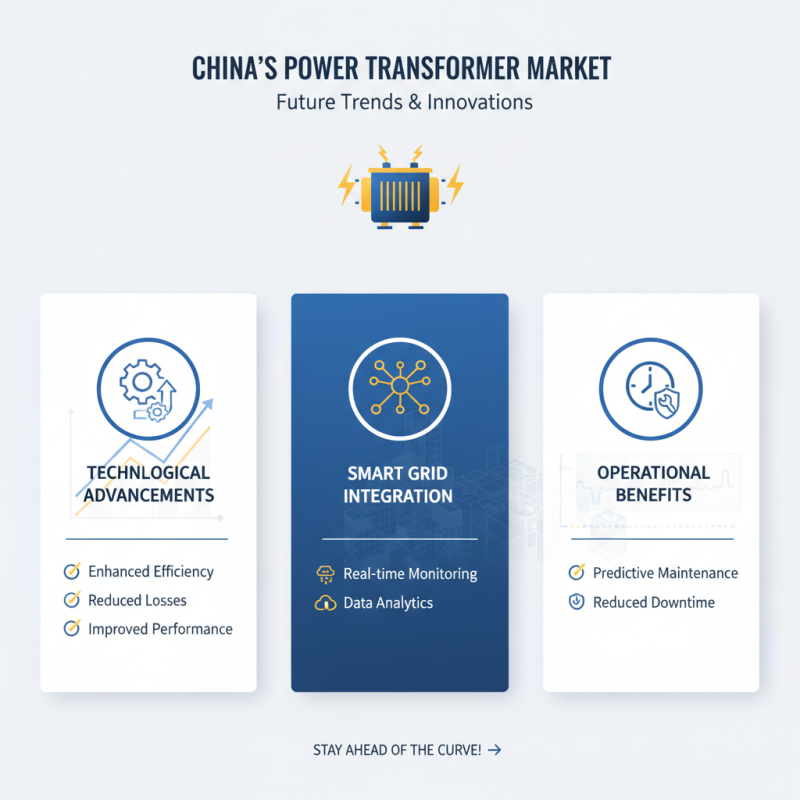
The power transformer market in China is evolving rapidly. Innovations in technology are driving significant changes. These advancements enhance efficiency, reduce losses, and improve overall performance. Smart grid technologies are gaining traction. They allow for real-time monitoring and data analytics. This helps in predictive maintenance, reducing downtime.
Sustainability is another key focus. Manufacturers are exploring eco-friendly materials to minimize environmental impact. However, there’s a challenge. Not all companies prioritize green practices, leading to inconsistent progress across the industry. Additionally, rising demand for energy globally adds pressure on supply chains. Companies must balance performance and sustainability.
Competition in the Chinese market is fierce. New players arise as technologies advance. Established firms must innovate or risk losing market share. Collaboration between industries can lead to improved standards. Yet, gaps in knowledge and resources exist. This sometimes hinders progress. As trends shift, the industry faces an ongoing challenge to adapt while meeting growing energy needs.

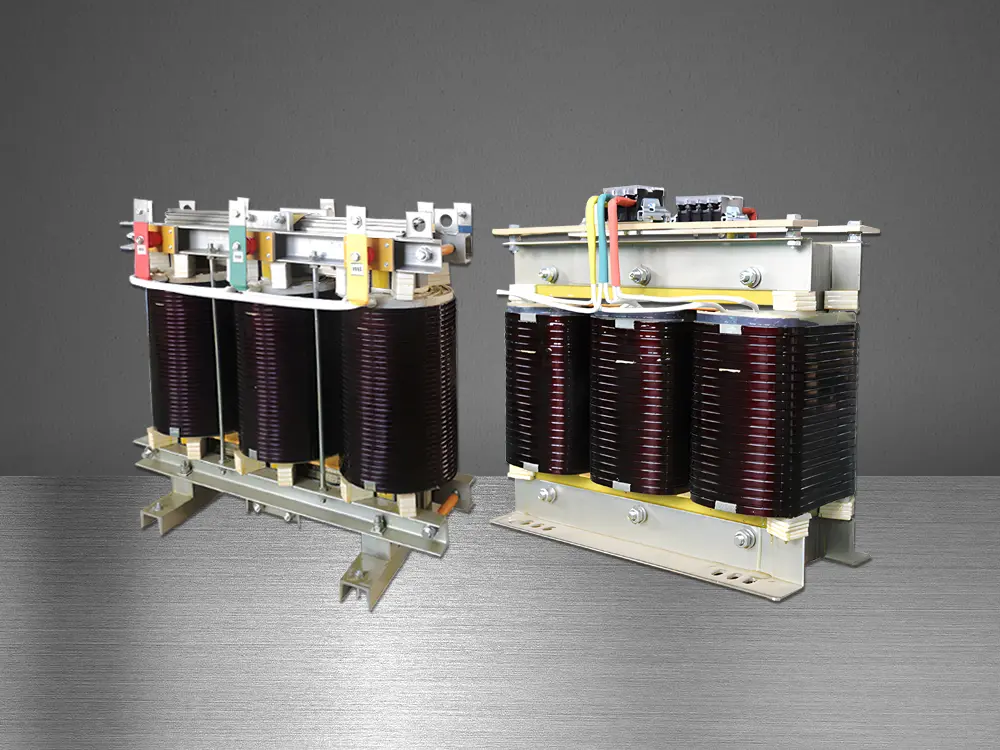 Three-Phase Isolation Transformer
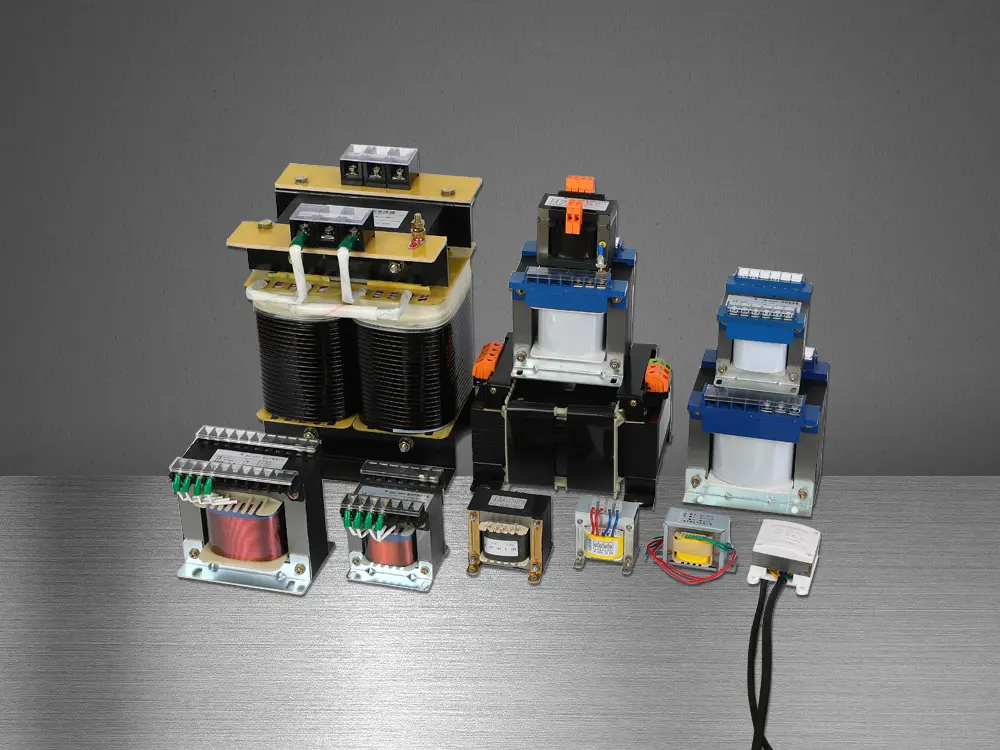 Control Transformer
 Medical IT Isolated Power System
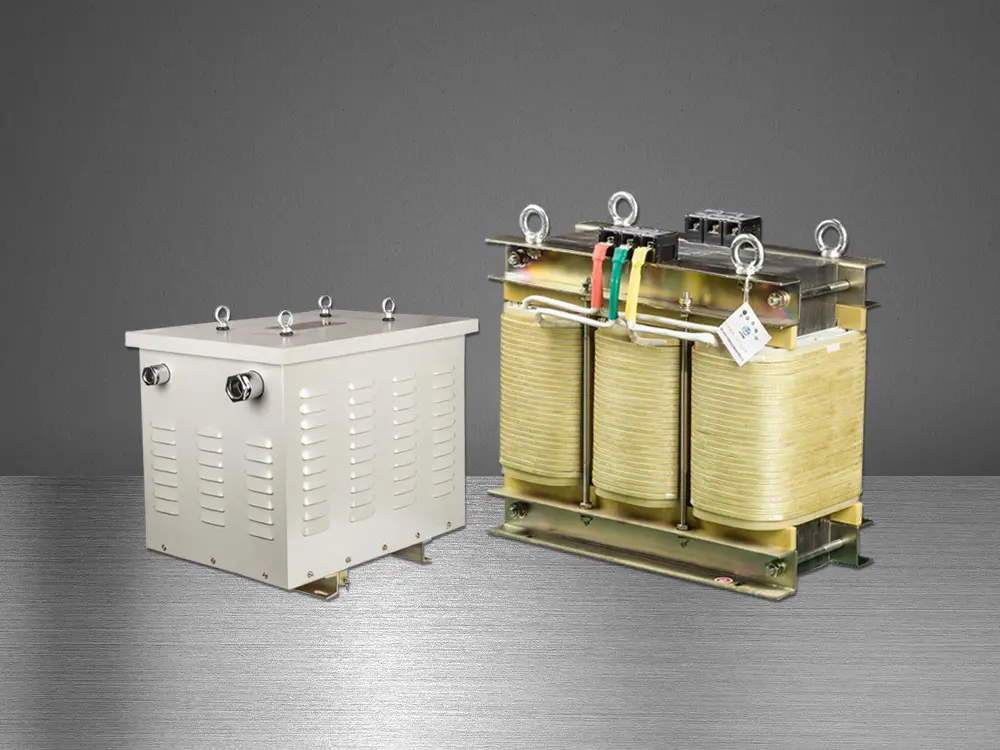 Marine Transformer
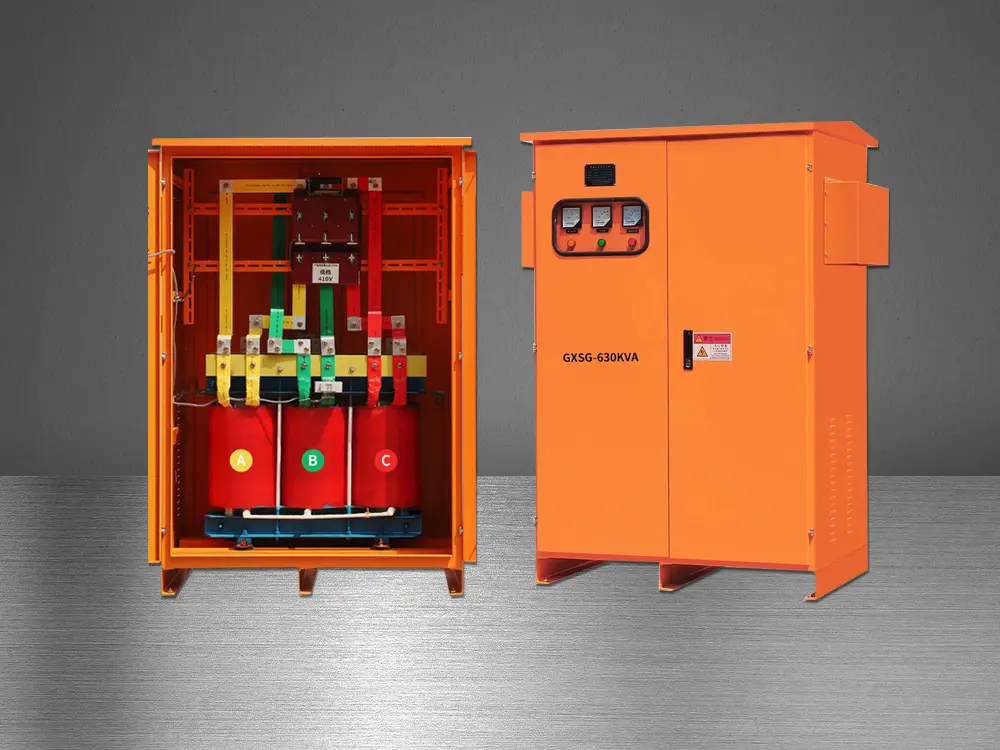 Tunnel Transformer
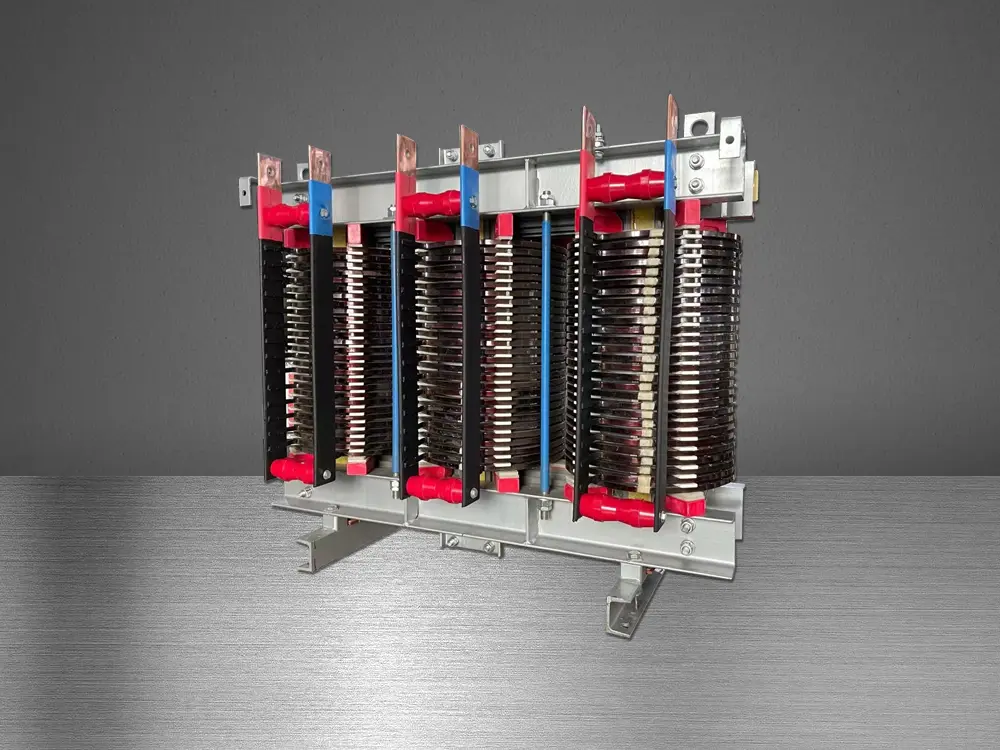 High Current Transformer
 Automatic Voltage Regulator
 Oil Immersed Voltage Regulator