How to Choose an External AVR for Generator Operation?
Choosing the right External AVR for Generator operation is crucial for optimal performance. A well-suited AVR can greatly enhance a generator's efficiency and lifespan. According to a report by the International Energy Agency, nearly 80% of generators face issues related to voltage regulation. This highlights the importance of selecting an appropriate External AVR for Generator systems.
Expert John Doe, a respected figure in power generation technology, states, “The right AVR minimizes fluctuations and extends generator life.” This underlines the significance of understanding your specific needs before making a decision. Various factors should influence your choice, including load requirements and environmental conditions.
Trade studies show that improper AVR selection can lead to equipment damage and increased maintenance costs. The market offers several options, but it is vital to choose one that aligns with your generator's specifications. A thoughtful decision can prevent costly mistakes and ensure reliable power supply.
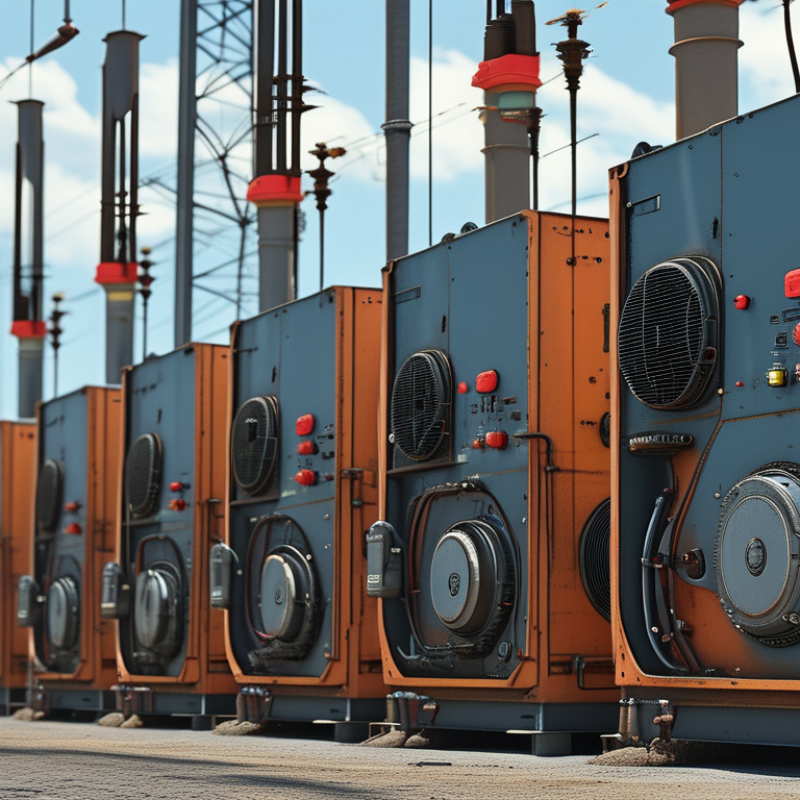
Understanding the Basics of Automatic Voltage Regulators (AVR)
Choosing an external Automatic Voltage Regulator (AVR) is crucial for efficient generator operation. Understanding AVRs helps in maintaining voltage consistency during varying loads. An effective AVR can minimize voltage fluctuations. This stabilizes the output and protects connected devices.
Typically, AVRs operate by monitoring the generator's output voltage. If the voltage deviates, they make precise adjustments. This ensures that equipment receives the correct voltage, reducing the risk of damage. Finding the right AVR involves considering your generator's voltage and power ratings.
Installation can be challenging. Improper setups might lead to performance issues. Evaluate your generator's requirements before making a choice. Relying solely on recommendations may not suffice. Testing different units could reveal unexpected compatibility problems. Reflect on your generator's performance needs and seek expert opinions for guidance.
Understanding AVR Performance in Generator Operations
This chart illustrates the performance metrics of automatic voltage regulators (AVR) used in generator operations. The metrics include voltage stability, load regulation, response time, power factor correction, and harmonic distortion, showcasing their efficiency and effectiveness in maintaining stable voltage output.
Identifying the Power Requirements of Your Generator
When choosing an external Automatic Voltage Regulator (AVR) for your generator, understanding its power requirements is crucial. Start by determining the total wattage needed for all devices. This includes lighting, appliances, and tools you plan to operate. Each device has a rated wattage. It's important to add these together to find the total. Don't forget to consider starting wattage, which can be significantly higher.
Next, check the generator’s output specifications. Ensure that the AVR you choose can handle both the running and starting wattage. If the AVR is underpowered, it might lead to voltage fluctuations. This can damage your equipment. Pay attention to the generator's voltage rating, typically between 120V and 240V. The AVR should match this to ensure compatibility.
Finally, read user reviews and seek expert opinions. Feedback from others who have used a particular AVR can reveal possible issues. Look for testimonials that note reliability and performance. This can save you time and money. Errors in choosing the right AVR can lead to operational failures. A thoughtful assessment will enhance your generator's performance.
Evaluating Compatibility Between AVR and Generator Models
Choosing an external automatic voltage regulator (AVR) for generator operation requires careful evaluation of compatibility. The AVR must match the voltage and frequency specifications of the generator model. For instance, if the generator has a rated output of 400V and operates at 50Hz, the AVR must be capable of handling those settings. Many generators operate within the ±5% voltage regulation range, making it essential to select an AVR that can maintain stability within these limits.
Compatibility goes beyond voltage. The AVR must also support the generator's current load. Reports indicate that mismatched current ratings can lead to overheating or inefficient operation. The power output of the generator, measured in kilowatts (kW), should align closely with the AVR's capacity. A discrepancy in power ratings can result in performance issues. Some generators are sensitive to changes in load, so using a compatible AVR can help maintain steady performance.
It's crucial to consider the generator's design too. Some models have specific requirements for type and size of AVR. Using an inappropriate AVR may cause instability in voltage output. Industry studies have shown that improper AVR selection can reduce overall generator efficiency by up to 15%. This inefficiency might not always be immediately noticeable, but it can lead to increased operational costs over time. Addressing these compatibility issues can significantly enhance generator performance.
Assessing Features and Specifications of Different AVRs
When selecting an external Automatic Voltage Regulator (AVR) for generator operation, assessing features and specifications is crucial. Start by examining voltage regulation accuracy. Look for models that maintain output voltage within tight tolerances. A reliable AVR should stabilize fluctuations, ensuring your generator runs smoothly. Consider its response time as well; faster adjustments lead to enhanced performance.
Next, evaluate the AVR's capability to handle load changes. Models equipped with advanced algorithms can manage sudden demands better. Compatibility with various generator sizes is also essential. Some AVRs work well with small generators, while others excel in larger setups. Detailed specifications can guide your choice, but don’t overlook user reviews. Feedback from real-world users provides insights into reliability.
Pay attention to installation requirements too. Some AVRs offer easy plug-and-play options. Others may need professional installation. Think about the long-term usability and maintenance as well. Regular updates or service may be necessary for some units. The right balance between features and usability will ensure effective generator operation, making the initial assessment worthwhile.
How to Choose an External AVR for Generator Operation? - Assessing Features and Specifications of Different AVRs
| Model |
Voltage Regulation |
Max Output Current |
Frequency Response |
Temperature Range |
Protection Features |
| AVR-X1 |
± 1% |
10 A |
50-60 Hz |
-10°C to 60°C |
Overvoltage, Overcurrent |
| AVR-Z2 |
± 2% |
15 A |
45-55 Hz |
-20°C to 65°C |
Short Circuit, Surge Protection |
| AVR-Y3 |
± 1.5% |
20 A |
50 Hz |
-15°C to 70°C |
Overload, Heat Protection |
| AVR-W4 |
± 1% |
25 A |
47-53 Hz |
-10°C to 75°C |
Voltage Spike, Low Voltage Protection |
Installation and Calibration of an External AVR for Optimal Performance
When considering the installation of an external Automatic Voltage Regulator (AVR) for generator operation, calibration is key. Proper calibration ensures stability in voltage output, which is crucial. According to industry data, improperly calibrated systems can lead to fluctuations exceeding 10% of nominal voltage, potentially damaging connected equipment.
To begin, it is vital to assess your generator's specifications. The generator's rated voltage, frequency, and load profile must align with the AVR's capabilities. Ensure that the AVR can handle the power output and maintain voltage within acceptable limits. Many experts recommend maintaining the output voltage to within ±1% for optimal performance.
The calibration process involves adjusting the AVR parameters to match the generator's characteristics. This includes setting the gain and response time appropriately. Careless calibration can result in overshooting or undershooting the voltage, causing performance issues. A study highlighted that inappropriate settings could shorten the lifespan of electrical components by up to 30%. Regular checks and adjustments based on load changes can help to maintain efficiency. Remember that even a slight imbalance can lead to significant performance declines over time.

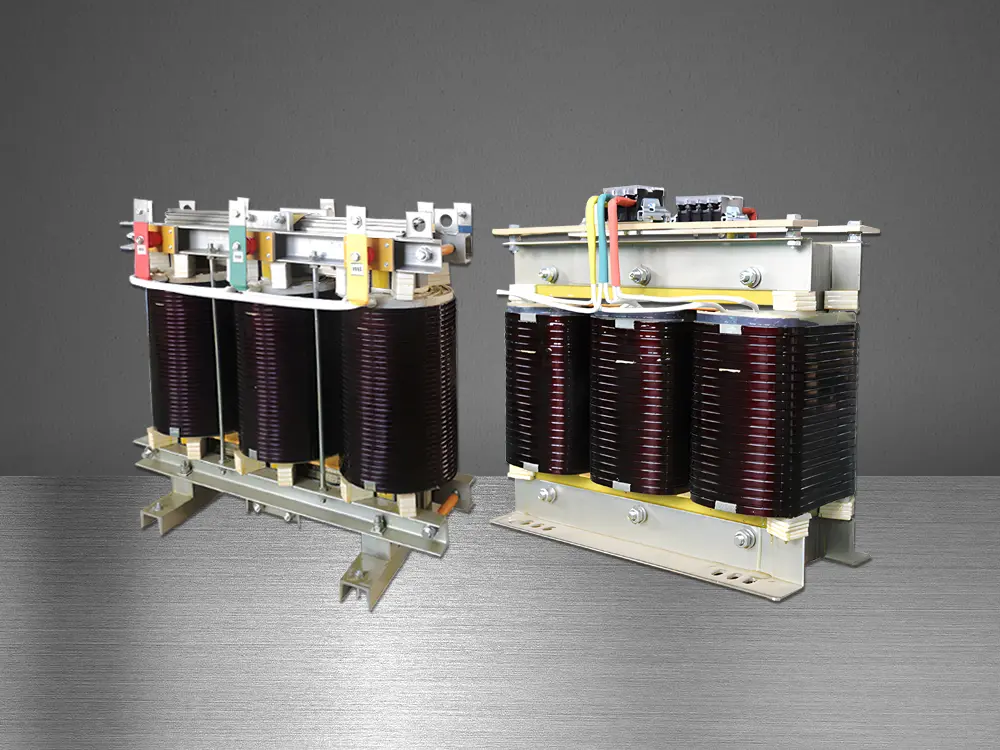 Three-Phase Isolation Transformer
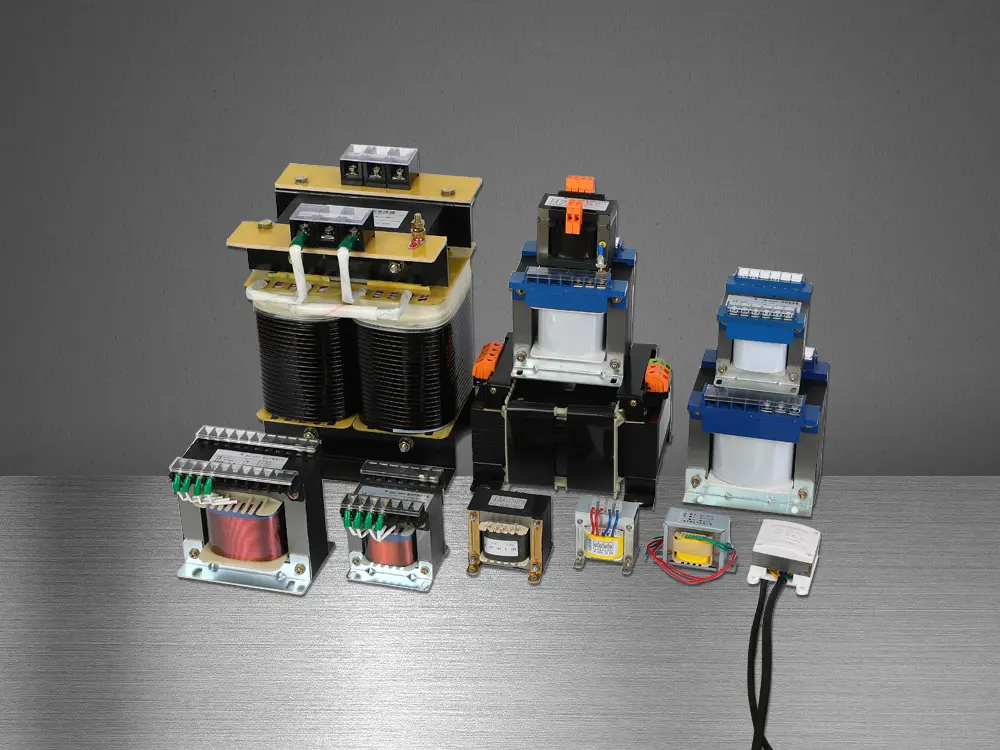 Control Transformer
 Medical IT Isolated Power System
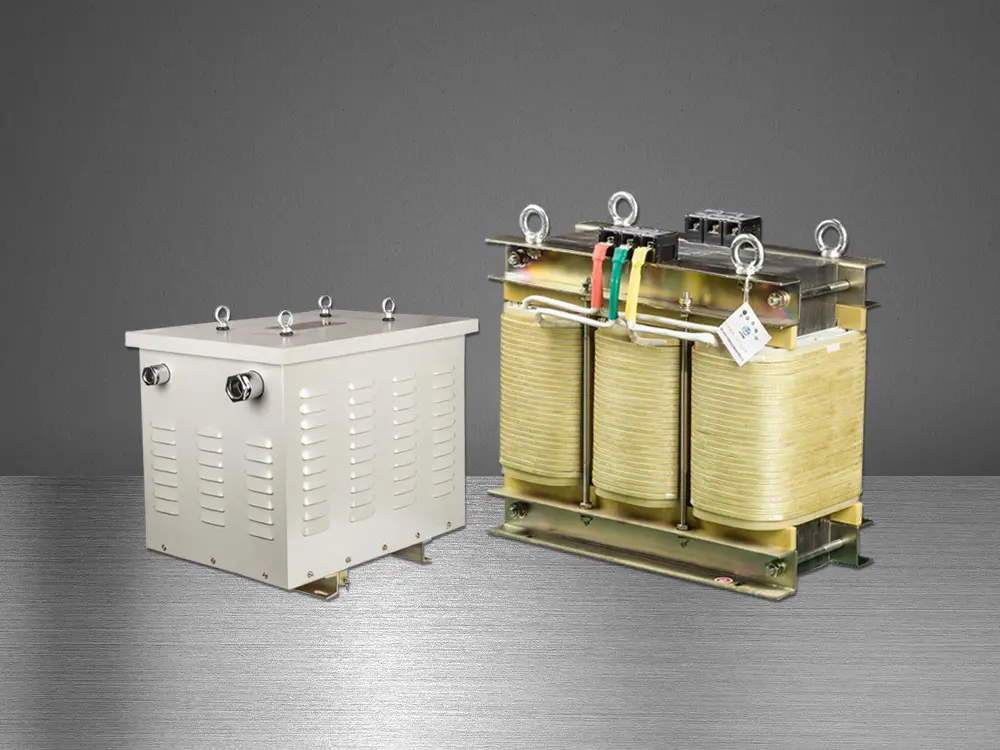 Marine Transformer
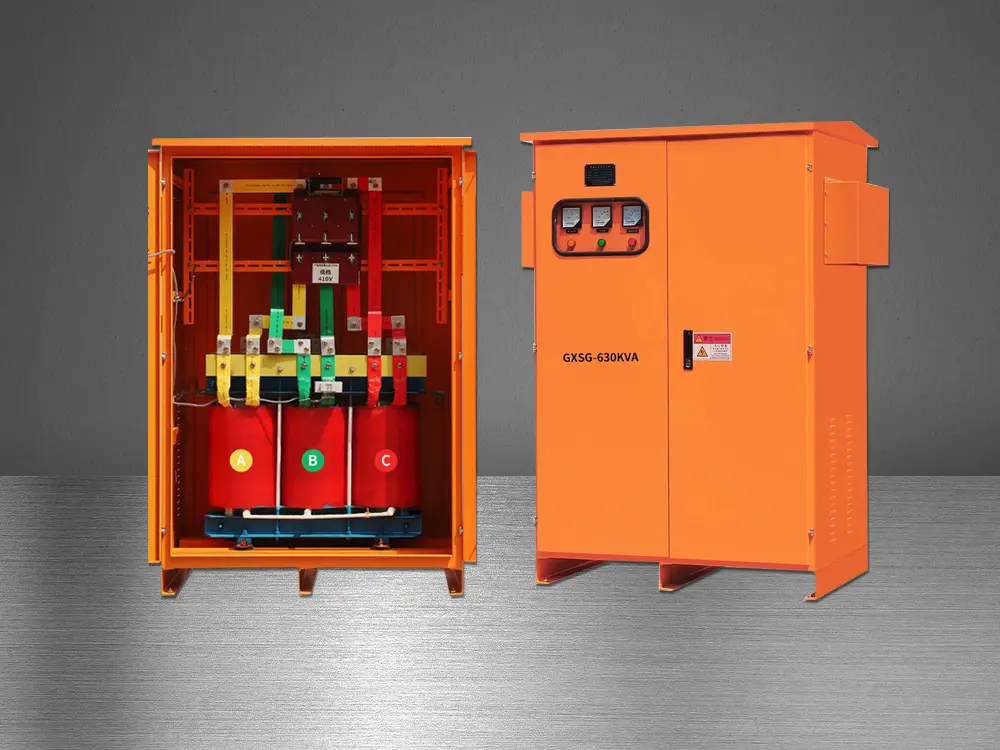 Tunnel Transformer
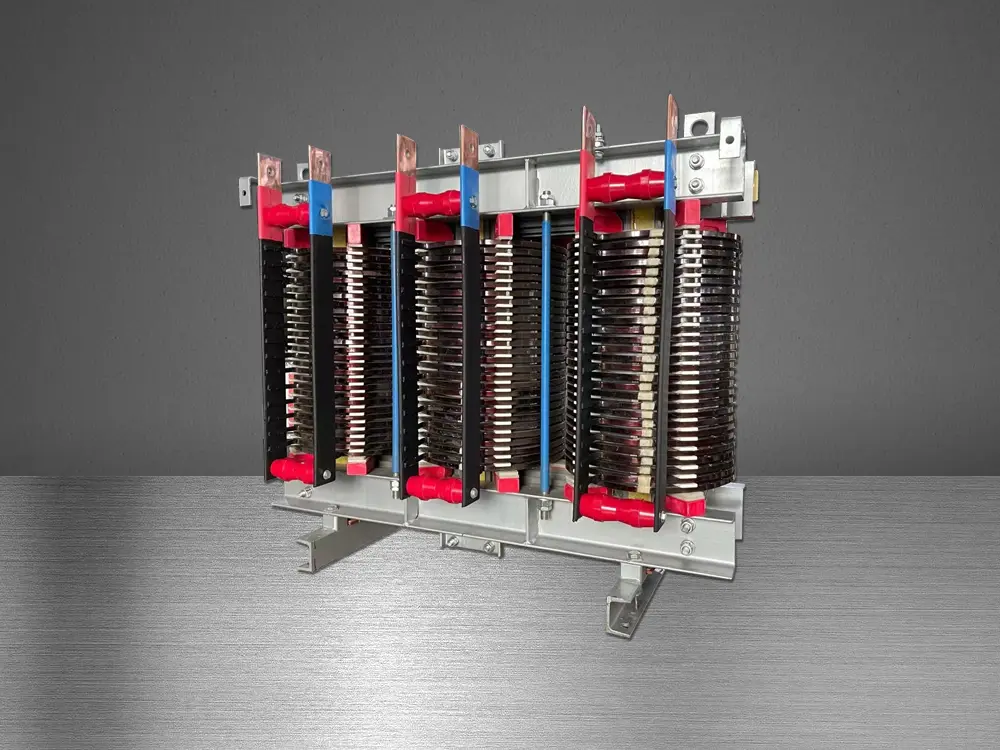 High Current Transformer
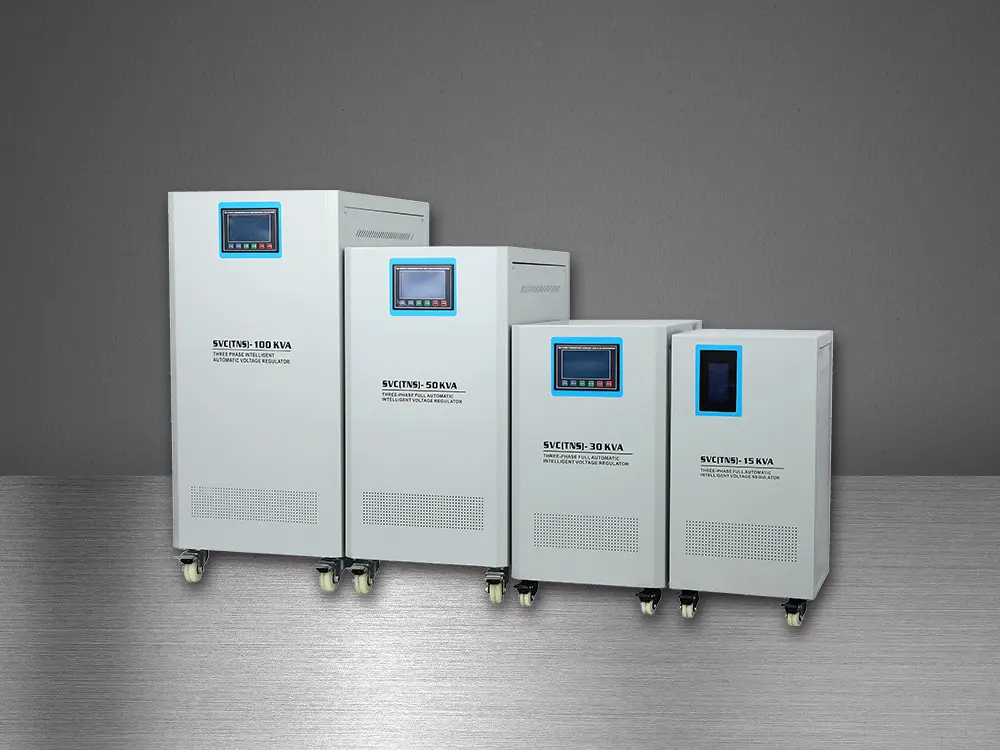 Automatic Voltage Regulator
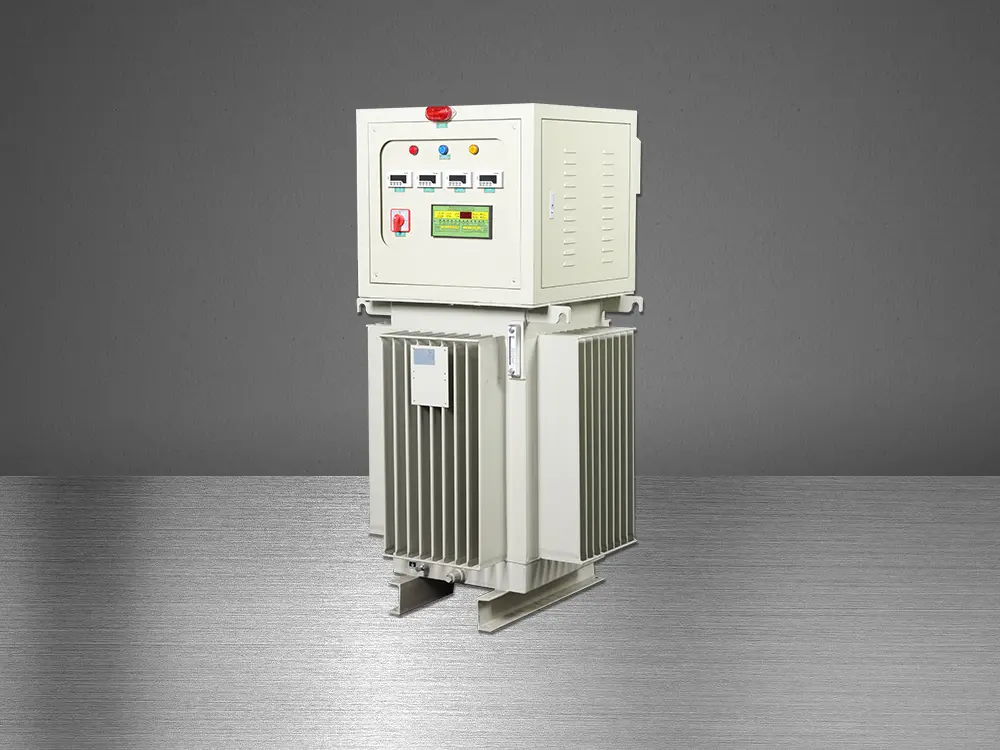 Oil Immersed Voltage Regulator