2026 How to Choose the Right High Current Transformer for Your Needs?
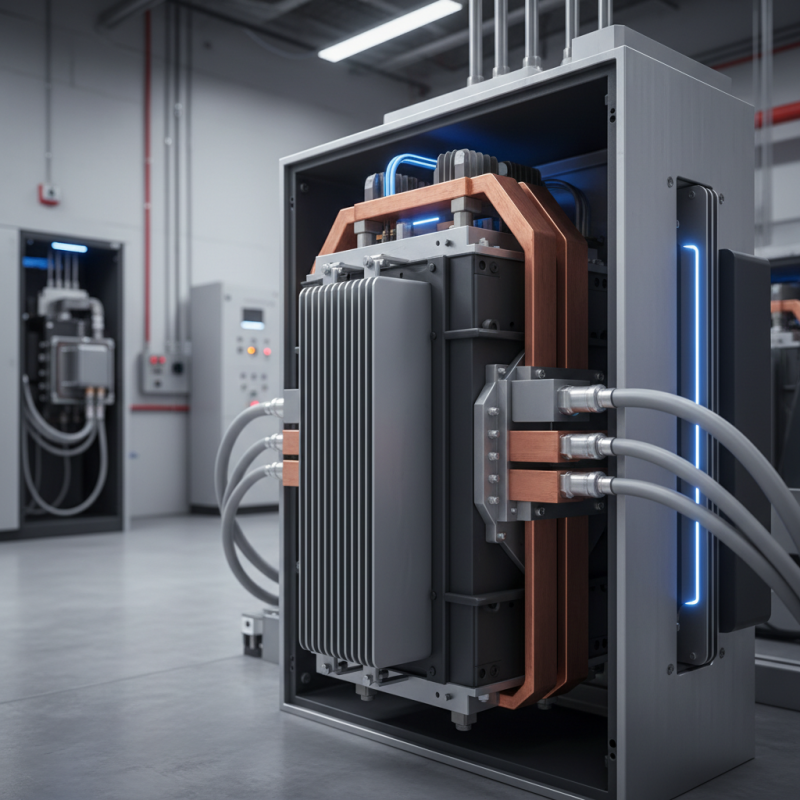
Choosing the right High Current Transformer (HCT) is critical for various industrial applications. These transformers ensure the safe and efficient measurement of high currents. Selecting an HCT requires understanding specific requirements, like voltage ratings and load types. Each application has unique challenges.
It's important to consider factors such as power ratings, frequency, and environmental conditions. Not all transformers are built the same. Some may not perform well in extreme temperatures. Others might require additional cooling mechanisms. This can lead to unexpected failures. Such insights are vital for making informed decisions.
In the evolving landscape of technology, keeping up with latest models is key. High Current Transformers are advancing, yet complexities remain. Users may overlook certain details that could impact performance. This guide aims to address those gaps while emphasizing careful selection.
Understanding High Current Transformers: Basics and Functions
High current transformers (HCTs) play a pivotal role in power systems. They convert high currents into manageable levels for measurement and protection. Their primary function is to ensure accurate monitoring and control of electrical equipment. A 2022 industry report highlighted that optimal transformer selection is crucial for efficiency. Increasingly, industries rely on HCTs for effective energy management.
Understanding HCTs involves grasping their key specifications. Current transformation ratios, for instance, help determine their performance. Data from a recent technical journal indicates that a 1000:5 transformation ratio is typical in medium-voltage applications. Choosing the correct ratio affects both meter accuracy and system safety. Improper ratios can lead to significant operational inefficiencies.
Additionally, the cooling method of HCTs directly influences their lifespan and function. Air-cooled designs are simpler but may not handle prolonged high loads. In contrast, oil-cooled transformers provide better thermal performance under heavy current scenarios. End users must weigh these factors carefully. As variability can impact outcomes, consistent testing and validation are necessary for reliability.
High Current Transformer Specifications and Applications
This chart illustrates the specifications of high current transformers including their rated current, input voltage, output ratio, and cooling type. Selecting the right transformer for your needs requires understanding these fundamental specifications.
Key Specifications to Consider When Choosing a High Current Transformer
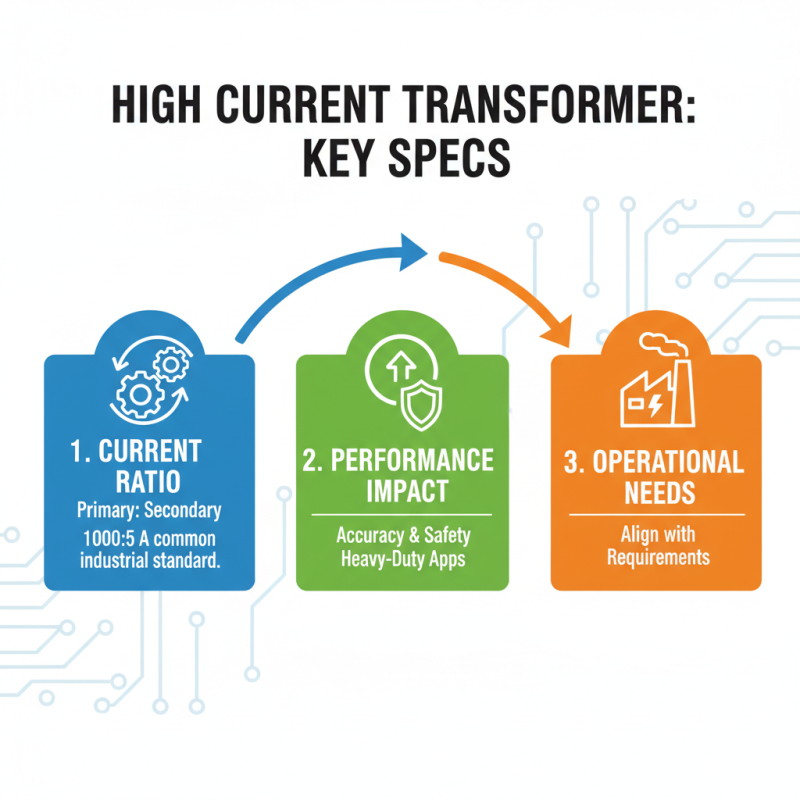
When selecting a high current transformer, consider key specifications that directly impact performance. Current ratio is crucial; it indicates the relationship between primary and secondary current. Choose a ratio that aligns with your operational needs. For instance, a transformer with a 1000:5 ratio is common in industrial settings. This specification influences accuracy and safety, especially in heavy-duty applications.
Another important factor is the accuracy class. This defines the transformer's performance under varying load conditions. For precision applications, an accuracy class of 0.1 or 0.2 is recommended. According to industry reports, high current transformers with better accuracy classes tend to have lower measurement errors. Choose transformers that can handle particular environmental conditions too. Temperature fluctuations and humidity can affect performance. Look for products rated for extremes if your operations require it.
Lastly, consider the insulation level. The dielectric strength impacts the transformer's safety and reliability. Insulation grades vary widely, and selecting the appropriate level can mitigate potential risks. Reports suggest that high insulation levels can extend the lifespan of transformers, reducing maintenance needs. Reflect on these aspects, as overlooking them could lead to operational disruptions and unexpected costs.
Assessing Your Power Needs and Application Requirements
When selecting a high current transformer, understanding your power needs is crucial. Start by assessing the specific requirements of your application. Determine the maximum load and the fluctuating nature of your electrical system. This information is vital for accurate transformer selection. Consider the environment in which the transformer will operate. Factors like temperature, humidity, and physical space can affect your choice.
Tips: Always measure accurately. Overestimating your power needs might lead to overspending. Conversely, underestimating can cause inadequate performance. Engage with professionals if unsure. Their expertise can help you avoid costly mistakes.
Next, look at the application itself. Different uses such as industrial, commercial, or residential require distinct transformer specifications. Pay attention to installation and maintenance considerations. Compatibility with existing equipment is also important.
Tips: Don’t rush this process. Take your time to evaluate all options. Think about long-term reliability and efficiency. In the end, a well-chosen transformer can significantly enhance system performance. Be prepared to revisit your choices as technologies evolve.
Evaluating Manufacturer Reputation and Product Reliability
When choosing a high current transformer, evaluating the manufacturer's reputation is crucial. A company with a history of reliability can provide confidence in product quality. Look for manufacturers that have been in the industry for several years. Longevity often indicates stability and expertise. Customer reviews can reveal both strengths and weaknesses. A single complaint may not define a manufacturer, but recurring issues should raise concerns.
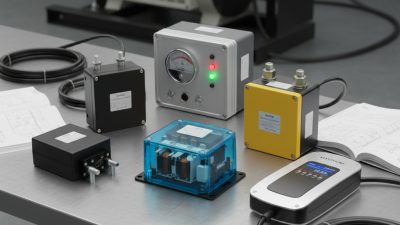
Product reliability is another essential factor. High current transformers must perform consistently under various conditions. Test reports and certifications can offer insights into a product's durability. Compare products from different manufacturers, but don't overlook performance metrics. If a transformer frequently fails, it could lead to costly downtime. Understand that even trusted brands can make mistakes, so due diligence is vital.
Reflecting on the importance of these criteria can guide your decision-making process. Few things are more frustrating than a subpar product in critical applications. Trust your instincts but also consider the data. Reliable products come from reputable sources, making your evaluation a necessary step. Finding the balance between brand loyalty and product performance can be challenging but essential for successful outcomes.
Common Applications and Industries Using High Current Transformers
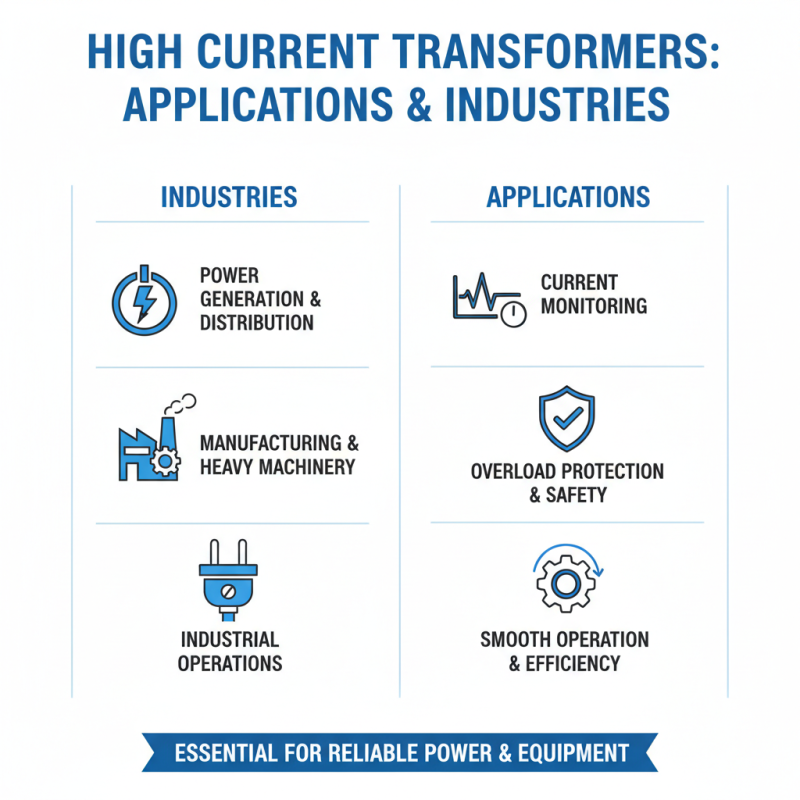
High current transformers (HCTs) play a crucial role in various industries. These devices are essential for power generation, distribution, and heavy machinery operations. In manufacturing, HCTs monitor electrical currents in large machines. This ensures smooth operations and reduces downtime. They help maintain safety by preventing overload situations.
The utility sector relies heavily on high current transformers. Electric utility companies use them to measure high voltage lines. They provide accurate data for grid management and maintenance. In transportation, HCTs support train systems, ensuring reliability and efficiency. They help manage the power used by electric trains, contributing to sustainable transport solutions.
Choosing the right HCT is vital for performance. Users should consider factors such as current rating and application needs. It's critical to align the transformer's specifications with operational demands. Some users may overlook installation guidelines or ventilation requirements. These oversights can lead to equipment failure or inefficiency. Each application has unique challenges, making expert advice invaluable in selection.

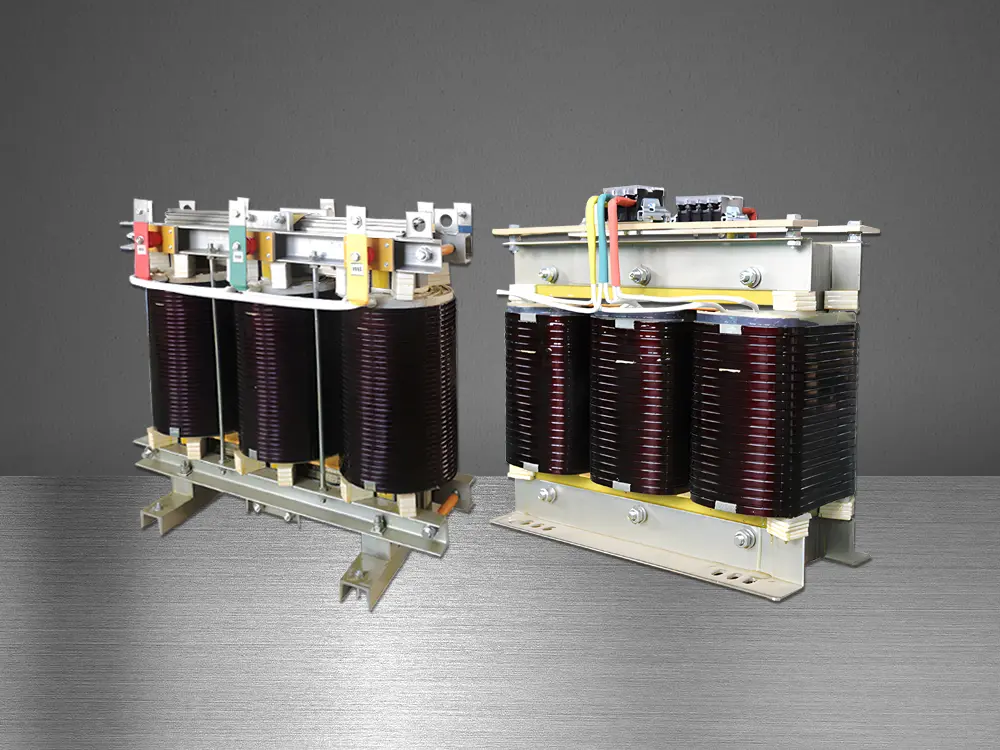 Three-Phase Isolation Transformer
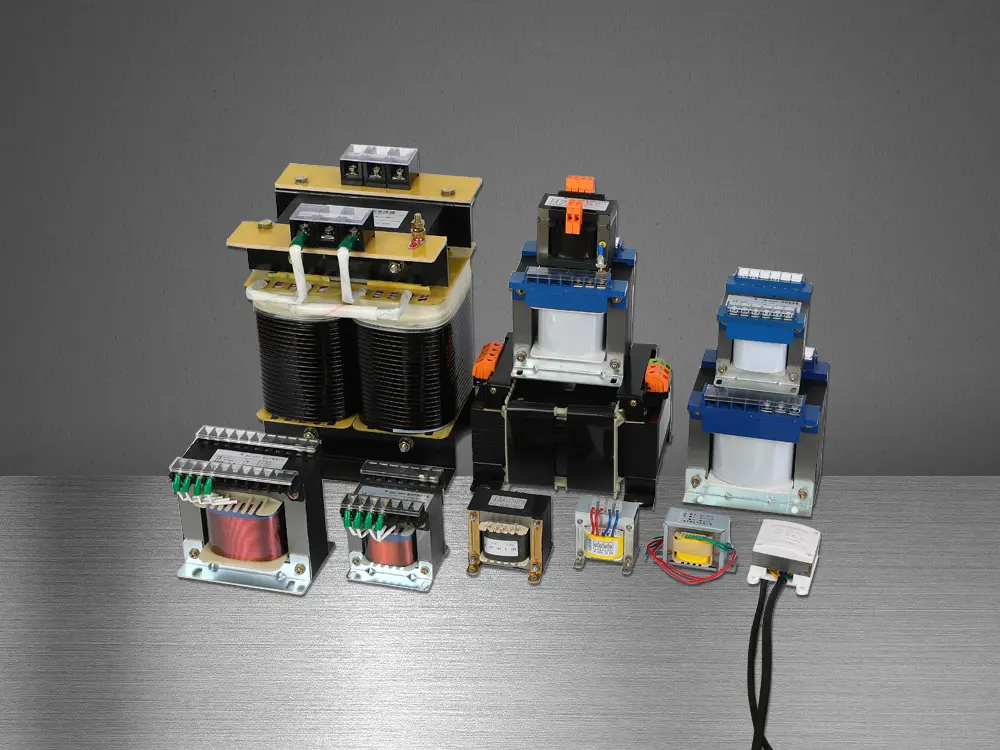 Control Transformer
 Medical IT Isolated Power System
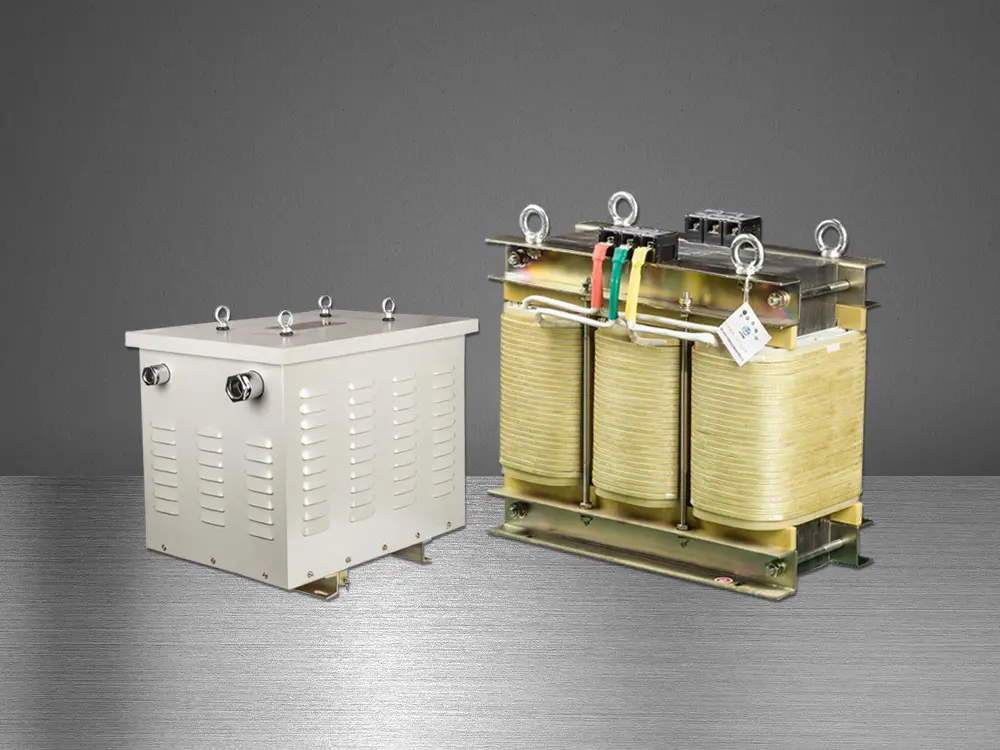 Marine Transformer
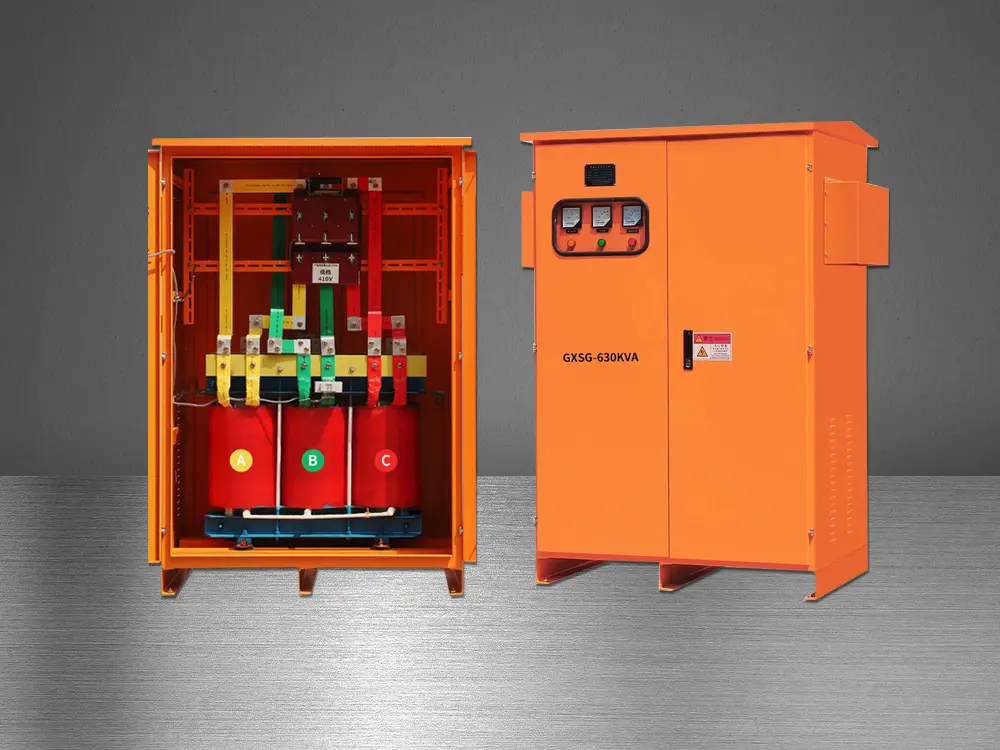 Tunnel Transformer
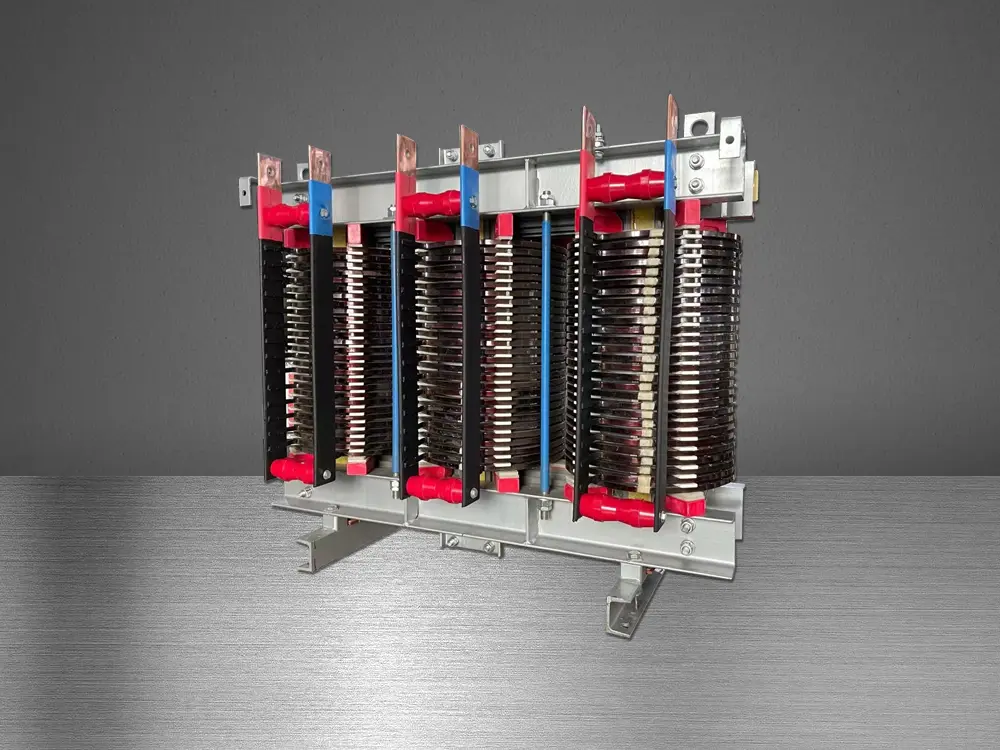 High Current Transformer
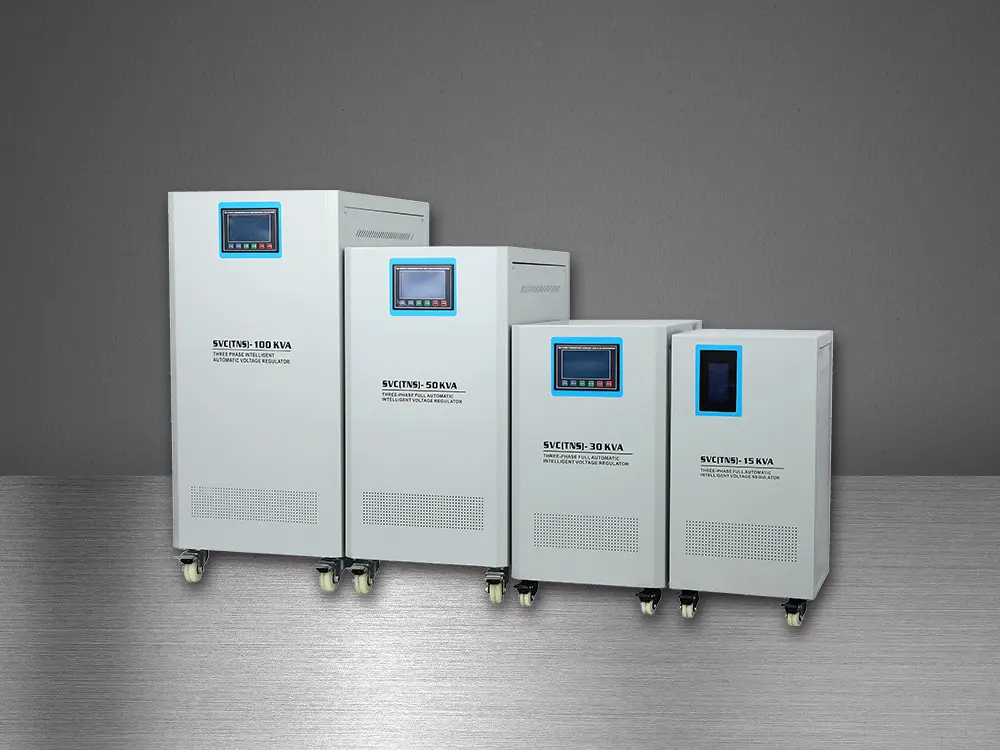 Automatic Voltage Regulator
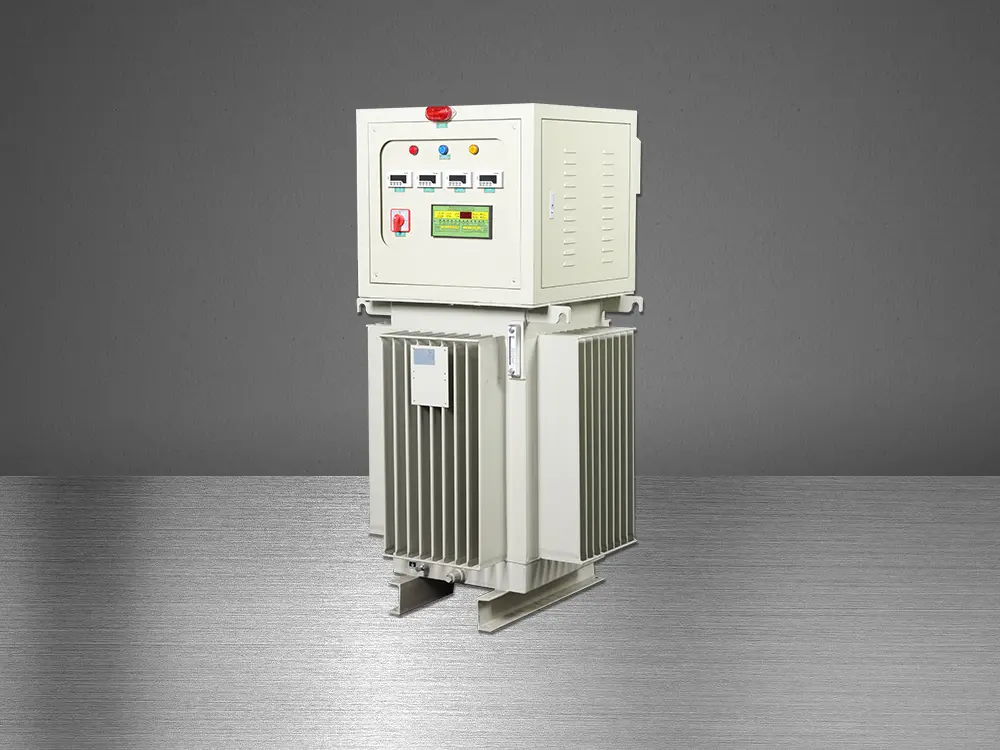 Oil Immersed Voltage Regulator