How to Choose the Right Home Voltage Regulator for Your Needs?
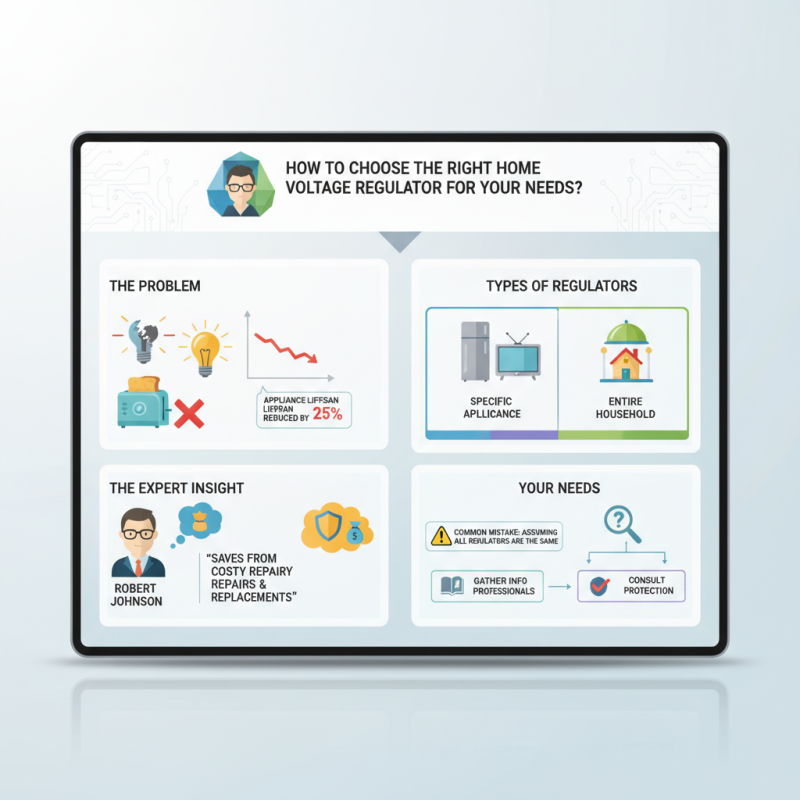
Choosing the right Home Voltage Regulator is crucial for maintaining the efficiency and longevity of your electrical appliances. According to a recent industry report by the Electric Power Research Institute, improper voltage levels can reduce appliance lifespan by up to 25%. This statistic highlights the need for effective voltage management in homes.
Expert Robert Johnson, a leading authority in energy management systems, emphasizes the importance of selecting the right regulator. He states, “A reliable Home Voltage Regulator can save homeowners from costly repairs and replacements.” His insight underscores the practical benefits of these devices, especially in areas prone to voltage fluctuations.
Understanding the types of Home Voltage Regulators available is essential. Some models target specific appliances, while others protect entire households. Evaluating your needs can feel overwhelming. Many homeowners make the mistake of assuming all regulators serve the same purpose. This common misconception can lead to inadequate protection. It’s crucial to gather information and consult professionals when making your decision.
Understanding the Basics of Home Voltage Regulators
Home voltage regulators play an essential role in maintaining stable electrical performance. Understanding how they work can help homeowners make informed choices. Voltage fluctuations can damage sensitive electronics. A voltage regulator stabilizes the supply, ensuring devices receive a steady power level.
There are different types of voltage regulators to consider. Some are automatic, adjusting to changes in voltage levels. Others are manual and require user intervention. Considering power capacity is important. You need a regulator that can handle the total load of all connected devices. This means calculating the combined wattage of appliances and electronics in your home.
Installation can be tricky. It's often best to consult a professional. An improperly installed regulator can lead to further issues. One common mistake is overlooking the need for proper grounding. A good understanding of your home’s electrical system can aid in choosing the right device. Recognizing these details will empower homeowners to enhance their electrical reliability.
Identifying Your Power Needs and Requirements
When selecting a home voltage regulator, it is crucial to identify your power needs. Analyze the appliances in your home, their voltage requirements, and total wattage. According to a report from the National Renewable Energy Laboratory, household appliances can vary significantly in power consumption. For instance, refrigerators may use between 100 to 800 watts, while televisions typically consume around 50 to 400 watts. By understanding your consumption patterns, you can better choose the right regulator.
Tips: Make a list of all devices. Count their wattage for an accurate estimate.
Not all voltage regulators are created equal. Some may not handle sudden power surges effectively. Research indicates that over 30% of home appliances experience failures due to voltage spikes. Therefore, consider a regulator that offers surge protection. Additionally, look for one that suits your home's total load. A mismatch could lead to equipment damage or inconsistent performance.
Tips: Assess your home's peak load times. This can help in selecting a regulator that meets the demand.
Finally, remember that your energy needs might change over time. As new appliances are added or removed, reevaluate your voltage regulator's performance. Stay informed about advancements in voltage regulation technology to ensure reliability and efficiency. Making an informed decision about your voltage regulator can save you money and protect your valuable electronics.
Power Needs Analysis for Home Voltage Regulators
Comparing Different Types of Voltage Regulators
When selecting a voltage regulator, understanding the types available is crucial. There are primarily two types: linear and switch-mode voltage regulators.
Linear regulators provide a steady output voltage with minimal noise, making them ideal for sensitive applications. However, they can waste energy as heat, particularly under high load conditions. According to a recent industry report, linear models can be less efficient, operating at about 30% efficiency in some scenarios.
Switch-mode voltage regulators offer higher efficiency rates, often exceeding 85%. They work by rapidly switching on and off, converting voltage more effectively. This feature makes them suitable for applications where heat generation must be minimized. In areas with fluctuating power supplies, these regulators can provide a stable output under varying load conditions.
Tips: Assess your specific energy needs before choosing a regulator type. Evaluate how much heat your application can tolerate. Consider also the load requirements—switch-mode regulators excel with heavy loads, while linear regulators shine in low-noise environments. Reflect on your energy consumption to avoid overspending on excess capacity. Balancing performance, efficiency, and heat management is key for the ideal setup.
Evaluating Features and Specifications for Selection
Choosing the right home voltage regulator requires careful consideration of various features and specifications. The regulations of voltage can differ significantly based on location and equipment types. Getting it right ensures protection for your electronic devices. According to the National Electrical Manufacturers Association (NEMA), improper voltage levels can lead to equipment failure in over 30% of cases.
When evaluating options, consider the power rating. Most regulators specify output capacity in watts or volts-amps. Ensure the chosen model meets or exceeds the daily needs of your devices. Efficiency ratings are also crucial; higher efficiency can save on energy costs in the long run. Look for regulators with low total harmonic distortion (THD), usually less than 5%. This helps maintain the integrity of your electrical supply.
Tip: Always check the surge protection feature. A good voltage regulator should have surge protection to withstand sudden energy spikes.
Another key feature is the response time to voltage fluctuations. A quick response time minimizes damage and ensures stability. Analyze the build quality and customer reviews to gauge reliability. Often, expensive models promise high performance, but not all live up to expectations. Reading real experiences can illuminate potential downsides.
Installation and Maintenance Tips for Voltage Regulators
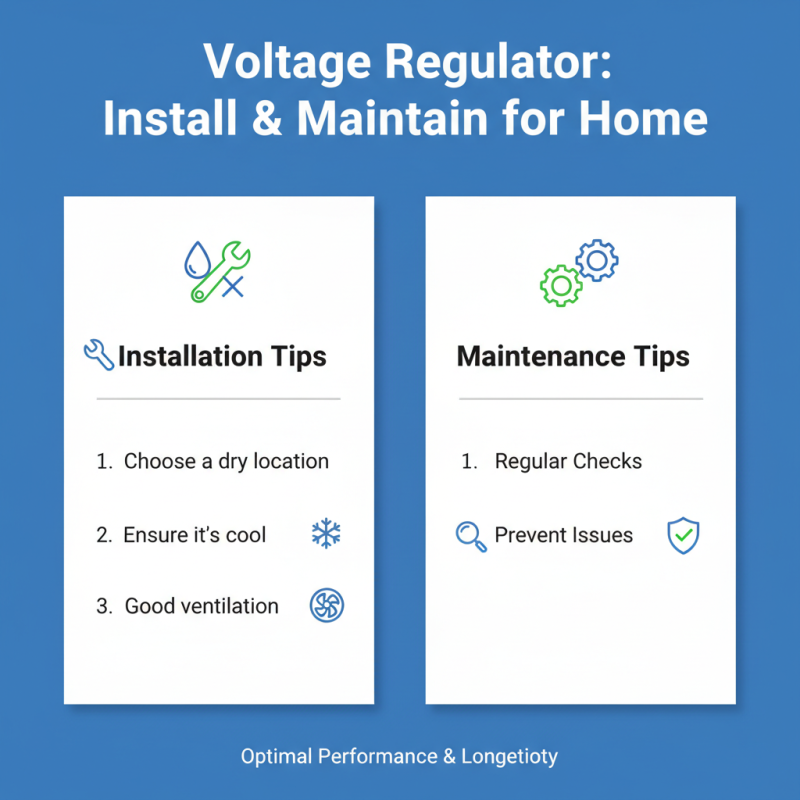
When choosing a home voltage regulator, proper installation and maintenance are vital. Regular checks can prevent potential issues. Start by identifying the best location for installation. It should be dry, cool, and well-ventilated. An appropriate spot ensures optimal performance and longevity.
To maintain your voltage regulator, inspect it regularly for dust and debris. Clean it gently using a soft cloth. Ensure that all connections are tight and secure. Loose connections can lead to voltage fluctuations. Also, monitor the voltage levels periodically. It helps in recognizing any patterns or irregularities.
Tips for effective maintenance include keeping documentation. Note down the installation date and maintenance records. Regular servicing by a qualified technician can ensure peak efficiency. It's essential to address any irregularities promptly. Ignoring small issues may lead to larger problems later.

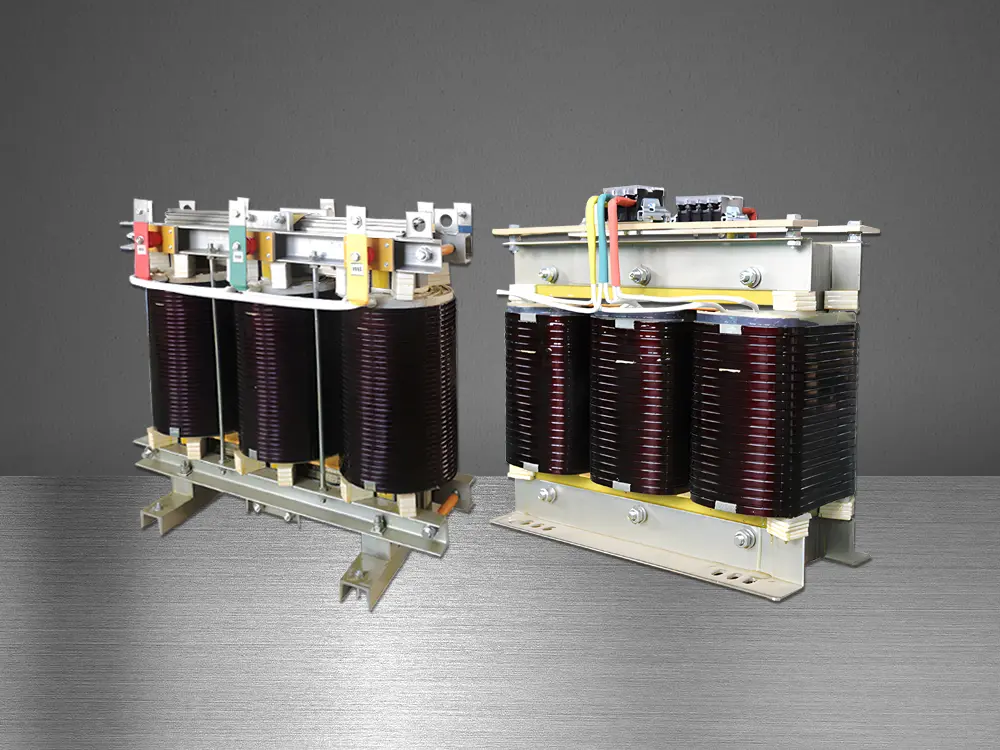 Three-Phase Isolation Transformer
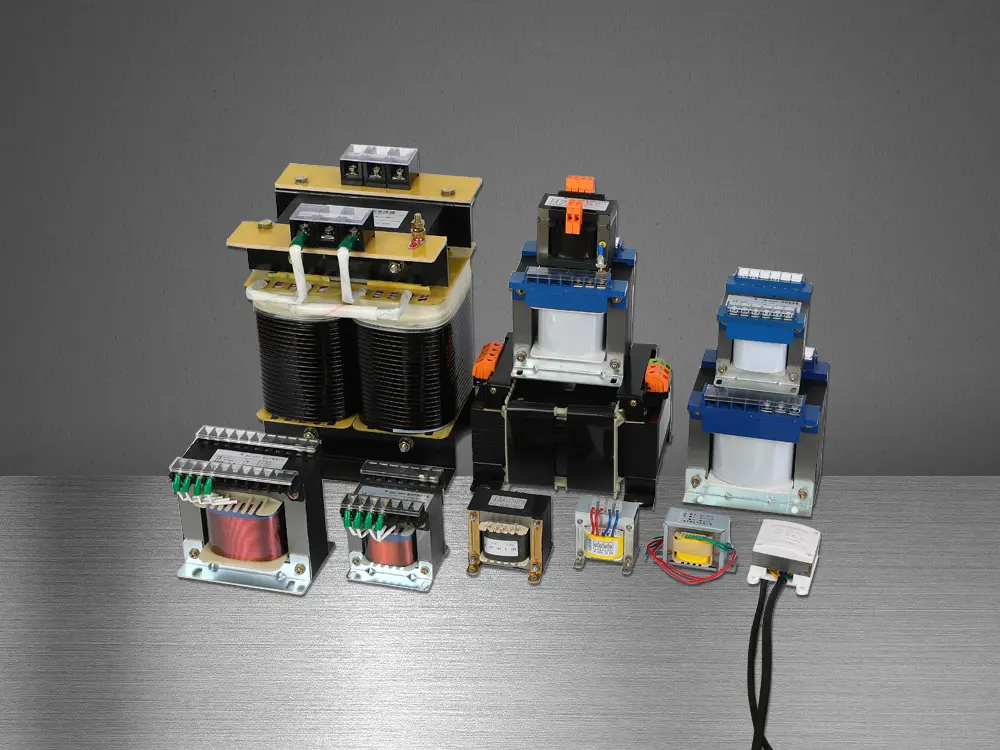 Control Transformer
 Medical IT Isolated Power System
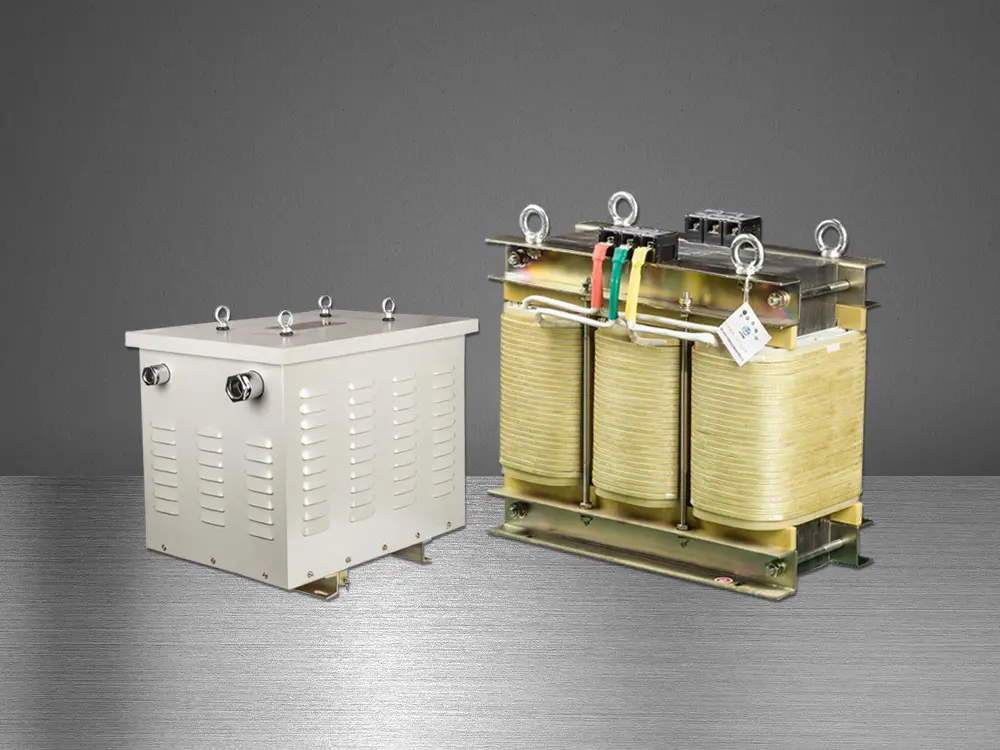 Marine Transformer
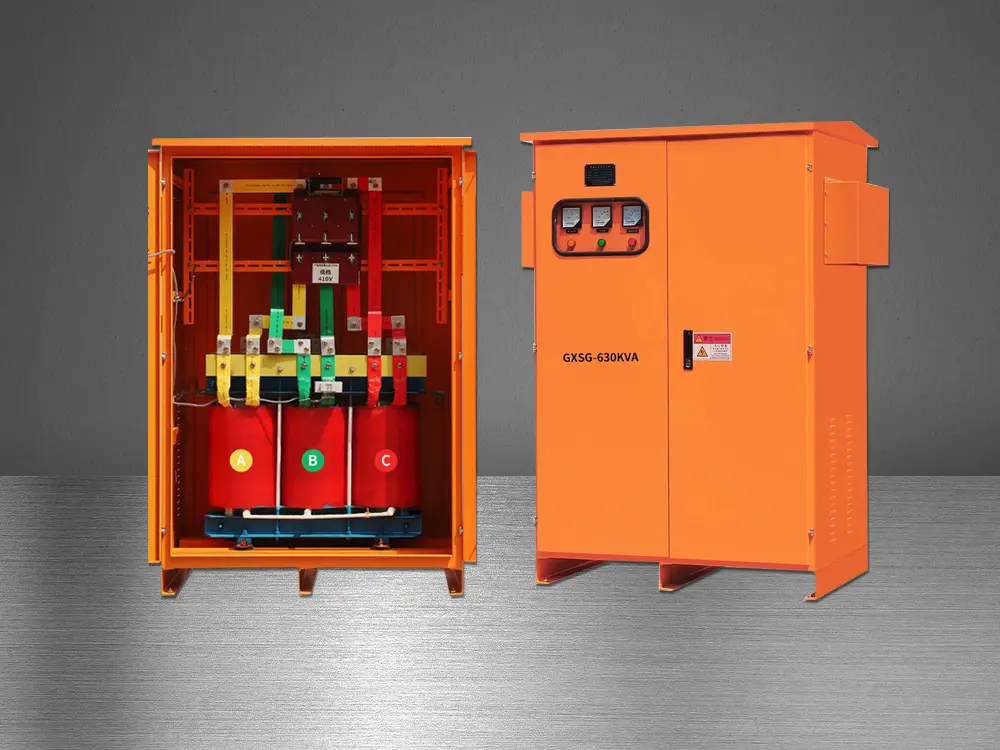 Tunnel Transformer
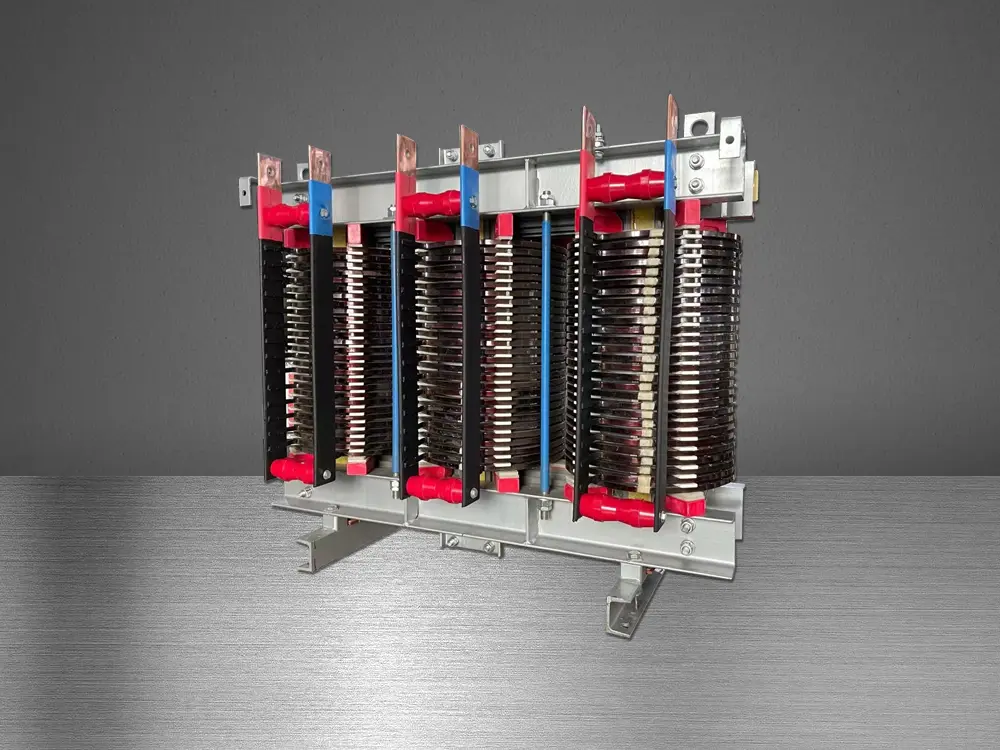 High Current Transformer
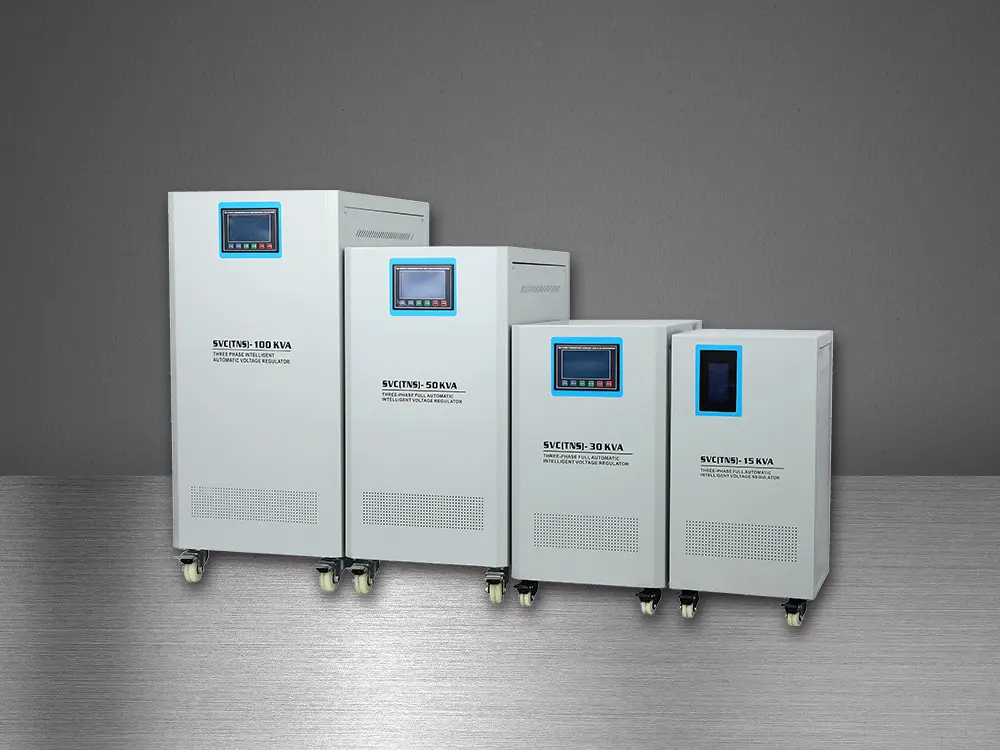 Automatic Voltage Regulator
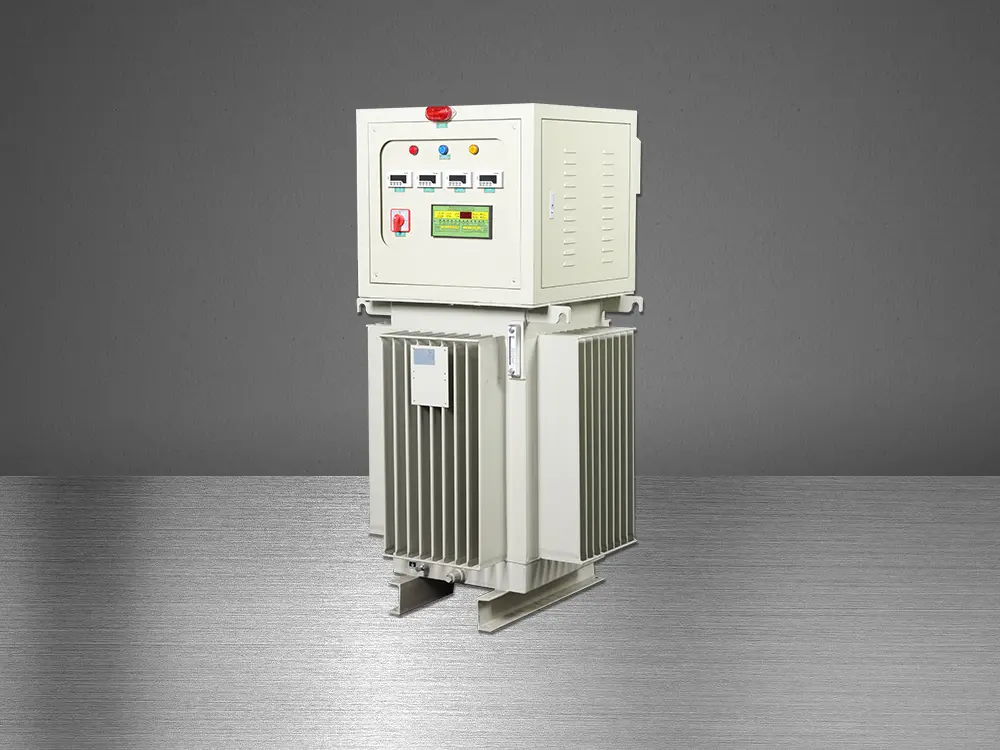 Oil Immersed Voltage Regulator