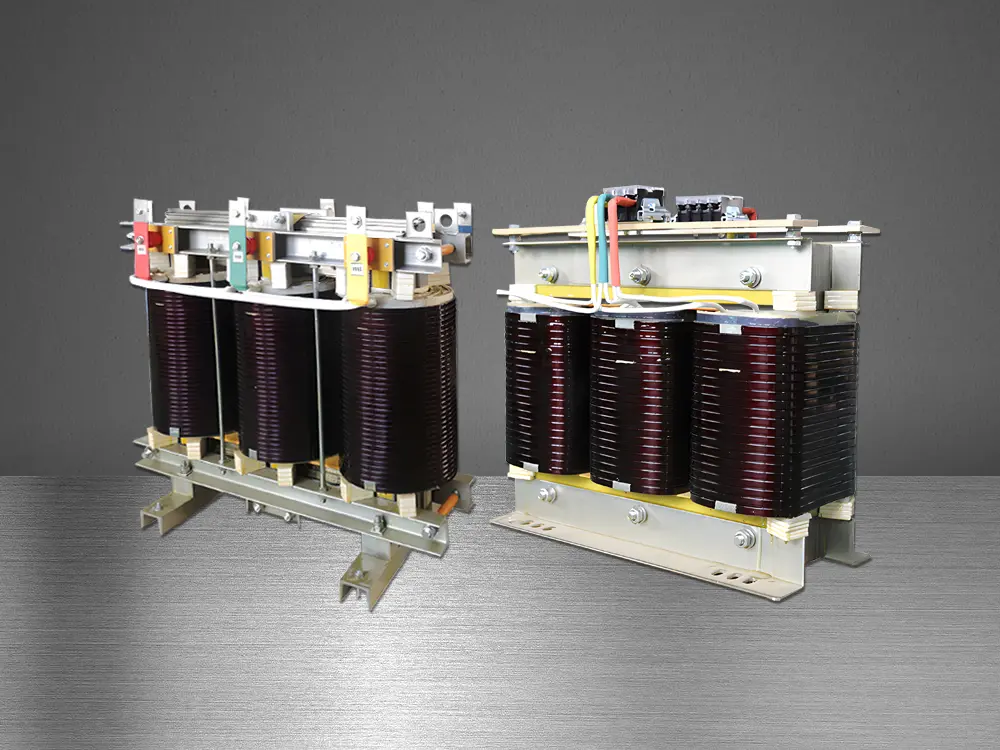
 Three-Phase Isolation Transformer
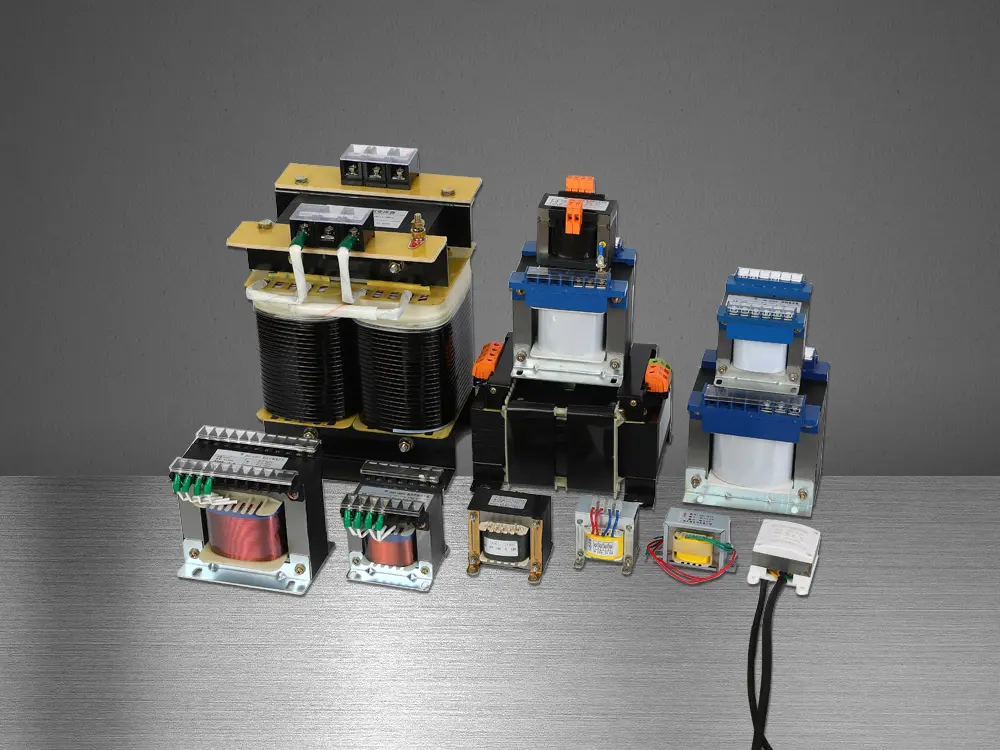 Control Transformer
 Medical IT Isolated Power System
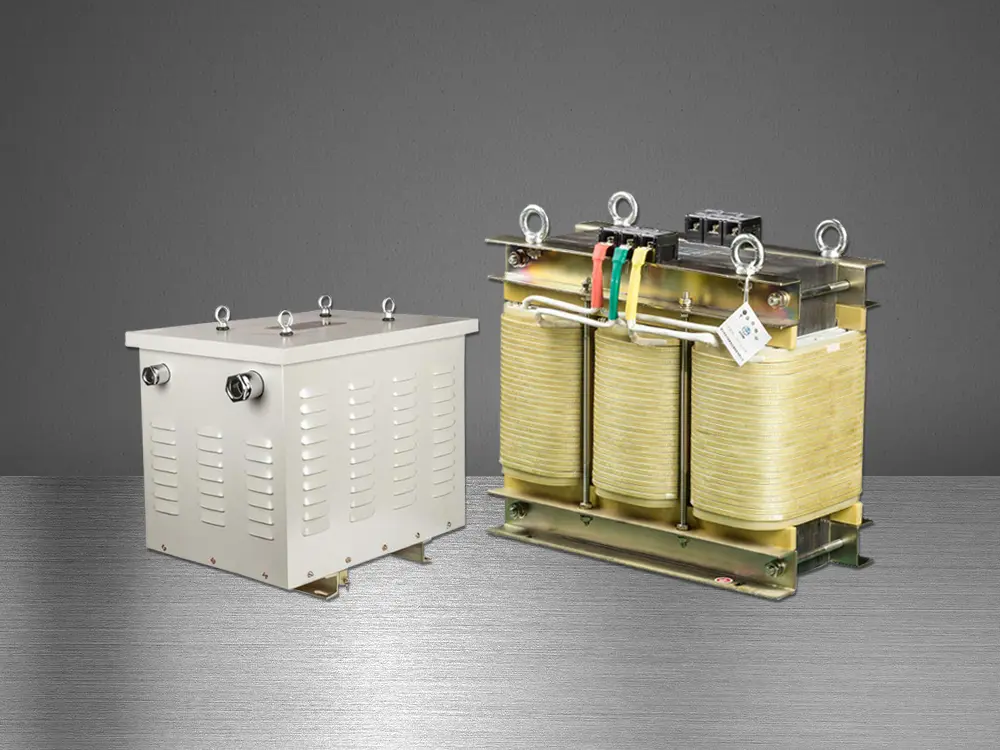 Marine Transformer
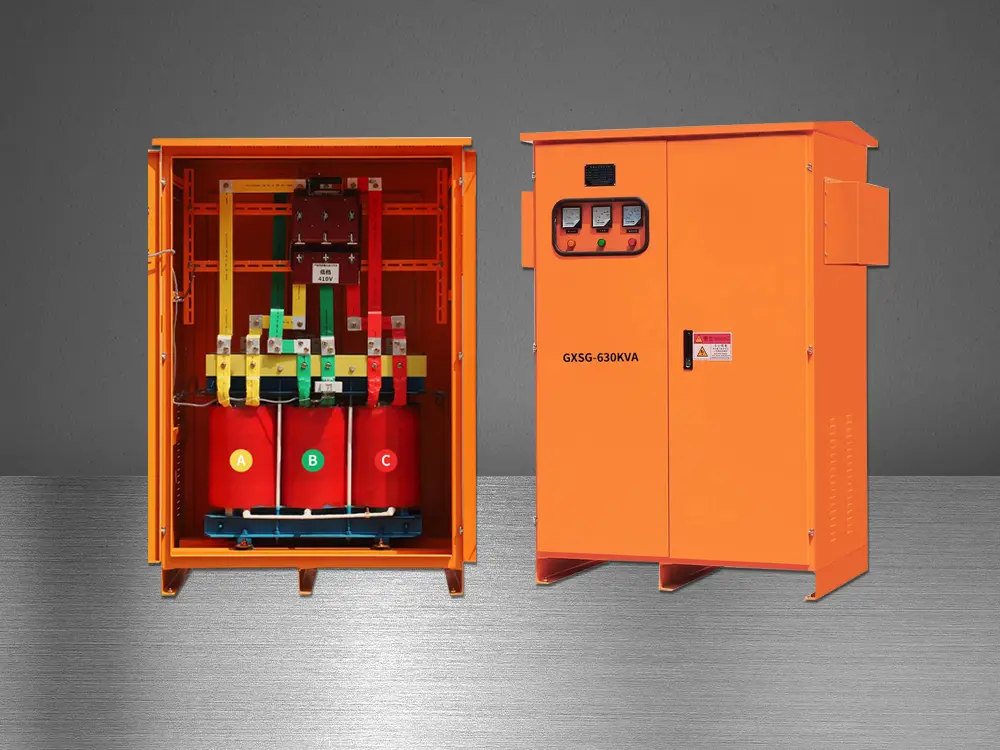 Tunnel Transformer
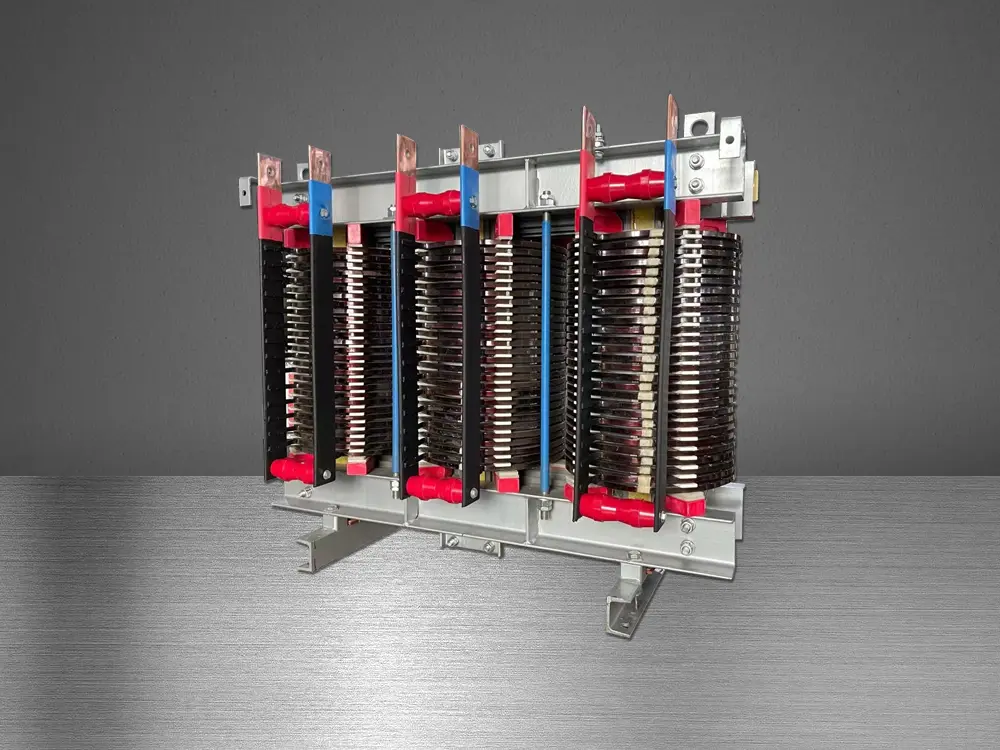 High Current Transformer
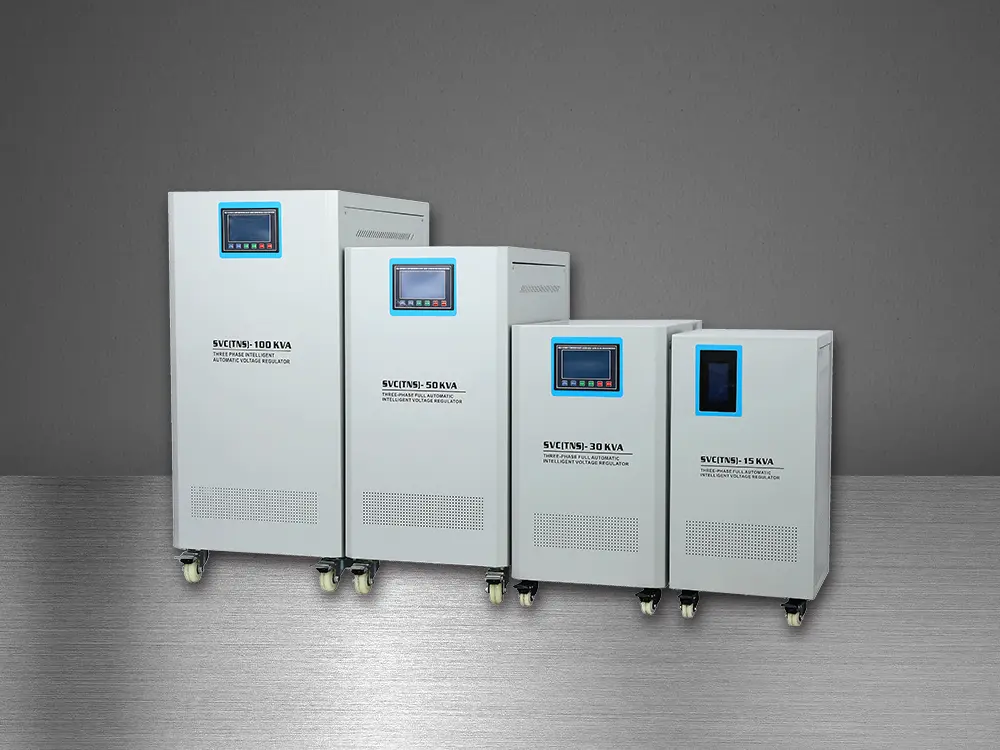 Automatic Voltage Regulator
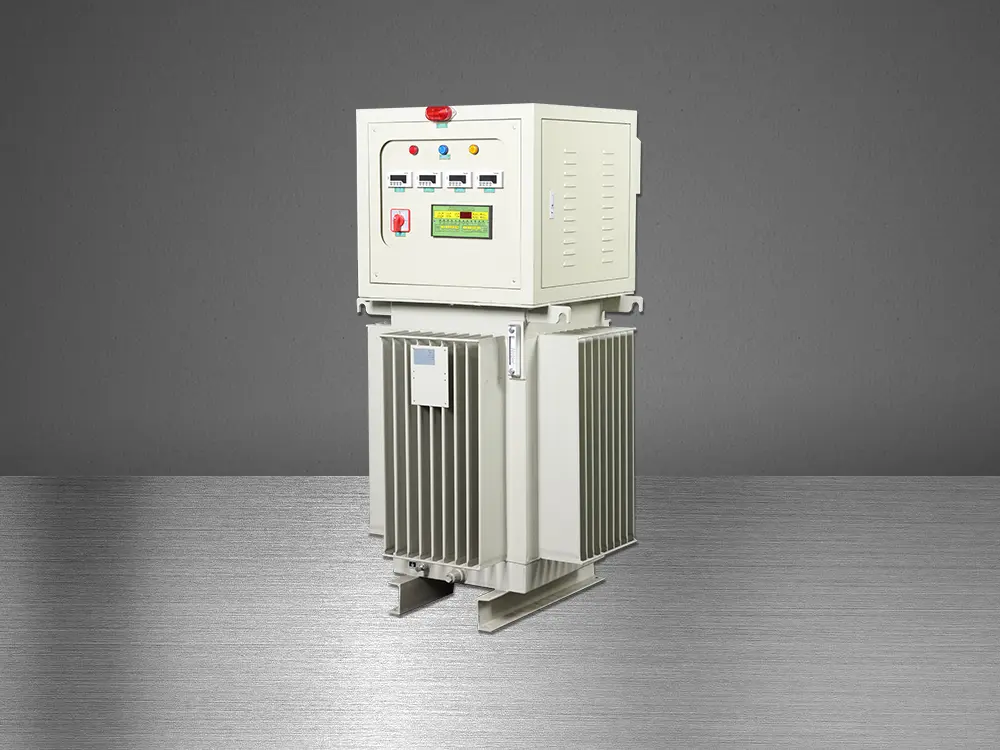 Oil Immersed Voltage Regulator
Leave Your Message
Choosing a High Voltage Current Transformer in 2026 requires more than comparing ratios and purchase prices. The device must convert dangerous primary currents into accurate, usable signals for meters, relays, and digital protection systems. In a 110 kV substation, one incorrect specification can create false measurements, delayed tripping, or unnecessary equipment stress. Small details matter.
A reliable selection begins with the actual network conditions. Confirm the system voltage, maximum continuous current, fault level, frequency, insulation requirements, and installation environment. Check the transformation ratio carefully. Then review accuracy class, burden, knee-point voltage, thermal short-time current, and insulation coordination. Protection CTs and metering CTs serve different purposes. A field engineer may also examine cable length, terminal resistance, and likely saturation during faults. These practical checks often reveal problems that a catalog does not show.
Standards and test evidence should guide the final decision. Compare IEC or IEEE requirements, routine test results, type-test reports, and the manufacturer’s quality records. Ask whether the CT supports the substation’s monitoring architecture and future maintenance plans. Digital substations may demand compatible sensors, reliable communication, and stronger data validation. Technology changes quickly.
No selection is perfect. A spreadsheet can hide uncertain fault data, aging insulation, or overlooked installation heat. Recheck assumptions with the utility, protection engineer, and qualified manufacturer. Independent review adds credibility. Site experience adds context. The best High Voltage Current Transformer is not simply the most advanced model. It is the one that remains accurate, safe, testable, and dependable under the network’s real operating conditions. That judgment deserves careful reflection.
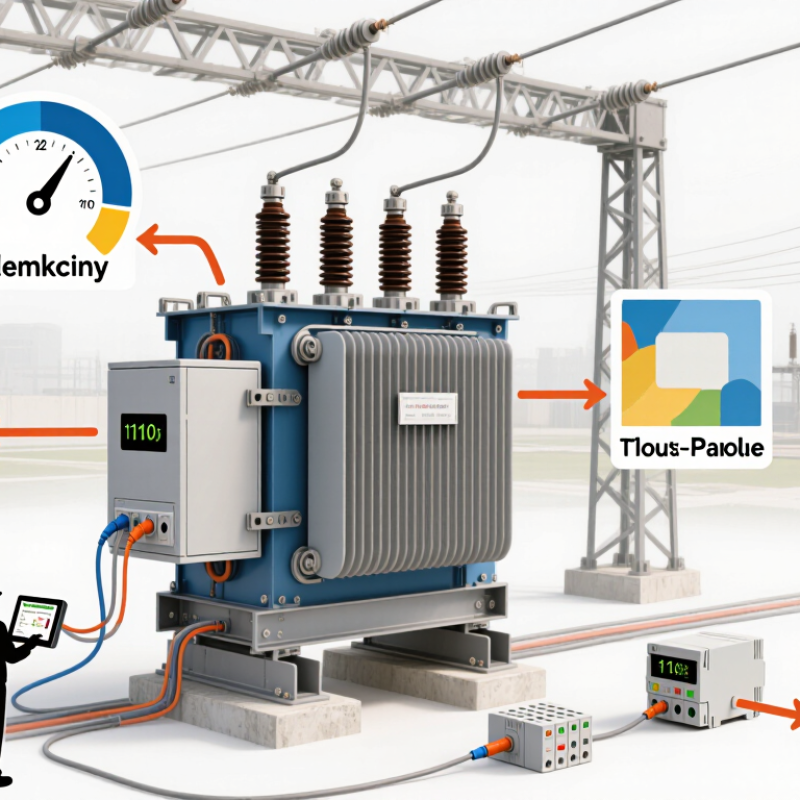
High-voltage current transformers serve two distinct roles: they reduce large line currents for metering and provide signals for protective relays. Their type should match the installation. Outdoor substations often use oil-insulated or gas-insulated designs, while indoor switchgear commonly uses compact cast-resin units. A wound-primary transformer suits lower current ranges; a bar-primary design is more common where conductors carry heavy currents. The details matter.
Selection starts with rated voltage, primary current, frequency, insulation level, and short-circuit withstand. Then check accuracy class and burden: a revenue meter and a fast protection relay do not need the same performance. Protection cores must remain useful during fault-current saturation, while metering cores prioritize accuracy in normal operation. IEC 61869-2 sets requirements for inductive current transformers, but project conditions still shape the choice. One missed detail can be costly: cable routing and terminal access affect installation and maintenance.
The International Energy Agency’s 2023 report, Electricity Grids and Secure Energy Transitions, estimates that global grid infrastructure must grow or be refurbished by roughly 80 million kilometers by 2040. That is about the length of today’s entire global grid. This expansion increases the importance of dependable measurement and protection at substations, renewable connections, and transmission interfaces. Yet a larger rating is not automatically safer. Engineers should verify insulation coordination, ambient temperature, pollution exposure, and relay behavior against site data. In practice, the first specification is sometimes incomplete; reviewing actual load and fault studies can reveal what needs correction.
| Transformer Type | Typical Installation | Common Applications | Key Selection Considerations | Advantages | Limitations and Checks |
|---|---|---|---|---|---|
| Oil-paper insulated outdoor CT | Outdoor substations and switchyards | Revenue metering, protection, and monitoring on transmission and sub-transmission circuits | System voltage and insulation level; primary current; metering or protection duty; accuracy class; burden; short-time thermal and dynamic current ratings | Established design with a broad range of outdoor applications and ratings | Requires suitable oil containment, leak inspection, and ongoing insulation and condition monitoring. Confirm environmental and fire-safety requirements. |
| Gas-insulated CT | Gas-insulated switchgear (GIS) or gas-insulated substations | Current measurement and protection in compact, enclosed high-voltage installations | Compatibility with the GIS design; rated voltage and insulation coordination; measurement performance; gas monitoring and maintenance provisions | Compact integration into enclosed switchgear; reduced exposure to external contamination | Must be specified as part of the GIS system. Consider gas handling, leak monitoring, service procedures, and applicable environmental regulations. |
| Live-tank outdoor CT | Outdoor air-insulated substations | Protection and metering on overhead lines, transformers, and busbars | Insulation coordination; creepage distance; site altitude and pollution conditions; seismic and mechanical requirements; terminal arrangement | Common outdoor arrangement with accessible primary terminals and established maintenance practices | Installation and maintenance require appropriate high-voltage clearances and work procedures. Check weather, pollution, and seismic requirements for the site. |
| Bushing CT | Installed around an insulated conductor or equipment bushing | Transformer differential protection, backup protection, metering, and equipment monitoring | Bushing dimensions; core count; ratio; accuracy and burden; available space; short-circuit performance | Uses an existing insulated conductor path and can provide multiple cores for separate functions | Usually depends on compatible primary equipment and available installation space. Verify core allocation and protection performance with the equipment design. |
| Optical current sensor | Designed for integration with compatible substation measurement systems | Digital measurement, monitoring, and protection applications where the system architecture supports optical sensing | Measurement range and accuracy; interface compatibility; power and communications design; environmental qualification; lifecycle support | Can support digital signal interfaces and avoid conventional magnetic-core saturation effects | Compatibility with relays, merging units, and communications systems must be confirmed. Review calibration, redundancy, and maintenance arrangements. |
| Cast-resin CT | Typically indoor switchgear and lower-voltage distribution installations | Indoor metering and protection where the equipment insulation design is suitable | Rated voltage; indoor installation conditions; insulation level; accuracy class; burden; enclosure and temperature limits | Solid insulation and a compact form can suit indoor equipment | Do not assume a cast-resin design is suitable for every high-voltage application. Confirm the manufacturer's rated voltage and the complete switchgear insulation design. |
Selection checklist: define the highest system voltage and required insulation level; primary and secondary ratings; measurement or protection purpose; accuracy class and burden; short-circuit withstand; indoor or outdoor conditions; installation constraints; and applicable local standards. Have the final specification and protection design reviewed by qualified power-system engineers.