Top Medical Isolation Panel Manufacturers Worldwide?
Medical Isolation Panel manufacturers are becoming central to safer, faster healthcare construction. Demand is supported by stricter infection-control expectations, modular hospital projects, and renewed investment in critical-care capacity. MarketsandMarkets estimates that the global cleanroom technology market will reach more than USD 14 billion by 2028, while Grand View Research reports continued growth in modular construction across healthcare facilities. These figures are not identical, and they do not measure Medical Isolation Panel sales directly. That limitation matters.
A strong panel is more than a smooth wall. It should support airtight detailing, cleanable surfaces, fire performance, thermal stability, and reliable service integration. CDC isolation guidance emphasizes correct airflow relationships, pressure control, and maintainable ventilation systems. ASHRAE Standard 170 provides widely used ventilation requirements for healthcare spaces. These standards help buyers compare manufacturers, although certification claims still require careful verification.
Infection-prevention specialist Dr. William A. Rutala has repeatedly stressed the importance of environmental cleaning, often summarized in his practical statement: “Clean does not mean sterile.” That distinction is visible in daily use: sealed joints, protected corners, and fewer dust-catching gaps can influence maintenance quality. Leading manufacturers should therefore provide tested assemblies, transparent documentation, installation training, and field support. Rankings based only on factory size may mislead. Product performance can change by region, installer, and project specification. This guide examines worldwide suppliers through those practical measures, while recognizing that no manufacturer fits every hospital, climate, or budget.
What Medical Isolation Panels Are and How They Support Healthcare Safety
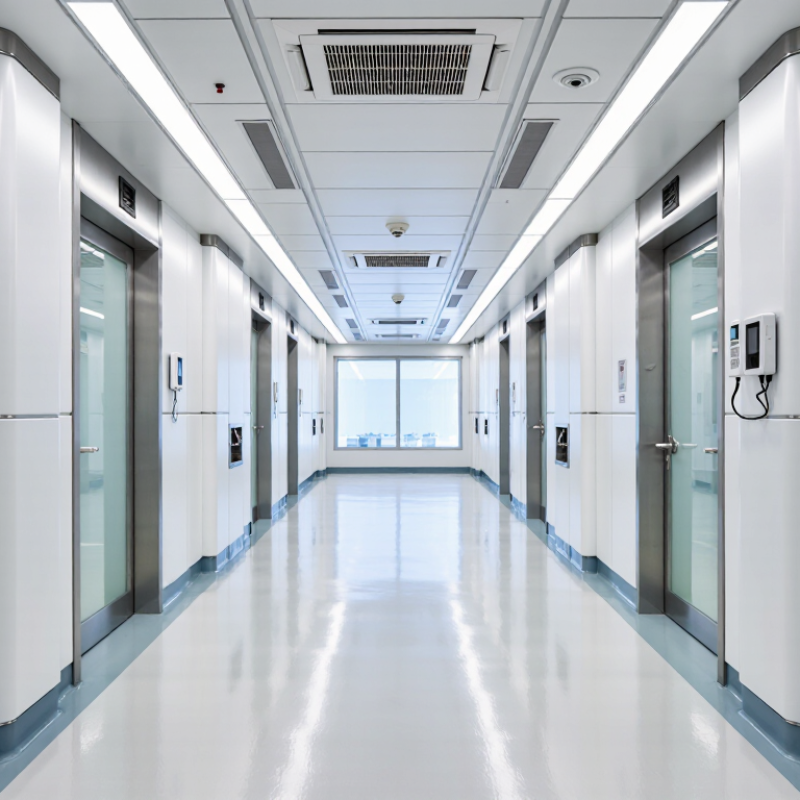
Medical isolation panels are factory-made wall and ceiling systems for controlled healthcare spaces. They usually combine insulated cores with smooth, nonporous surfaces. These surfaces resist moisture, support repeated cleaning, and reduce dirt traps around patient areas. A well-designed joint can matter more than an impressive finish.
The World Health Organization’s 2022 global infection prevention report estimates that 7% of patients in high-income countries acquire at least one healthcare-associated infection. The figure reaches 15% in low- and middle-income countries. Isolation panels cannot solve this risk alone. They create a cleaner envelope around ventilation, pressure control, and disciplined clinical procedures. The CDC recommends 12 air changes per hour for new airborne infection isolation rooms, while existing rooms should provide at least 6. ASHRAE Standard 170 also defines ventilation requirements for specialized healthcare spaces.
On site, installers must inspect sealed corners, service penetrations, door frames, and ceiling interfaces. A tiny gap can collect dust or weaken pressure performance. The panel may look sealed. It may not be. Manufacturers should provide tested joint details, cleanability data, fire-performance documentation, and installation guidance. Facility teams also need realistic maintenance access, because damaged surfaces eventually occur. Selecting a supplier means evaluating production consistency, technical support, documented testing, and experience with healthcare environments—not only comparing panel thickness or price.
Key Performance Standards for Medical Isolation Panel Systems
Medical isolation panel systems must support infection control, pressure management, and dependable daily cleaning. Their performance begins with a continuous, nonporous surface. Wall and ceiling panels should resist moisture, disinfectants, impact, and repeated abrasion without developing cracks.
Small gaps matter. Sealed joints, protected corners, and carefully fitted service penetrations help maintain room integrity. Doors should close firmly and include reliable seals. Observation windows need smooth frames and secure glazing. Fire resistance, thermal stability, and acoustic control should match the facility’s design brief and local requirements.
Air pressure performance depends on more than the panels. HVAC capacity, door movement, filters, and commissioning all influence the result. A pressure monitor may show stable readings during testing, yet performance can change when staff open doors repeatedly. This is where many projects need more practical attention.
Manufacturers and contractors should provide documented material data, cleaning guidance, fire test evidence, and installation tolerances. Independent inspection can verify joint continuity, surface defects, and pressure behavior. Testing should occur before handover and after significant modifications.
A perfect system is unlikely.
Experience shows that installation quality often decides long-term reliability. Even a well-designed panel can fail when cuts are rough or sealant is poorly applied. Facility teams should inspect high-touch areas regularly and record repairs. Requirements also vary by country, room classification, and clinical use, so qualified professionals must confirm the applicable standards before procurement.
Top Medical Isolation Panel Manufacturers Worldwide? — Key Performance Standards for Medical Isolation Panel Systems
Reference benchmarks for airborne infection isolation room systems; values are not manufacturer or brand ratings.
Medical isolation panel systems should support a controlled room envelope, reliable negative pressure, sufficient air exchange, and effective high-efficiency filtration. The chart presents widely cited reference values using their original measurement units: pressure differential in pascals, ventilation in air changes per hour, and filtration efficiency as a percentage.
Sources: U.S. CDC, Guidelines for Environmental Infection Control in Health-Care Facilities, Appendix B; CDC, Guideline for Isolation Precautions, 2007; U.S. DOE/ASHRAE HEPA filter performance definition.
Major Regions Supplying Medical Isolation Panels Worldwide
Major Regions Supplying Medical Isolation Panels Worldwide
Medical isolation panels are supplied from several established manufacturing regions.
East Asia serves large hospital projects with modular panels, cleanable surfaces, and factory-controlled production. Manufacturers there often support high-volume orders and customized dimensions. However, buyers should verify insulation performance, joint sealing, and installation records instead of relying on catalog images.
Europe remains important for engineered isolation rooms and specialized healthcare interiors.
Suppliers commonly emphasize fire behavior, hygienic coatings, thermal control, and documented quality procedures. These details matter. A panel may look smooth but still fail around doors, corners, or service penetrations. Regional experience with hospital renovation also helps when buildings have uneven floors or restricted delivery routes.
North America supplies robust systems for new medical centers and emergency expansions.
Its market often values fast installation, testing documentation, and coordination with ventilation contractors. Southeast Asia is growing as a practical supply base, supported by expanding healthcare construction and export capacity. The Middle East also sources isolation panels for large clinical developments, where heat resistance and logistics planning can affect project success.
Supply reliability depends on more than location.
Buyers should review material certificates, surface-cleaning test data, production tolerances, and technical support availability. On-site installation deserves equal attention. A strong panel can perform poorly when seals are cut carelessly or pressure testing is skipped. That gap matters. Regional standards may differ, and comparing documents requires patience. In practice, the best source is often the supplier with clear evidence, responsive engineers, and repeatable installation experience.
Leading Medical Isolation Panel Manufacturers and Their Strengths
Leading medical isolation panel manufacturers combine controlled production with practical hospital experience. Their strongest systems support infection-control rooms, operating areas, laboratories, and temporary isolation spaces. Experienced manufacturers understand that a panel is more than a smooth wall. It must resist moisture, frequent cleaning, impact, and pressure changes.
Core strengths include sealed joints, non-porous surfaces, fire-rated cores, and accurate dimensional control. Good manufacturers use automated cutting and documented quality checks. They also provide installation guidance, maintenance data, and traceable test records. These details help contractors avoid gaps around doors, corners, and service penetrations. Small defects can undermine an otherwise advanced isolation room.
Reliable suppliers usually verify performance through independent testing and recognized medical construction requirements. They explain cleaning limits clearly, rather than promising unlimited chemical resistance. That honesty matters. No manufacturer is perfect, and published laboratory results may not reflect rushed installation work. Buyers should inspect sample joints, review warranty conditions, and ask how replacement panels are handled. A strong technical team can adapt panel thickness, insulation, and access options to a facility’s workflow. Fast delivery is useful, but stable quality matters more. In real projects, the best manufacturer is often the one that communicates problems early and documents every change.
How to Evaluate Medical Isolation Panel Suppliers for Healthcare Projects
Top Medical Isolation Panel Manufacturers Worldwide?
Choosing a medical isolation panel supplier requires more than comparing prices. Healthcare projects need controlled airflow, cleanable surfaces, fire resistance, and dependable installation support. Ask suppliers for current test reports, material specifications, and project references from operating hospitals.
Inspect the panel core, joints, seals, and coating samples. A smooth surface should resist disinfectants without becoming brittle or stained. Check the stated thermal and acoustic performance under realistic conditions. Request details about pressure testing and door-panel compatibility. Small gaps around corners can undermine an otherwise excellent isolation room.
Supplier experience matters. Review factory quality procedures, production traceability, and inspection records for each batch. A reliable supplier should explain how damaged panels are replaced and how maintenance teams receive technical guidance. Visit a completed project if possible. Look closely at ceiling joints, service penetrations, and areas near beds. These details reveal workmanship better than polished brochures.
Do not accept vague delivery promises. Confirm drawings, tolerances, packaging methods, installation training, and spare-part availability in writing. Independent certification can support confidence, but certificates must match the proposed panel system. I would also ask for a mock-up before full production. It adds time, perhaps too much for some schedules, yet it can expose sealing problems early. A supplier may appear technically strong while lacking responsive site support. That weakness often becomes visible only after installation.

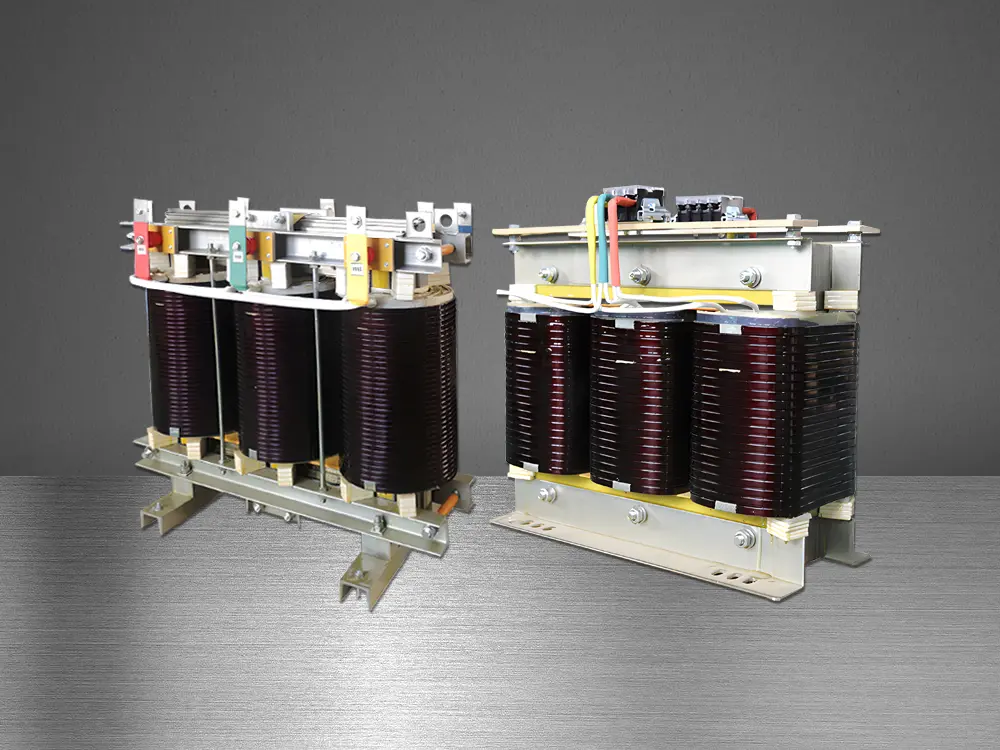 Three-Phase Isolation Transformer
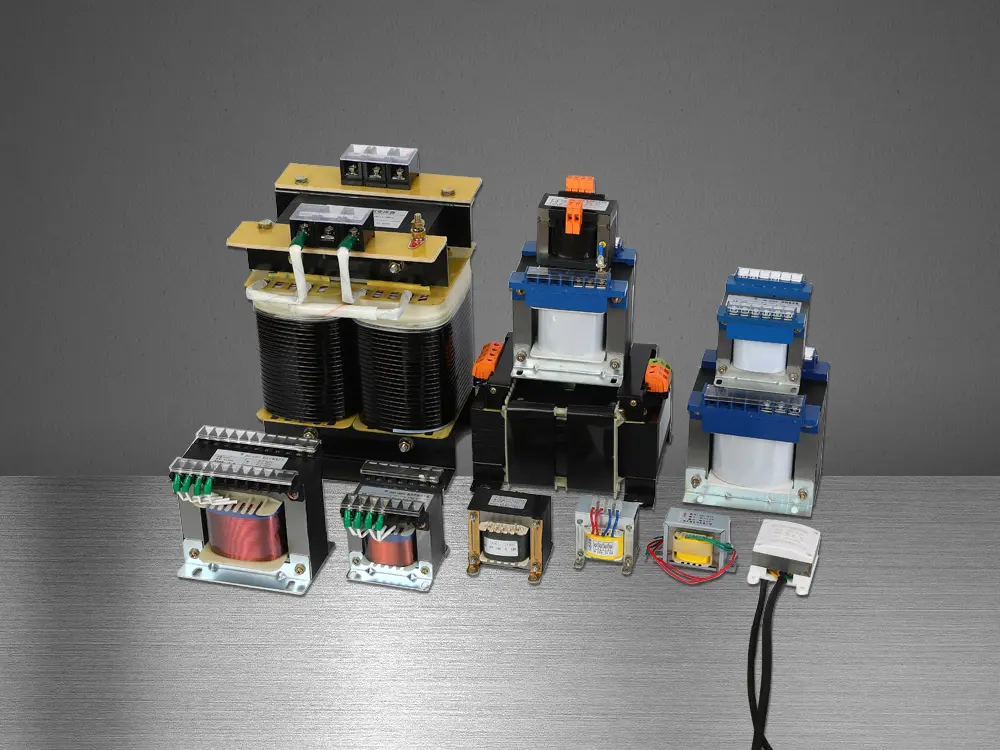 Control Transformer
 Medical IT Isolated Power System
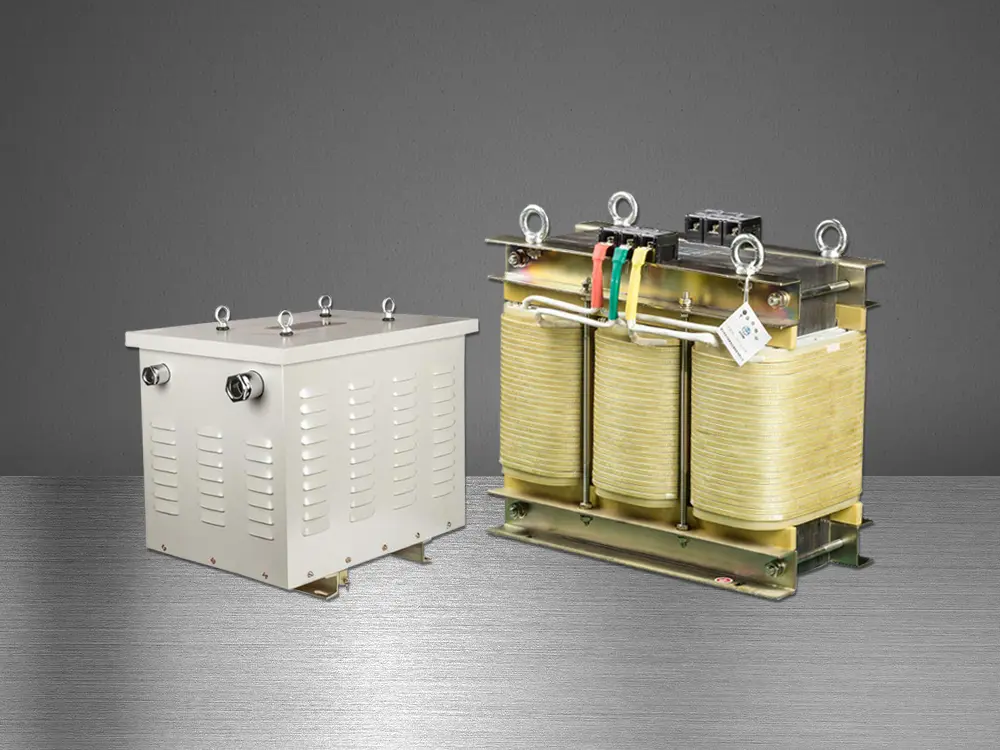 Marine Transformer
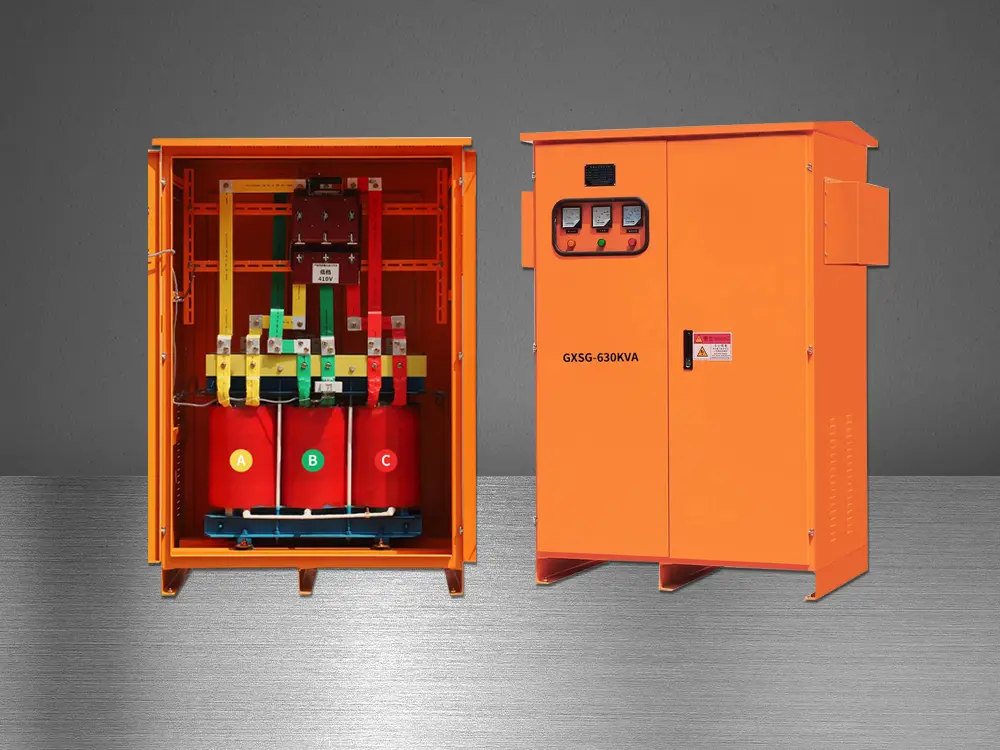 Tunnel Transformer
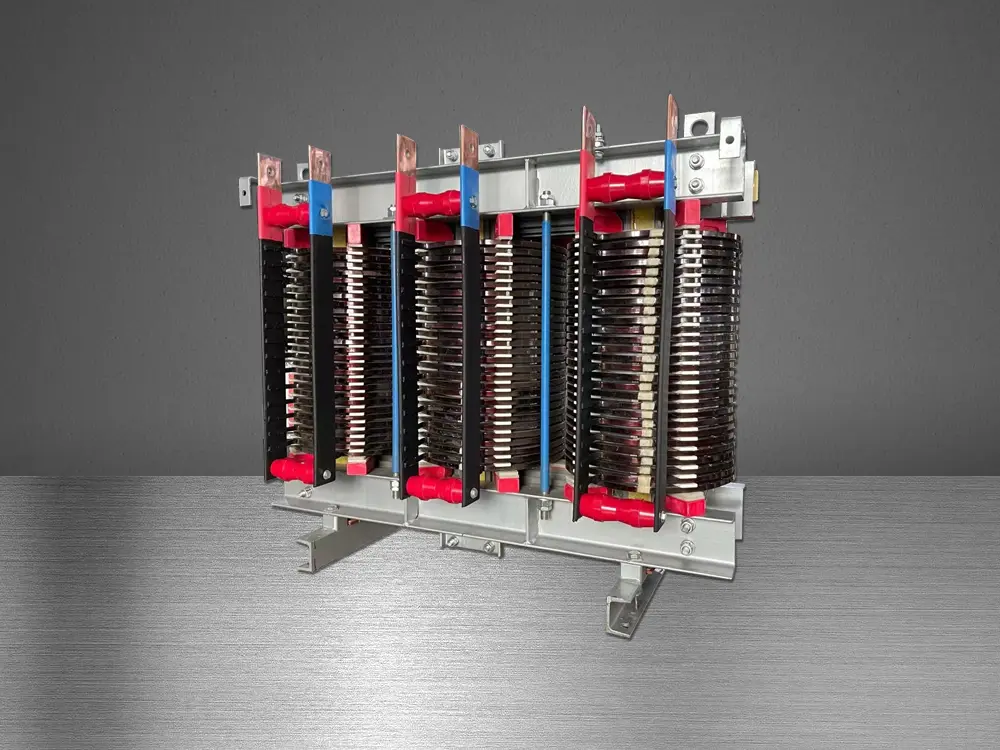 High Current Transformer
 Automatic Voltage Regulator
 Oil Immersed Voltage Regulator