Safe Power Systems for Global Buyers Which Solutions Work Best
In today's evolving energy landscape, the demand for Safe Power Systems has surged. A report by the International Energy Agency indicates that renewable energy sources could account for 80% of global electricity by 2030. However, with this transition, ensuring system safety remains paramount. Incidents related to power failures highlight the vulnerability of traditional systems.
Emerging technologies, such as smart grids and energy storage, promise enhanced reliability and efficiency. A recent survey revealed that 70% of companies are investing in these innovations. Yet, the effectiveness of Safe Power Systems largely depends on their integration and management. Many companies still face challenges in adapting existing infrastructures to modern solutions. This gap in expertise can lead to critical oversights, undermining safety measures.
As the market evolves, stakeholders must assess which solutions truly enhance safety and reliability. While advancements offer hope, careful consideration is essential. The balance between innovation and risk management will define the success of Safe Power Systems in achieving their potential.
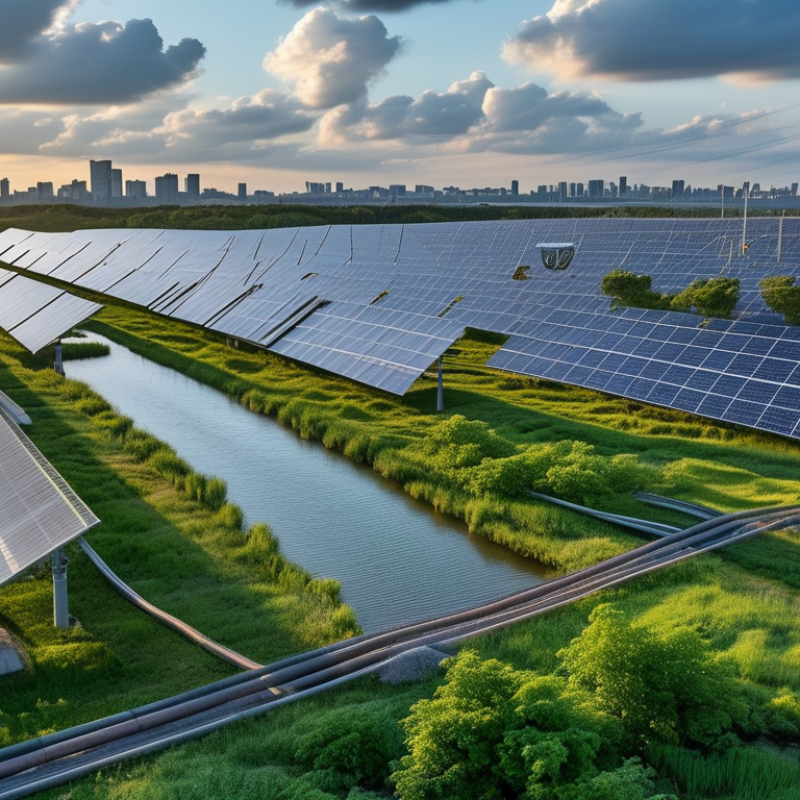
Safe Power Systems Overview: Understanding Key Components and Technologies
Safe power systems are crucial for global buyers. Understanding key components and technologies helps in making informed decisions. A robust power system enhances reliability and safety in various applications.
One essential component is the power distribution network. According to the International Energy Agency (IEA), energy losses in transmission lines can reach up to 10%. Investing in high-quality transformers and conductors can significantly reduce these losses. Additionally, integrating smart grid technologies can improve efficiency. Smart grids provide real-time monitoring and control. This technology allows for prompt responses to outages, enhancing system reliability.
Another important technology is energy storage. The demand for battery storage solutions is on the rise. BloombergNEF reports that by 2030, battery storage capacity could increase by over 500%. However, challenges remain in sustainability and recycling of battery materials. It's vital to consider the environmental impact as the industry expands. Addressing these issues can lead to more sustainable power systems. Innovation and research in this area are necessary to find effective solutions that minimize waste and resource depletion.
Safe Power Systems Overview: Understanding Key Components and Technologies
| Component/Technology |
Description |
Benefits |
Efficiencies |
| Solar Panels |
Photovoltaic cells that convert sunlight into electricity. |
Renewable energy source, low emissions, reduction in electricity bills. |
15-20% conversion efficiency. |
| Wind Turbines |
Devices that convert wind energy into mechanical power. |
Clean energy, scalable, reduces fossil fuel dependence. |
30-45% capacity factor. |
| Energy Storage Systems |
Technologies that store energy for later use, including batteries. |
Load balancing, improved grid reliability, stabilization. |
Up to 90% round-trip efficiency. |
| Smart Grids |
Electrical grids enhanced with digital communication technologies. |
Improved efficiency, reliability, and integration of renewable energy sources. |
Increased energy efficiency of up to 20%. |
| Microgrids |
Localized grids that can disconnect from the traditional grid. |
Energy independence, resilience, and efficient local generation. |
Varies, dependent on input sources (renewable). |
Evaluating Renewable Energy Solutions: Solar, Wind, and Hydro Power Statistics
Evaluating renewable energy solutions is crucial for global buyers looking for safe power systems.
Solar energy continues to gain momentum. In 2023, solar installations reached an impressive 340 gigawatts (GW) worldwide, according to the International Energy Agency. This strong growth highlights solar’s cost-effectiveness and technological advancements. However, solar energy is only reliable with ample sunlight. Regions with inconsistent sunlight may face challenges.
Wind power is another promising option. By 2023, global wind capacity has exceeded 900 GW, reported by the Global Wind Energy Council. Wind farms installed onshore are becoming cheaper. However, offshore projects often require higher initial investment. Site selection plays a crucial role. The environmental impact and aesthetics can also lead to community resistance.
Hydropower remains a significant player in the renewable sector. It accounts for about 16% of global electricity output. Yet, large projects can disrupt local ecosystems. In some cases, this has led to severe water quality issues. Small-scale hydropower offers an alternative but may lack the scalability of larger projects. Not all methods are perfect; each has pros and cons. Understanding these issues is vital for making informed decisions.
Comparative Analysis of Energy Storage Systems: Batteries and Alternatives
The demand for reliable energy storage systems continues to rise as global energy needs evolve. Among various solutions, batteries dominate the market due to their efficiency and scalability. They provide immediate power, are easy to integrate, and support renewable energy sources like solar and wind. However, batteries have limitations. Their high manufacturing costs and environmental concerns, particularly regarding lithium extraction, create challenges.
Alternatives such as flywheels and compressed air systems offer unique advantages. Flywheels can deliver short bursts of energy quickly, but they often fall short in long-term storage. Compressed air systems, on the other hand, are well-suited for large-scale applications. They store energy in massive reservoirs but require significant infrastructure investments. Both options usually lack the widespread availability of traditional batteries.
The choice of an energy storage system heavily depends on individual needs and applications. Evaluating specific use cases is vital. Transitions from established systems to innovative solutions can be complex. Each technology has pros and cons, and the landscape is shifting. Continuous research and development are essential to address gaps and improve the efficiency of these technologies. Making informed decisions ensures a better energy future.
Grid Security Measures: Protecting Power Systems from Cyber Threats
Cyber threats pose significant risks to power systems globally. As reliance on digital infrastructure increases, the vulnerability of power grids intensifies. A recent report by the International Energy Agency revealed that over 30% of utilities have experienced cybersecurity incidents in the last year. This alarming statistic underscores the urgent need for robust grid security measures.
Protecting these systems requires a multi-layered approach. Implementing advanced encryption protocols can secure communication between devices. Regular software updates serve as a critical defense against known vulnerabilities. Additionally, conducting penetration tests helps in identifying weaknesses before attackers can exploit them. A workforce trained in cybersecurity best practices is essential; human error remains a notable risk factor.
While many organizations invest in technology, some still overlook the importance of physical security measures. Disabling unauthorized access to critical infrastructure is paramount. Furthermore, incident response plans must be tested regularly. A 2022 study found that organizations without these plans faced recovery delays of up to 60%. Addressing both digital and physical security aspects is vital for building resilient power systems.
Grid Security Measures: Protecting Power Systems from Cyber Threats
Future Trends in Safe Power Systems: Innovations and Market Predictions
The landscape of safe power systems is evolving rapidly. Innovations in technology aim to enhance safety and efficiency. Battery storage is becoming a key player, allowing for reliable power during outages. These systems can adapt to various energy sources, reducing dependence on fossil fuels.
Market predictions indicate a growing demand for smart grids. These grids employ real-time data to optimize energy distribution. This not only improves safety but also minimizes waste. However, the integration of these systems presents challenges. Infrastructure needs significant investment, and cybersecurity risks are a concern.
As consumers become more environmentally conscious, the market is shifting. Renewable energy sources are in high demand. Future trends show a strong push for sustainable solutions. Yet, there are questions around production and disposal. Reflecting on these issues is essential for moving forward effectively. The journey toward safe power systems is complex, but innovation offers a path forward.

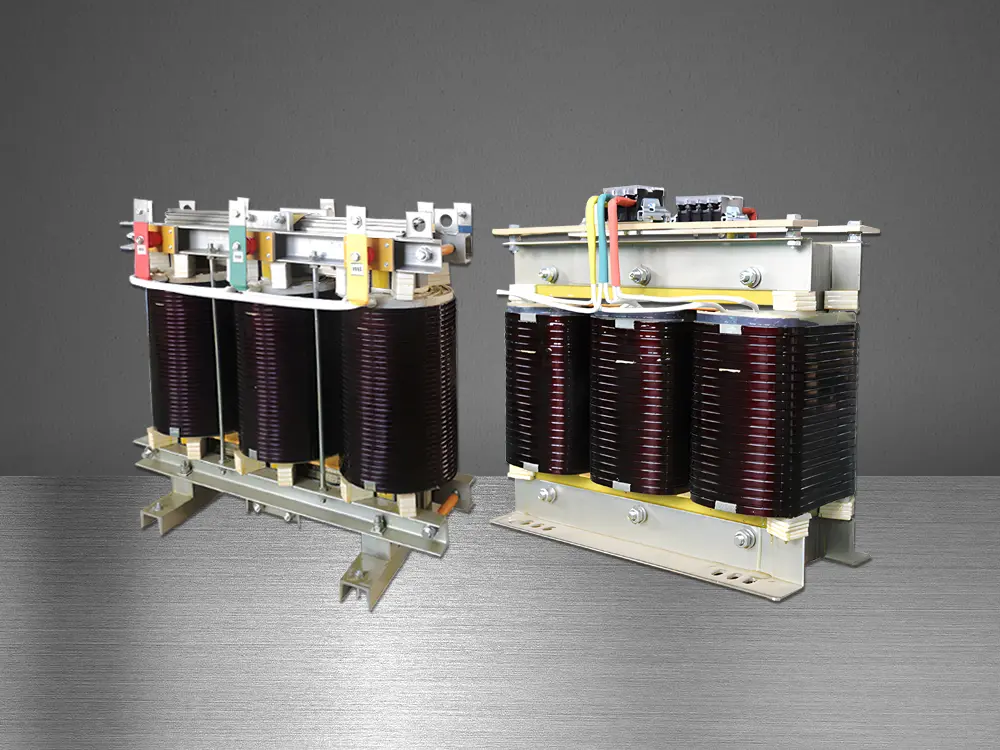 Three-Phase Isolation Transformer
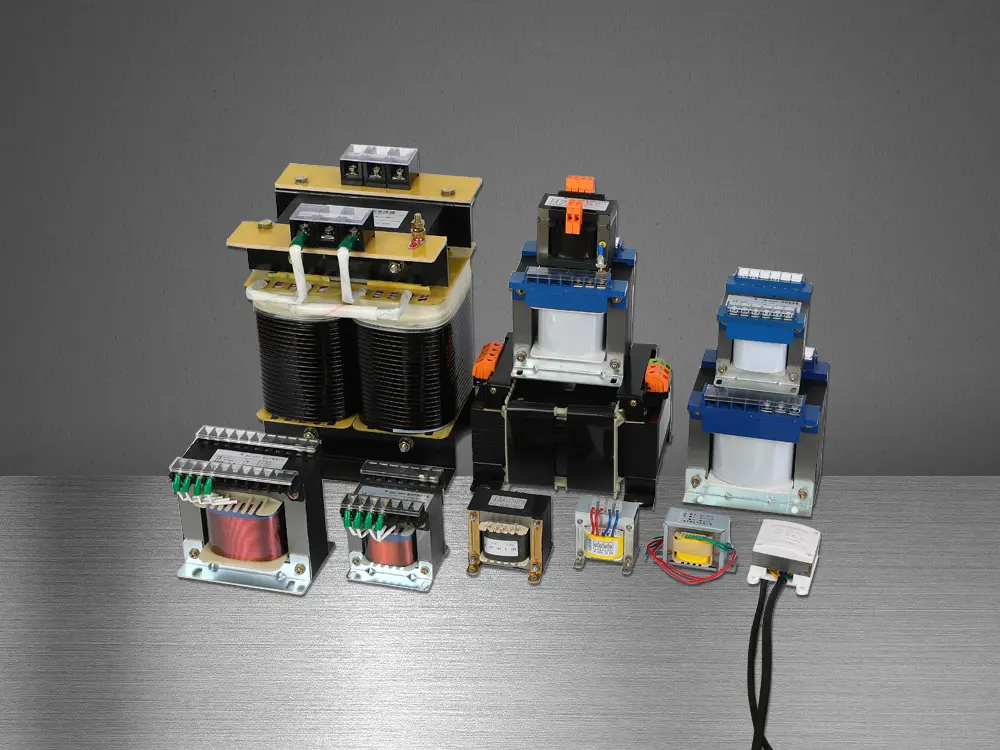 Control Transformer
 Medical IT Isolated Power System
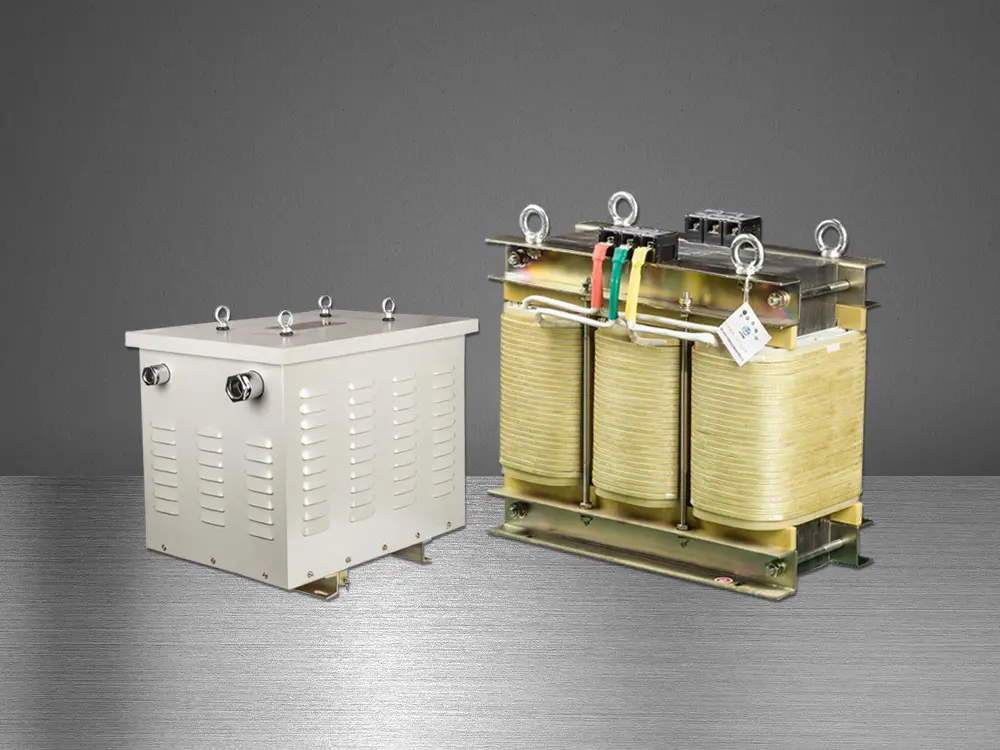 Marine Transformer
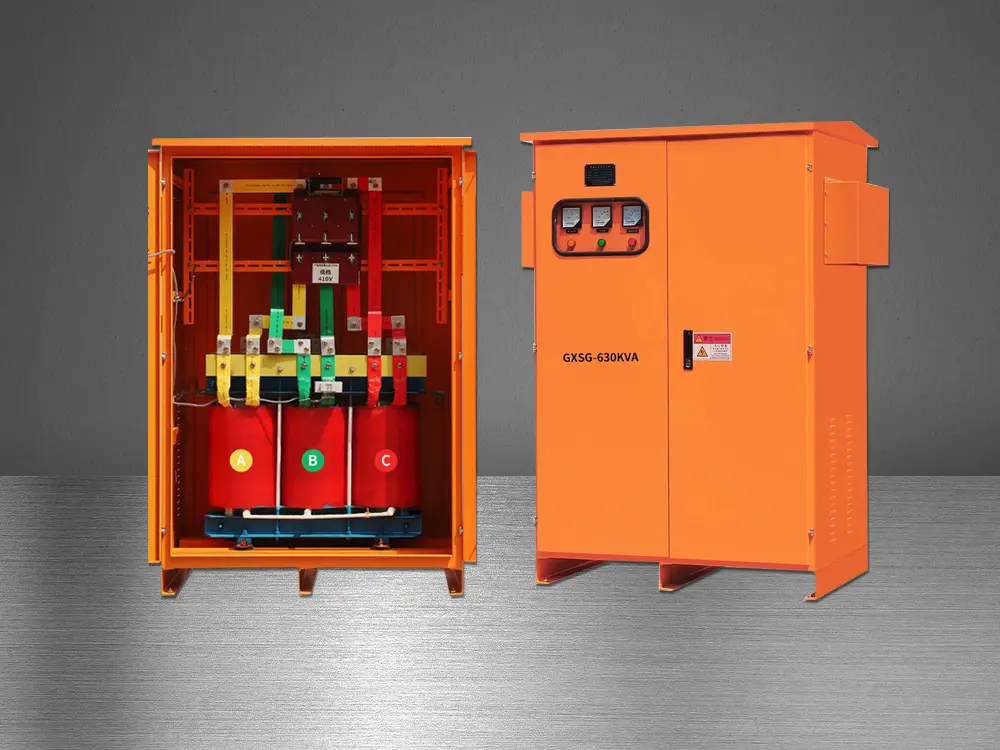 Tunnel Transformer
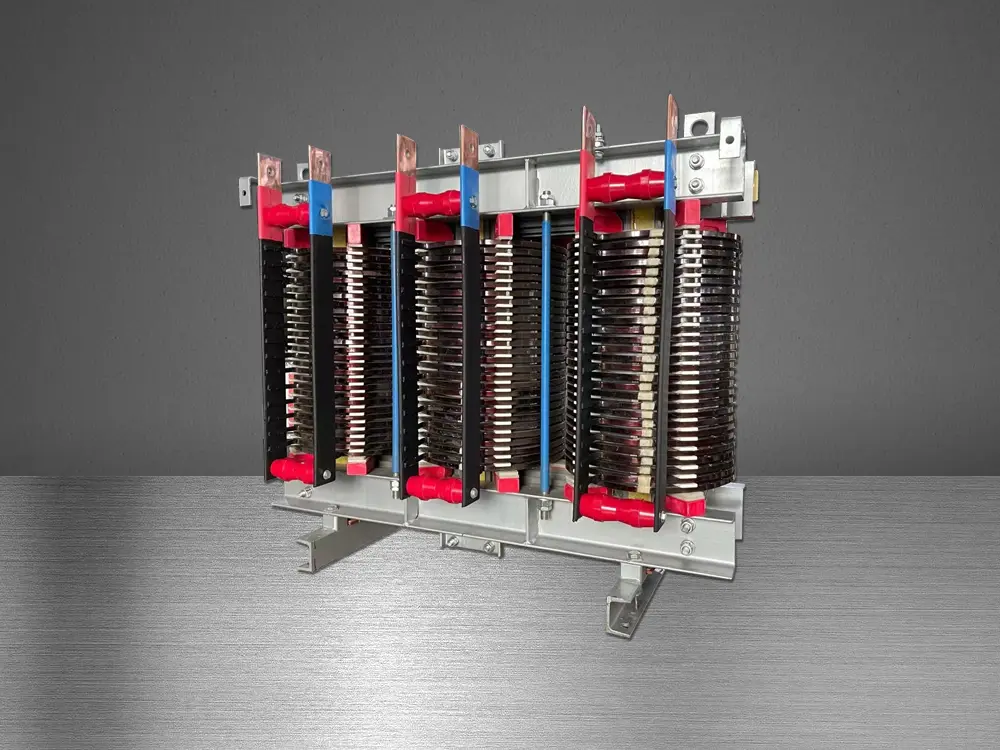 High Current Transformer
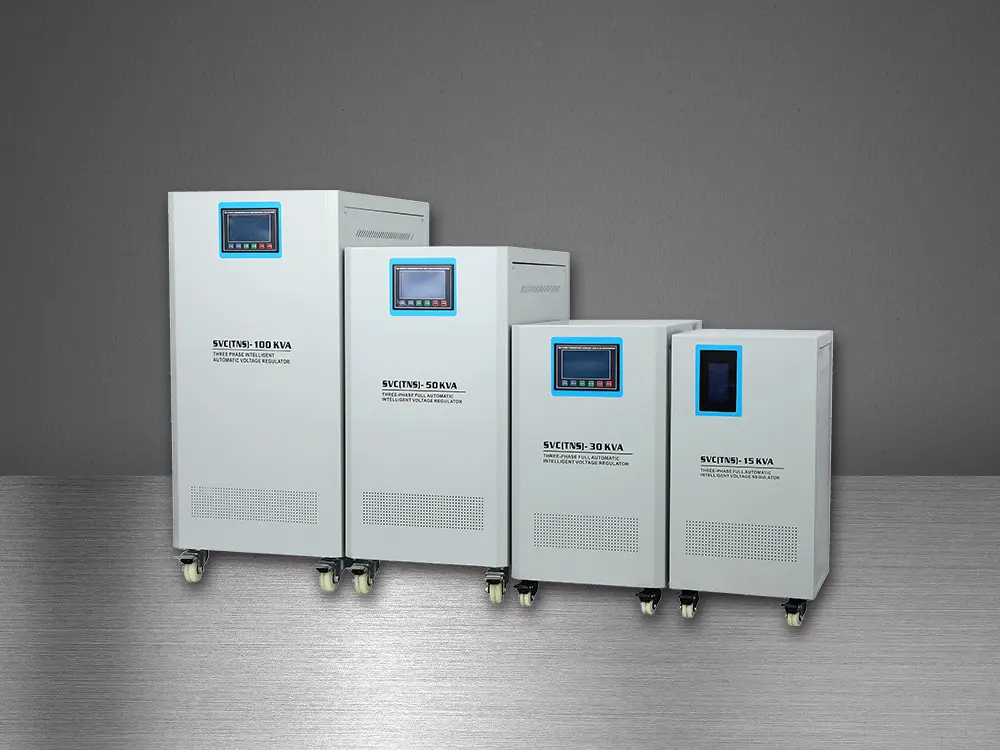 Automatic Voltage Regulator
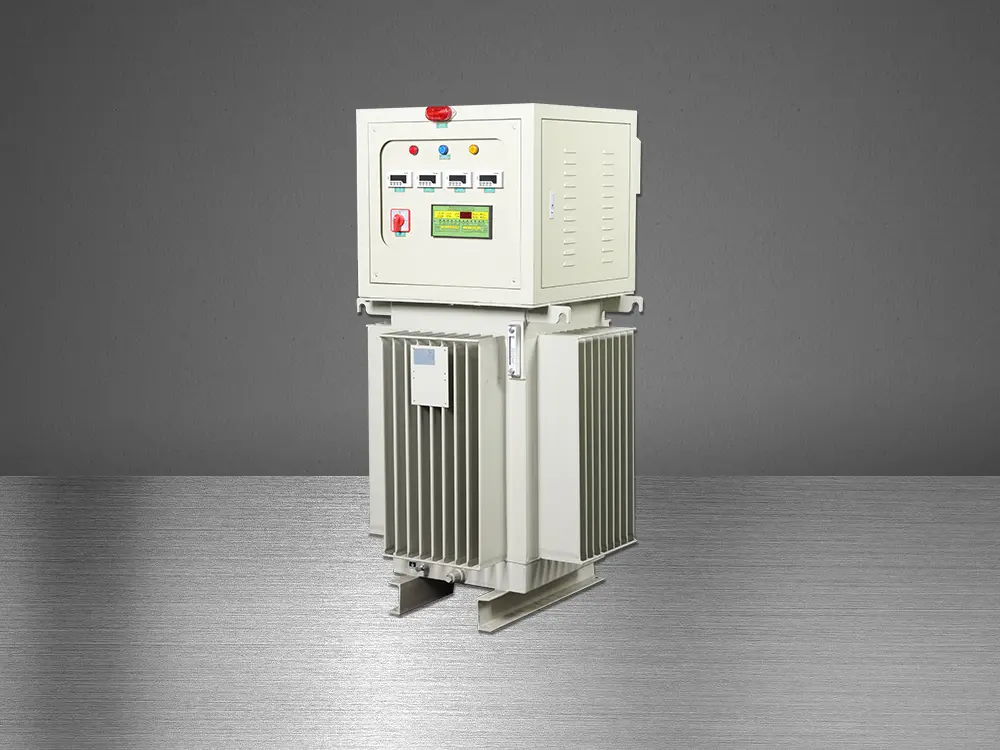 Oil Immersed Voltage Regulator