Top 10 Marine Isolation Transformers for Global Buyers
Global marine electrification is expanding as vessels demand safer, cleaner, and more dependable onboard power. UNCTAD’s Review of Maritime Transport 2023 reported approximately 12.3 billion tons of seaborne trade in 2023. That scale places constant pressure on ship electrical systems, including transformers used in ports, ferries, offshore platforms, and commercial vessels.
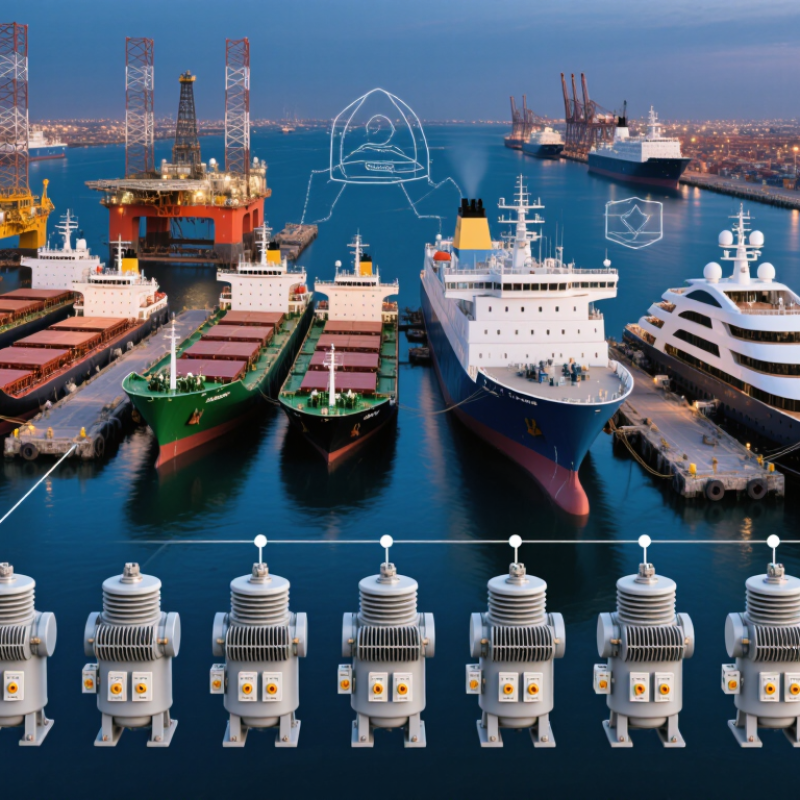
A Marine Isolation Transformer separates shore power from a vessel’s internal network. This separation can reduce galvanic corrosion, limit electrical noise, and improve protection against certain shore-side faults. The practical effect is easy to picture: a steel-hulled yacht connects at a crowded marina, where unstable dock power may otherwise reach sensitive navigation equipment. IEC 60092-504 provides guidance for special features of shipboard electrical installations, while classification societies such as DNV and ABS assess equipment against demanding marine conditions.
The need is not only technical. The International Maritime Organization’s Fourth IMO GHG Study 2020 estimated shipping produced 2.89% of global anthropogenic carbon dioxide emissions in 2018. More efficient electrical systems can support broader efficiency goals, although a transformer alone cannot decarbonize a vessel. That point is sometimes overstated.
This guide examines the top 10 Marine Isolation Transformer options for global buyers. Selection criteria include voltage compatibility, frequency, insulation performance, enclosure protection, thermal management, certification, service support, and total ownership cost. No ranking is perfect. Vessel layouts, flag requirements, and operating environments differ considerably. Buyers should verify every specification with qualified marine electricians, the vessel’s classification society, and the manufacturer before installation.
What Marine Isolation Transformers Are and Why They Matter
Marine isolation transformers separate shore power from a vessel’s onboard electrical system through galvanic isolation. They transfer energy magnetically, without a direct conductive path. This reduces stray-current risks and helps limit galvanic corrosion around underwater metals.
The principle is simple. The application is not. Salt spray, vibration, heat, and unstable dock supplies can expose weak designs quickly. A suitable unit should match voltage, frequency, continuous load, enclosure rating, ventilation, and installation space. IEC 60092-302 addresses transformers used in marine electrical installations, while IEC 60092-504 covers special features, including protection and environmental conditions.
Why does this matter to global buyers? UNCTAD’s Review of Maritime Transport 2024 reports that ships carry over 80% of world merchandise trade by volume. Electrical interruptions can therefore affect cargo handling, refrigeration, navigation support, and crew safety. The IMO’s Fourth Greenhouse Gas Study estimates shipping produced about 2.89% of global carbon dioxide emissions in 2018. Efficient, dependable shore-power connections can support cleaner port operations, although transformers alone cannot deliver decarbonization.
When comparing the Top 10 Marine Isolation Transformers, buyers should inspect tested efficiency, thermal protection, short-circuit tolerance, corrosion-resistant construction, and service access. Installation records matter too. A quiet transformer is not automatically a safe one. Poor bonding or incorrect neutral handling can still create hazards. Rankings can mislead when they ignore vessel type and local grid conditions. That is the part many purchasing guides overlook.
Top 10 Marine Isolation Transformer Ratings for Global Buyers
Marine isolation transformers transfer electrical power between separate circuits while maintaining galvanic isolation. This helps reduce shock risk, limit earth-fault propagation, and improve power quality for shipboard systems. The chart shows ten commonly specified commercial ratings, from small control and service loads to larger auxiliary distribution applications.
Ratings shown are standard commercial kVA steps commonly used in marine electrical design. Final selection should be verified against the vessel load study, starting current, input/output voltage, frequency, enclosure protection, cooling method, and applicable IEC 60092 or class-society requirements.
Top 10 Marine Isolation Transformers for Global Buyers
Top 10 Marine Isolation Transformers for Global Buyers
Choosing among the top 10 marine isolation transformers requires more than comparing prices. A suitable unit separates shore power from onboard circuits and can reduce galvanic corrosion risks. Check the required voltage, frequency, kVA rating, and available connection options. A 50 Hz vessel may not suit a 60 Hz model. Small mismatches create expensive problems.
Marine conditions are unforgiving. Salt air, engine vibration, and restricted ventilation can shorten transformer life. Look for corrosion-resistant enclosures, strong mounting points, low audible noise, and clear thermal protection. Review efficiency data and inrush current before installation. Ask for routine test reports, wiring diagrams, insulation details, and certification for the destination market. Requirements differ across regions, so local electrical professionals should confirm compliance. A perfect shortlist is impossible. Vessel design always matters.
Tips: Leave space around the transformer for cooling and inspection. Confirm whether the shore inlet, transformer, and distribution board share compatible ratings. Inspect terminals after the first operating season, especially in humid marinas. Do not rely only on catalogue weight or a high efficiency figure. Real performance depends on loading, ventilation, and installation quality. I have seen technically strong equipment perform poorly when mounted against a damp bulkhead. That detail is easy to miss.
How to Choose the Right Transformer for Your Vessel
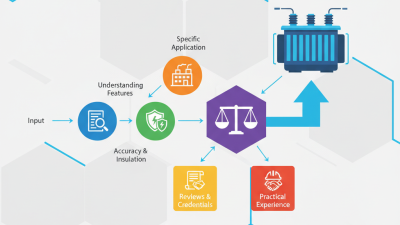
Choosing among the top 10 marine isolation transformers begins with your vessel’s actual electrical profile. Confirm the shore-power voltage, onboard voltage, frequency, and required kVA. A transformer that fits the voltage may still fail under motor starting loads. Leave practical capacity for pumps, chargers, navigation systems, and future upgrades. Galvanic isolation can reduce corrosion risks and improve onboard safety, but only when grounding is engineered correctly. Select a marine-rated enclosure with suitable IP protection, corrosion-resistant materials, and effective ventilation. Compliance with applicable IEC 60092, class, and flag requirements should be verified before purchase.
Tips: Record the vessel’s peak load, not only its average load. Check inrush current from compressors and thrusters. Compare copper losses, noise, heat output, and service access. A larger transformer is not automatically safer. It may waste space and energy.
Installation details often decide long-term reliability. Mount the unit away from bilge water, excessive vibration, and engine-room heat. Use flexible connections where movement is expected, while maintaining secure cable support. Ask for factory test records, insulation data, temperature-rise limits, and clear wiring diagrams. During inspection, look for loose terminals, salt deposits, unusual humming, or rising surface temperature. Small warning signs matter. I would also question optimistic load estimates, because real vessels rarely operate exactly as spreadsheets predict. Allowing measurable reserve is sensible, but excessive oversizing deserves a second review.

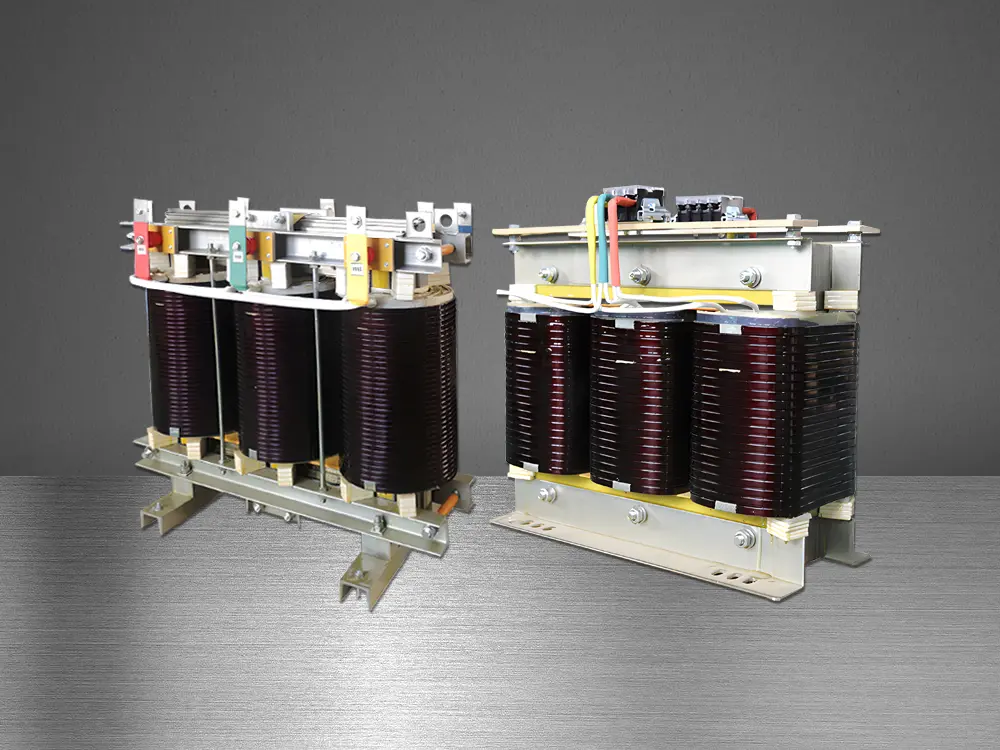 Three-Phase Isolation Transformer
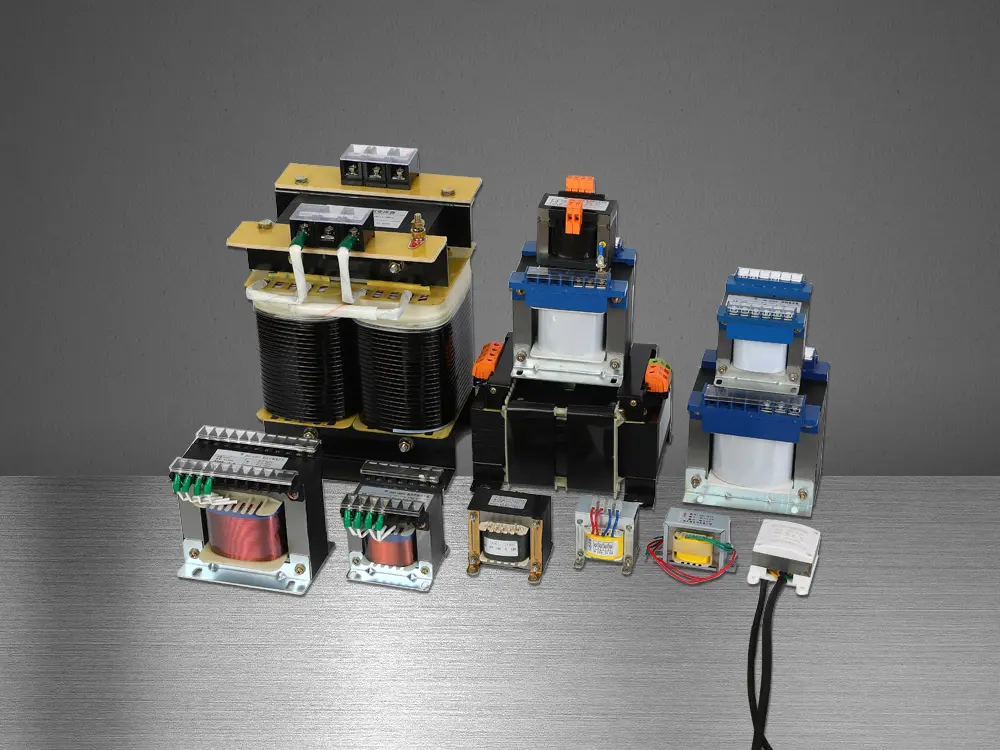 Control Transformer
 Medical IT Isolated Power System
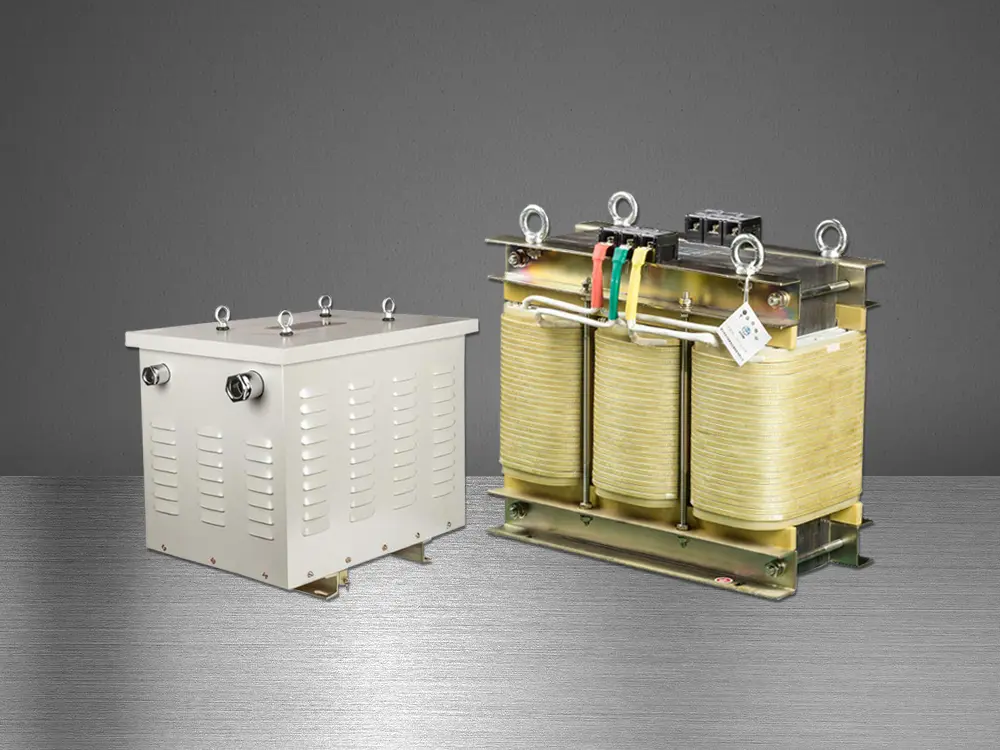 Marine Transformer
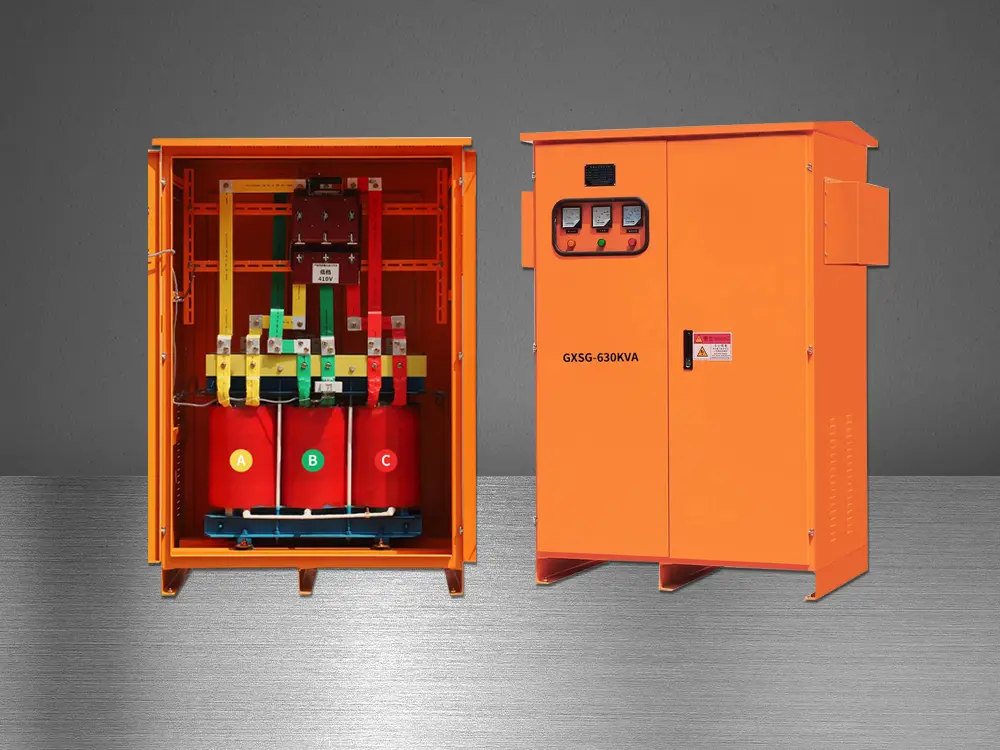 Tunnel Transformer
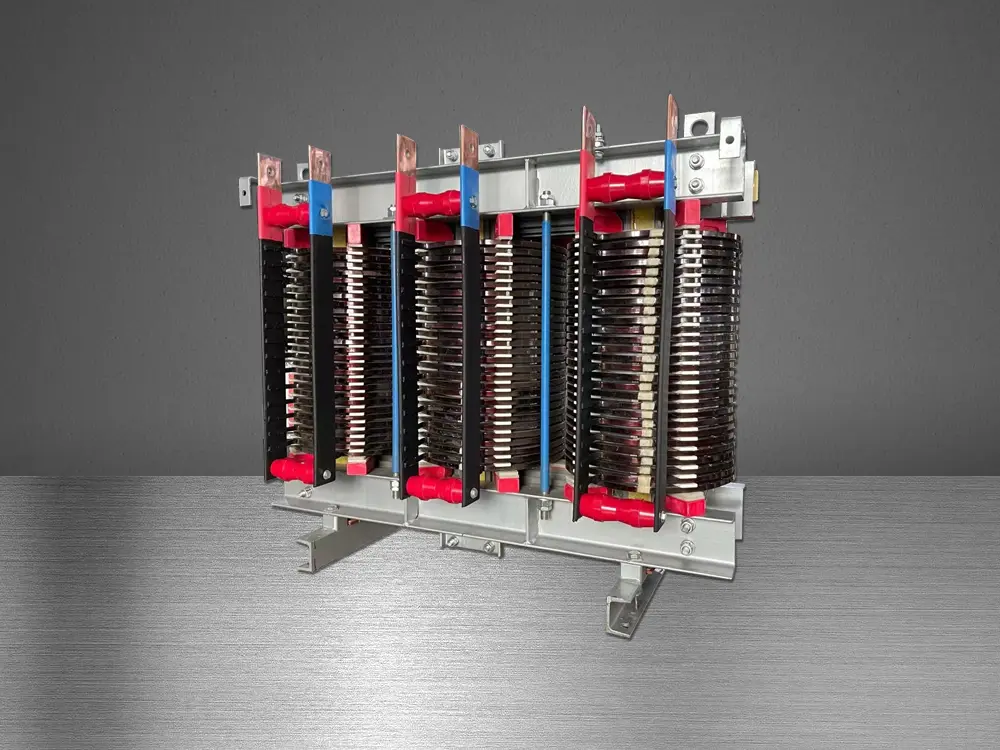 High Current Transformer
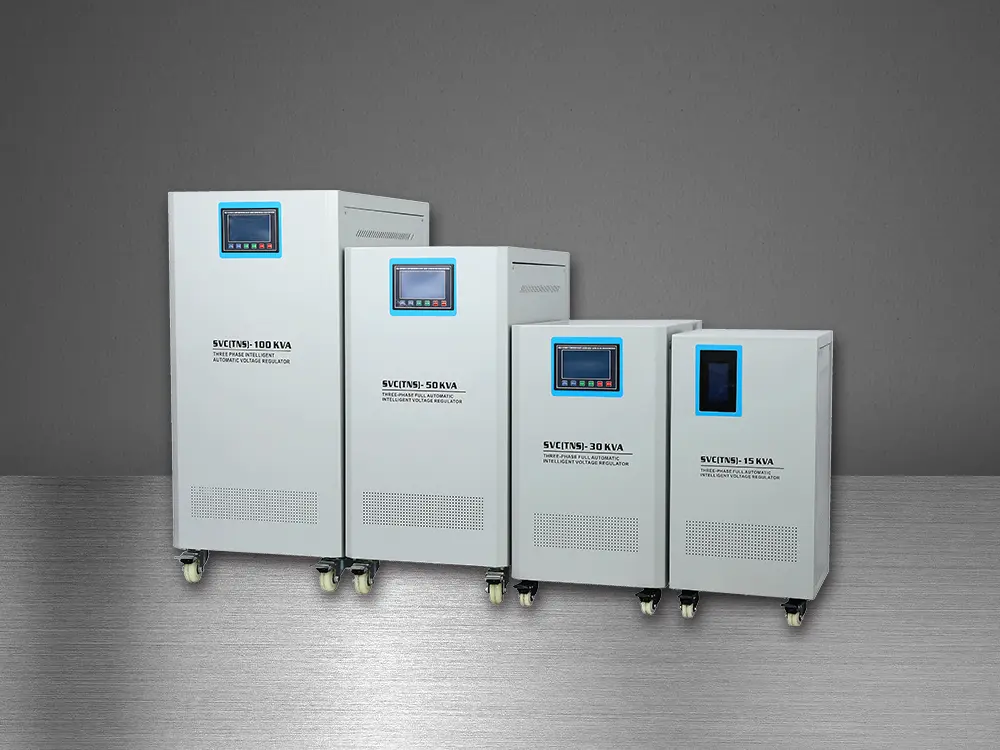 Automatic Voltage Regulator
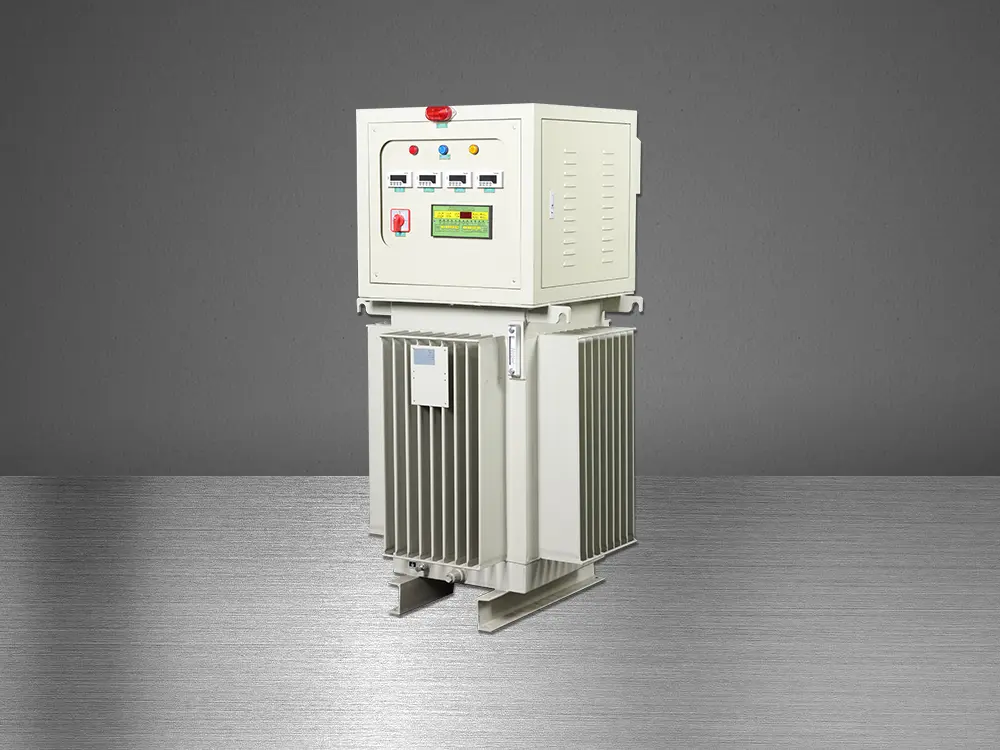 Oil Immersed Voltage Regulator