Leave Your Message

China Top Universal Automatic Voltage Stabilizer Suppliers

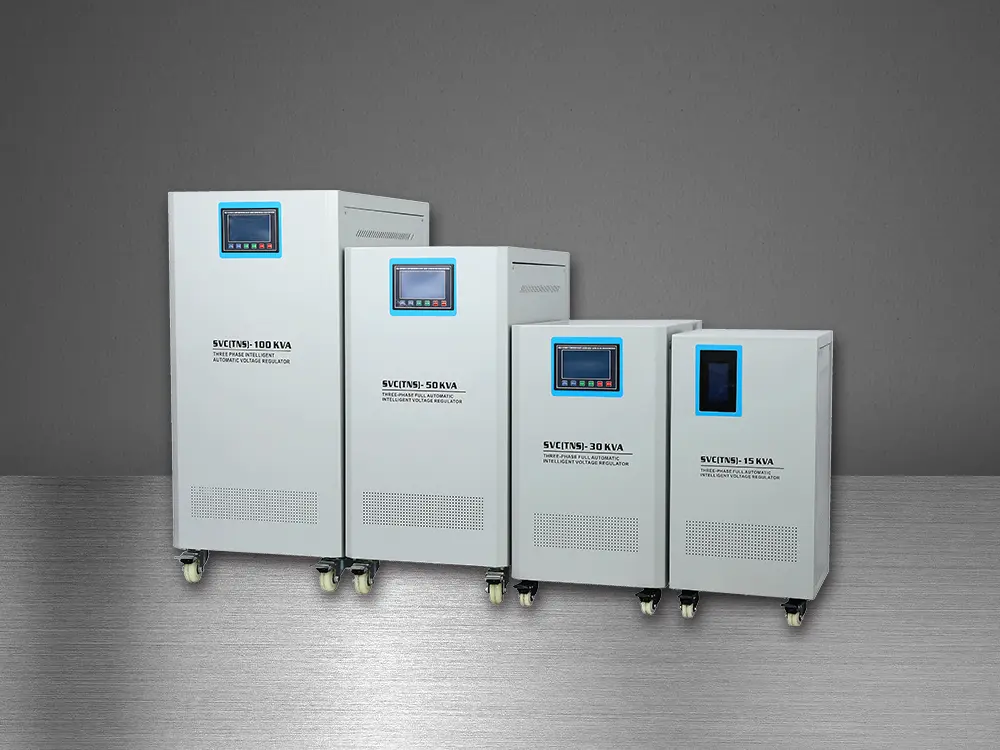
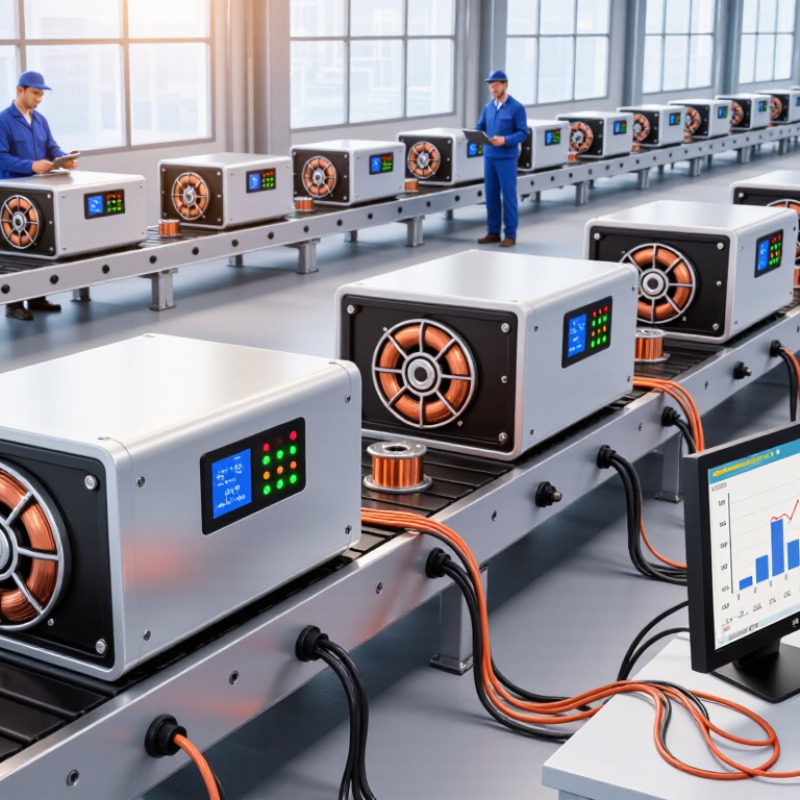
Choosing among China’s top Universal Automatic Voltage Stabilizer suppliers takes more than comparing prices. A factory floor may show polished cabinets, copper coils, and bright control panels. The real test is how equipment performs when supply voltage shifts and connected loads change. Buyers should examine input range, output accuracy, response time, rated capacity, protection features, and test documentation.

Power-quality author Dr. Alexander Kusko’s engineering approach can be fairly paraphrased this way: “Judge voltage regulation by measured performance under real load, not by a product label.” This is a paraphrase, not a verbatim quotation. It points to a useful question for supplier discussions: can the manufacturer provide clear test conditions and explain how the stabilizer behaves with your equipment? A specification sheet alone may not answer that.

This guide introduces suppliers and practical checks for evaluating their products. It considers manufacturing capability, customization, quality control, communication, and after-sales support. Ask for the model’s operating limits, wiring requirements, and maintenance guidance. Check whether stated performance matches your site’s voltage conditions and load profile. Small details matter. A stabilizer selected without those checks may disappoint, even when its brochure looks convincing. Supplier claims deserve verification, and independent technical review can help where the application is critical.
China Top Universal Automatic Voltage Stabilizer Suppliers

Understanding Universal Automatic Voltage Stabilizers

China Top Universal Automatic Voltage Stabilizer Suppliers

Understanding Universal Automatic Voltage Stabilizers

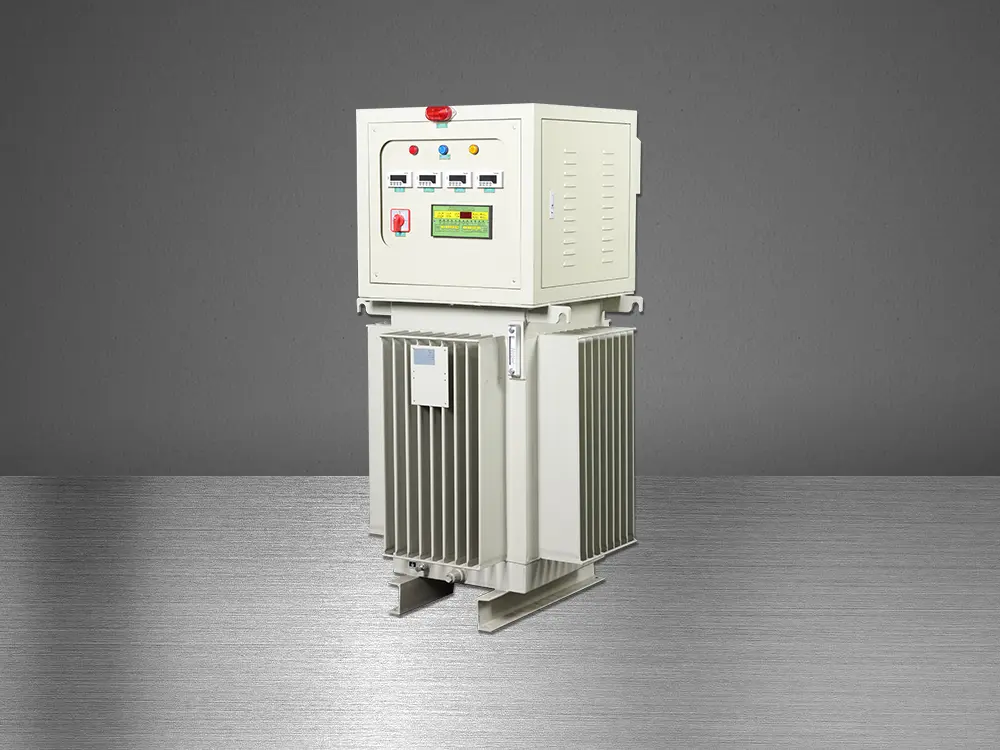
A universal automatic voltage stabilizer senses changes in incoming voltage and adjusts its output to protect connected equipment. Depending on its design, it may use a servo motor, relays, or solid-state switching with a transformer. “Universal” can be misleading: input range, rated capacity, correction speed, and output accuracy vary by model. Match these values to the actual load, such as a refrigerator compressor or a control cabinet, rather than relying on the label alone. Also check frequency compatibility and whether the unit can handle brief startup surges.

Voltage disturbances can have real costs. EPRI’s 2001 report, The Cost of Power Disturbances to Industrial and Digital Economy Companies, estimated annual U.S. losses of $119–188 billion. This is an older, broad estimate—not a stabilizer-specific saving. For technical context, IEC 61000-4-11:2020 includes test cases such as a voltage dip to 40% of nominal for 10 or 12 cycles. Such tests help describe equipment immunity; they do not guarantee that a stabilizer will correct every disturbance.

Tips: Compare the stabilizer’s stated input range with measured site voltage. Leave capacity headroom for motor loads. Check the response time and overload protection, too. A small detail, but easy to miss. After installation, record input and output readings under normal load; real conditions may expose limits that a datasheet cannot show.
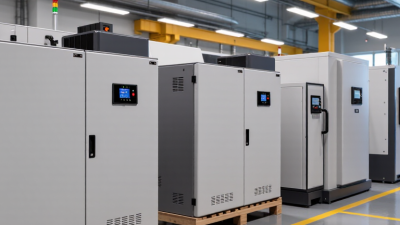
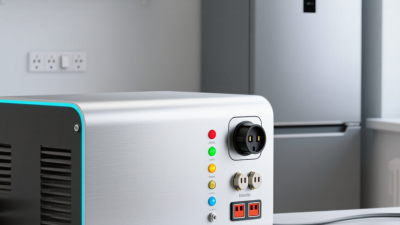
How Universal Automatic Voltage Stabilizers Regulate Power

A universal automatic voltage stabilizer monitors incoming voltage and compares it with a set output range. When supply voltage drops, its control circuit signals the transformer to raise the output. When voltage rises, it lowers it. Many models use relay switching, a motor-driven servo, or electronic controls; their correction speed and precision can differ. You may hear a relay click as it changes taps. That small sound is normal for some designs, but repeated switching can indicate unstable supply or an unsuitable unit.

Tips: Check the stabilizer’s input range, rated load, and response time against your equipment. Leave room for starting surges from motors or compressors. A stabilizer is not a cure-all.

Voltage correction takes time, and no unit can compensate beyond its rated limits. For example, a deep voltage dip may leave output below target until the input recovers. Keep ventilation openings clear, and avoid loading the unit continuously at its maximum rating. It is also worth checking output voltage under real operating conditions, not just while the stabilizer sits idle. These details are easy to overlook. They matter.

China’s Voltage Stabilizer Supplier Landscape

China’s voltage stabilizer supplier landscape is broad, but not uniform. Some firms focus on standard units for workshops and small commercial sites. Others build to custom capacity or three-phase requirements. That difference matters. An online catalog can look complete while leaving key operating limits unclear.

When comparing suppliers, request the rated capacity, input-voltage range, regulation accuracy, response behavior, and permitted load type in writing. Ask for test records under load, not only an unloaded demonstration. For a factory line, check motor starting current and harmonic conditions. For a shop, inspect ventilation, wiring terminals, and noise. Small details matter. Photos help, but they cannot replace a site-specific review.

Supplier capability also depends on more than assembly. Clarify component sourcing, routine quality checks, documentation, warranty scope, spare-part availability, and commissioning support before placing an order. Regional distributors and direct manufacturers may offer different response times, so confirm who handles troubleshooting. Ask for technical contacts and expected service windows. Some gaps remain. A low price may be attractive, yet a stabilizer chosen without accurate load data can become an expensive mismatch.

How to Evaluate Chinese Stabilizer Suppliers and Products

China Top Universal Automatic Voltage Stabilizer Suppliers

How to Evaluate Chinese Stabilizer Suppliers and Products

A supplier’s “universal” label is not a performance guarantee. Start with the site conditions: nominal voltage, phase configuration, load in kVA, motor-starting current, and expected input-voltage range. Match these against the stabilizer’s published limits. Check output accuracy, correction speed, overload capacity, bypass design, cooling method, and protection against overtemperature. Ask for test records showing performance under changing input voltage and realistic loads, not just an unloaded bench test. During a factory acceptance test, watch the output meter as a motor starts and note any unusual noise or excessive heat. Numbers need context.

The IEA’s 2023 Electricity Grids and Secure Energy Transitions report says annual grid investment must exceed US$600 billion by 2030 to meet future needs. This is not a stabilizer market forecast, but it highlights why buyers should assess local supply conditions rather than assume stable input power.

Request component specifications, inspection records, and a clear warranty process. Confirm that the supplier can explain how it verifies claimed efficiency and output accuracy. A polished catalogue is useful, but it cannot replace traceable test data. Some specifications still leave room for interpretation; ask the supplier to define test conditions in writing before comparing quotations.

Applications, Certifications, and Purchasing Considerations

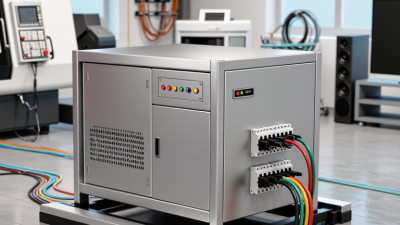
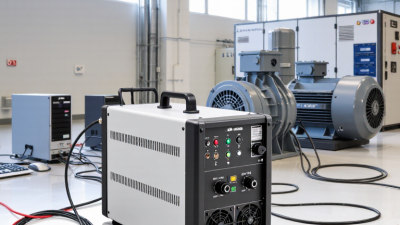
Universal automatic voltage stabilizers help protect equipment when incoming power fluctuates. In workshops, they can support CNC controls, compressors, and test instruments. Commercial buildings may use them for lifts, lighting, or server rooms. A clinic may need stable power for diagnostic devices, subject to each device’s own electrical requirements. Match the stabilizer to the actual load, not just the room. Not every load behaves alike.

When assessing China-based suppliers, ask for documented operating ranges, output accuracy, response time, phase options, and overload performance. Certifications should fit the destination market and the product’s intended use. Request copies of relevant safety and electromagnetic compatibility certificates, then confirm the issuing body, model number, and certification scope. A logo alone proves little. Factory test records and component traceability also help buyers judge quality beyond a sales brochure.

Purchasing decisions should account for rated capacity, inrush current, ambient temperature, enclosure rating, installation space, and maintenance access. Ask whether the quoted capacity allows reasonable headroom for future loads. Have the supplier explain commissioning steps and provide wiring diagrams in clear English. Compare warranty terms, spare-part availability, and response times for technical support. Specifications can look tidy on paper; site conditions rarely are. A short load survey before ordering may prevent an expensive mismatch.

China Top Universal Automatic Voltage Stabilizer Suppliers - Applications, Certifications, and Purchasing Considerations

Evaluation Dimension Application or Requirement Typical Technical Considerations Documents or Evidence to Request Purchasing Check
Residential and commercial equipment Refrigerators, air conditioners, office equipment, and other compatible loads in areas with fluctuating mains voltage. Confirm the actual input-voltage range, nominal output voltage, output tolerance, frequency, and whether the load has a motor or compressor. Required capacity depends on load input current and starting demand. Product datasheet, wiring diagram, rated capacity, input/output limits, and operating-temperature information. Allow for motor starting current and check whether the manufacturer specifies a derating requirement at low input voltage.
Industrial machinery and control systems Control panels, production equipment, and other machinery whose specified supply voltage must remain within the equipment manufacturer’s limits. Check single-phase or three-phase configuration, phase balance requirements, load type, response behavior, overload protection, and compatibility with the installation’s earthing system. Electrical schematic, protection details, test reports, installation instructions, and applicable conformity documentation for the destination market. Verify that the stabilizer’s continuous rating covers the full connected load and that its short-circuit and overload protection suit the installation.
Medical and laboratory environments Selected non-life-support laboratory or facility equipment, where permitted by the equipment manufacturer and local requirements. Assess output stability, electrical noise, grounding, leakage-current requirements, and whether an isolation transformer or an uninterruptible power supply is separately required. Electrical safety test reports, EMC information, product specifications, and any market-specific approvals required for the intended equipment and installation. Do not assume a voltage stabilizer provides isolation, backup power, or medical-device compliance; confirm each requirement separately.
Servo-controlled stabilizer Applications that require continuously adjusted output and can accommodate the selected model’s correction speed. Uses a motor-driven variable transformer in many designs. Compare correction range, correction speed, output accuracy, maintenance needs, noise, and response to rapid input changes. Control method description, performance curves or test results, maintenance guidance, and rated-load test data. Request performance figures at stated input and load conditions; do not compare accuracy values without checking how they were measured.
Relay-controlled stabilizer Cost-sensitive applications where stepped output correction is acceptable. Voltage correction is typically achieved in discrete steps. Switching behavior, relay endurance, audible operation, and suitability for sensitive or frequently changing loads should be reviewed. Output-step information, switching specifications, protection features, and product-life or endurance data when available. Confirm that the step size and switching behavior are acceptable for the connected equipment.
Static or electronic stabilizer Applications where fast electronic correction is desired, subject to model-specific capacity and operating limits. Review correction speed, waveform quality, harmonics, cooling method, overload capability, and compatibility with nonlinear loads. Detailed datasheet, waveform or distortion data where relevant, thermal limits, and load-test records. Check performance with the actual load profile, especially for variable-speed drives, switching power supplies, or other nonlinear loads.
Product safety and conformity Export or domestic procurement where electrical safety requirements apply. Applicable requirements depend on product design, rated voltage, intended use, and destination market. IEC 61558-2-13 may be relevant to certain autotransformers; it is not a blanket approval for every stabilizer. Ask for the exact standard edition, test laboratory, report number, product model covered, and any required market-specific declaration or approval. Verify that evidence applies to the exact model and configuration. A CE marking is a conformity marking, not by itself proof of independent third-party certification.
EMC and hazardous-substance requirements Equipment placed on markets with electromagnetic-compatibility or substance-restriction rules. Requirements vary by jurisdiction and product category. EMC testing and RoHS-related documentation may be relevant, but applicability must be determined for the particular product and market. Applicable EMC test reports, declaration of conformity where required, and RoHS material declaration or supporting documentation. Match the documents to the destination country, product model, and current regulatory requirements; do not rely on a generic certificate image.
Supplier quality and production control Supplier qualification and repeat-order consistency. Assess traceability, incoming-material inspection, routine electrical testing, calibration controls, change management, and corrective-action processes. Quality-management-system certificate if available, sample inspection records, routine test format, and factory audit information. ISO 9001 relates to a quality-management system; it does not certify the safety or performance of an individual stabilizer model.
Capacity, service, and total cost Project specification, quotation comparison, and long-term operation. Compare continuous capacity, input-range derating, efficiency, cooling, enclosure rating, warranty terms, spare-parts availability, and service response. Itemized quotation, guaranteed technical specification, warranty conditions, spare-parts list, and commissioning or after-sales support details. Compare quotations against the same voltage, frequency, load, ambient-temperature, and protection requirements; confirm all exclusions in writing.

Note: Technical values and applicable standards are model- and market-specific. Request the current datasheet and verify the complete configuration, test evidence, and regulatory requirements before ordering.