2026 Best Automatic Voltage Regulator Options For Your Needs?
In today's fast-paced world, power stability is crucial for both businesses and homes. An Automatic Voltage Regulator (AVR) plays a vital role in maintaining this stability. It ensures that electrical devices receive a consistent voltage level, which helps prevent damage due to fluctuations.
Choosing the right AVR can be overwhelming. The market is flooded with various options, each boasting unique features and specifications. Some models are designed for industrial settings, while others are perfect for residential use. Understanding the nuances of each type is essential for making an informed decision.
Consider factors such as power rating, efficiency, and user reviews. Some AVRs may promise reliability but fail in practical applications. A well-chosen AVR protects your investments and enhances your overall efficiency. The right choice impacts not just your devices but also your financial well-being.
Understanding Automatic Voltage Regulators: Basics and Importance
Automatic voltage regulators (AVRs) play a crucial role in maintaining the stability of electrical systems. They ensure a consistent voltage level, protecting sensitive equipment from damage caused by voltage fluctuations. According to a recent industry report, about 40% of electrical issues in industrial settings stem from voltage irregularities. This highlights the importance of having a reliable AVR in place.
AVRs work by automatically adjusting the voltage level to the required specifications. This process helps safeguard machinery and electronic devices from potential voltage surges or drops. A study by the International Electrotechnical Commission revealed that using AVRs reduces equipment failure rates by up to 30%. This data underscores the necessity of investing in suitable voltage regulation technology.
However, not all AVRs are created equal. It's vital to assess specific industry needs and environmental factors when selecting a regulator. Many users overlook the maintenance aspect of AVRs, assuming they are set it and forget it. Regular checks can enhance performance and ensure longevity. Ignoring this can lead to unexpected failures and costly repairs. Understanding the basics of AVRs is essential for making informed decisions that benefit both operational efficiency and equipment lifespan.
Key Features to Look for in Automatic Voltage Regulators
When selecting an automatic voltage regulator (AVR), understanding key features is crucial. An effective AVR stabilizes voltage fluctuations, ensuring consistent power supply. Look for models with a wide input range. This feature helps accommodate varying voltage levels, which is especially important in areas with unstable electricity.
Another essential aspect is response time. A quick response time minimizes potential damage to connected devices. For reliable protection, choose AVRs with surge and spike protection. These features shield your electronics from sudden power overloads. Consider the design and user interface as well. A user-friendly layout aids in easy monitoring and adjustments.
Lastly, assess the build quality and durability of the unit. Some AVRs may be less robust, leading to premature failures. This could be a reflection of manufacturing shortcuts. Verify customer reviews for real-world performance insights. Such reflections can guide you toward selecting the most suitable AVR for your needs.
Top Brands and Models for 2026: A Comprehensive Review
When considering the best automatic voltage regulators (AVRs) for 2026, several factors come into play. Understanding your power needs is essential. For instance, a household with sensitive electronics might require a heavy-duty AVR. Many models are designed to prevent voltage fluctuations that can damage devices.
Top brands often include features like over-voltage protection and surge suppression. These features ensure reliability and safety. Look for models with good user reviews; they provide insights into performance over time. Some users report issues with installation. Others mention the need for regular maintenance. These reflections help potential buyers prepare for ownership.
In a market filled with options, choosing the right AVR can seem overwhelming. Evaluating reliability, user experiences, and key features is crucial. It’s worth noting that even reputable brands may have occasional flaws. A thorough understanding of what each model offers helps in making an informed choice.
How to Select the Right Voltage Regulator for Your Needs
Selecting the right voltage regulator is crucial for your equipment’s performance. Start by identifying your power needs. Understand which devices require stable voltage. Appliances like computers and medical equipment need precise regulation. Consider the wattage and voltage requirements of your devices.
Another essential factor is the environment where the regulator will operate. If it’s for industrial use, durability and resilience against dust and moisture are vital. Home applications may prioritize compact size and noise levels. Look for features like automatic voltage correction and overload protection. These can enhance safety and reliability.
Lastly, consider ease of installation and maintenance. Some models offer user-friendly interfaces, while others may be complex. Balance your technical skills with the product’s requirements. Review user experiences to gauge long-term reliability. While options may seem abundant, finding the right fit requires careful thought. It’s worth taking the time to reflect on your specific needs.
Maintenance and Troubleshooting Tips for Voltage Regulators
Voltage regulators are essential for maintaining a stable power supply. Regular maintenance can significantly extend their lifespan. Start by checking the connections. Loose wires can cause fluctuations in voltage. Ensure all terminals are tight and free from corrosion. Over time, dust and debris build up. Cleaning the exterior is important. Use a soft cloth to wipe surfaces without causing damage.
If you notice unstable voltage, troubleshooting is key. Check for overheating components. Excessive heat can mean underlying issues. Analyzing voltage output is also vital. Use a multimeter to measure the output against specifications. If it deviates, inspect internal components. Capacitors and diodes may need replacement due to wear. Such tasks require care and basic electronic knowledge.
Over time, every regulator will face issues. Be prepared for some trial and error. Document your findings during maintenance and repairs. This helps in identifying recurring problems. Reflection on past repairs can guide future troubleshooting. Stay proactive to ensure your voltage regulator works effectively.

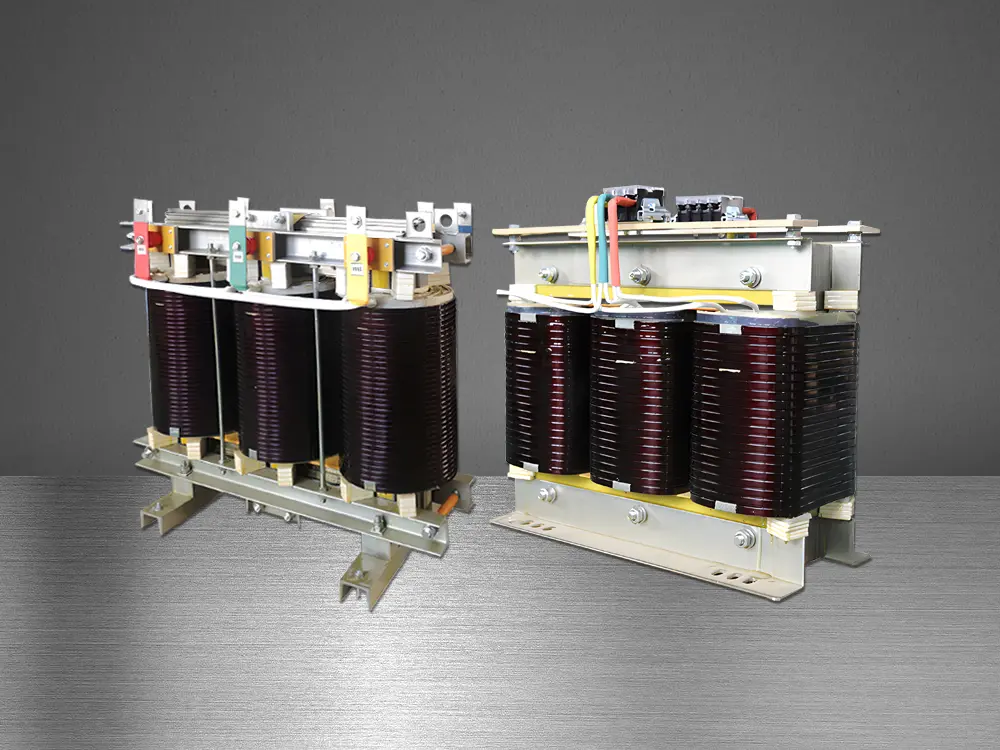 Three-Phase Isolation Transformer
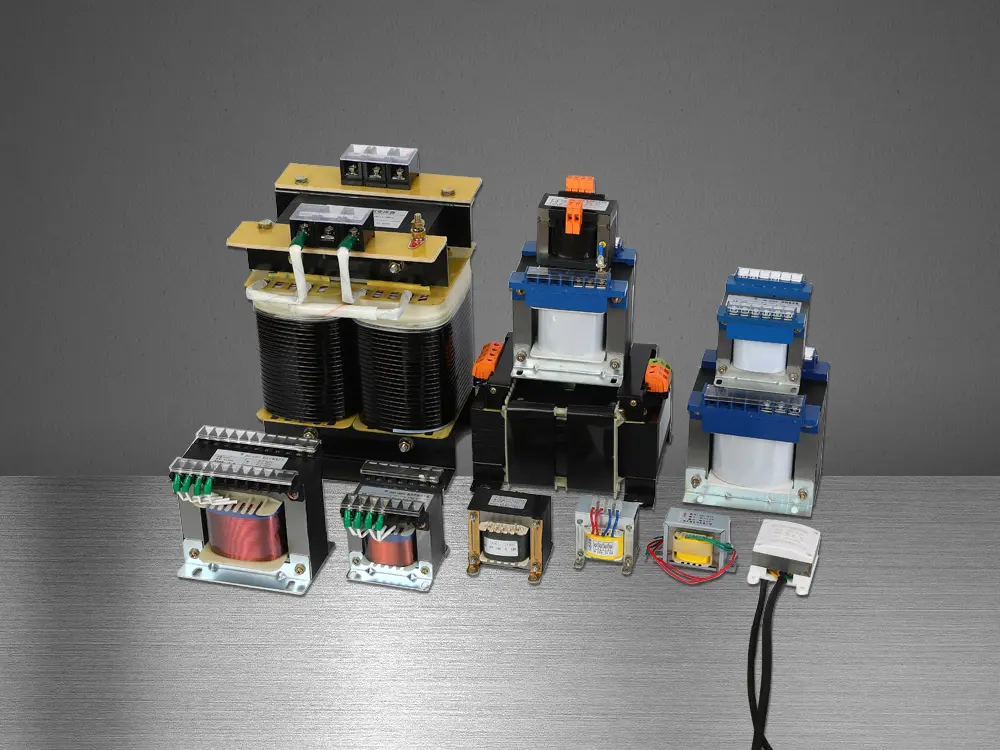 Control Transformer
 Medical IT Isolated Power System
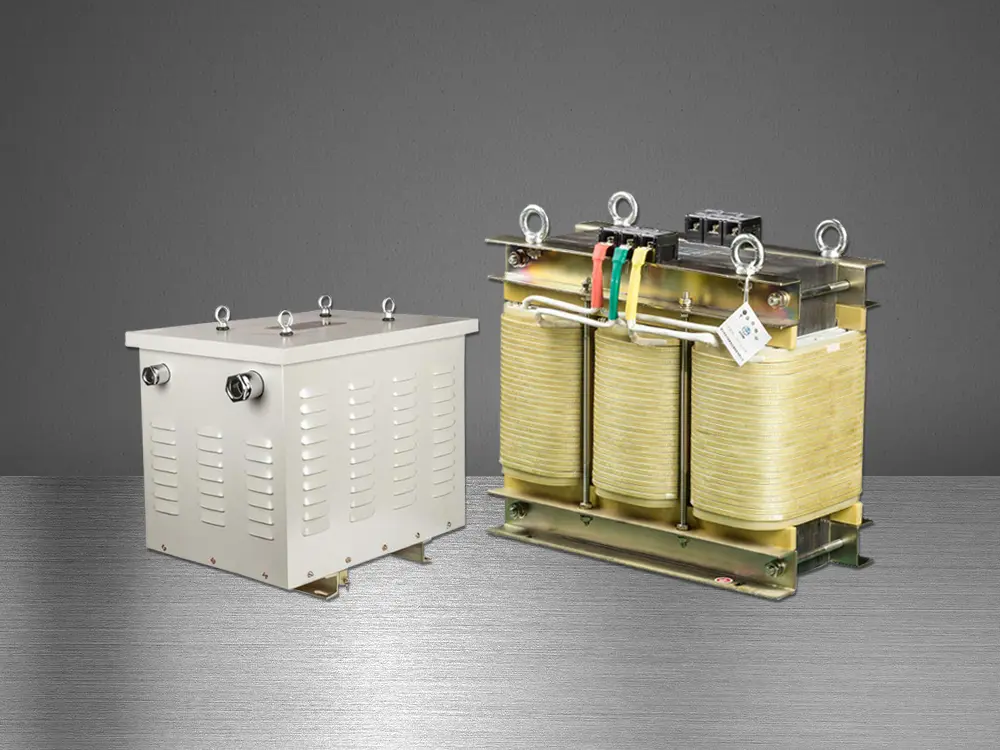 Marine Transformer
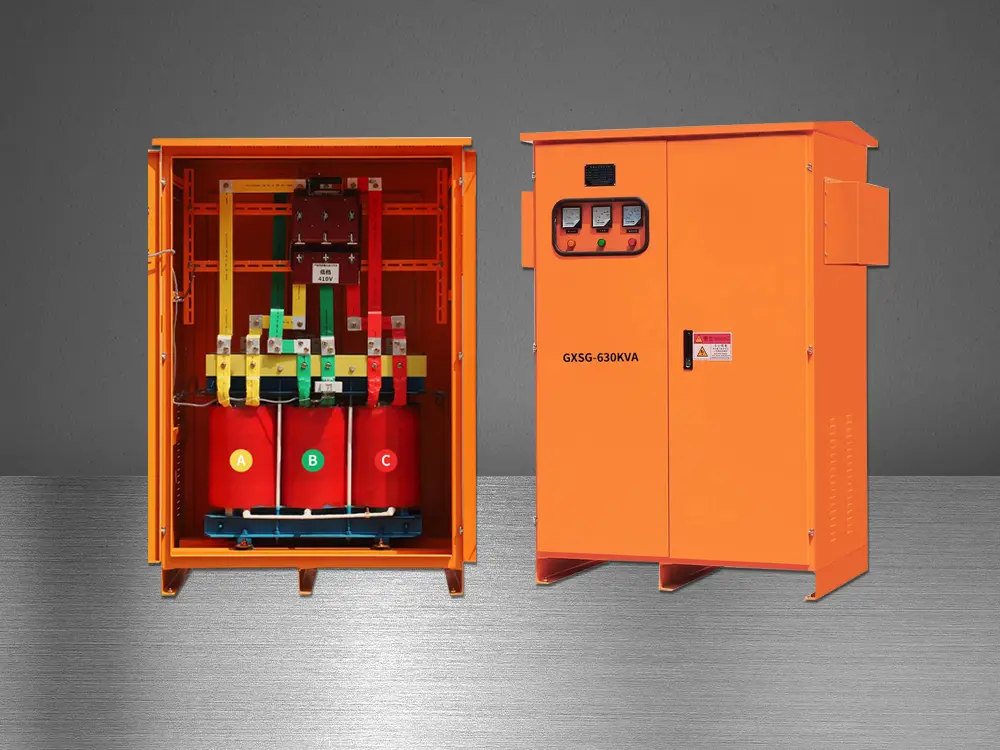 Tunnel Transformer
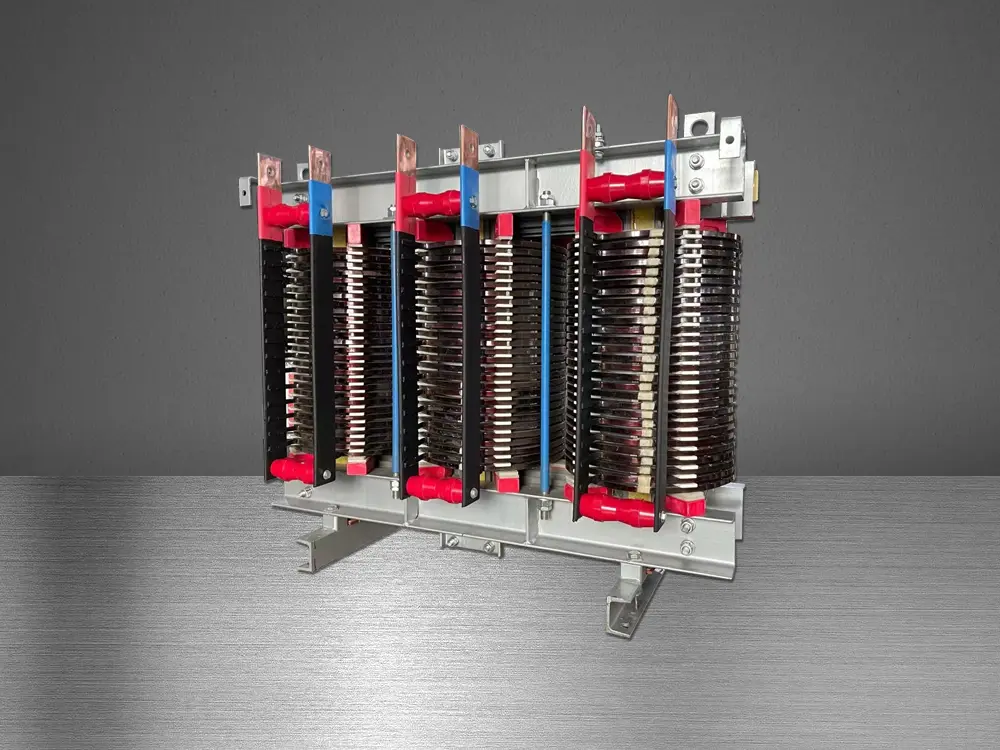 High Current Transformer
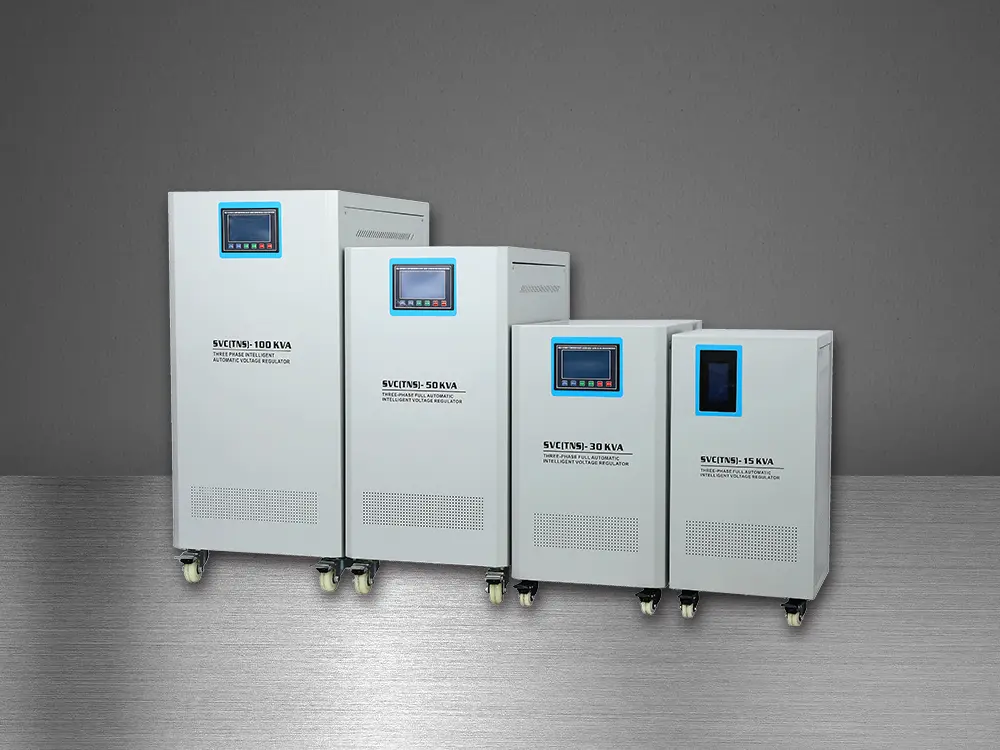 Automatic Voltage Regulator
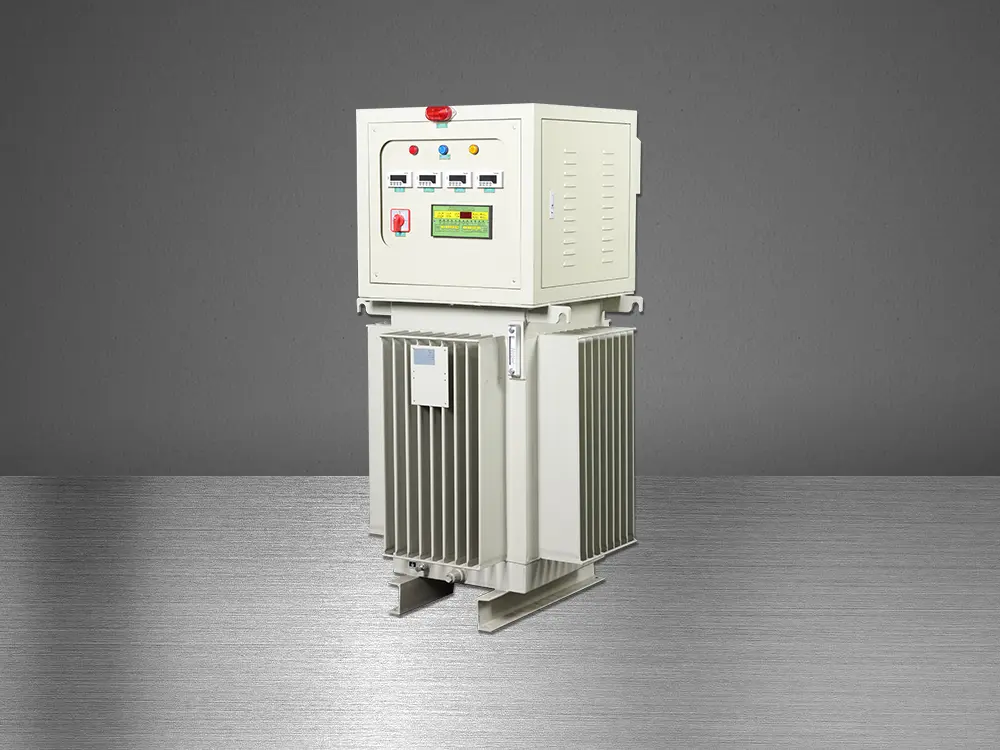 Oil Immersed Voltage Regulator