Medical Isolation Panels play a crucial role in healthcare settings. These panels help control the spread of infection by providing a safe barrier. Proper usage can significantly impact patient outcomes and staff safety.
Effective implementation of Medical Isolation Panels requires planning. Consider the size and layout of the space. Evaluate how these panels can be arranged to maximize their effectiveness. Recognize that each facility may face unique challenges. Customization is often necessary for optimal results.
Additionally, consistent training is essential for all staff. They should understand not only how to use the panels but also their importance. Mishandling or neglect can lead to serious consequences. Thus, attention to detail must be upheld. Ensuring the effectiveness of Medical Isolation Panels is a shared responsibility among all team members.
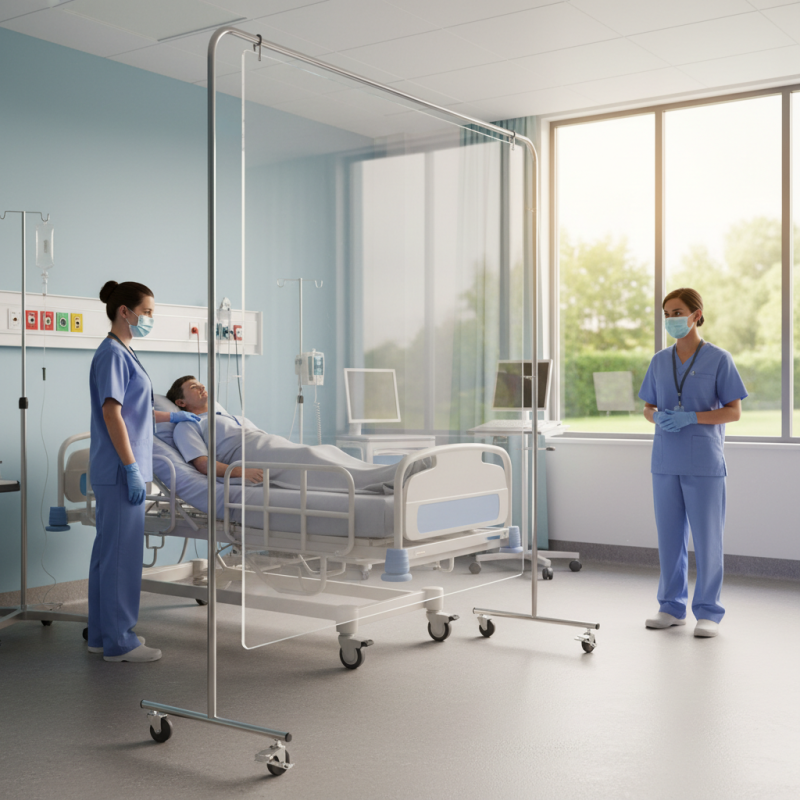
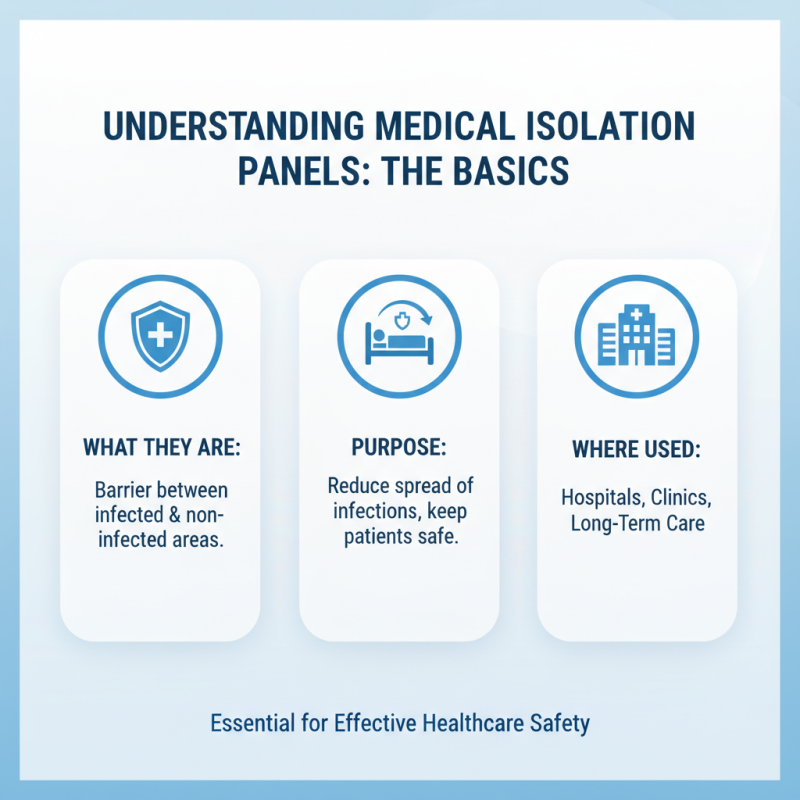
Medical isolation panels play a crucial role in healthcare settings. They help reduce the spread of infections and keep patients safe. Understanding their basics is vital for effective use. These panels are designed to create a barrier between infected and non-infected areas. They are often used in hospitals, clinics, and long-term care facilities. Knowing how to properly implement them is essential for healthcare providers.
Tip: Always ensure panels are properly sealed. A loose seal can allow contaminants to escape. It’s also important to train staff on proper usage. They should know how to install and maintain these panels effectively.
It’s easy to overlook the importance of regular inspection. Panels can wear down over time. Staff should check for any damage regularly. Replace any panels that show signs of wear. This will help maintain a safe environment.
Additionally, consider airflow when utilizing isolation panels. Inadequate ventilation can cause problems. Proper airflow is essential for controlling infection. Understanding these details can enhance safety measures. Doing so ensures the panels serve their purpose properly.
When choosing the right type of medical isolation panels, it's crucial to assess your specific needs.
Different settings may require different panel types. For instance, infection control in hospitals often demands panels that are easy to clean and durable. Materials like polycarbonate or fiberglass are commonly preferred for their strength.
Think about where you will place these panels. Some areas might need flexible or mobile solutions, while others require fixed installations for maximum safety.
Consider the panel's insulation features. Effective isolation panels can help maintain temperature and prevent disease transmission. Look for panels with soundproofing capabilities if you're in a shared space. This can enhance patient comfort.
Be aware that not all panels are equal in performance or design, which is a common oversight. Some panels simply don't fit standard dimensions or may not comply with health regulations. Ensure you carefully read specifications before making your choice.
Reflect on the potential downsides as well. Budget constraints might limit your options. Not every panel will meet your expectations, especially if you prioritize cost over quality. Investing in higher-grade panels can yield better long-term results. However, ensure that the money spent aligns with improvement in safety and functionality. Balancing cost and quality can be challenging but is essential for effective isolation.
Proper installation techniques are crucial for maximizing the effectiveness of medical isolation panels. According to the CDC, airborne infections can spread rapidly in hospital settings. Effective installation can significantly reduce this risk. Panels should fit securely to minimize any gaps. Tight seams and edges limit airflow between isolated and non-isolated areas.
Ventilation plays a role in the performance of isolation panels. Studies show that correct airflow patterns improve infection control. The American Institute of Architects emphasizes the importance of designing for adequate air exchange. Improperly installed panels can lead to stagnant air pockets, compromising their effectiveness. Regular inspections after installation help to identify and rectify these issues.
It's important to focus on the quality of materials used. Not all panels provide the same level of protection. Third-party testing has shown that some panels have better microbial resistance than others. Consulting industry guidelines and relying on evidence-based research is essential for choosing the right products. Ignoring these factors can have serious implications for patient safety.
| Tip Number | Tip Description | Installation Technique | Effectiveness Rating |
|---|---|---|---|
| 1 | Ensure Accurate Measurements | Use laser level for precise alignment | High |
| 2 | Select Appropriate Materials | Choose panels suited for your environment | Medium |
| 3 | Follow Manufacturer Instructions | Refer to guidelines during setup | High |
| 4 | Utilize Professional Installers | Hire experts for complex installations | High |
| 5 | Seal All Joints Properly | Use appropriate caulk and seals | High |
| 6 | Implement Clear Access Routes | Plan paths for easy maintenance | Medium |
| 7 | Ensure Proper Ventilation | Install ventilation systems to prevent moisture | High |
| 8 | Monitor for Damage Regularly | Schedule routine inspections | Medium |
| 9 | Train Staff on Usage | Conduct training sessions for all users | High |
| 10 | Regularly Review Performance | Assess effectiveness periodically | High |
Medical isolation panels play a critical role in healthcare settings. Proper maintenance is essential for their longevity and effectiveness. Regular cleaning is a significant step to prevent the spread of pathogens. For optimal results, use a soft cloth and approved disinfectant. Avoid abrasive cleaners, as they can damage the surface.
Another important tip is to inspect the panels regularly for wear and tear. Small cracks may worsen if not addressed promptly. Keeping the panels clear of clutter will also enhance their functionality. An organized environment supports better hygiene practices.
Consider implementing a routine maintenance schedule. Regular checks help in early identification of issues. This proactive approach can save costs and protect health. Remember, even minor oversights in maintenance can lead to significant consequences. Your diligence can make a difference in infection control.
This chart illustrates the importance level of various maintenance practices for medical isolation panels, rated on a scale from 1 to 10. Regular inspection and documentation are critical for ensuring longevity and effectiveness.
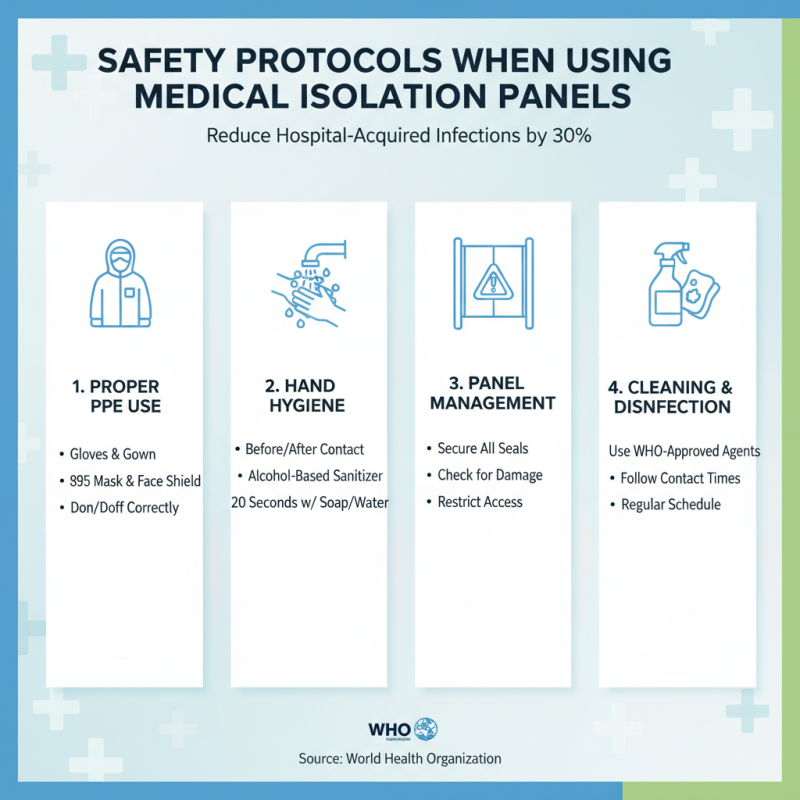
Medical isolation panels play a crucial role in infection control within healthcare settings. To maximize their effectiveness, adherence to safety protocols is vital. According to a report from the World Health Organization, proper isolation can reduce hospital-acquired infections by up to 30%. Here are some essential practices for safe use.
Before installing medical isolation panels, assess the area. Ensure adequate ventilation and minimize foot traffic. Isolated spaces should be clearly marked to prevent unauthorized access. Maintain an organized workflow. Use designated points for entering and exiting the isolation zone.
Training staff on proper protocols is crucial. Regular drills can enhance response time during emergencies. Implement protocols for when a panel is compromised. Reporting breaches promptly can mitigate risks.
Keep in mind that while isolation panels are effective, they are not infallible. Regular inspections are necessary. Document any lapses and adjust protocols accordingly. Re-evaluate the setup if infection rates rise, as continual improvement is essential for patient safety.