Top 10 Best High Voltage Current Transformers You Need to Know?
In today's power systems, understanding High Voltage Current Transformers is essential. According to Dr. Emily Carter, an expert in electrical engineering, "High Voltage Current Transformers are vital for accurate energy measurement." These devices measure high currents safely, ensuring reliability in power distribution.
High Voltage Current Transformers come in various designs. Each model serves specific applications in the electrical grid. Users must choose wisely to ensure efficiency. The right transformer can prevent costly failures and improve system integrity. There is always room for improvement in understanding and selecting current transformers. The complexities of voltage levels add to this challenge.
The market offers many options, but not all are suitable. Misleading specifications can complicate decision-making. Thus, consulting professionals and conducting thorough research is critical. Engaging with experts can elevate the selection process. This cautious approach can lead to better performance and reliability in high-voltage applications.
Overview of High Voltage Current Transformers and Their Importance
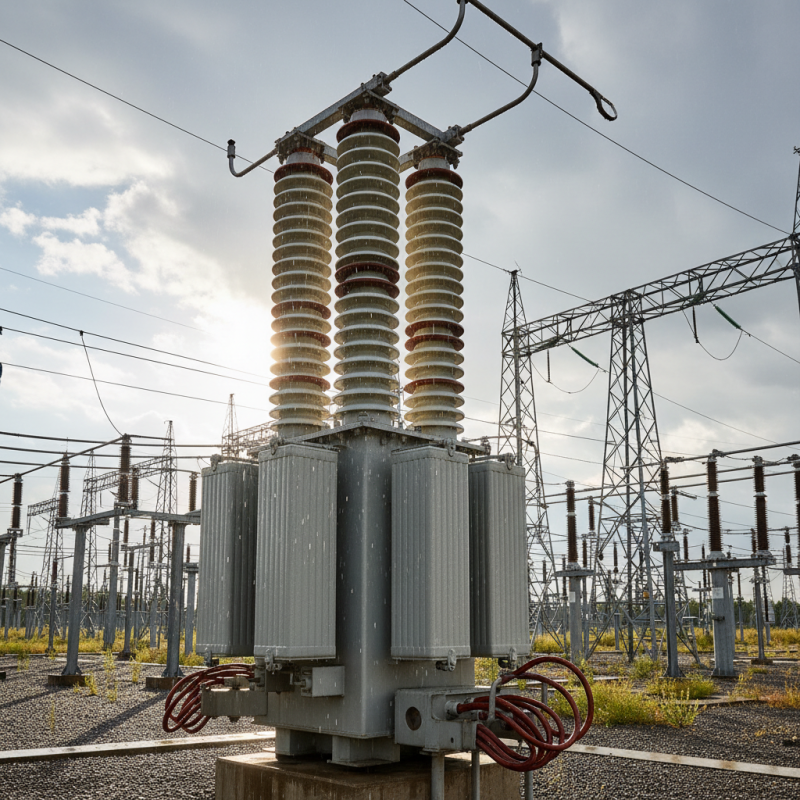
High voltage current transformers (HVCTs) play a crucial role in the electrical industry. They allow for safe measurement and monitoring of high voltage electrical currents. These devices are essential in substations and power generation facilities. Their function is to step down high currents to a lower, manageable level. This enables accurate metering and protection of electrical systems.
The significance of HVCTs cannot be overstated. They enhance system reliability and safety. A fault in high voltage systems can lead to catastrophic failures. By using HVCTs, operators can detect irregularities early. This proactive approach minimizes risks and prevents damage. Additionally, HVCTs contribute to efficient energy management. They help in monitoring energy consumption and integrating renewable energy sources.
However, not all HVCTs are created equal. Selecting the right type involves careful consideration of specifications. Users must evaluate factors such as accuracy, insulation, and thermal performance. Mistakes in selection can lead to poor performance. This underscores the importance of understanding one’s specific needs. Continuous professional development and training are vital for those working with these devices.
Key Features to Consider When Selecting a High Voltage Current Transformer
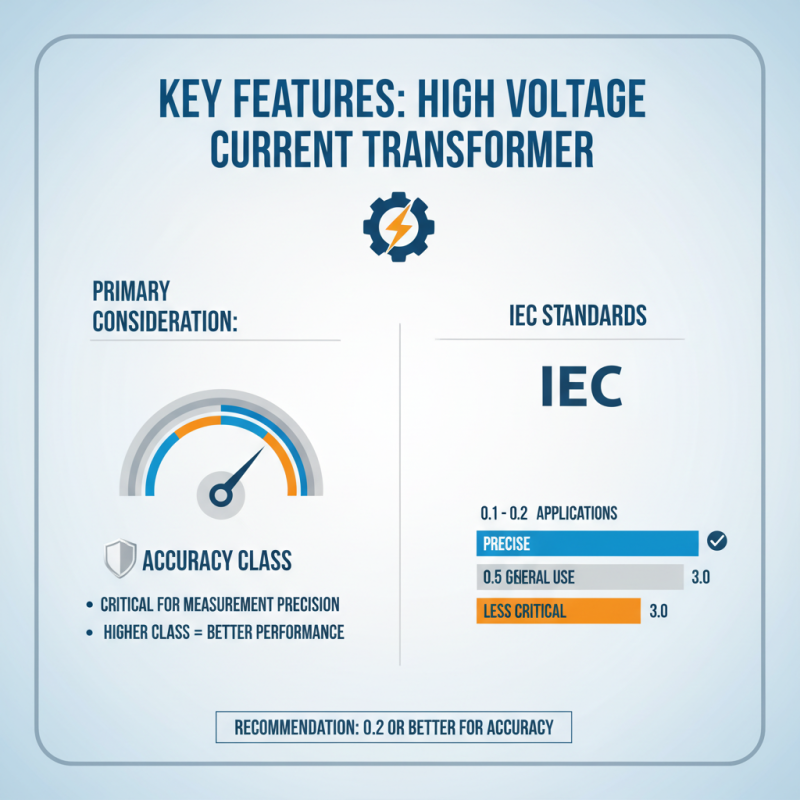
When selecting a high voltage current transformer, it’s essential to consider several key features. The accuracy class is one of the most critical factors. A higher accuracy class means better performance in measuring current. According to the International Electrotechnical Commission (IEC) standards, accuracy classes range from 0.1 to 3.0. For precise applications, a transformer with an accuracy class of 0.2 or better is preferable.
Another important aspect is the insulation level. The insulation level determines how well the transformer can withstand high voltages. Typically, the insulation ratings can vary significantly, depending on operational environments. Ratings such as 12kV, 24kV, or even 36kV are common. Make sure to choose one that meets or exceeds the environmental and operational demands of your application.
Tip: Always assess your operational conditions. Is the environment humid or exposed to extreme temperatures? This can affect the lifespan of the transformer.
CT burden is also a crucial consideration. The burden refers to the load connected to the current transformer secondary. If the burden is too high, it may lead to inaccurate readings. A mismatch can degrade transformer performance and reduce its reliability.
Tip: Calculate expected burden accurately. An evaluation can help ensure your system's efficiency and reliability, yet many engineers overlook it, leading to potential issues later.
Top 10 High Voltage Current Transformers: A Detailed Comparison
High voltage current transformers (HVCTs) play a crucial role in power systems. They ensure accurate measurement and protection in high-voltage environments. According to industry reports, over 60% of electrical power is transmitted through components designed to handle high voltages. As the demand for reliable energy sources rises, understanding these transformers becomes essential for engineers and technicians.
Selecting the right HVCT can be complex. Factors such as voltage rating, accuracy, and insulation type are vital to consider. A recent analysis found that transformers with lower accuracy can lead to significant errors in electrical measurements. This can cause inefficiencies and safety risks. For maximum reliability, choose transformers with a proven track record in long-term performance.
Tip: Regularly test HVCTs to ensure their accuracy. Even slight deviations can result in serious issues. Also, be aware of environmental factors affecting performance. Humidity and temperature changes can alter transformer behavior. A thorough review of specifications helps in selecting the right model for specific applications. It's always beneficial to consult professional guidelines and experiences while making decisions.
Applications of High Voltage Current Transformers in Various Industries
High Voltage Current Transformers (HVCTs) play a crucial role in various industries. They are essential for monitoring electrical systems in power generation, transmission, and distribution. Data from industry reports indicate that the global market for HVCTs is expected to reach approximately $2 billion by 2027, reflecting the increasing demand for energy efficiency and reliable power management.
In power plants, HVCTs are vital for safety and efficiency. They provide accurate current measurements to protect equipment from overloads. This is vital in ensuring stable energy output and preventing costly outages. In industrial applications, HVCTs monitor electrical loads, helping companies maintain energy efficiency. A focus on sustainability is leading industries to rely more on advanced transformer technology.
Tips: Regular maintenance of HVCTs is essential. Inspections can prevent unexpected failures. Moreover, consider localized testing methods for performance evaluation. These measures can enhance reliability and extend equipment lifespan. It’s also crucial to choose the right transformer type based on specific operational needs.
The adoption of HVCTs in renewable energy sectors, like wind and solar, is growing. These technologies require precise monitoring to optimize energy harnessing. Reports suggest that integrating HVCTs can significantly improve the performance of these renewable installations. However, companies must be aware of the challenges in retrofitting older systems with advanced transformers. Balancing innovation with cost-effectiveness remains a key consideration.
Maintenance Tips for Ensuring Optimal Performance of Current Transformers
Current transformers (CTs) are essential for monitoring high voltage systems. To ensure they operate effectively, regular maintenance is vital. A report by the Electric Power Research Institute (EPRI) highlights that improper maintenance can lead to a 30% reduction in performance. This loss often goes unnoticed until it's too late.
Routine inspections are critical. Check for signs of wear, corrosion, and insulation damage. These issues can escalate quickly. According to IEEE standards, testing insulation integrity at least once a year helps identify potential failure points early. Maintaining clean connections is equally important. Contaminants can cause signal loss and inaccuracies.
Documentation should never be overlooked. Keeping detailed records of maintenance activities aids in identifying patterns and recurring issues. This proactive approach can save significant repair costs. After all, neglected CTs can lead to system failures, impacting overall grid reliability. Investing time in maintenance reflects a commitment to safety and efficiency.
Top 10 Best High Voltage Current Transformers You Need to Know
| Rank |
Model |
Voltage Rating (kV) |
Current Ratio |
Insulation Type |
Weight (kg) |
Maintenance Tips |
| 1 |
Model A |
72.5 |
400/5 |
Silicone |
45 |
Regular insulation checks, clean terminals regularly. |
| 2 |
Model B |
100 |
600/5 |
Epoxy |
50 |
Inspect connections and verify calibration annually. |
| 3 |
Model C |
123 |
300/5 |
Polymer |
40 |
Ensure cleanliness and humidity control in storage. |
| 4 |
Model D |
145 |
800/5 |
Oil |
60 |
Check oil levels and seals regularly. |
| 5 |
Model E |
72.5 |
1000/5 |
Solid |
55 |
Tests for resistance and insulation should be performed. |
| 6 |
Model F |
145 |
500/5 |
Composite |
70 |
Monitor thermal performance and cooling systems. |
| 7 |
Model G |
100 |
1500/5 |
Resin |
45 |
Inspect for cracks and ensure proper grounding. |
| 8 |
Model H |
72.5 |
300/5 |
Paper |
55 |
Keep dry and free from contaminants. |
| 9 |
Model I |
145 |
400/5 |
Glass |
50 |
Perform dielectric testing and visual inspections. |
| 10 |
Model J |
100 |
600/5 |
Vinyl |
48 |
Regular maintenance schedule and thorough training. |

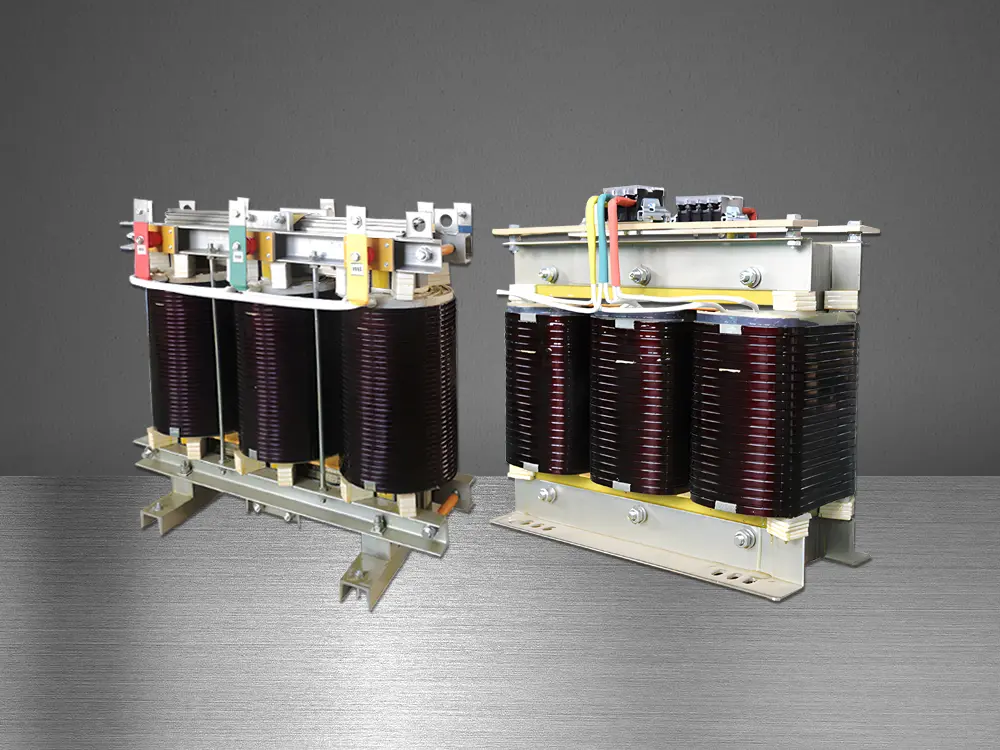 Three-Phase Isolation Transformer
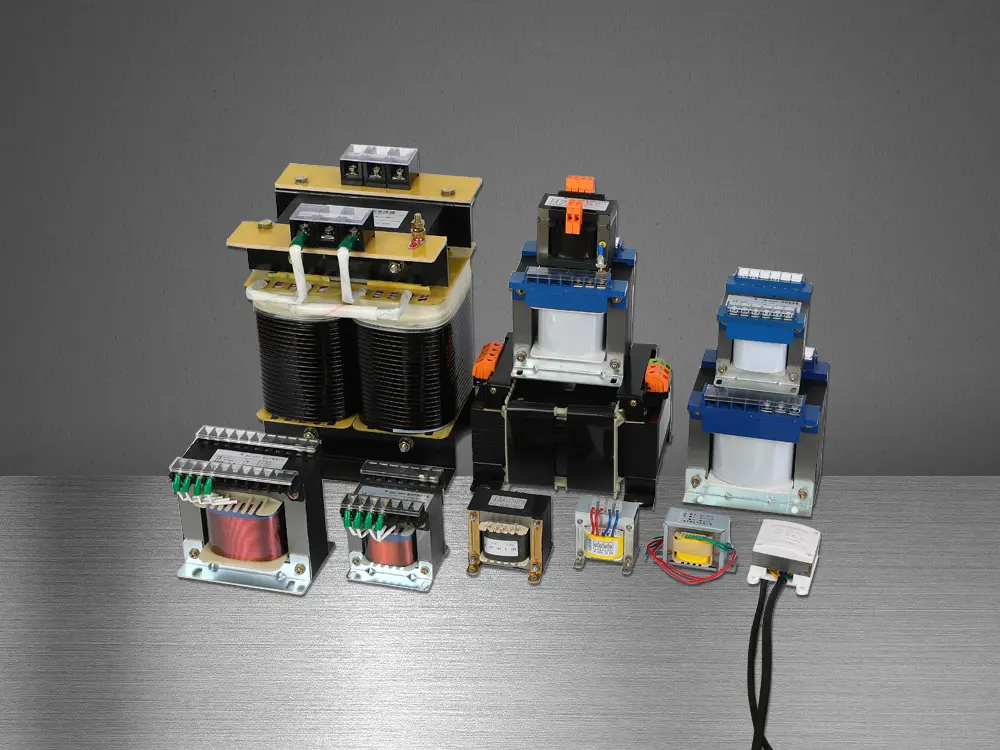 Control Transformer
 Medical IT Isolated Power System
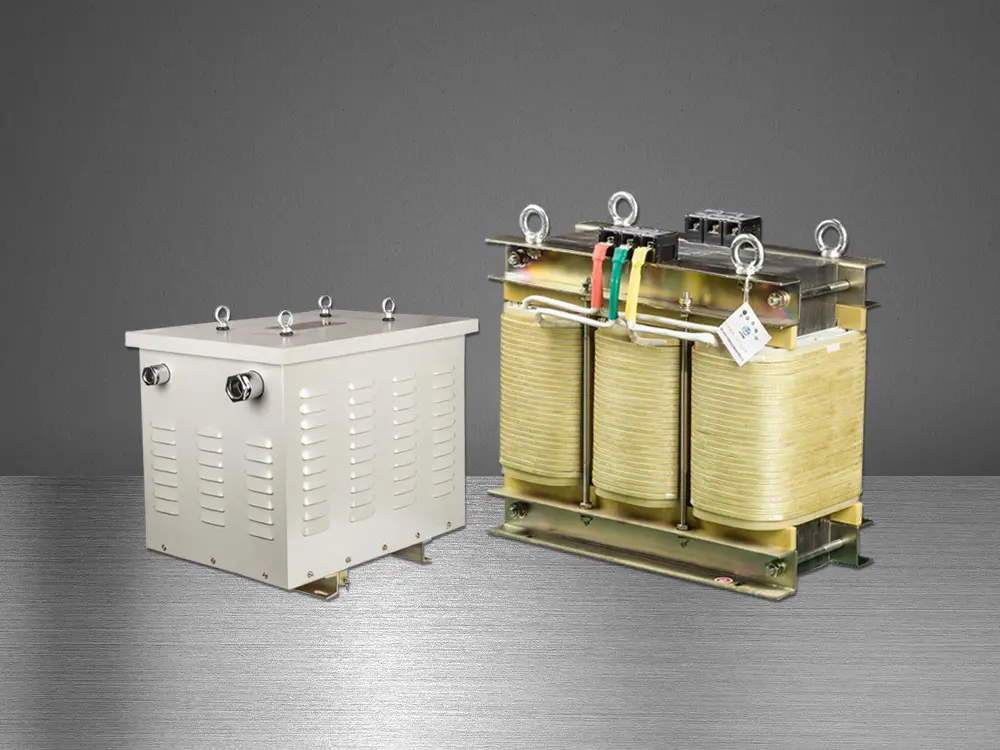 Marine Transformer
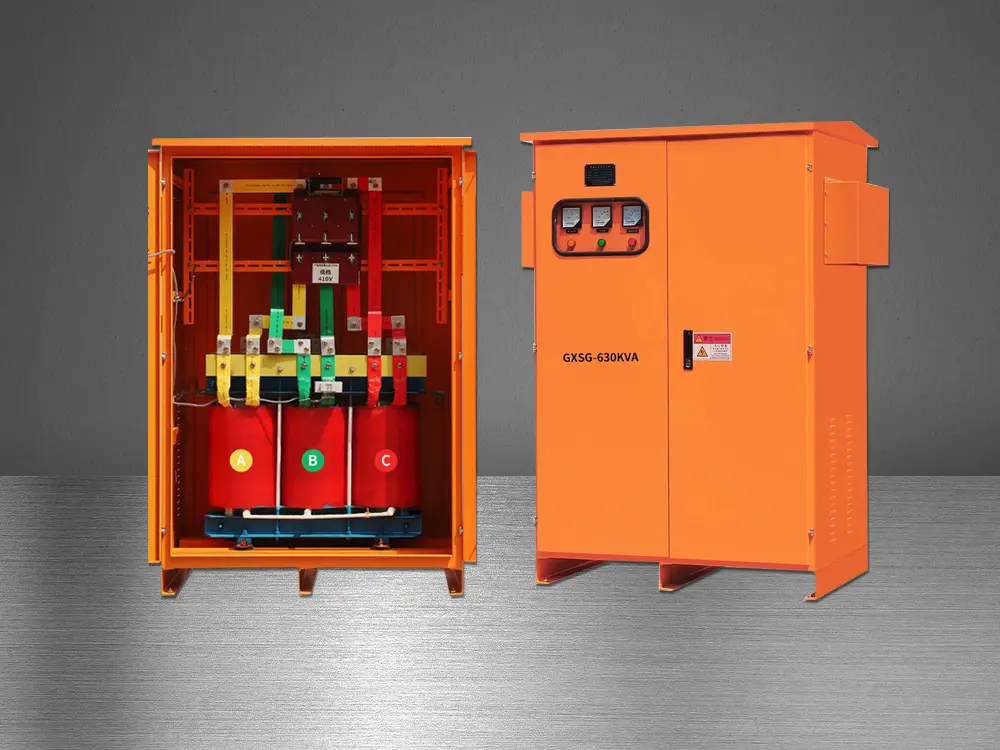 Tunnel Transformer
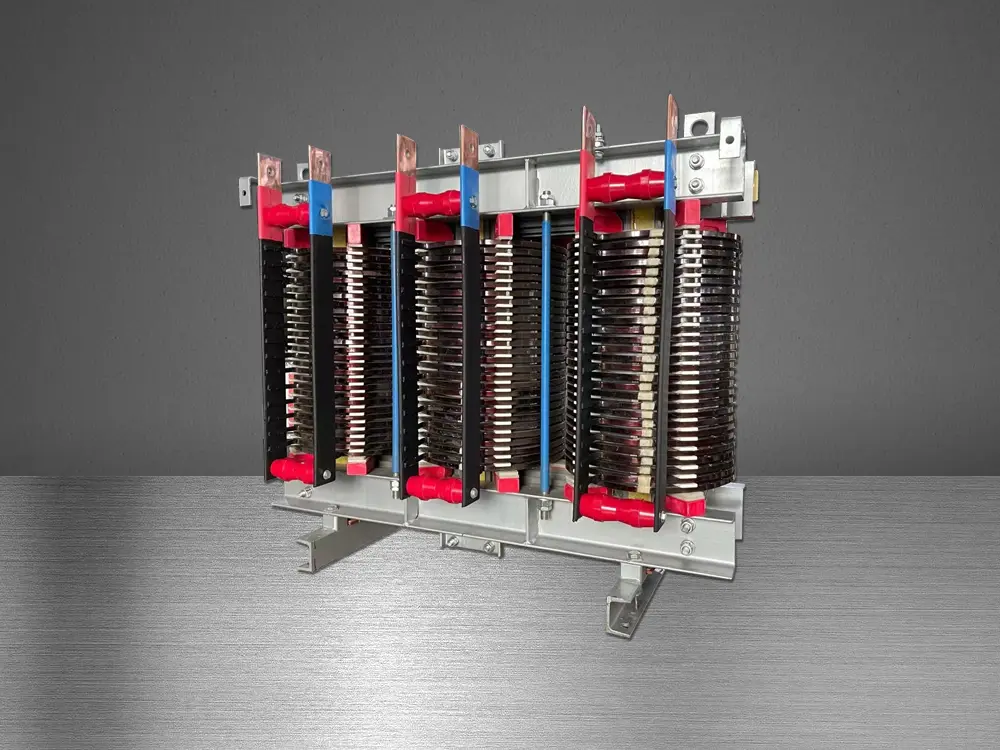 High Current Transformer
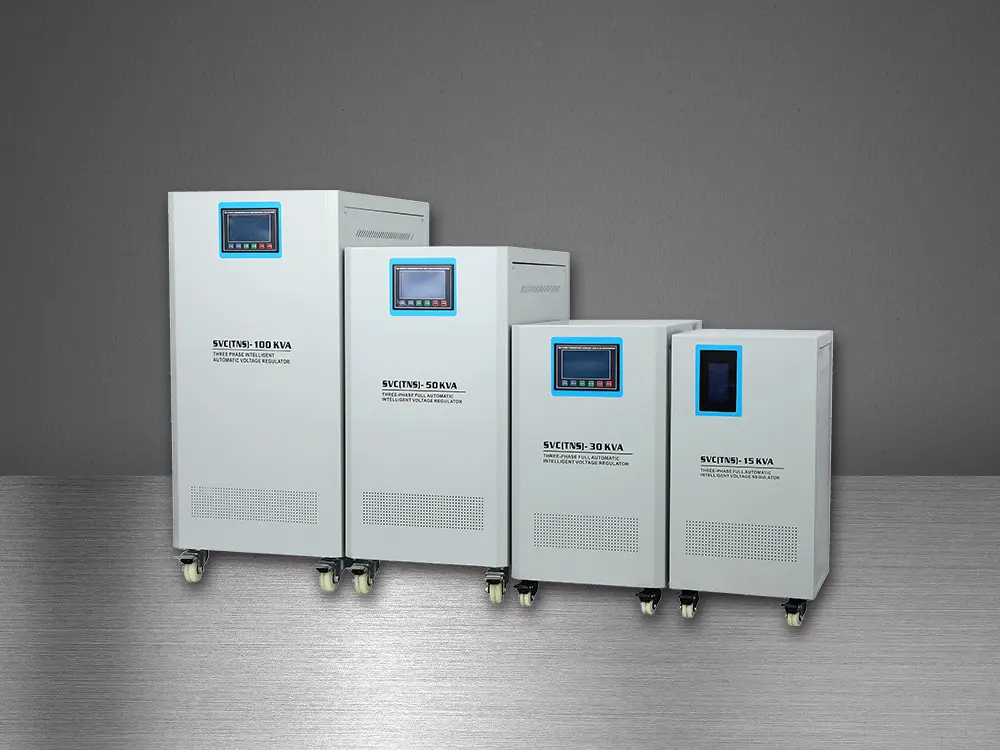 Automatic Voltage Regulator
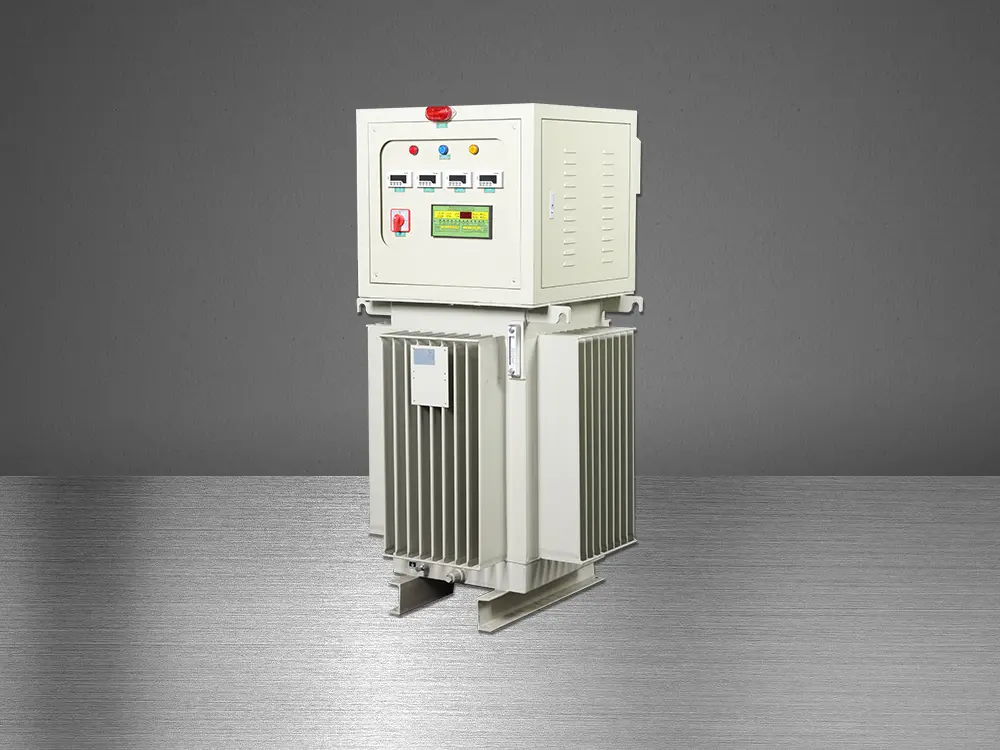 Oil Immersed Voltage Regulator