How to Choose Safe Power Systems for Your Business Needs?
Choosing safe power systems is crucial for business resilience. According to a report by the International Energy Agency (IEA), power outages cost businesses billions annually. The reliability of your power system can directly impact operational efficiency. In fact, nearly 40% of small to medium-sized enterprises report downtime due to power issues.
Understanding safe power systems involves recognizing potential hazards. Up to 30% of businesses do not assess their energy infrastructure. This lack of evaluation can lead to dangerous situations, affecting both productivity and safety. Ignoring the need for safety protocols often results in expensive consequences.
Investing in safe power systems can mitigate risks. The International Electrotechnical Commission (IEC) emphasizes standards for reliable power distribution. Companies that adopt these standards significantly reduce their vulnerability to outages. Reflection on current power practices may reveal hidden weaknesses in your approach. Prioritizing safety isn’t just a regulatory obligation; it’s a strategic business move.
Understanding Your Business Power Requirements
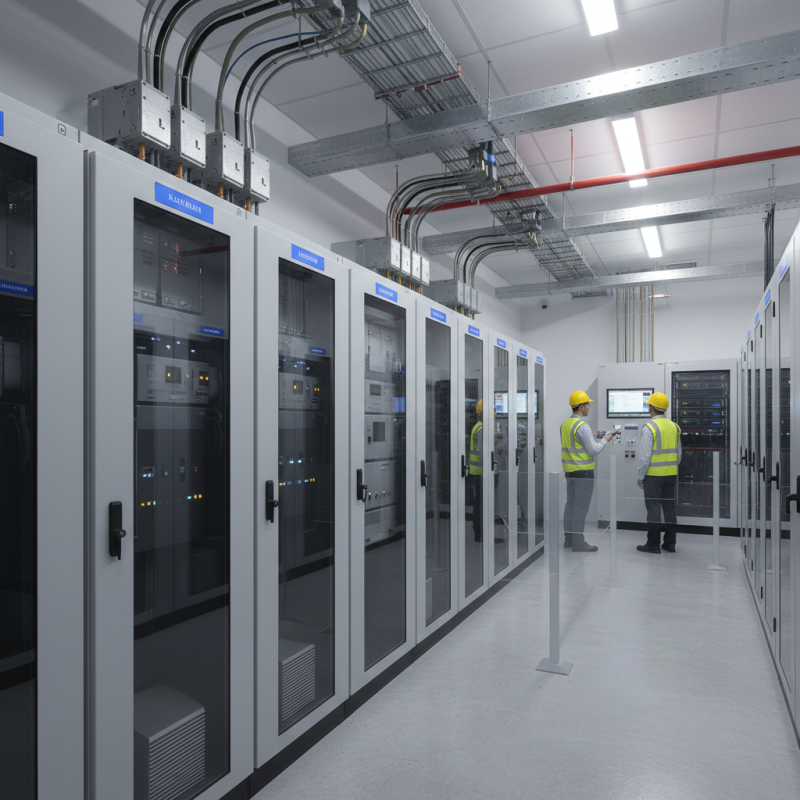
Understanding your business power requirements is crucial for operational reliability. A 2022 report from the International Energy Agency states that businesses lose around $150 billion annually due to power outages. This highlights the urgent need to assess your energy needs accurately. Identifying the peak load for your operations can help avoid unexpected downtimes.
When evaluating power systems, consider the type of equipment you use. Research from the U.S. Department of Energy suggests that commercial buildings typically consume 30% of total electricity for lighting and HVAC systems. Properly sizing your power systems to match these usages is key. It’s essential to factor in the unique characteristics of your business, which can lead to miscalculations if overlooked.
Many businesses overlook the importance of backup systems. According to a survey by the National Society of Professional Engineers, only 45% of companies have reliable backup solutions. It is a critical gap that could lead to significant disruptions. Exploring renewable energy sources, like solar or wind, may also provide additional resilience. Balancing cost, efficiency, and reliability is essential as you navigate these choices.
Analyzing Different Types of Power Systems
When analyzing different types of power systems, understanding your specific business needs is vital. Renewable energy sources, like solar and wind, are popular due to their sustainability. They lower long-term costs and reduce carbon footprints. However, the initial investment can be significant. Businesses must carefully evaluate whether these systems align with their energy consumption patterns.
On the other hand, traditional power systems, such as natural gas and diesel generators, offer reliability. Their performance in adverse weather and emergencies can be a determining factor. Yet, they may involve hidden long-term costs, like fuel price fluctuations. Companies should weigh these factors against their operational needs.
Hybrid systems combine renewable energy with traditional sources. This approach enhances efficiency and reliability but requires careful planning. It can pose unique challenges in installation and maintenance. Reflecting on each option's pros and cons is essential. Businesses must ensure they choose a system that aligns with their strategic goals and capabilities. Making an informed decision can lead to better energy management overall.
Assessing Safety Standards and Certifications
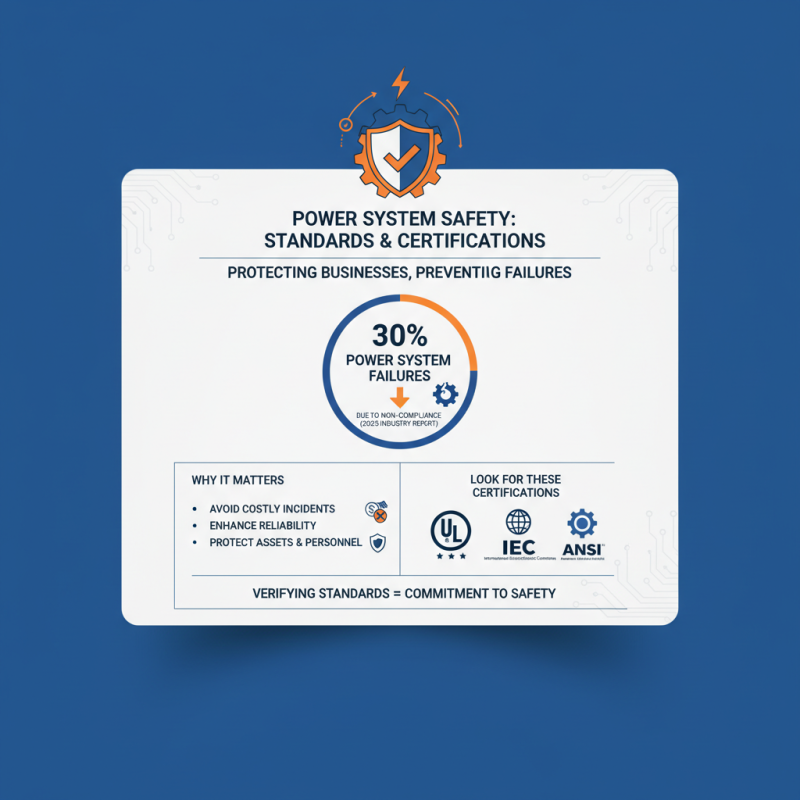
When it comes to selecting safe power systems, assessing safety standards and certifications is crucial. Industry reports show that, as of 2023, approximately 30% of power system failures occur due to non-compliance with safety regulations. Understanding and verifying these standards can help businesses avoid costly incidents. Look for certifications from recognized authorities, such as UL, IEC, or ANSI, which reflect a commitment to safety.
Moreover, many companies overlook the importance of regular audits. Regular compliance checks can reveal vulnerabilities in power systems. In a recent survey, 65% of businesses that conducted safety audits reported a significant reduction in accidents. This highlights the need for structured audit processes within your organization. Additionally, implementing safety training for employees is essential. Poor understanding of safety protocols often leads to mishaps.
Being proactive in ensuring compliance doesn’t just enhance safety; it also builds trust with stakeholders. More than 70% of clients prefer to work with companies that prioritize safety. Therefore, investing time in understanding safety standards is not just a regulatory necessity; it’s a strategic advantage that provides long-term benefits.
Determining Cost-Effectiveness and Long-Term Solutions
When evaluating power systems for your business, cost-effectiveness is critical. A study from the International Energy Agency indicates that energy efficiency improvements can lead to savings of up to 40% on operational costs. Choosing systems that not only meet immediate needs but also provide long-term value should be the goal.
**Tip: Assess the total cost of ownership when selecting power solutions.** This includes installation, maintenance, and operational costs over time. Often, businesses overlook these factors, leading to unexpected expenses. Evaluating different systems can uncover better options that save money in the long run.
The market is shifting towards renewable energy sources, which can substantially reduce costs. Reports show that solar and wind energy can be as low as $30 per megawatt-hour. Despite potential initial investment barriers, the long-term savings and sustainability benefits are significant.
**Tip: Consider the total impact of energy choices.** A more expensive system may be worthwhile if it proves more reliable and efficient. Aim for systems that grow with your business, offering scalability. Balancing these factors can be complex but essential to ensure your power system supports your business goals.
How to Choose Safe Power Systems for Your Business Needs?
| Power System Type |
Initial Cost ($) |
Annual Maintenance Cost ($) |
Efficiency (%) |
Lifespan (Years) |
Environmental Impact (Low/Medium/High) |
| Solar Power System |
15,000 |
500 |
90 |
25 |
Low |
| Diesel Generator |
10,000 |
1,200 |
85 |
15 |
Medium |
| Battery Storage System |
8,000 |
300 |
95 |
10 |
Medium |
| Wind Power System |
20,000 |
600 |
80 |
20 |
Low |
| Grid Connection |
5,000 |
1,000 |
75 |
30 |
High |

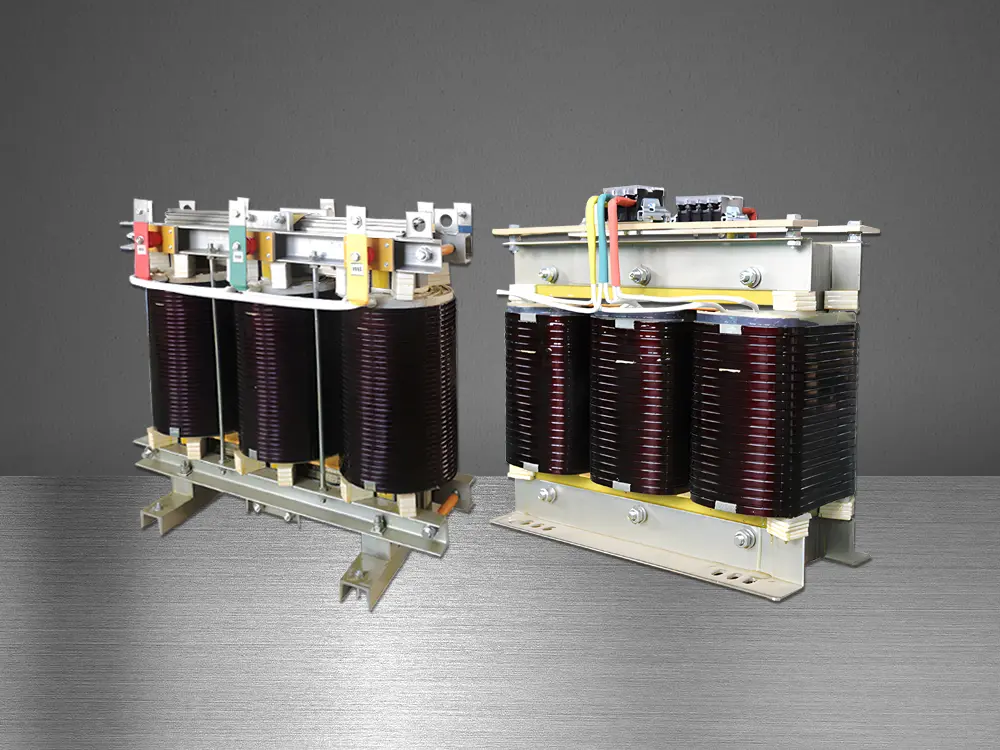 Three-Phase Isolation Transformer
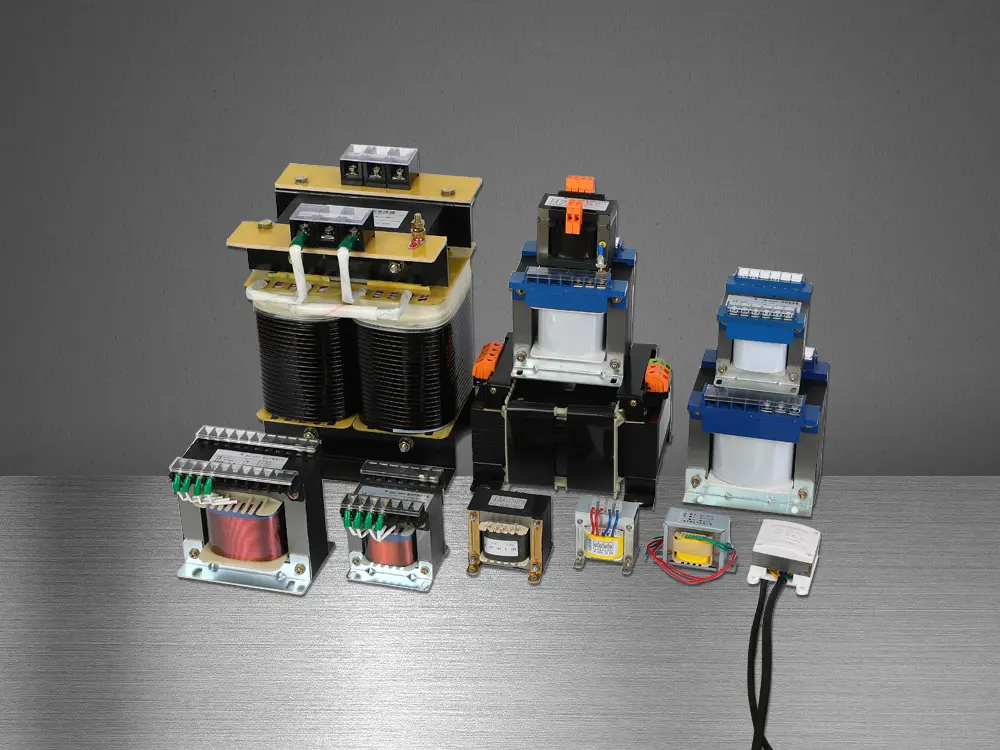 Control Transformer
 Medical IT Isolated Power System
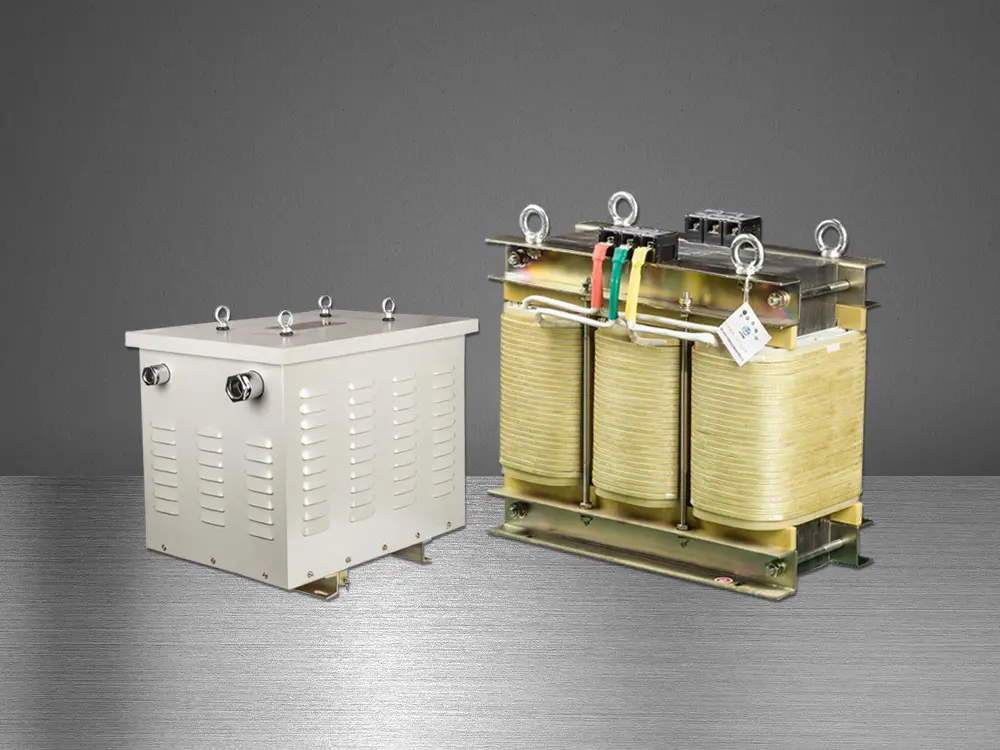 Marine Transformer
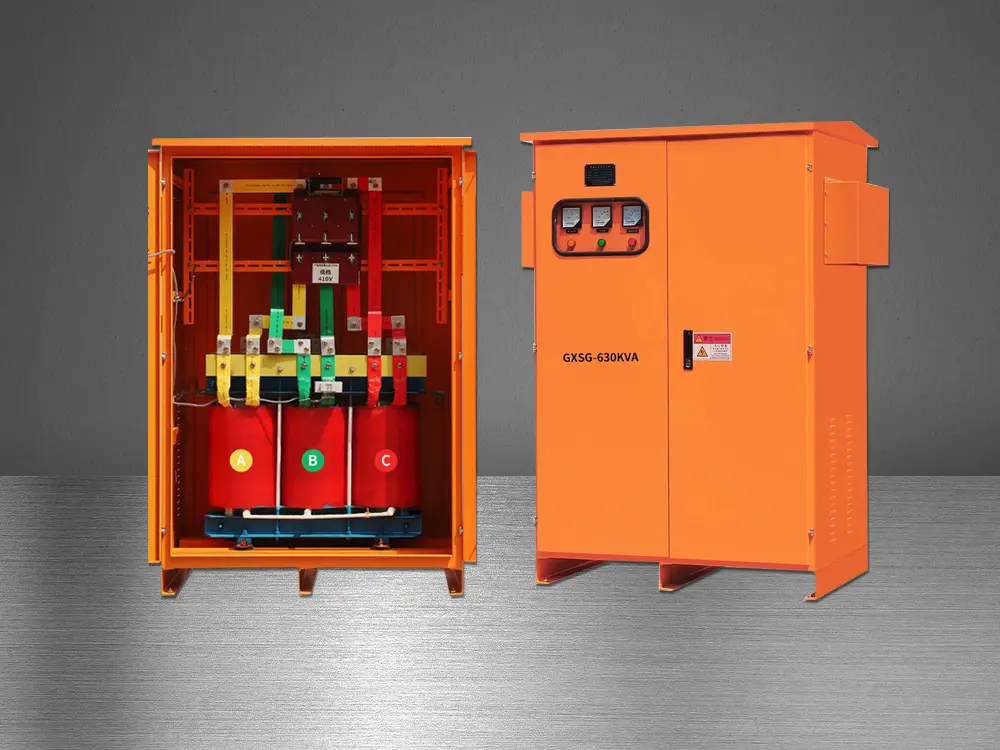 Tunnel Transformer
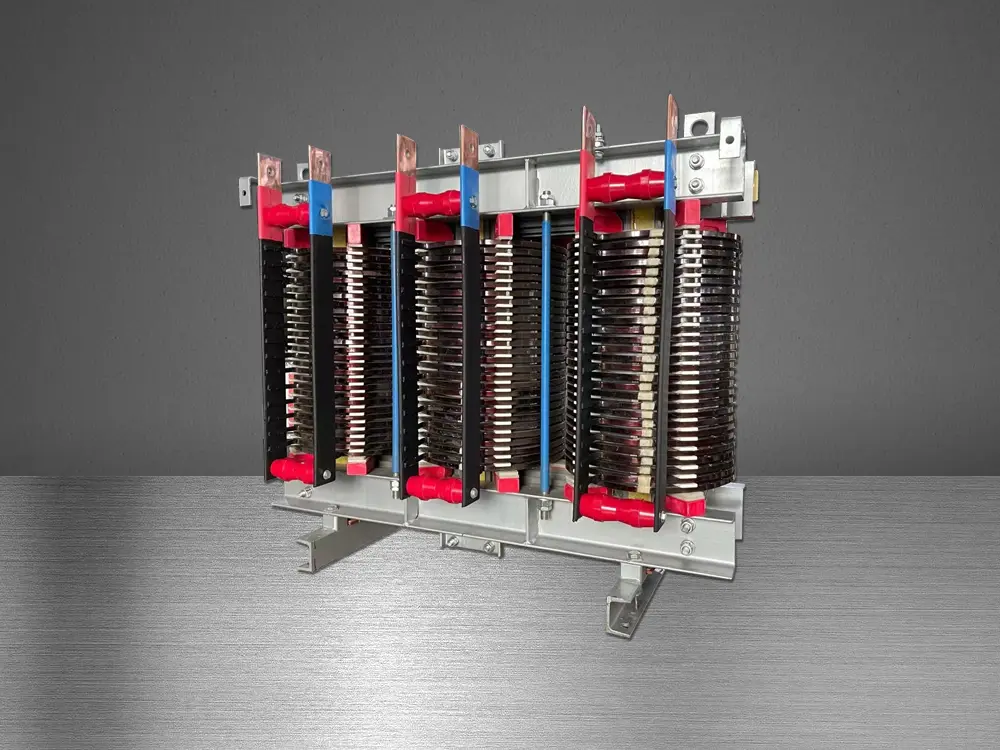 High Current Transformer
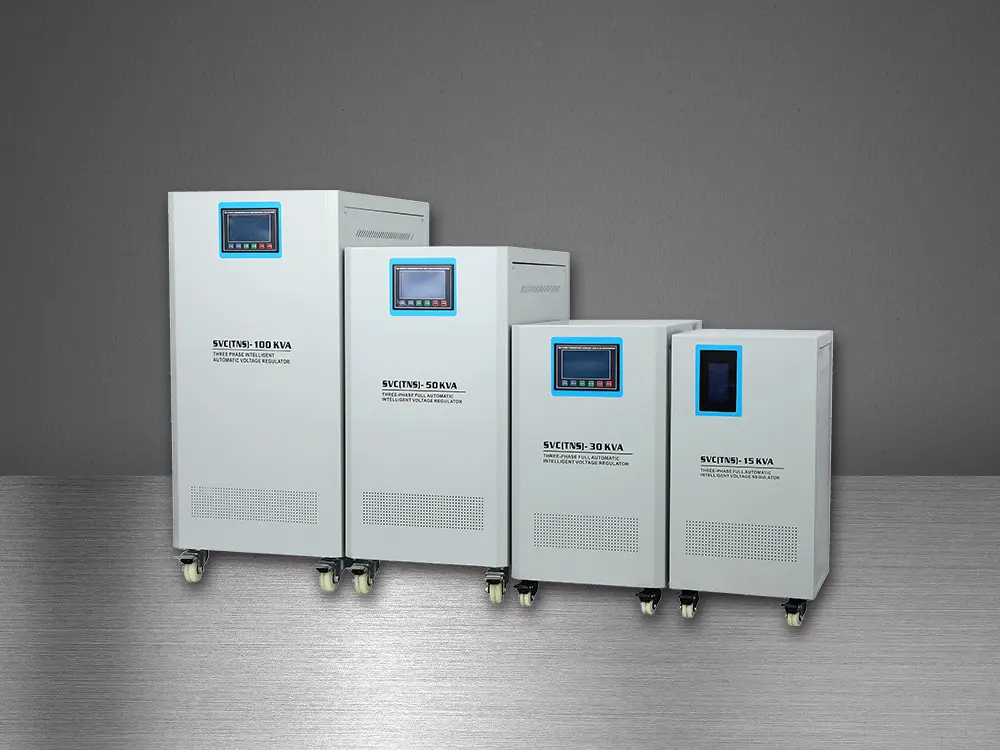 Automatic Voltage Regulator
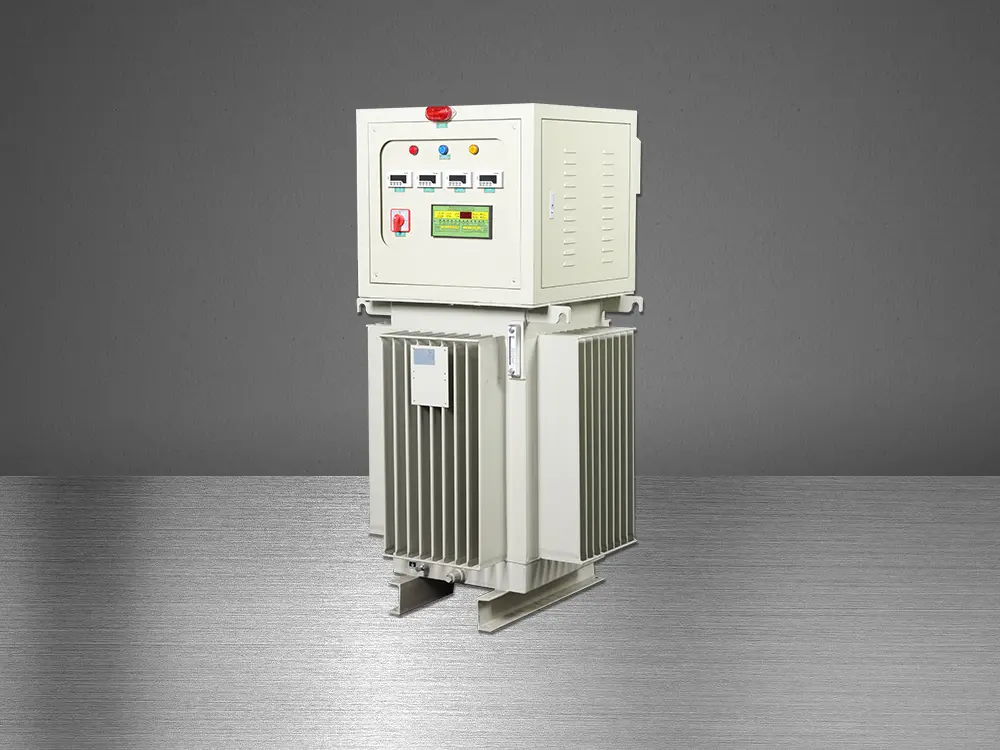 Oil Immersed Voltage Regulator