Top 10 High Current Transformer Types for Global Buyers?
In the rapidly evolving electrical industry, the demand for High Current Transformers is steadily increasing. According to a recent market report by Global Industry Analysts, the global market for these transformers is projected to reach USD 3.7 billion by 2026, growing at a compound annual growth rate (CAGR) of 5.9%. This highlights the importance of understanding the various types of High Current Transformers available to global buyers.
Industry expert Dr. Anne Brooks emphasized the significance of these transformers when she stated, "Utilizing the right type of High Current Transformer can maximize efficiency and ensure system reliability." With different applications ranging from power generation to renewable energy systems, knowing the top transformer types becomes essential for making informed purchasing decisions.
However, selecting the right High Current Transformer can be complex. Each type has unique characteristics that might not suit every application. Potential buyers must thoroughly assess their specific needs. This necessity for careful consideration reflects the challenges inherent in the diverse landscape of transformer technology.
Types of High Current Transformers and Their Applications
High current transformers (HCTs) play a vital role in various applications, from power generation to industrial processes. They are essential for measuring current levels safely while ensuring accurate data transmission. Common types of HCTs include split-core, instrument, and toroidal transformers. Split-core transformers are particularly favored for their ease of installation and application flexibility. They contribute to efficient energy management in substations and electrical grids.
According to a recent market research report, the demand for high current transformers is projected to grow significantly, driven by the rise in renewable energy sources. Industry professionals indicate that by 2026, the HCT market could exceed $6 billion globally. This growth underscores the importance of selecting the right type of transformer for specific applications.
**Tips:** Always consider the transformer’s accuracy rating. It affects measurement precision. Also, assess insulation ratings based on your operational environment. Regular maintenance and testing can significantly extend the lifespan of high current transformers. Furthermore, mistakes in transformer selection can lead to costly consequences. Ensure that your specifications meet industry standards. Investing in quality transformers pays off in the long run.
Top 10 High Current Transformer Types for Global Buyers
| Transformer Type |
Current Rating (A) |
Primary Voltage (kV) |
Frequency (Hz) |
Application |
| Current Transformer (CT) |
1000 - 5000 |
0.5 - 36 |
50/60 |
Power Measurement |
| Potential Transformer (PT) |
Up to 2000 |
0.5 - 36 |
50/60 |
Voltage Measurement |
| Rogowski Coil |
Up to 6000 |
N/A |
50/60 |
Transient Current Measurement |
| Hall Effect Current Sensor |
10 - 2000 |
0.5 - 10 |
50/60 |
General Measurement |
| Clamp-on Current Transformer |
Up to 2000 |
N/A |
50/60 |
Portable Measurement |
| Split-core Current Transformer |
100 - 5000 |
0.5 - 36 |
50/60 |
Industrial Automation |
| Outdoor Current Transformer |
2000 - 4000 |
15 - 36 |
50/60 |
Utility Applications |
| Protection Current Transformer |
1000 - 6000 |
0.5 - 12 |
50/60 |
Circuit Protection |
| Wound Primary Current Transformer |
600 - 5000 |
3.3 - 36 |
50/60 |
High Voltage Applications |
Key Features and Specifications to Consider in High Current Transformers
When considering high current transformers, key features and specifications are crucial for making an informed choice. One important aspect is the current rating, which defines how much load the transformer can handle. This rating should match the operational requirements of your application. High current transformers are often used in power generation and distribution, so understanding your needs is essential.
Another important feature is accuracy. A transformer’s accuracy can affect system performance. Look for models that provide high precision measurements. This can be beneficial in applications where slight variations can lead to significant issues. Additionally, consider the insulation type. High voltage situations require robust insulation to ensure safety and reliability.
Tips: Always check the temperature rating. A transformer’s ability to operate in high temperatures can influence durability. Remember to look into the construction materials as well. High-quality materials can lead to enhanced efficiency and a longer lifespan. Finally, reviewing user feedback can reveal potential shortcomings. This can help in identifying any recurring issues.
Global Market Trends for High Current Transformers
The global market for high current transformers is experiencing notable shifts. Factors such as increasing industrialization and the growth of renewable energy sectors drive demand. Industries like manufacturing and utilities rely heavily on these transformers for efficient energy management.
Emerging markets highlight the need for advanced technology. There is a growing interest in sustainable solutions that meet modern requirements. Buyers are seeking transformers that provide better efficiency and reduced environmental impact. However, many manufacturers struggle to adapt to these changing demands. Quality control remains a significant concern.
Moreover, the supply chain challenges complicate availability. Fluctuating material costs affect pricing, potentially deterring buyers. Companies must assess their strategies to navigate these market complexities. Developing local partnerships might offer resilience against global disruptions. High current transformers are essential, but the market landscape is not without its hurdles.
Top 10 High Current Transformer Types for Global Buyers
Leading Manufacturers and Brands in High Current Transformer Industry
High current transformers are essential in various industries, providing accurate measurements and ensuring system reliability. With the demand for efficient energy solutions growing, several manufacturers stand out in this competitive market. Recent analysis indicates that the global high current transformer market is poised to grow at a CAGR of approximately 7% by 2030. This growth is driven by the increasing need for reliable power supply in sectors like renewable energy, transportation, and industrial applications.
Acknowledged brands in the industry prioritize technological advancements and product innovation. Many focus on enhancing transformer efficiency and reducing energy losses. It's important for buyers to thoroughly assess the specification and certifications of high current transformers. Often, consumers overlook the impact of quality on long-term performance.
Tip: When selecting a transformer, evaluate the manufacturer's reputation and customer reviews. A higher initial cost can lead to better efficiency and lower maintenance in the long run.
Another factor to consider is regulatory compliance. High-quality manufacturers comply with international standards, ensuring safety and reliability. Monitoring industry trends can help buyers make informed decisions. Declining performance in aging transformers can go unnoticed; regular assessments are crucial.
Tip: Always ask for detailed performance reports and warranty information before making a purchase. Understanding these aspects can save costs and ensure peace of mind.
Future Innovations and Technologies in High Current Transformers
High current transformers are essential in various industrial applications. Advances in technology are shaping the future of these devices. Innovative materials, such as nanocrystalline cores, are emerging for improved efficiency. These materials allow for smaller designs without compromising performance.
Another exciting development is the integration of smart technology. Sensors can monitor transformer performance in real-time. This innovative approach enhances reliability and reduces maintenance costs. With the rise of IoT, data collection becomes seamless and meaningful. Users can easily track performance metrics and anticipate failures.
Furthermore, sustainability is becoming a critical focus. Future transformers may utilize eco-friendly materials and designs to minimize environmental impact. While these advancements are promising, challenges remain. The industry must address costs and the complexity of integrating new technologies. Balancing innovation with practicality is key for widespread adoption.

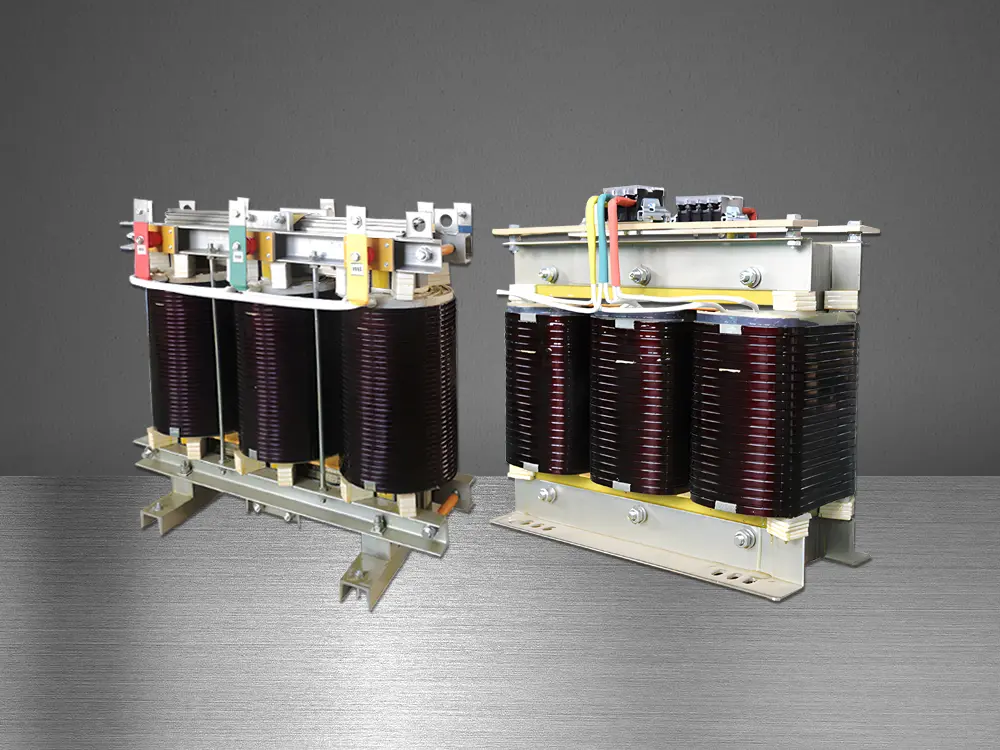 Three-Phase Isolation Transformer
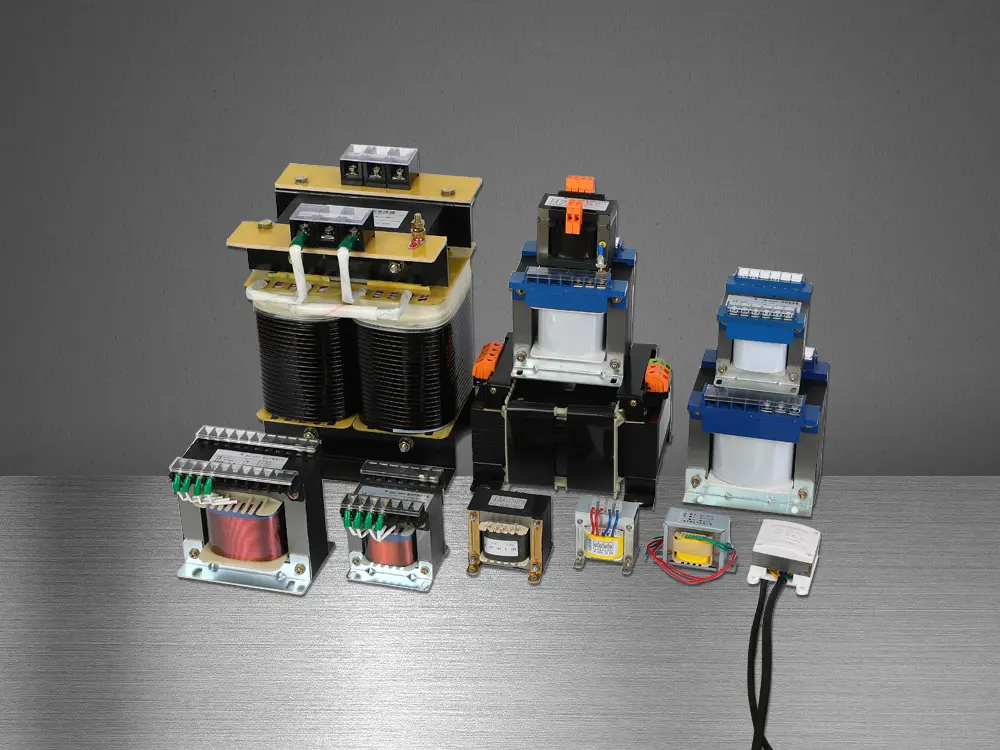 Control Transformer
 Medical IT Isolated Power System
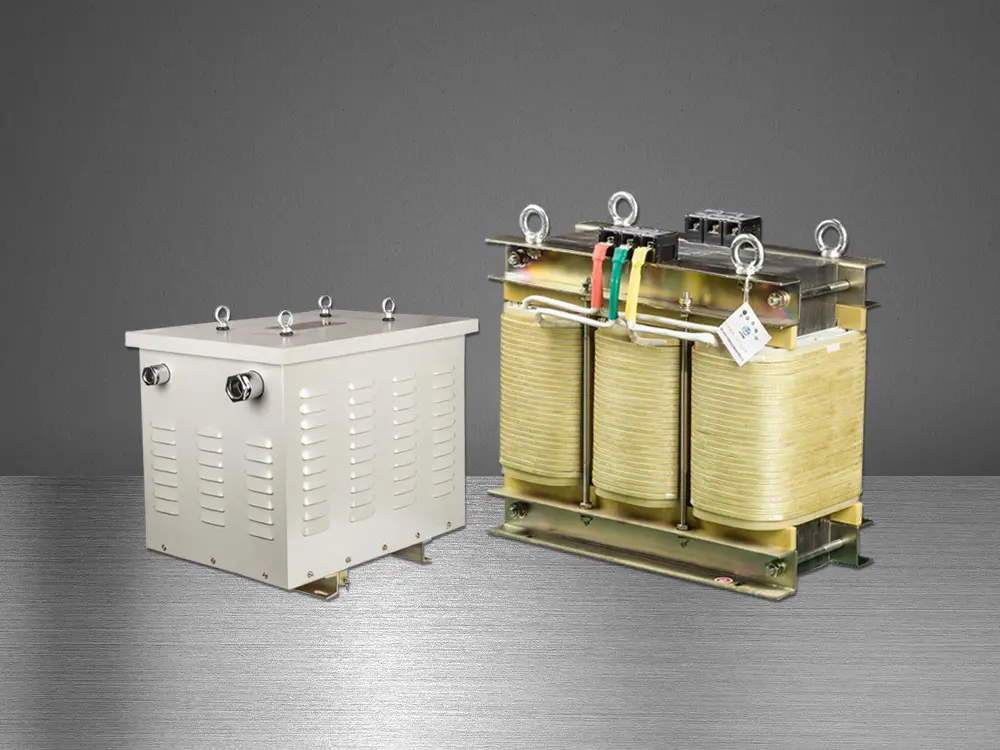 Marine Transformer
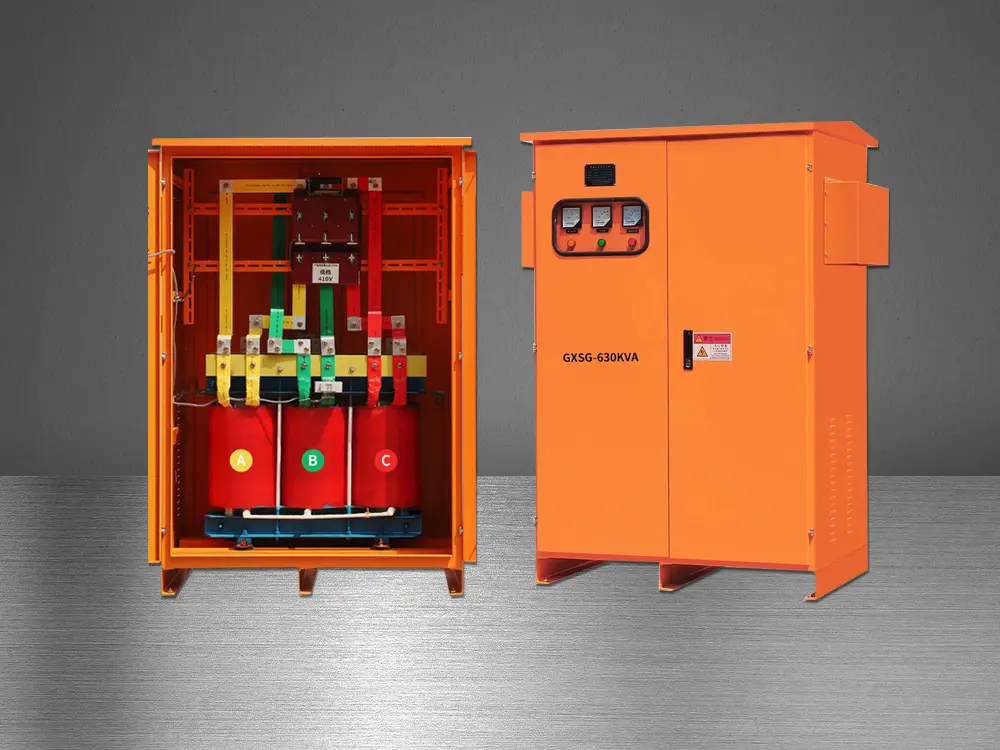 Tunnel Transformer
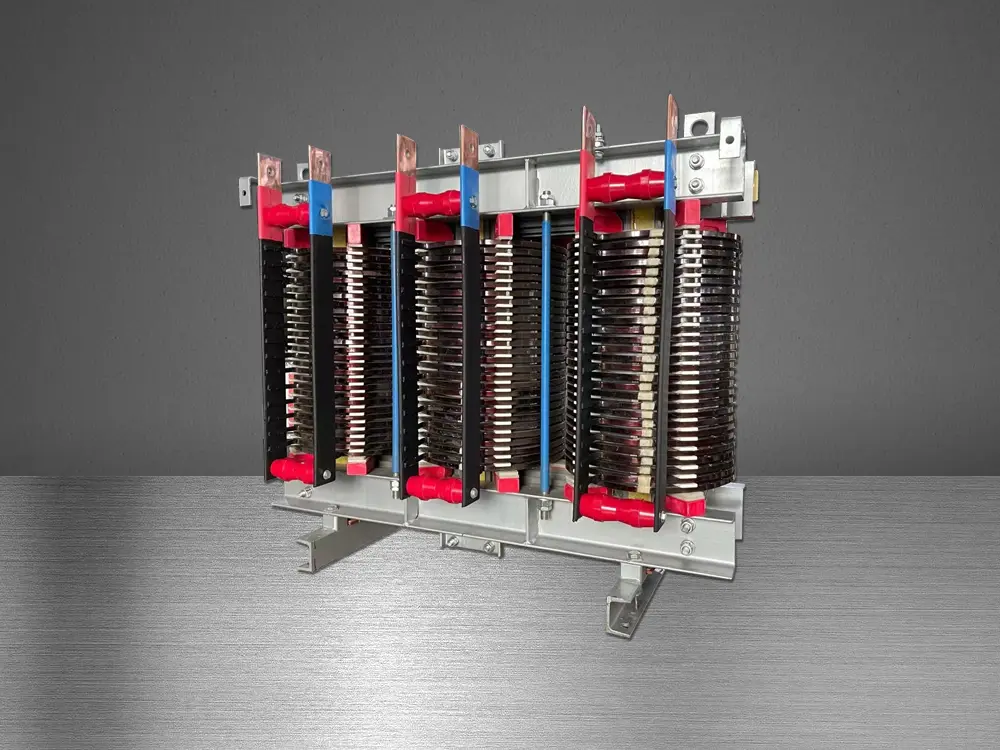 High Current Transformer
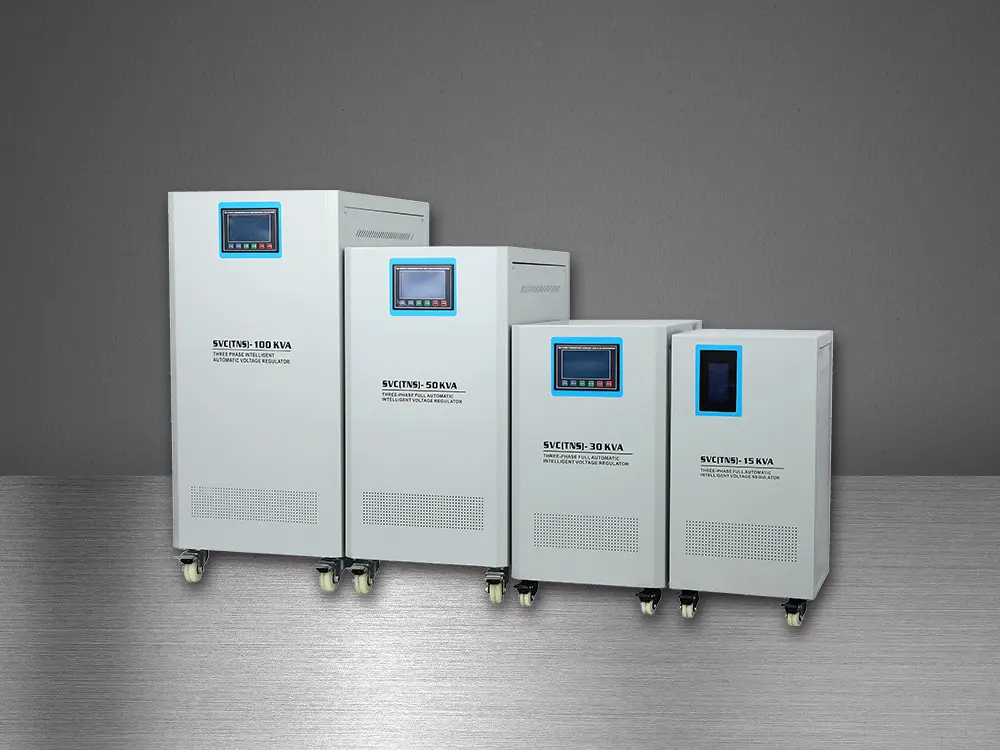 Automatic Voltage Regulator
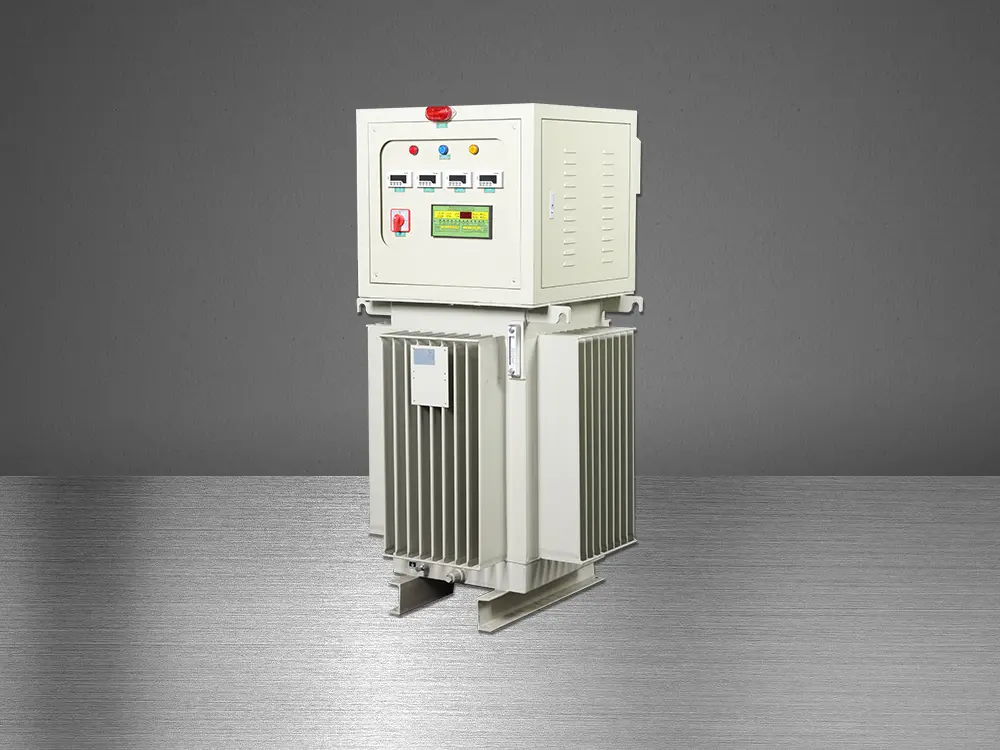 Oil Immersed Voltage Regulator