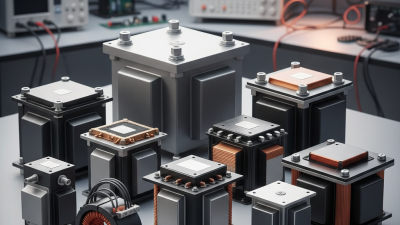
High Current Transformer Buying Guide for Global Importers
When considering a High Current Transformer, importers need comprehensive guidance. John Smith, an industry expert, emphasizes, "Choosing the right transformer can make or break your project." This highlights the critical nature of informed decisions in the high-current sector.
High Current Transformers are essential in various applications, including power generation and distribution. Their ability to handle significant electrical loads ensures efficient operation. However, not all transformers are created equal. Importers must assess specifications like current ratings, insulation levels, and build quality.
Notably, the market presents challenges in quality control. Some manufacturers may not meet international standards. This inconsistency can lead to performance issues or safety hazards. Thus, careful evaluation is crucial. Relying on proven suppliers and seeking certifications can alleviate these uncertainties.
Understanding High Current Transformers: Key Concepts and Types
High current transformers (HCTs) are crucial in various industrial applications. They help manage high electrical currents effectively. Understanding their key concepts is essential for importers. There are different types of HCTs available, each designed for specific needs.
One common type is the air-core transformer. It's lightweight and ideal for high-frequency applications. However, it can be sensitive to environmental factors. This type may not suit all applications due to its limitations. Oil-filled transformers, on the other hand, can handle larger currents. They offer better thermal stability but are bulkier and more challenging to install.
Knowledge of HCT ratings is vital. Current ratings and voltage levels ensure safe operation. Importers should pay attention to these specifications. It's also important to acknowledge the potential for failure. Proper testing and maintenance are necessary for reliability. Industry standards must be followed to avoid serious issues. Each application may demand a different approach, requiring careful evaluation.
Factors to Consider When Buying High Current Transformers
When buying high current transformers, several factors warrant careful consideration. The transformer's rating is crucial. This includes voltage levels and current capacity. Ensure that the specifications meet your particular needs. This avoids underperformance.
Another important aspect is the transformer's accuracy class. High precision is essential for measurement applications. Look for models that can minimize errors. This enhances overall system efficiency. Keep in mind that different manufacturers may offer varying accuracy levels. Researching these categories can save future headaches.
Tips for selection: always verify compliance with international standards. Quality certifications can guide your decisions. Examine installation and maintenance requirements as well. Simple models may require less upkeep. However, complex designs could demand regular servicing. Find a balance that suits your operational demands. Regular reviews can ensure the transformers are functioning optimally.
Evaluating Quality Standards and Certifications for High Current Transformers
When importing high current transformers, quality standards and certifications play a crucial role. Many industries rely on these transformers for efficiency and safety. According to a report by the International Electrotechnical Commission (IEC), about 30% of electrical faults in manufacturing can be traced back to substandard transformers. Ensuring compliance with relevant standards can significantly reduce risks.
Evaluating certifications such as ISO 9001 and IEC 60076 is essential. These certifications confirm that manufacturers adhere to international quality management principles. A study revealed that companies with improved transformer quality achieved a 25% increase in operational efficiency.
Tip: Always request documentation of certifications. This step can prevent potential issues later on.
Understanding the differences in regional quality standards is important. Countries may have unique requirements that vary from IEEE to IEC standards. Researching these can save importers from costly compliance violations.
Tip: Compare the specifications of different suppliers carefully. Quality may vary significantly.
Investing time in evaluating quality standards and certifications will pay off. Transformers are vital components that impact the reliability of electrical systems. Importers need to prioritize quality to ensure safety and performance.
Identifying Reliable Suppliers and Manufacturers for Global Imports
Finding reliable suppliers and manufacturers for high current transformers is essential for global importers. The global high current transformer market is projected to grow at a CAGR of 5.7% from 2023 to 2030, emphasizing the importance of quality sourcing. Importers should prioritize suppliers with proven engineering expertise and robust quality control practices. Look for manufacturers with certifications such as ISO 9001, which indicate adherence to international quality standards.
It's crucial to assess potential suppliers through their production capabilities. Many suppliers might showcase advanced technology in their marketing materials. However, actual performance data is the key. For example, a report by MarketsandMarkets reveals that around 25% of transformers fail due to subpar materials. Importers need to review product testing protocols. Are suppliers transparent about their materials and processes?
Lastly, consider customer feedback. Market research indicates that up to 40% of dissatisfied customers cite unreliable supplier communication as a primary issue. Engaging in thorough due diligence can prevent costly mistakes down the line. This focus on reliability and quality is vital for maintaining supply chain integrity in today's competitive landscape.
High Current Transformer Buying Guide for Global Importers - Identifying Reliable Suppliers and Manufacturers for Global Imports
| Supplier Location |
Product Type |
Rated Current (A) |
Certification |
Lead Time (Weeks) |
Minimum Order Quantity |
| China |
Enameled Wire |
1000 |
ISO 9001 |
12 |
50 |
| India |
Resin Cast |
1500 |
CE, UL |
8 |
100 |
| Germany |
Oil Filled |
2000 |
DIN, IEC |
10 |
20 |
| USA |
Dry Type |
3000 |
NEMA, ANSI |
14 |
30 |
| Japan |
Current Transformer |
2500 |
JIS |
6 |
10 |
Navigating Logistics and Shipping for High Current Transformer Purchases
When importing high current transformers, logistics and shipping can pose significant challenges. These heavy and bulky components often require specialized transport solutions. Understanding the intricacies of international shipping can save time and costs. Many importers find that coordinating with a freight forwarder can simplify this process. A good forwarder will help navigate customs and regulations.
Shipping documents are critical in ensuring smooth transit. Misplaced paperwork often leads to delays. Prepare a checklist of required documents, including commercial invoices and packing lists. While it seems straightforward, organization is key. Many importers overlook this aspect, which can cause frustration when items arrive late.
Quality control is also vital during shipping. Inspect goods before dispatch. High current transformers must meet specific standards. Any mishap during transportation can lead to expensive repairs or replacements later. Ensuring that transit methods match the load's specifications is essential.
There can be unexpected issues, such as weather delays or customs inspections. Being prepared for such scenarios will help mitigate risks.

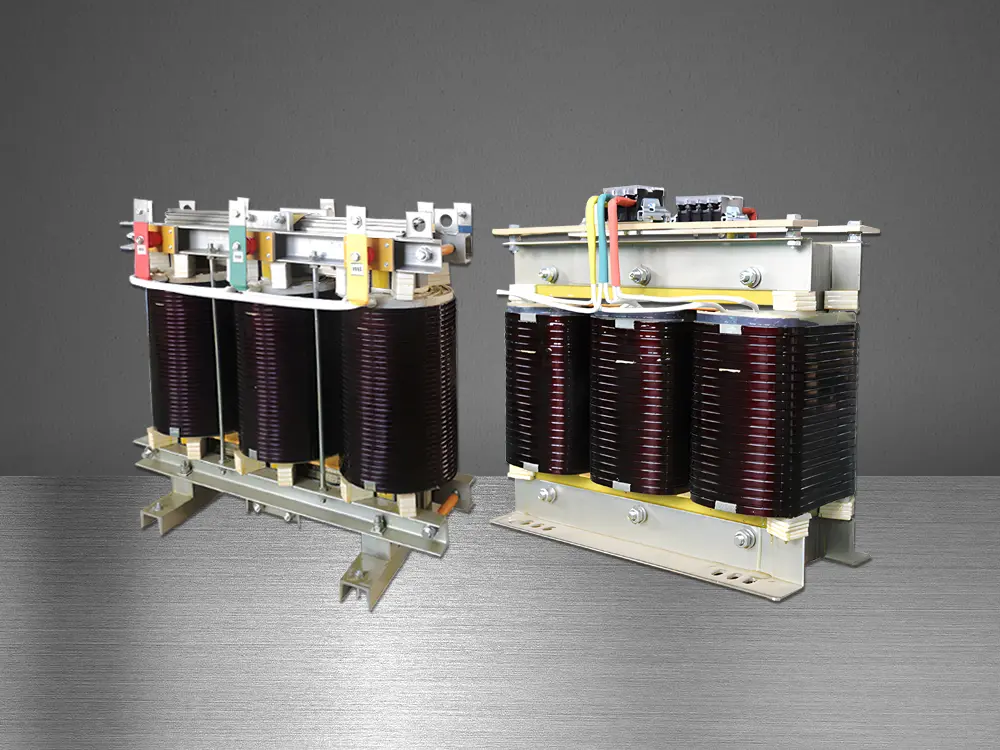 Three-Phase Isolation Transformer
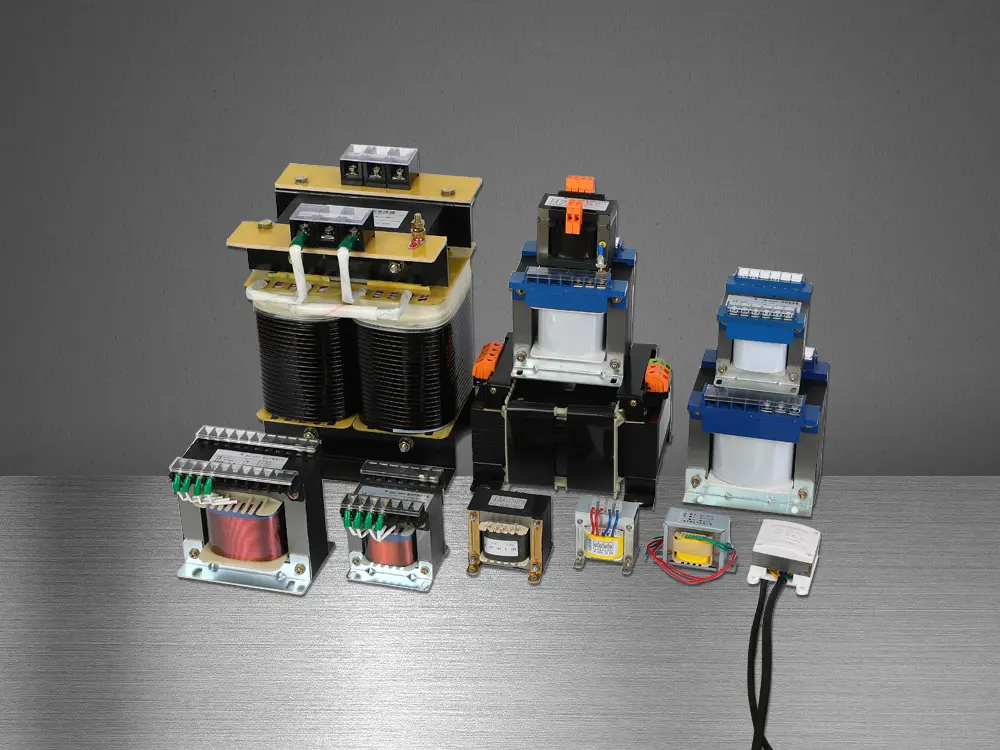 Control Transformer
 Medical IT Isolated Power System
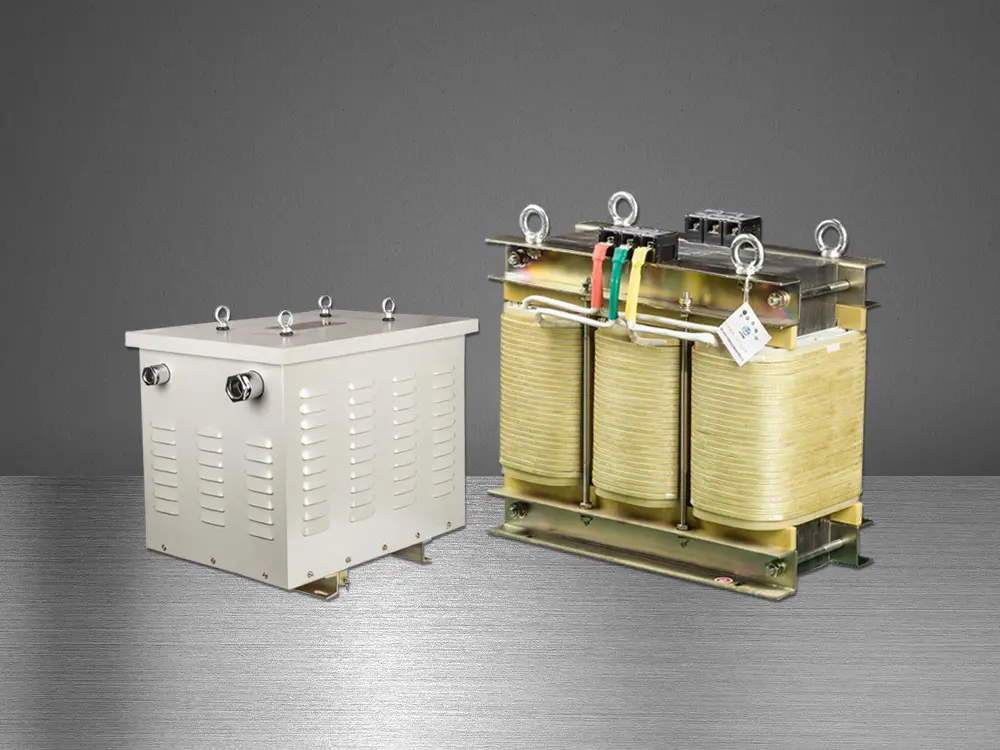 Marine Transformer
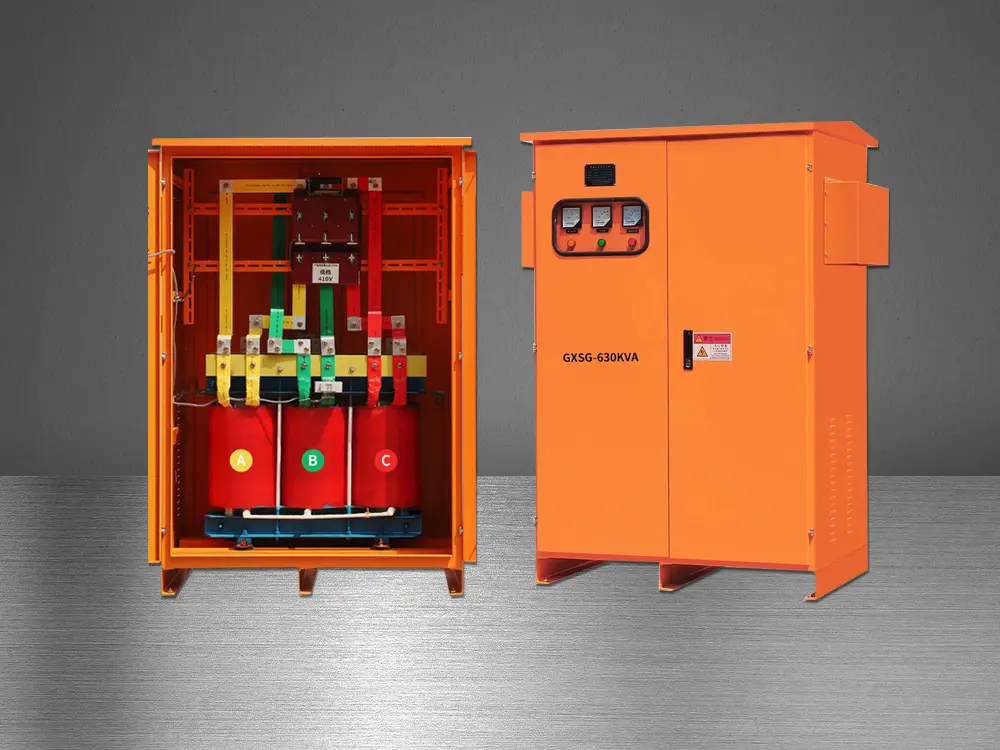 Tunnel Transformer
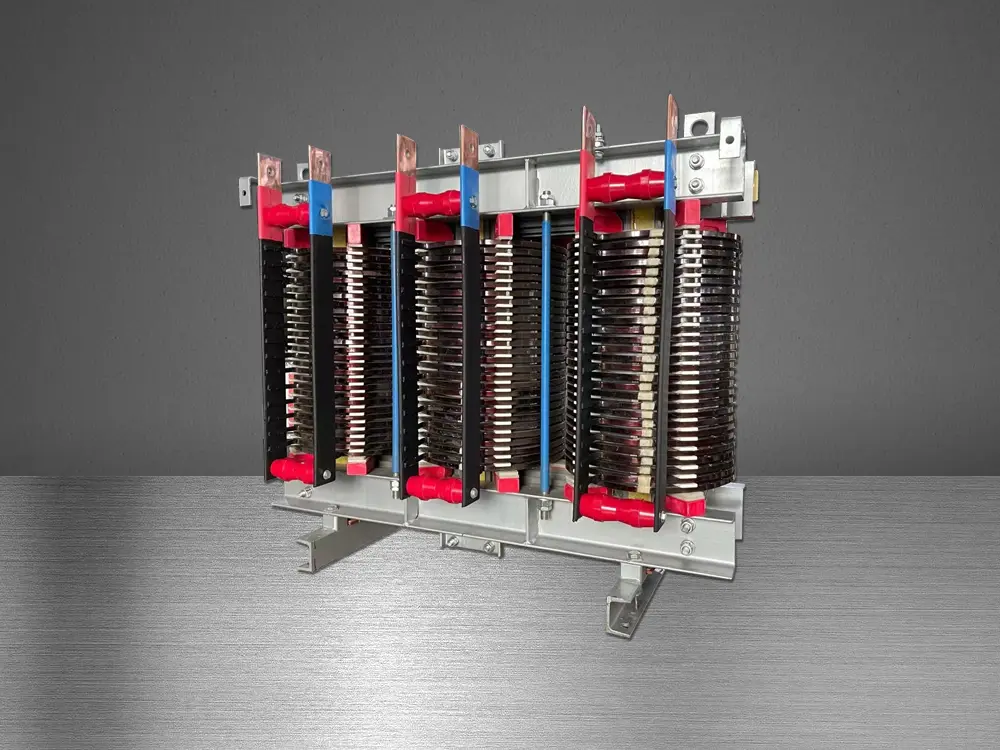 High Current Transformer
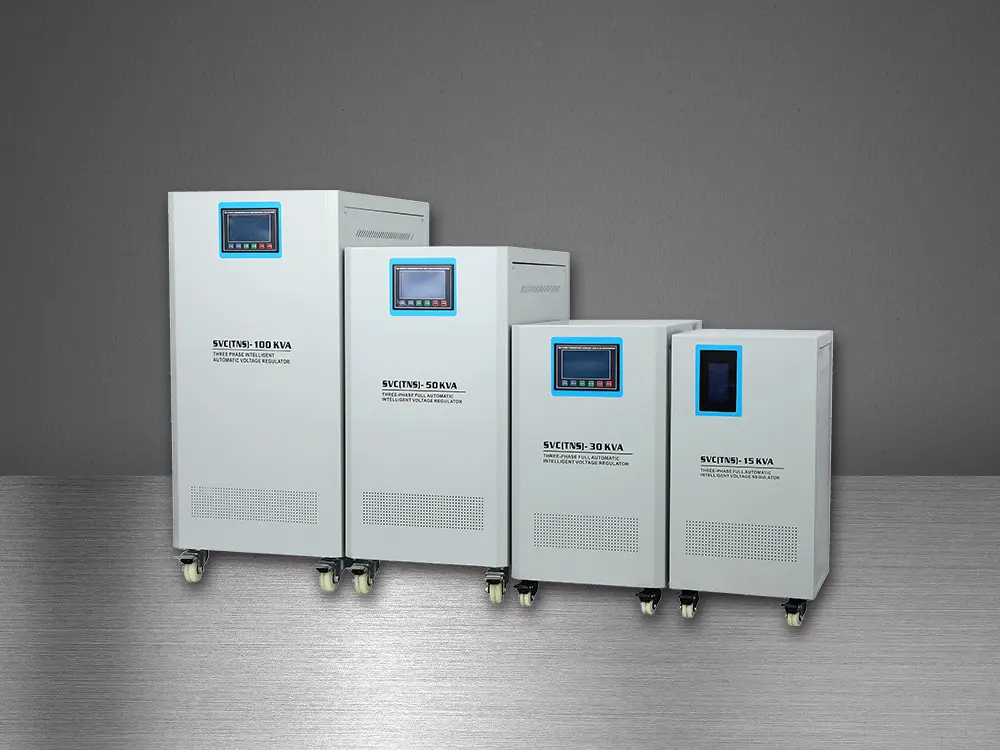 Automatic Voltage Regulator
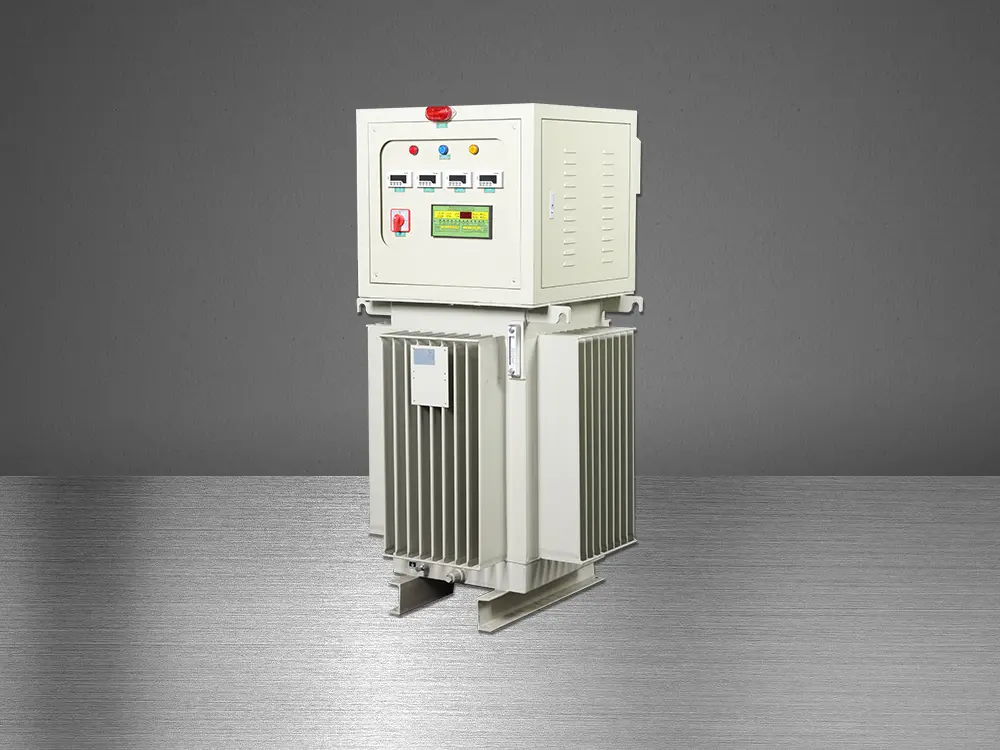 Oil Immersed Voltage Regulator