China Top 10 Power Supply Isolation Transformers You Should Know?
Power Supply Isolation Transformers are essential components in many electrical systems. They ensure safety and efficiency in various applications, from industrial machinery to consumer electronics. According to Dr. Emily Chen, a renowned expert in electrical engineering, “Power Supply Isolation Transformers create a barrier, enhancing both operational safety and performance.”
These transformers serve a critical role in reducing electrical noise and potential hazards. By isolating different circuits, they protect sensitive equipment from voltage spikes and other disturbances. Moreover, their ability to manage power quality is often overlooked but is vital in ensuring uninterrupted performances.
Despite their importance, users often miss key specifications when selecting a Power Supply Isolation Transformer. Many assume that a standard transformer will suffice, neglecting specific needs such as capacity and insulation class. It's crucial to reflect on these choices. Selecting the appropriate transformer can significantly impact the longevity and reliability of your systems.
Top Features of Power Supply Isolation Transformers in China
Power supply isolation transformers play a crucial role in electrical systems across various sectors in China. These devices primarily protect sensitive equipment from electrical disturbances. They ensure a stable and safe power supply, minimizing the risk of damage. With continued industrial growth, their demand has significantly risen.
One key feature to consider is their voltage regulation capability. Precision in voltage output is essential for many operations. Additionally, isolation transformers enhance safety by reducing shock hazards. They can isolate the load from the power source effectively. Another highlight is their ability to filter electromagnetic interference. This helps maintain the integrity of sensitive electronic devices.
However, choosing the right isolation transformer is not without challenges. Sometimes, manufacturers do not provide clear specifications. This lack of transparency can lead to confusion about performance limits. Users may find it difficult to evaluate options effectively without reliable data. It is essential to conduct thorough research and seek expert advice when selecting these transformers. Balancing cost and quality can also be tricky. Attention to these factors is vital for making informed decisions.
Market Overview: Growth Trends and Key Statistics in Transformer Industry
The transformer industry in China has shown remarkable growth in recent years. A significant increase in demand for power supply isolation transformers has been observed. This surge is largely driven by the expansion of renewable energy sectors and manufacturing industries. Enhanced energy efficiency and safety measures are vital in this context. Businesses are progressively investing in high-quality transformers to meet stringent regulations.
However, there are challenges present. Many manufacturers struggle to maintain consistent quality while scaling production. This inconsistency can lead to performance issues. Suppliers need to focus on reliability and ongoing technological improvements. Pricing pressures also impact the market, as companies navigate the balance between cost and quality.
Consumer awareness is rising, which drives demand for more reliable products. Understanding the technical specifications of transformers has become essential for decision-makers. Businesses should prioritize training and education on product selection. This will enable them to make informed choices. The transformer market's future looks promising, but certain aspects require continuous evaluation and adaptation.
Applications of Isolation Transformers in Various Sectors
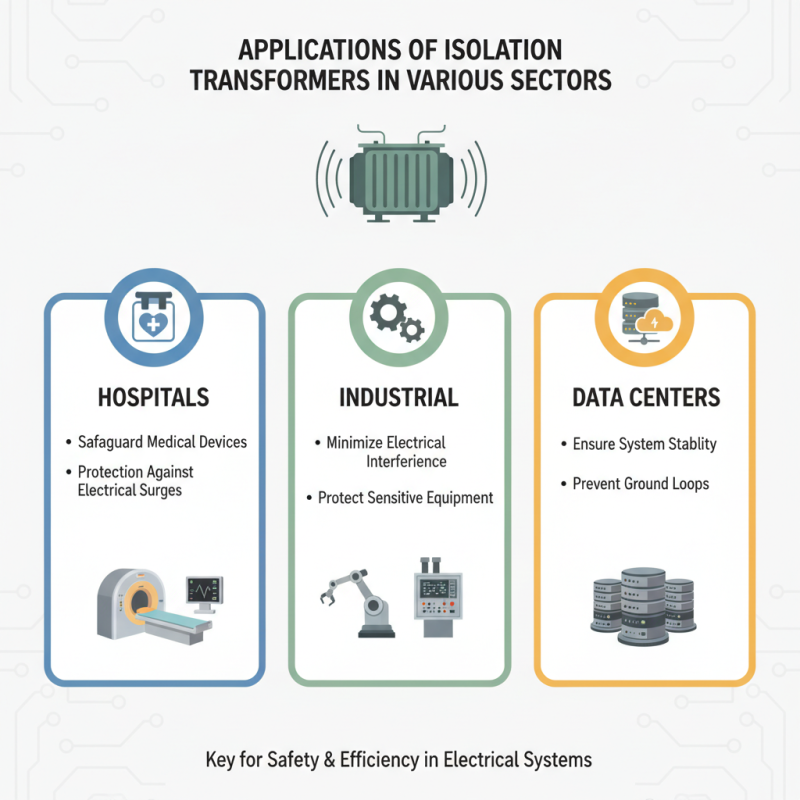
Isolation transformers play a critical role in various sectors, ensuring safety and efficiency. These devices help to minimize interference in electrical systems. Their primary function is to isolate the primary side from the secondary side, thus protecting sensitive equipment. Commonly found in hospitals, they safeguard medical devices against electrical surges.
In industrial settings, isolation transformers enhance equipment performance. They reduce noise and improve power quality. This is crucial in manufacturing processes where precision matters. A small electrical glitch can lead to product defects. Proper usage can significantly lower such risks.
**Tip:** Regular maintenance of transformers is essential. Check for any physical wear or signs of overheating. Identifying issues early can save costs and prevent downtime. Isolation transformers also find application in telecommunications, ensuring stable operations. They mitigate disturbances that could compromise communication quality. Using isolation transformers can enhance system reliability.
Leading Manufacturers and Their Innovations in Isolation Transformers
In the world of power supply,
isolation transformers play a crucial role in
safeguarding electrical systems. Leading manufacturers are consistently innovating to enhance
safety and reliability. Their engineers focus on reducing electromagnetic interference,
vital for sensitive equipment. These advancements ensure smoother operations in diverse sectors.
One intriguing innovation is the development of compact models.
These units retain efficiency while minimizing space. Manufacturers are increasingly emphasizing
energy efficiency and heat dissipation. Many designs
now include advanced cooling mechanisms to prevent overheating, which can harm performance.
However, challenges remain. Some older designs still dominate the market,
hindering progress. Transitioning to advanced isolation transformers requires significant investment.
Users often express concerns over compatibility with existing systems.
Effective communication between manufacturers and clients is essential for addressing these issues.
Understanding customer needs can lead to better product design and implementation.
Comparison of Efficiency and Performance Metrics in Top Models
When considering power supply isolation transformers, efficiency and performance metrics are paramount. These metrics determine how well a transformer operates under varying loads. Key factors include voltage regulation, load capacity, and harmonic distortion. An efficient model minimizes energy loss while ensuring stable output. Performance can vary significantly among different models, making thorough comparison essential.
For improved decision-making, analyze voltage regulation in the chosen transformers. It highlights how well a transformer maintains output voltage despite changes in load. Another critical metric is load capacity, dictating how much current the transformer can handle safely. Keep an eye on harmonic distortion percentages, as lower values indicate a cleaner output with less interference.
Tips: Understand your specific requirements before making a choice. Assess the environment where the transformer will be installed. Not every model suits every application. Additionally, consider future expansion needs, as this can affect long-term performance. Testing transformers under real conditions can reveal hidden inefficiencies. So, don't settle for surface-level comparisons when making your selection.

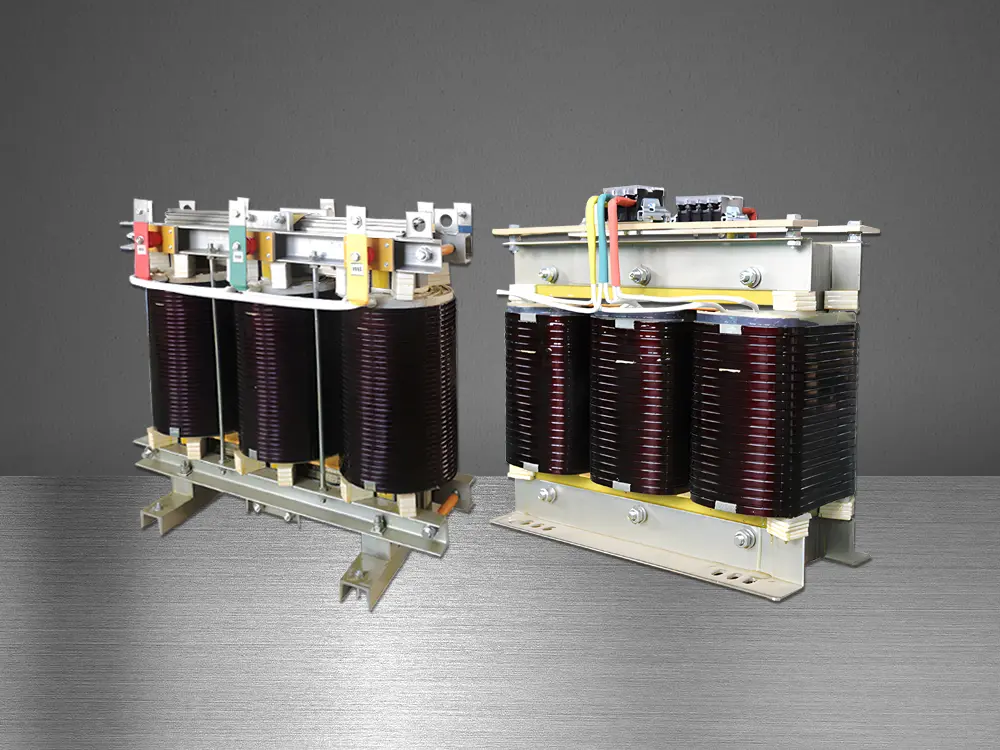 Three-Phase Isolation Transformer
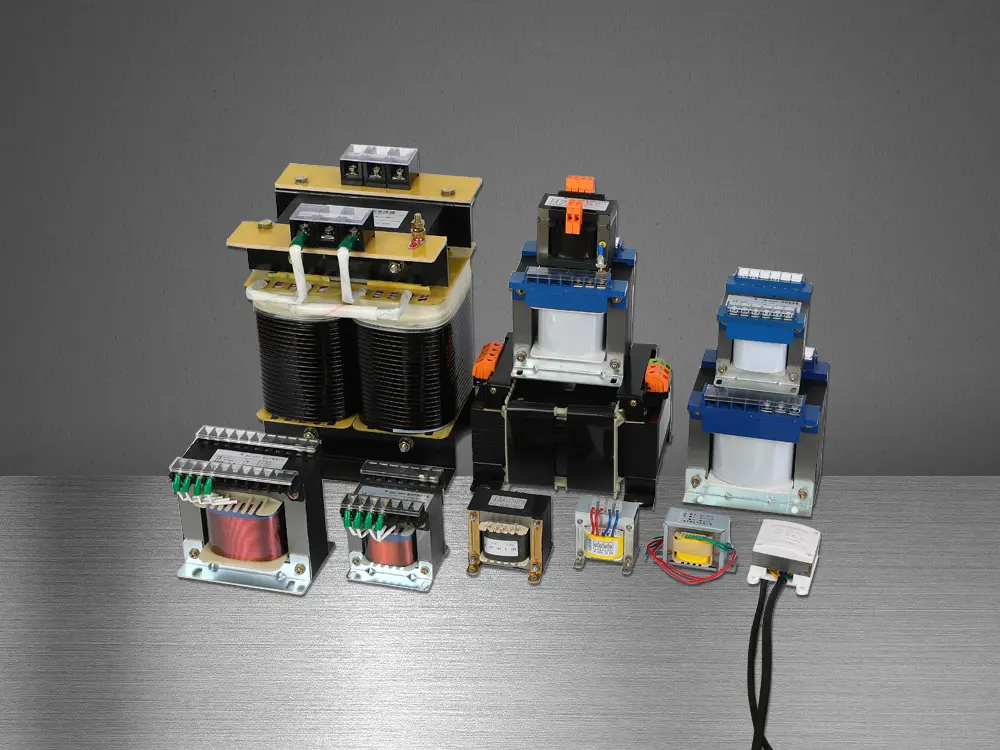 Control Transformer
 Medical IT Isolated Power System
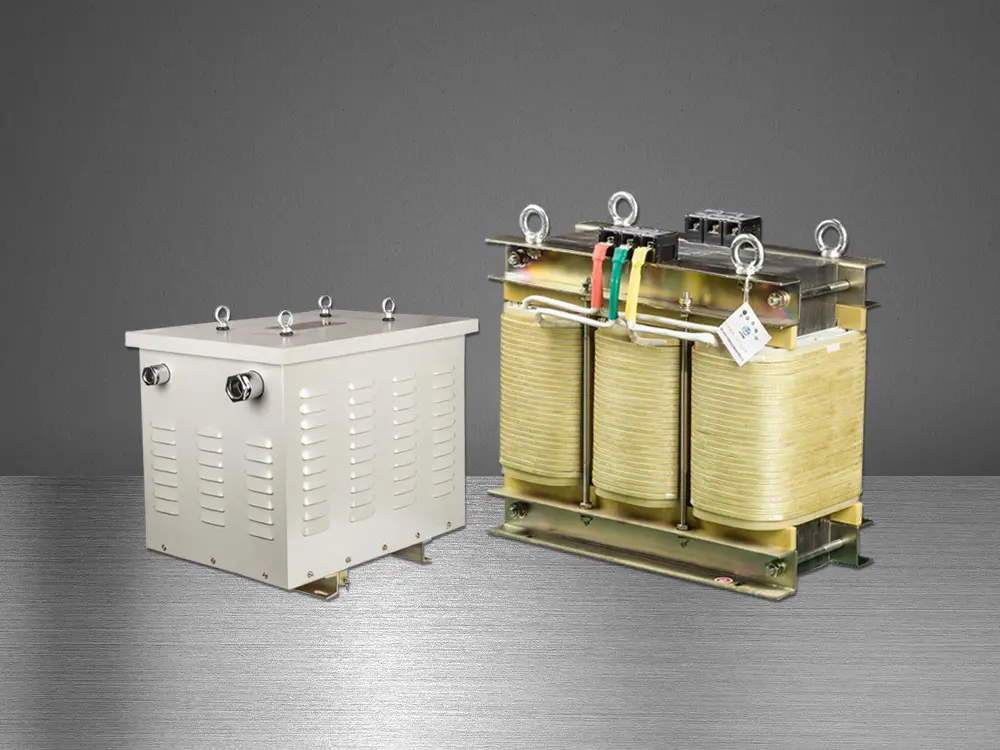 Marine Transformer
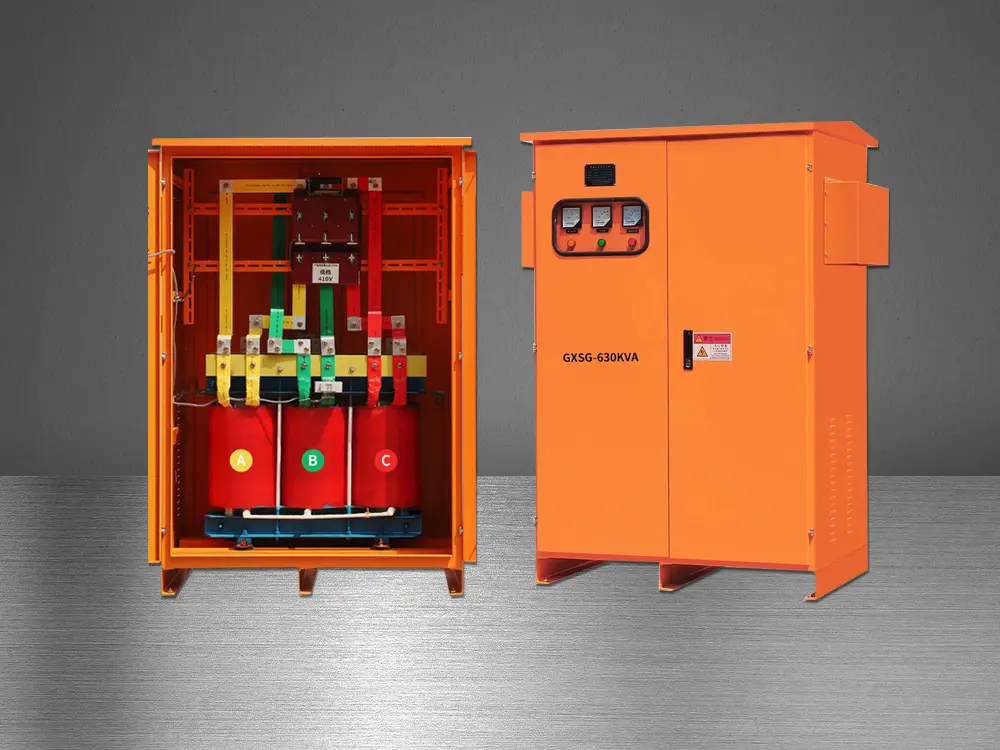 Tunnel Transformer
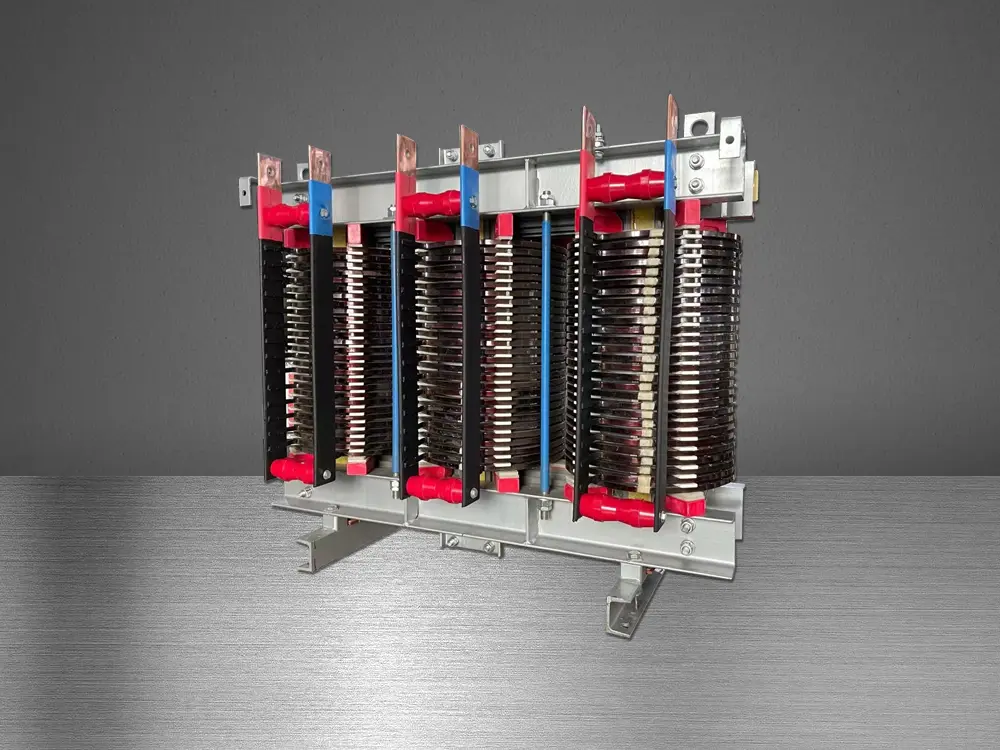 High Current Transformer
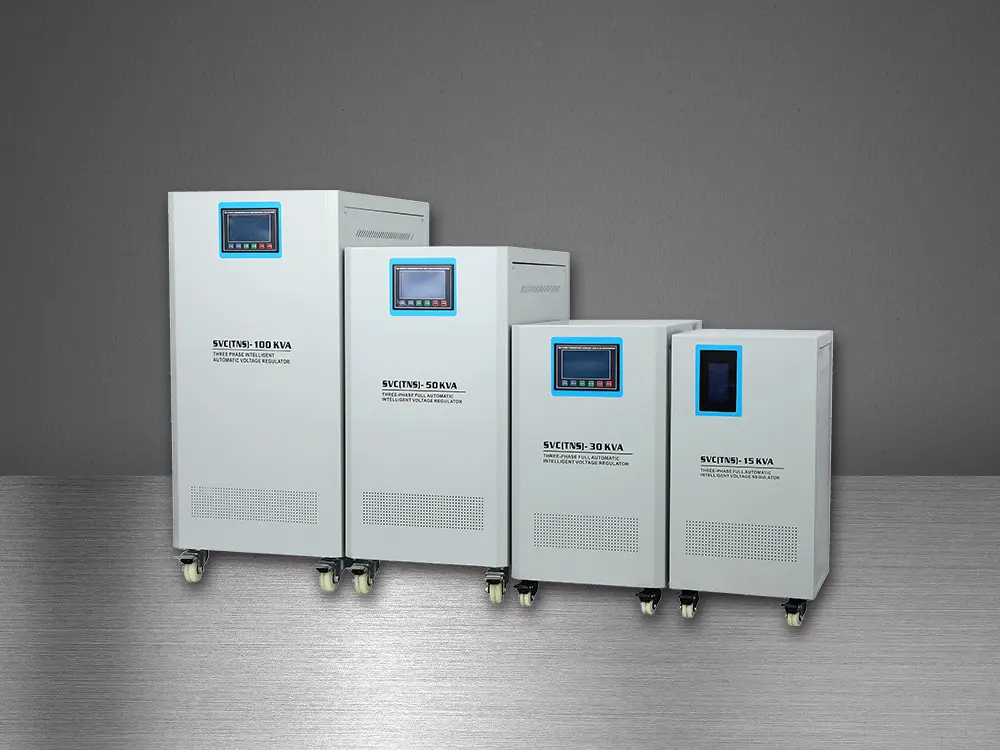 Automatic Voltage Regulator
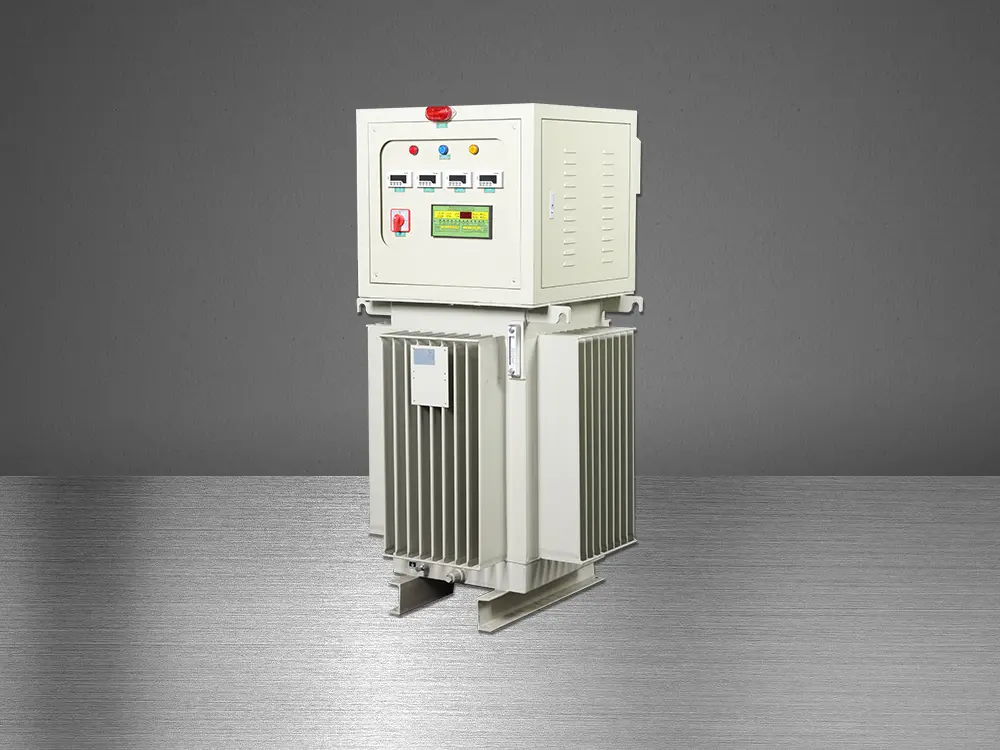 Oil Immersed Voltage Regulator