2026 Best Avr Automatic Voltage Regulator Models to Consider?
In the quest for reliable power management, the "Avr Automatic Voltage Regulator" stands out as a critical tool. Expert Dr. Emily Collins, a leading authority in electrical engineering, has stated, "Choosing the right AVR can significantly enhance system stability." This statement reflects the importance of selecting the best models tailored to specific needs.
As technology advances, the 2026 models of AVRs come packed with innovative features. These improvements aim to provide more efficient voltage regulation, ensuring the safety of connected devices. However, not all models will suit every application. Users must assess their requirements carefully to avoid potential pitfalls.
It's essential to recognize that the market is saturated with various options. Some models may offer unnecessary complexity, while others might lack essential features. Being informed about these factors will help you make a better decision. The challenge lies in finding a balance between performance and usability in your "Avr Automatic Voltage Regulator.

Overview of AVR (Automatic Voltage Regulators) Technology
Automatic Voltage Regulators (AVRs) play a critical role in maintaining a stable electrical supply. They are essential for protecting sensitive equipment from voltage fluctuations. Most AVRs operate using electromagnetic or electronic technologies. This helps to effectively stabilize voltage levels, ensuring that appliances receive consistent power.
Recent industry reports indicate that about 30% of electrical equipment failures are due to voltage irregularities. This underscores the importance of investing in reliable AVRs. In addition, research from the International Electrotechnical Commission (IEC) highlights that a well-functioning AVR can prolong the life of machinery by up to 20%.
However, the technology is not without its challenges. Some AVRs may respond slowly to voltage changes, leading to temporary dips in power quality. It's crucial for users to assess their specific environment and requirements before selecting an AVR model. Emerging technologies continue to improve response times, but potential users must remain vigilant about ongoing maintenance and upgrades.
Key Features to Look for in AVR Models
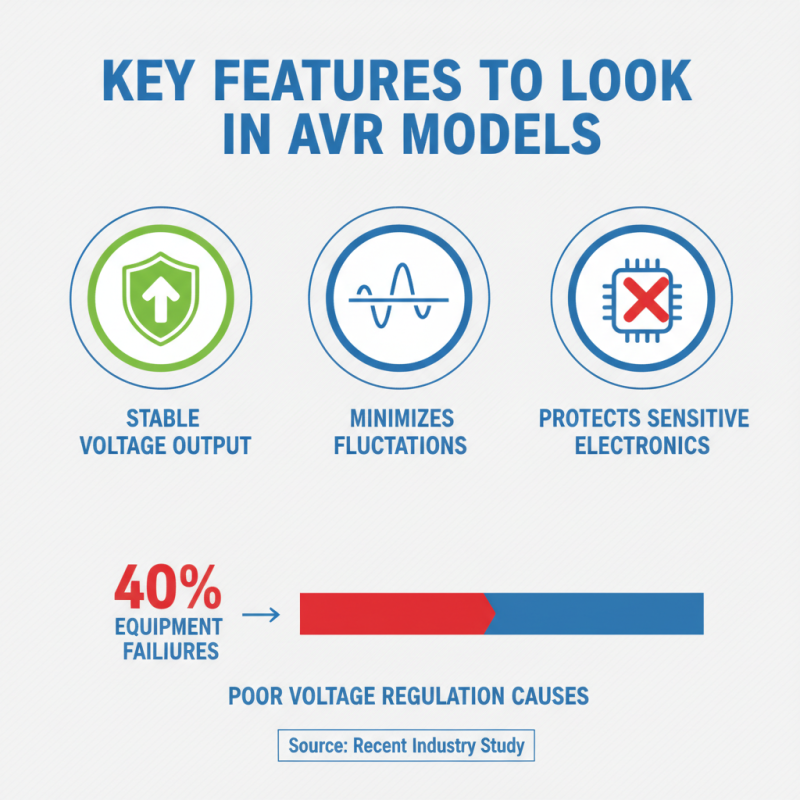
When choosing an Automatic Voltage Regulator (AVR), certain key features should be a priority. Stability in voltage output is essential. An effective AVR minimizes fluctuations, ensuring that equipment operates correctly. Inconsistent voltage can damage sensitive electronics. A recent study highlighted that 40% of voltage-related equipment failures stem from poor regulation.
Another critical feature is responsiveness. The best AVRs react swiftly to changes in voltage levels. A delay in response can lead to equipment failures. Devices with a reaction time under 20 milliseconds are considered excellent in most industry reports. Look for adjustable settings, too, which allow customization based on specific needs. This adaptability increases the AVR's versatility across various applications.
Moreover, consider the efficiency rating of the AVR. Higher efficiency means less energy waste, contributing to reduced operational costs. Statistics show that high-efficiency models can save users up to 15% on energy bills. Select a model that showcases certification from reputable organizations. This gives assurance about its performance and reliability in real-world conditions. Investing time in evaluating these features will pay off significantly in the long run.
Top 2026 AVR Models and Their Specifications
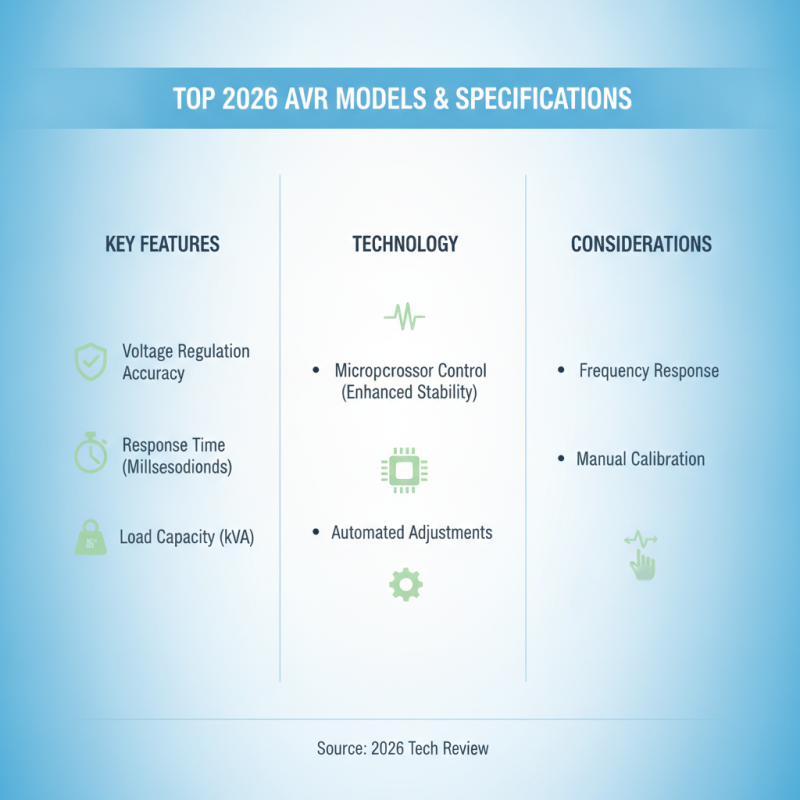
When selecting the best AVR (automatic voltage regulator) models for 2026, users should focus on key specifications. Important features include voltage regulation accuracy, response time, and load capacity. Models with advanced microprocessor control often provide better stability. Monitor how the frequency response differs among models. Some automate adjustments, while others require manual calibration.
Consider the installation process and size. Compact models might fit easily in tight spaces. Larger units may not be as flexible but can handle greater loads. Look for user-friendly interfaces; they enhance usability, especially for those less experienced with electrical systems.
Tips: Regular maintenance is crucial for optimal performance. Check connections and dust regularly to avoid overheating. Keep in mind that the most expensive model is not always the best choice. Evaluate your specific needs before purchasing, as some features may be unnecessary for lesser power demands. A reflective approach ensures you choose the right fit without overspending.
Comparative Analysis of Performance and Reliability
In the quest for reliable power management, automatic voltage regulators (AVRs) play a crucial role. Their performance and reliability can significantly impact both individual consumers and industrial applications. According to a report by the International Energy Agency, nearly 30% of electrical issues stem from voltage fluctuations. This statistic underlines the importance of selecting effective AVRs.
A well-performing AVR can enhance equipment lifespan and reduce operational costs. Studies show that models with superior transient response times can effectively stabilize voltage within milliseconds. However, not all AVRs exhibit the same reliability thresholds. Data indicates that some lower-tier models may fail under high-stress conditions, leading to equipment damage or outages.
When considering an AVR, one should pay attention to its load capacity and the environment in which it operates. For instance, some models may excel in clean, controlled environments but falter in dusty or humid conditions. Identifying these nuances is crucial. Investing in an AVR is not just about features; it’s also about understanding your specific needs and potential vulnerabilities.
Comparative Analysis of Performance and Reliability of Automatic Voltage Regulators (2026)
This chart illustrates the performance and reliability scores of various automatic voltage regulator models based on user reviews and technical specifications.
User Reviews and Expert Recommendations for AVRs
When choosing the best automatic voltage regulator (AVR) models, user reviews provide valuable insights. Customers often share experiences about performance, reliability, and ease of use. Some mention issues with installation, while others highlight seamless integration with existing equipment. These real-life accounts help potential buyers gauge a unit's effectiveness.
Expert recommendations offer another layer of credibility. Professionals analyze specifications, power output, and features. They assess how well different models handle various voltage conditions. Many experts stress the importance of selecting an AVR that matches your specific needs. Common advice includes considering the unit's capacity and response time. However, even expert advice can have nuances. Different environments might affect an AVR's performance unpredictably.
Customer reviews and expert feedback both highlight a mix of satisfaction and concerns. Users often experience unexpected challenges, such as noise levels or fluctuating voltage stability. It's critical to weigh both positive and negative comments. This holistic approach fosters informed decision-making for users seeking reliability and efficiency in their AVRs.
2026 Best Avr Automatic Voltage Regulator Models to Consider
| Model |
Voltage Range (V) |
Output Power (kVA) |
Response Time (ms) |
User Rating (Out of 5) |
Key Features |
| Model A |
110-240 |
5 |
20 |
4.7 |
Compact Design, High Efficiency |
| Model B |
100-230 |
3.5 |
25 |
4.5 |
Digital Display, Surge Protection |
| Model C |
120-240 |
10 |
15 |
4.8 |
Overload Protection, Lightweight |
| Model D |
110-220 |
8 |
30 |
4.3 |
Noise Reduction, Eco-Friendly |

 Three-Phase Isolation Transformer
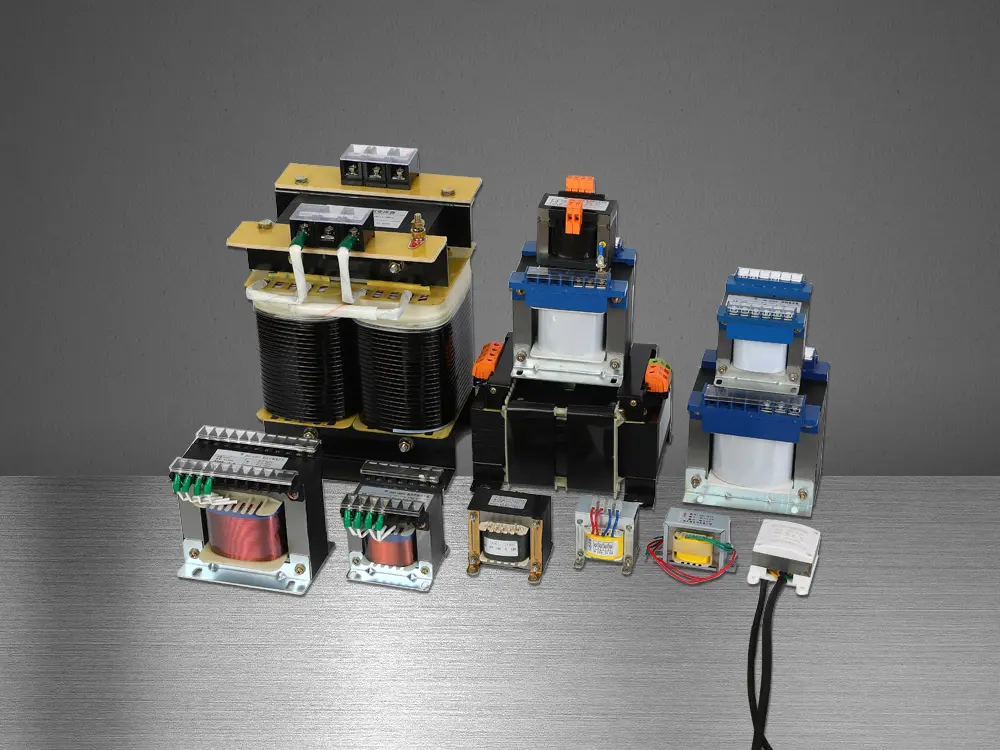 Control Transformer
 Medical IT Isolated Power System
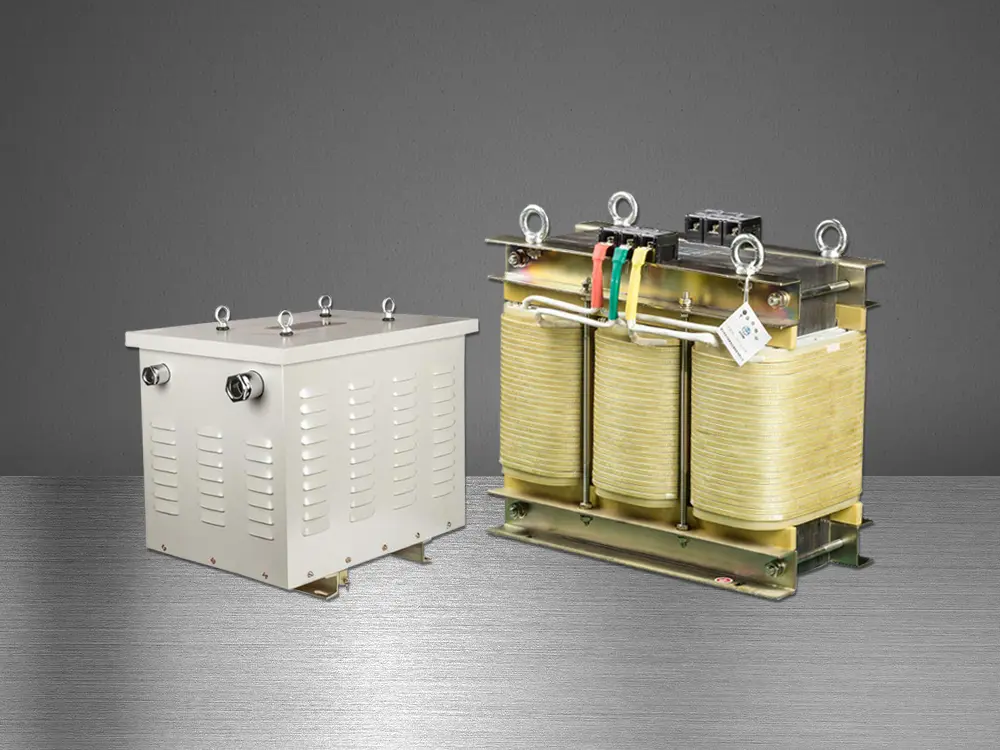 Marine Transformer
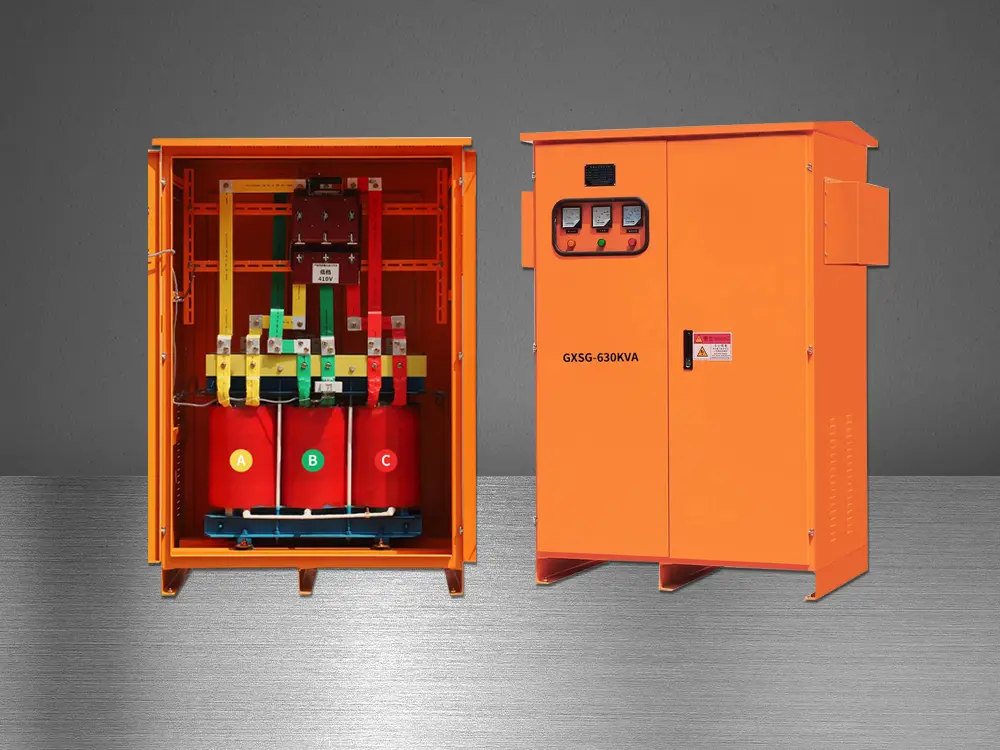 Tunnel Transformer
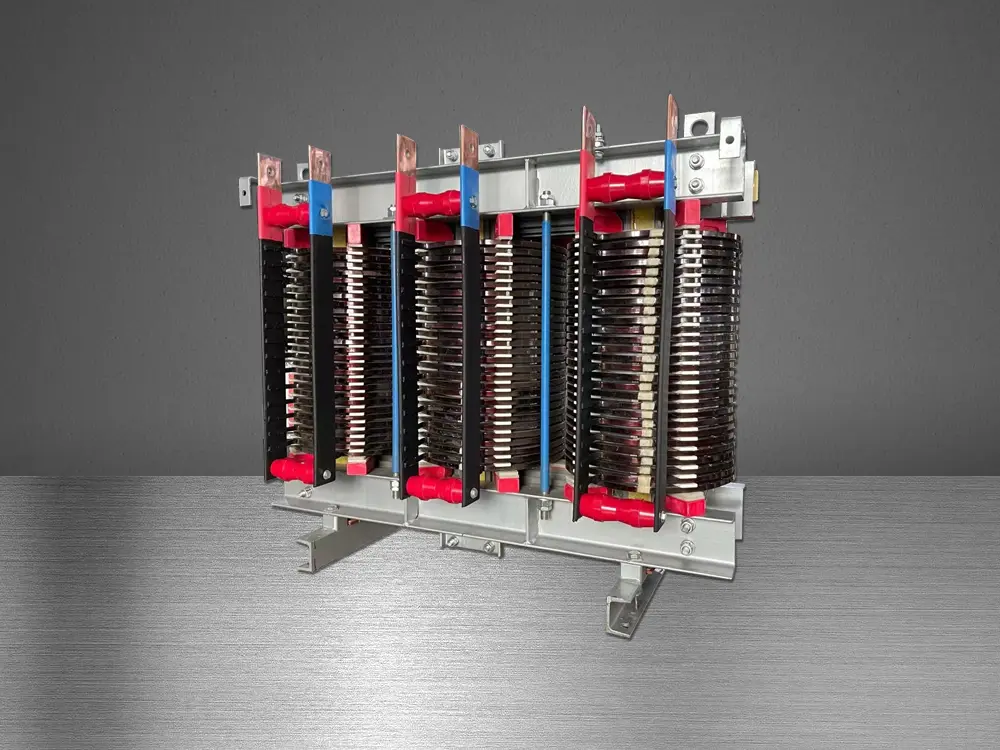 High Current Transformer
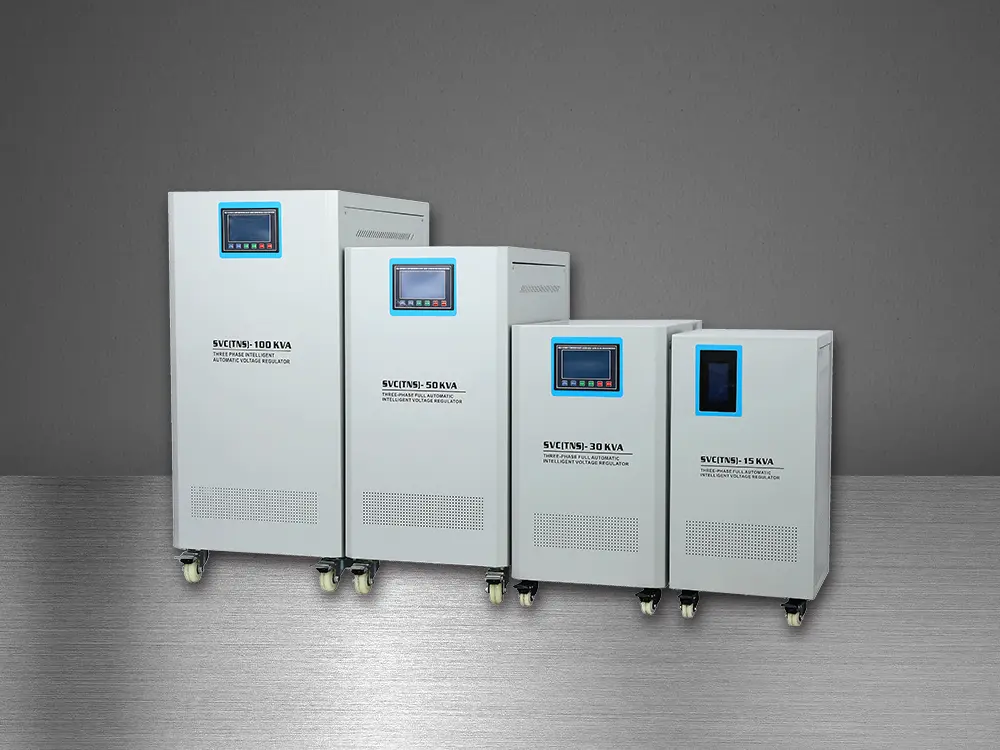 Automatic Voltage Regulator
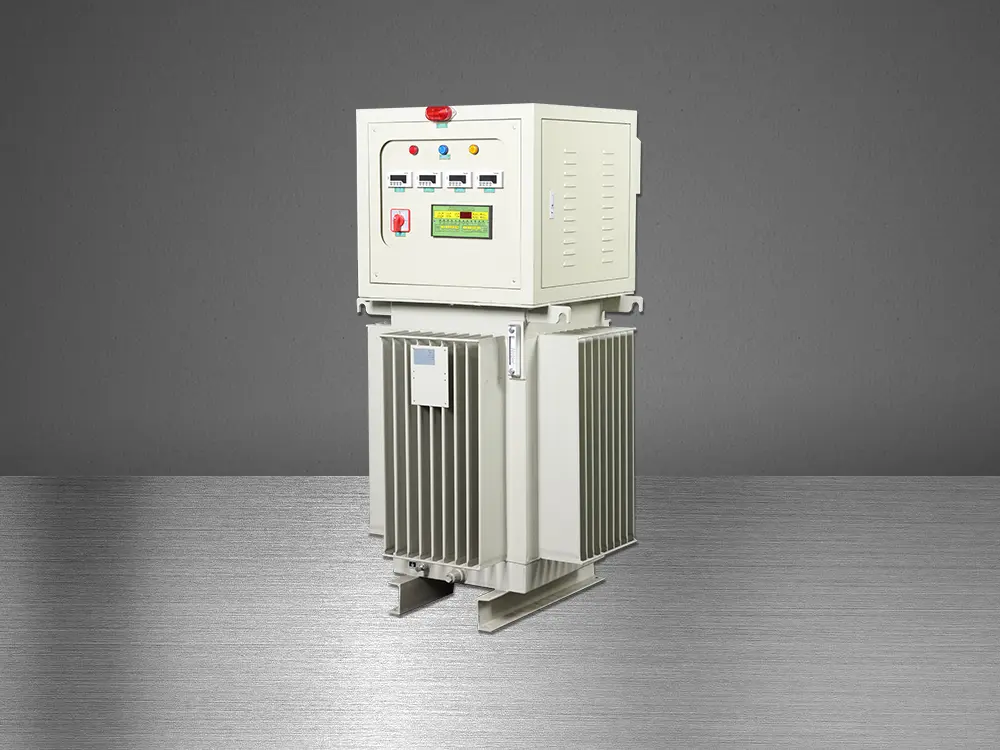 Oil Immersed Voltage Regulator