China Top High Voltage Current Transformer Applications and Innovations?
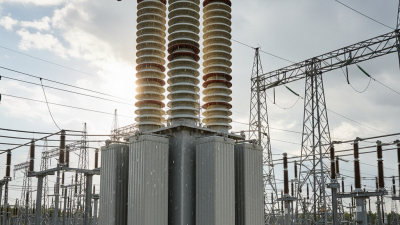
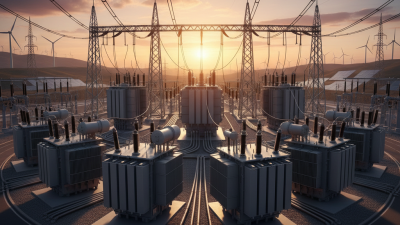
High Voltage Current Transformers (HVCTs) play a crucial role in the modern electrical landscape. Their capacity to manage high voltages makes them essential in substations and power distribution systems. In China, the demand for HVCTs is rising due to rapid urbanization and industrial growth. This push has led to notable innovations in design and application.
Several manufacturers are exploring new materials and technologies. These advancements promise enhanced reliability and efficiency. Yet, challenges persist. Addressing issues like cost and maintenance remains vital. Industry experts highlight the need for ongoing research to overcome these hurdles.
As the market continues to evolve, the importance of HVCTs will only grow. New applications and innovative solutions are redefining their role. Understanding these changes is crucial for stakeholders in the energy sector. The journey of High Voltage Current Transformers in China reflects both progress and the need for reflection.
Overview of High Voltage Current Transformers in China
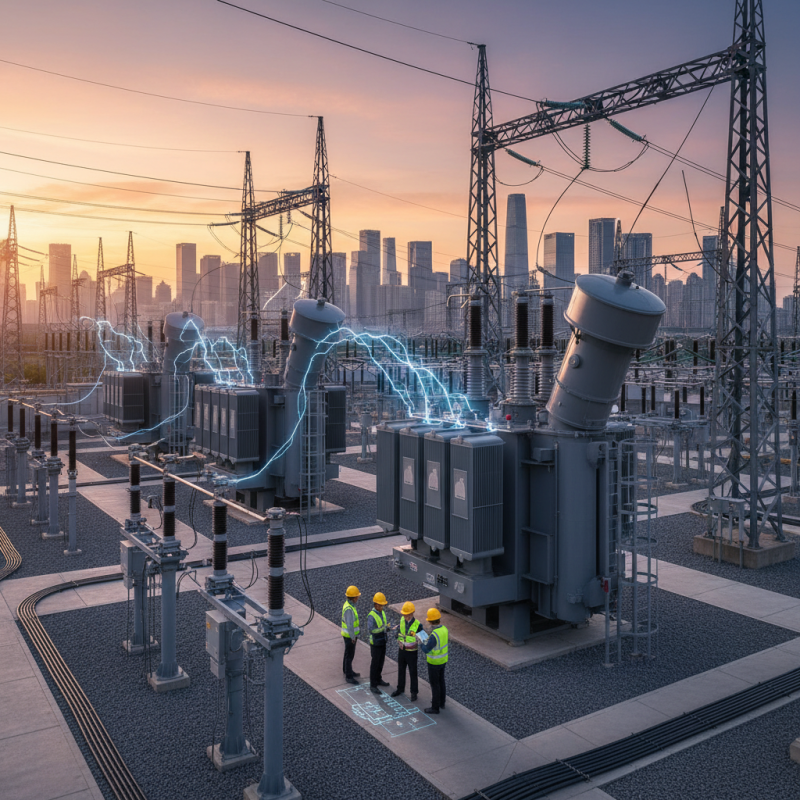
High voltage current transformers (HVCTs) play a critical role in China's power infrastructure. These devices are essential for ensuring accurate measurement and protection in high voltage applications. According to industry reports, the Chinese HVCT market is projected to grow at a CAGR of over 7% from 2023 to 2030. This growth reflects the increasing demand for reliable energy transmission and distribution systems.
China's HVCT technology has seen impactful innovations. New materials enhance efficiency and reduce maintenance costs. Advances in digital technology have also improved performance monitoring. For instance, smart transformers now integrate real-time data analytics. This innovation helps operators make informed decisions and optimize energy flow.
However, challenges persist. Many existing transformers still rely on outdated technology. This can lead to inefficiencies and increased operational risks. The industry must address these legacy systems to fully benefit from modern advancements. Continued investment in research and development is crucial for overcoming these hurdles. Finding the balance between innovation and reliability remains a key focus in the evolving landscape of HVCT applications in China.
China Top High Voltage Current Transformer Applications and Innovations
| Application Area |
Current Transformer Type |
Voltage Level (kV) |
Key Innovations |
Market Trends |
| Power Generation |
Indoor Current Transformer |
220 |
Advanced sensor technologies |
Increasing demand for renewable energy |
| Transmission |
Outdoor Current Transformer |
110 |
Improved insulation techniques |
Focus on grid stability |
| Distribution |
Compact Current Transformer |
35 |
Miniaturization and integration |
Rising urbanization and electrical loads |
| Renewable Energy |
Rogowski Coil Current Transformer |
10 |
Non-intrusive measurement technology |
Growing investments in solar and wind sectors |
Key Applications of High Voltage Current Transformers in Various Sectors
High voltage current transformers (HVCTs) play a vital role in various sectors, particularly in power generation and distribution. These transformers ensure accurate measurement of electrical currents, supporting grid stability and efficiency. According to a report by Research and Markets, the global HVCT market is projected to grow at a CAGR of 5.3% through 2025. This growth highlights the increasing demand for reliable and efficient power management systems.
In the renewable energy sector, HVCTs enhance the integration of solar and wind power into the existing grid. They provide critical data for monitoring and optimizing energy distribution. Utilities use HVCTs for real-time analytics, which helps in maintaining grid reliability. A study by the International Energy Agency indicates that the use of high voltage transformers can reduce energy losses by up to 15% in some grid systems.
In the industrial sector, HVCTs help in monitoring electrical currents for large machinery, ensuring operational safety. Industries rely on these transformers for preventive maintenance. This use can avoid costly downtimes. However, there are challenges in maintaining HVCTs, such as the need for regular calibration. Proper maintenance is necessary to ensure performance accuracy. Without it, measurements could lead to significant operational risks.
Recent Innovations in High Voltage Current Transformer Technology
The field of high voltage current transformers (HVCTs) is rapidly evolving. Recent innovations show significant advancements in technology. Enhanced materials are providing better performance and reliability. Developments in digital technology are also revolutionizing monitoring systems. Smart HVCTs offer real-time data analysis and predictive maintenance features. This can reduce downtime significantly.
Tips: Regular calibration is key. Ensure that your HVCTs are routinely checked. This prevents inaccuracies that could lead to severe operational issues.
Researchers are focusing on insulation techniques. Improved insulation materials can withstand higher voltages. This enhances the safety and longevity of transformers. Moreover, the push towards sustainability has led to the use of eco-friendly materials. Yet, challenges remain in balancing performance and environmental impact.
Tips: Stay updated with the latest research. Follow industry publications for breakthrough findings. Networking with experts can provide insights into future trends and challenges.
Challenges and Solutions in High Voltage Current Transformer Implementation
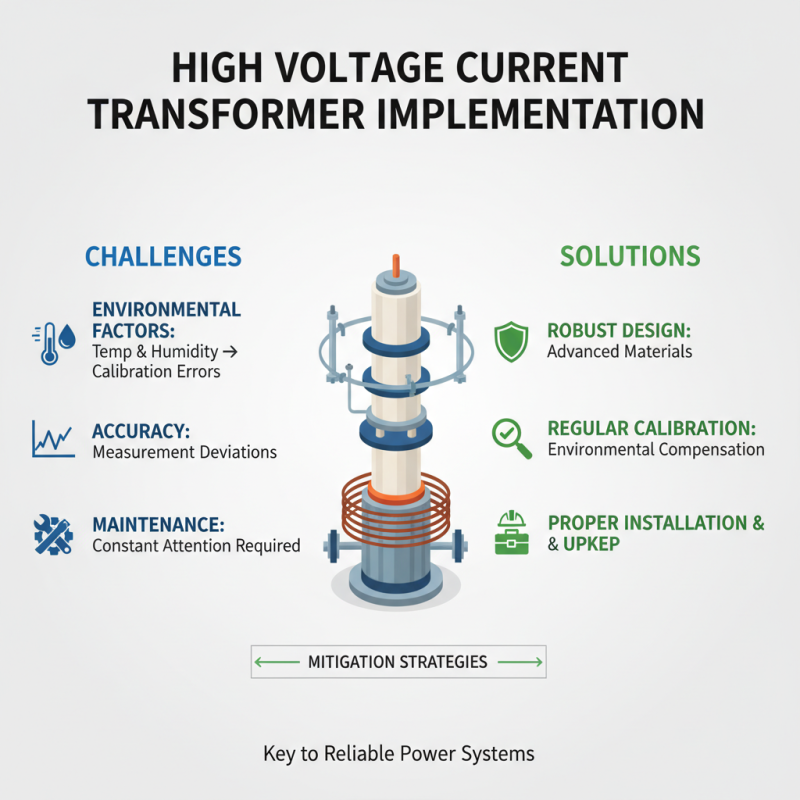
High voltage current transformers play a crucial role in power systems. Despite their advancements, several challenges persist in their implementation. One major issue is the accuracy of measurements under different environmental conditions. Factors like temperature and humidity can lead to calibration errors. Proper installation and regular maintenance can mitigate some of these issues, but they require constant attention.
Another challenge lies in the integration of new technologies. As power systems evolve, so do the demands on transformers. Adapting to smart grid technologies can prove difficult. Legacy systems may not support newer functionalities, leading to compatibility issues. Addressing these concerns requires a balanced approach, combining innovation with the integrity of existing systems.
Training and education are also critical. Many engineers lack experience with modern high voltage current transformers. This knowledge gap can lead to misconfigurations and operational risks. Developing training programs focused on new technologies can help bridge this gap. Investing in skilled personnel is essential to advance and sustain progress in this field.
Future Trends in High Voltage Current Transformer Development in China
The development of high voltage current transformers (HVCTs) in China is entering a new era. Innovation is driven by the rapid growth of the renewable energy sector. The need for efficient energy management systems is more critical than ever. Emerging technologies aim to enhance accuracy and reliability in measuring high voltage currents. There is ongoing research focusing on smarter grid integration, which directly impacts transformer design and functionality.
Challenges remain, however. Many existing designs still use outdated materials, which can affect performance. The industry is working to improve insulation and thermal properties. Advanced materials could lead to lighter, more efficient transformers. Nevertheless, the transition to these innovations has been slow. There is a need for more collaborations between academia and industry.
Looking forward, the trend is moving towards greater automation and digitalization. This shift can optimize performance in real-time. Predictive maintenance is becoming more common, using AI tools to enhance transformer longevity. Future developments will likely focus on these aspects. Upgrading infrastructure is essential but complex. The next decade will be critical for addressing these needs.

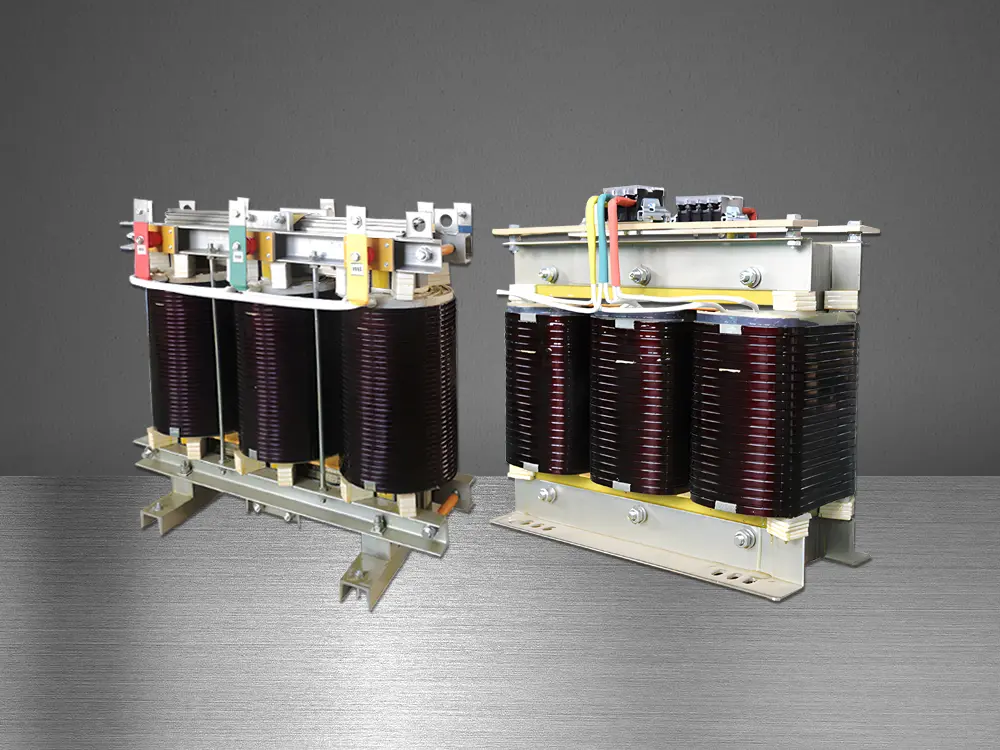 Three-Phase Isolation Transformer
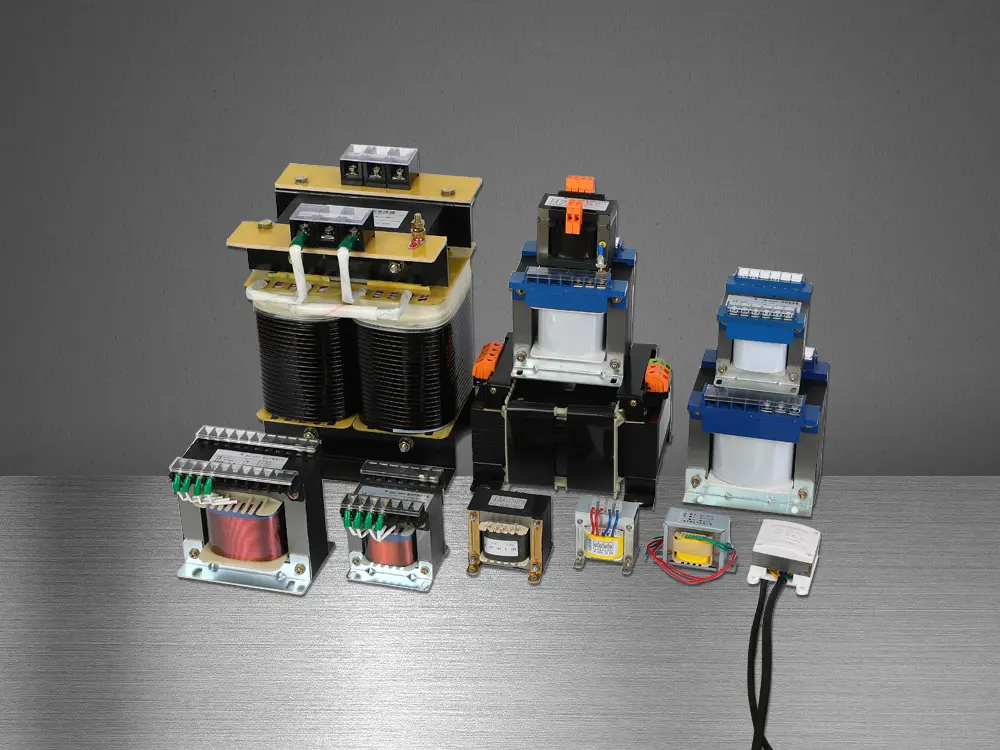 Control Transformer
 Medical IT Isolated Power System
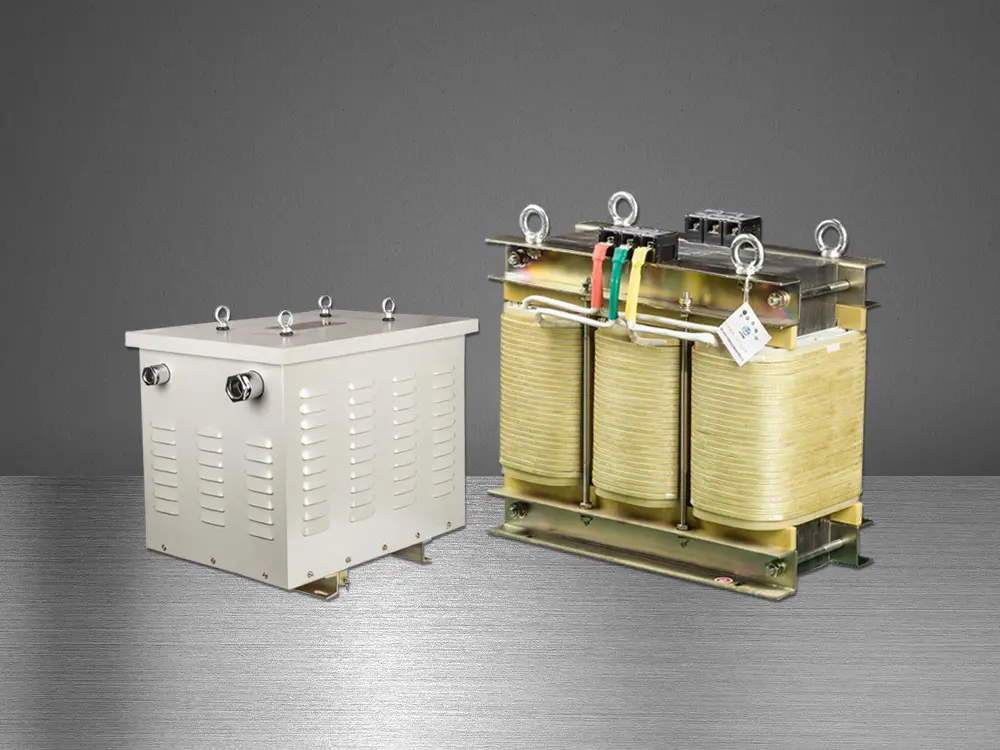 Marine Transformer
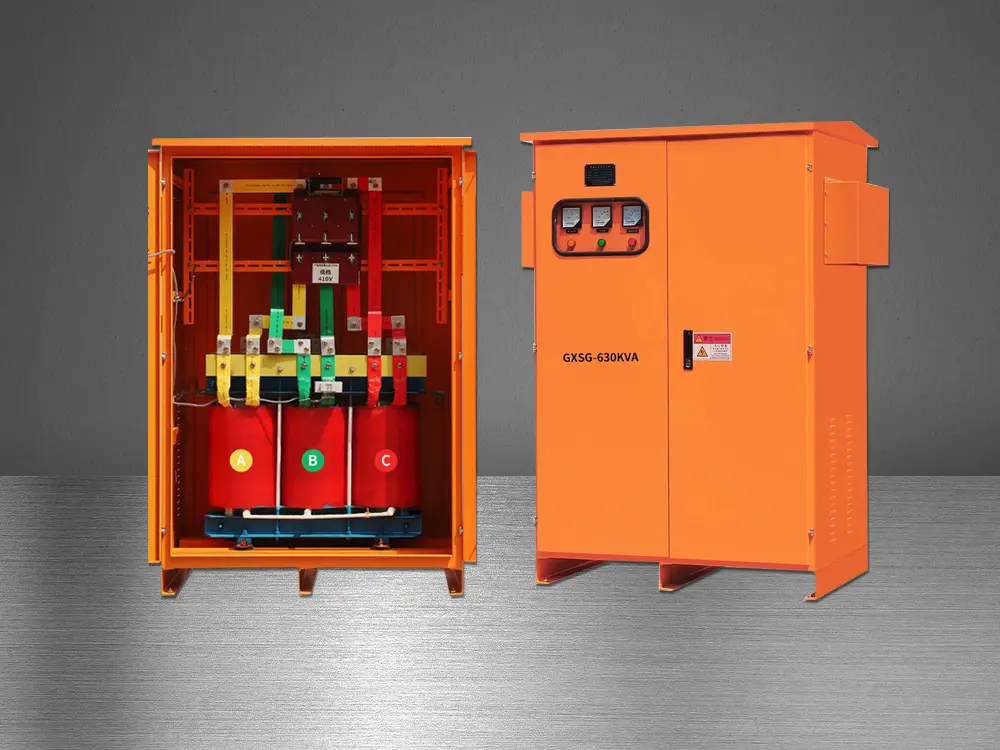 Tunnel Transformer
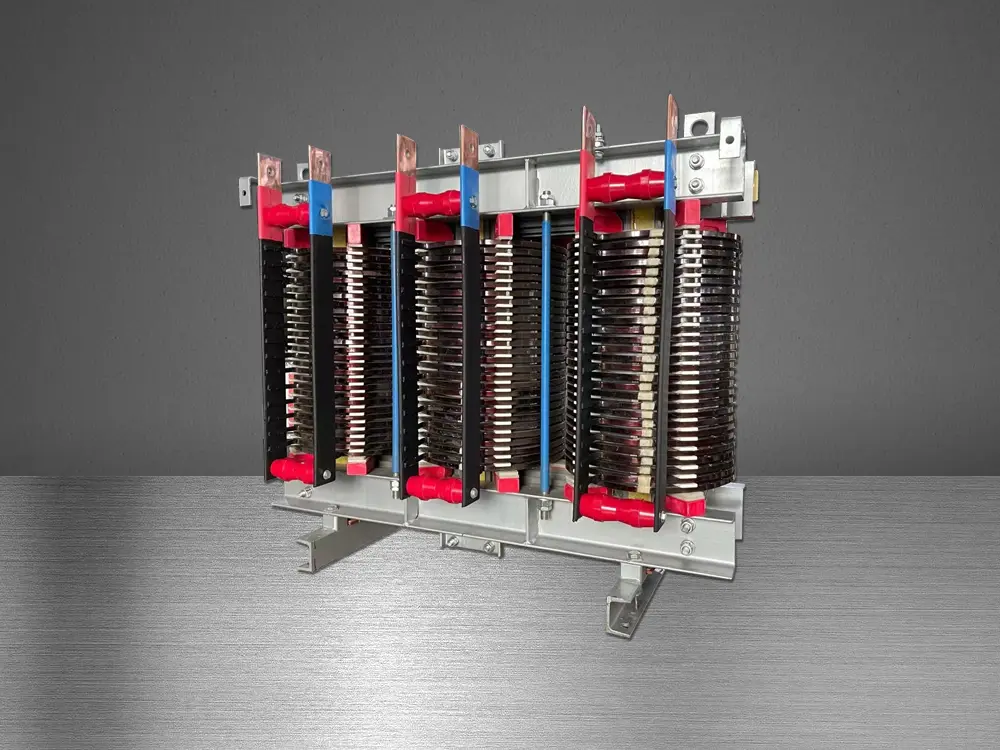 High Current Transformer
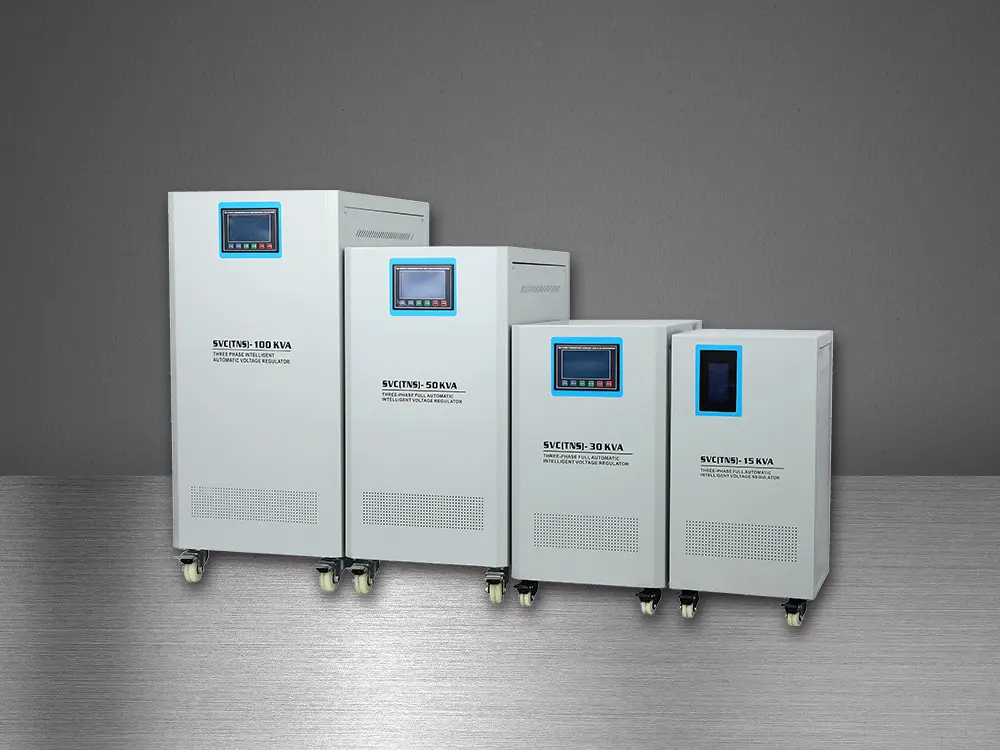 Automatic Voltage Regulator
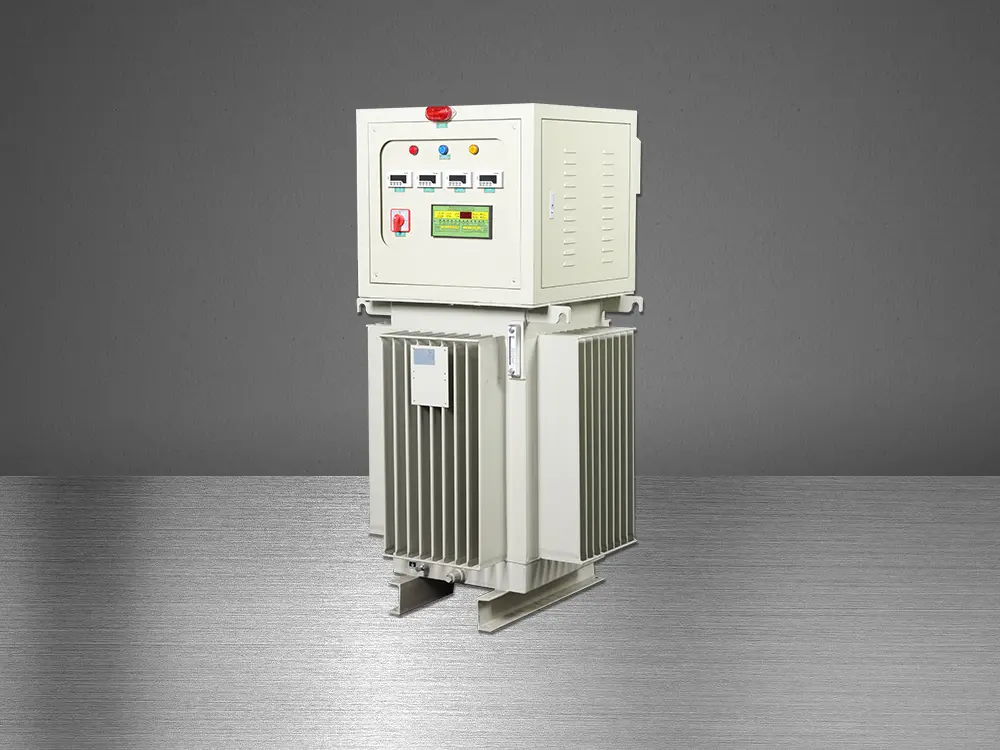 Oil Immersed Voltage Regulator