What Is Medical Isolated Power System and Its Benefits?
In healthcare settings, ensuring patient safety is paramount. The "Medical Isolated Power System" (MIPS) is an innovative solution that significantly enhances electrical safety. Dr. John Smith, an expert in medical electrical engineering, emphasizes, "A reliable isolated power system is critical in protecting patients and staff from electrical hazards."
MIPS works by isolating the medical equipment from the main power supply, which minimizes the risks of electrical shock. This system plays a vital role in operating rooms and critical care units. It allows for uninterrupted power supply while maintaining safety standards. However, it's important to note that this technology requires regular maintenance and monitoring.
Despite its advantages, some facilities might overlook the importance of MIPS integration. This can lead to potential risks in patient safety. Decision-makers must recognize the implications of inadequate electrical safety measures. The benefits of a Medical Isolated Power System cannot be overstated when it comes to safeguarding both patients and healthcare providers.
Definition of Medical Isolated Power System and Its Components
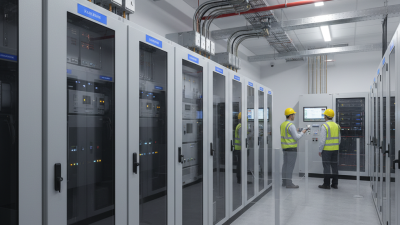
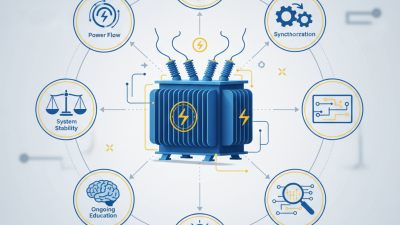
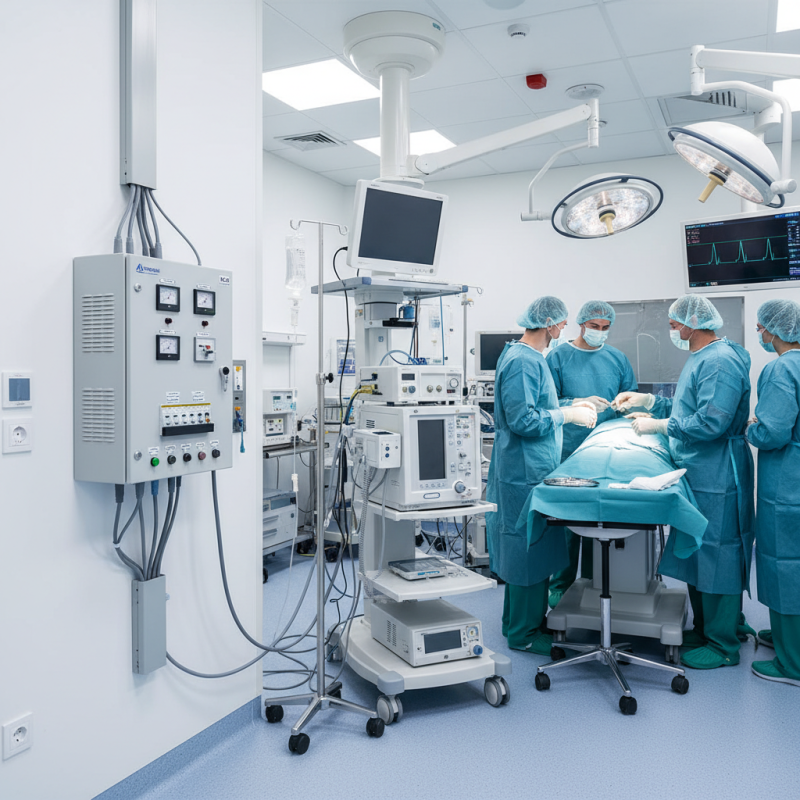
A Medical Isolated Power System (MIPS) is designed to ensure electrical safety in healthcare environments. This system isolates power supplies to prevent electrical shock hazards for patients and staff. Key components include isolation transformers, monitoring equipment, and grounding systems. Together, they create a safe environment, particularly in areas like operating rooms and intensive care units.
Studies indicate that around 10% of electrical accidents in hospitals are due to faulty equipment. An effective MIPS can significantly reduce this risk. Isolation transformers are essential. They limit the fault currents and protect sensitive medical equipment. Monitoring systems continually assess the integrity of the power system. If a fault is detected, the system alerts staff immediately, allowing prompt action.
Healthcare facilities are increasingly adopting these systems. Research shows that hospitals with MIPS have reduced electrical incident reports by 30%. However, the implementation process is not without challenges. Many facilities struggle with the costs of installation and maintenance. These systems require regular testing and updates to remain effective. It’s crucial for healthcare managers to weigh the benefits against potential financial burdens.
Importance of Electrical Safety in Healthcare Facilities
Electrical safety in healthcare facilities is vital. According to the
National Fire Protection Association (NFPA), electrical hazards cause about 27% of hospital fires.
These incidents can lead to serious injuries and loss of life. Implementing an isolated power system can greatly reduce these risks.
This system minimizes the potential for electrical shock, protecting both patients and staff.
Healthcare environments contain sensitive equipment. The
Institute of Electrical and Electronics Engineers (IEEE) states that
reliable power is essential for patient care. Any electrical interruption can disrupt critical functions.
The implementation of isolated power systems ensures a consistent power supply, safeguarding the functionality of life-saving devices.
Yet, the adoption of these systems is often inconsistent across facilities.
Training staff on electrical safety protocols is just as crucial. Many healthcare workers report a lack of awareness
regarding electrical risks. A survey by the Occupational Safety and Health Administration (OSHA) highlights that nearly 50%
of staff received insufficient training on electrical hazards. This gap points to an urgent need for enhanced education and preventive measures in healthcare settings.
Key Benefits of Implementing Medical Isolated Power Systems
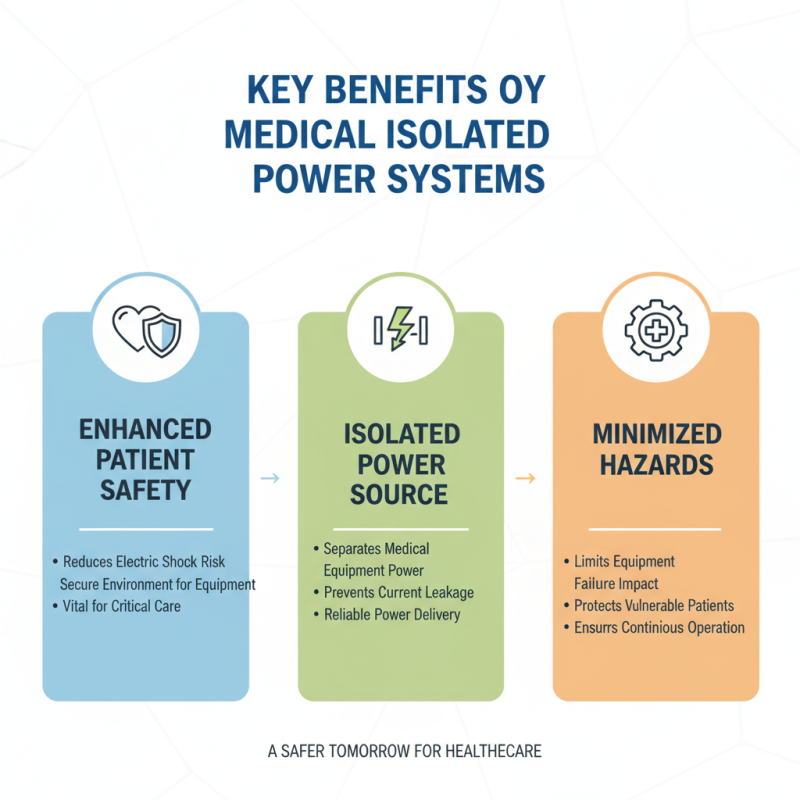
Medical Isolated Power Systems (MIPS) play a crucial role in healthcare facilities. These systems enhance patient safety by reducing the risk of electric shock. They isolate power sources for medical equipment, providing a secure environment. In case of equipment failure, it minimizes hazards. This level of safety is vital for patients, especially in critical care.
Implementing MIPS offers several key benefits beyond safety. It improves equipment reliability. When power is isolated, devices experience fewer interruptions. This ensures that life-saving equipment operates effectively. Additionally, MIPS reduce operational costs. By preventing electrical faults, hospitals can avoid expensive repairs and downtime.
Despite these advantages, challenges remain. Not all facilities are equipped to adopt MIPS easily. Staff may require additional training. This learning curve can temporarily hinder implementation. Balancing safety and operational efficiency is an ongoing task. Medical institutions must continually assess their systems.
How Medical Isolated Power Systems Enhance Equipment Performance
Medical isolated power systems (MIPS) are crucial in enhancing the performance of medical equipment. They create a safe environment for sensitive devices. These systems reduce the risk of electrical shock, ensuring patient safety. By isolating the power supply, MIPS protect against ground faults, which can lead to malfunction or damage. This reliability is essential in healthcare settings, where every second counts.
Tip: Regularly test your MIPS to ensure operational efficacy. Frequent checks help identify potential issues before they escalate.
When power systems are isolated, equipment performs better. Hospitals can operate sensitive imaging devices with minimal interference. The clarity of results improves, which aids in accurate diagnoses. Furthermore, MIPS contribute to the longevity of medical devices. Less exposure to electrical disturbances means fewer repairs and replacements.
Tip: Invest in training staff on using and maintaining these power systems. Knowledgeable personnel can enhance overall system reliability.
While MIPS offer many benefits, they require regular monitoring. Without vigilant oversight, problems may arise unnoticed. This reflection points to the need for dedicated resources in maintaining these critical systems. Ensuring a well-functioning medical isolated power system supports high-quality patient care.
Regulatory Standards and Compliance for Medical Isolated Power Systems
Medical Isolated Power Systems (MIPS) are vital in healthcare settings. They provide electrical isolation for sensitive medical equipment. Regulatory standards ensure patient safety and minimize risks associated with electrical hazards. Organizations such as the National Fire Protection Association (NFPA) and the International Electrotechnical Commission (IEC) outline specific codes that define MIPS compliance. These standards highlight critical aspects, including system design, installation, and maintenance protocols.
According to research by the Institute of Electrical and Electronics Engineers (IEEE), MIPS can significantly reduce electrical shock incidents. Their studies show that facilities using isolated power systems observed a 30% decline in such cases. Compliance is non-negotiable, as failing to meet these standards can lead to serious consequences. Many hospitals have faced penalties for non-compliance, emphasizing the need for rigorous adherence.
Tip: Regular audits and training for staff can enhance compliance. Understanding the systems’ design and operation is essential. Facility managers should prioritize continuous education on standards. Awareness and preparation can prevent catastrophic failures. Another tip is to review and update safety measures routinely. It's crucial to account for technological advancements and changing regulations.
What Is Medical Isolated Power System and Its Benefits? - Regulatory Standards and Compliance for Medical Isolated Power Systems
| Dimension |
Description |
Benefits |
| Power Isolation |
Separates power systems in medical facilities to reduce risk of electrical shock. |
Increased patient safety through reduced risk of electric shock incidents. |
| System Monitoring |
Continuous monitoring of electrical systems to ensure compliance and performance. |
Early detection of issues to prevent system failures and enhance operational reliability. |
| Regulatory Compliance |
Adherence to national and international standards for safety and performance. |
Avoidance of legal issues and penalties, ensuring facility accreditation. |
| Maintenance Requirements |
Regular inspections and testing of power systems. |
Prolonged lifespan of electrical systems and reduction of unexpected outages. |
| Patient Care Continuity |
Ensures uninterrupted power supply during medical procedures. |
Enhanced quality of care and improved outcomes for patients. |

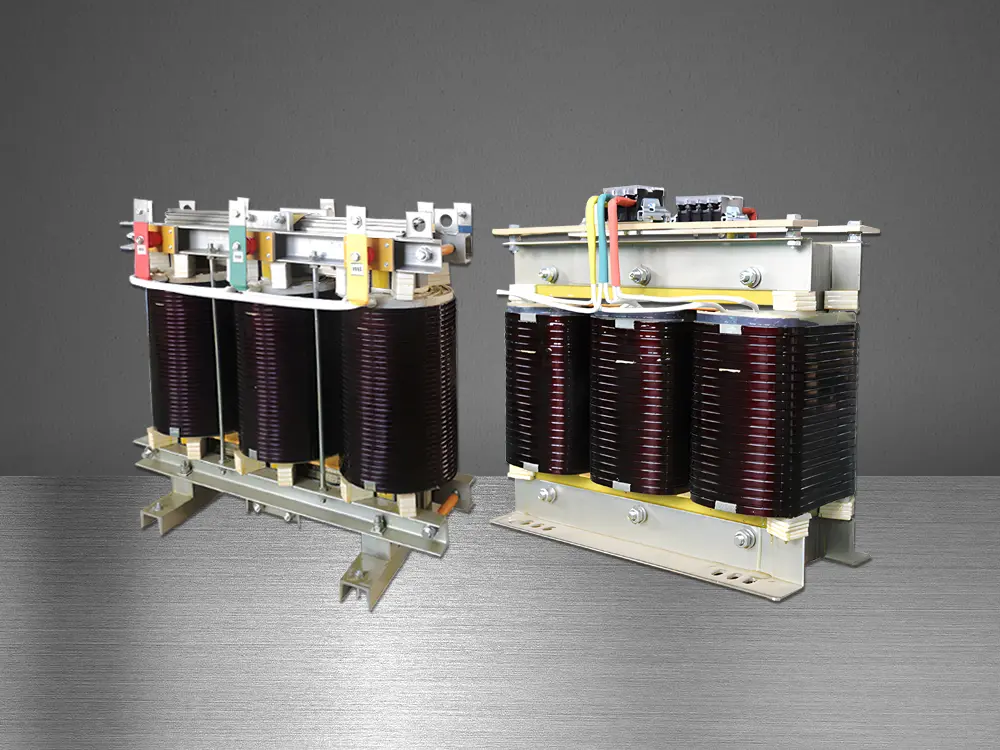 Three-Phase Isolation Transformer
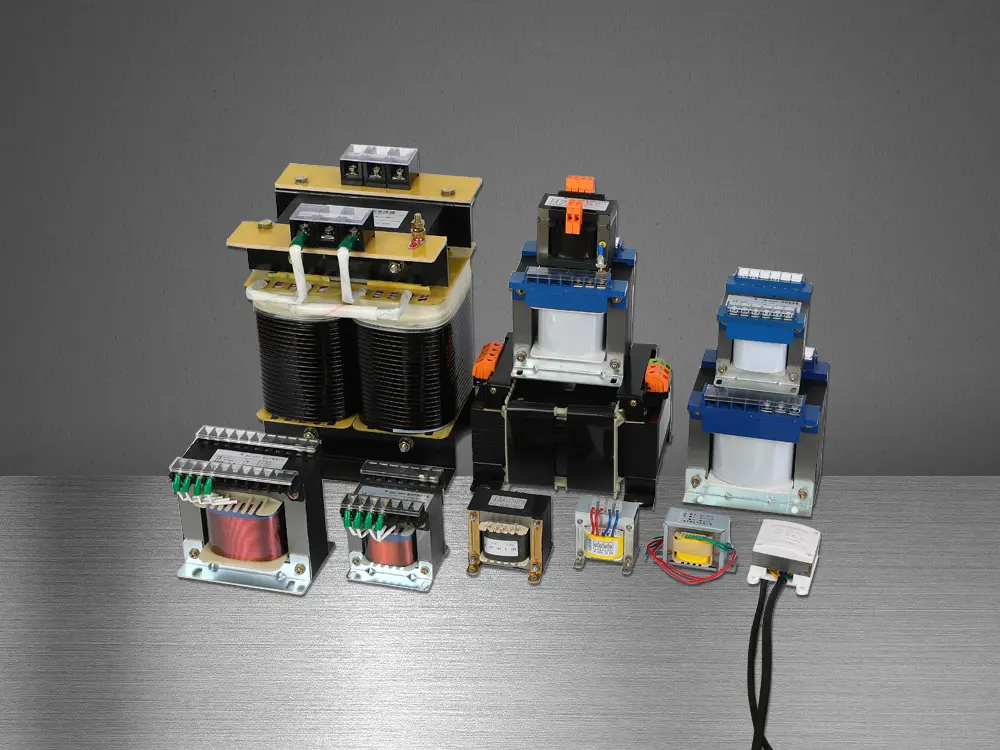 Control Transformer
 Medical IT Isolated Power System
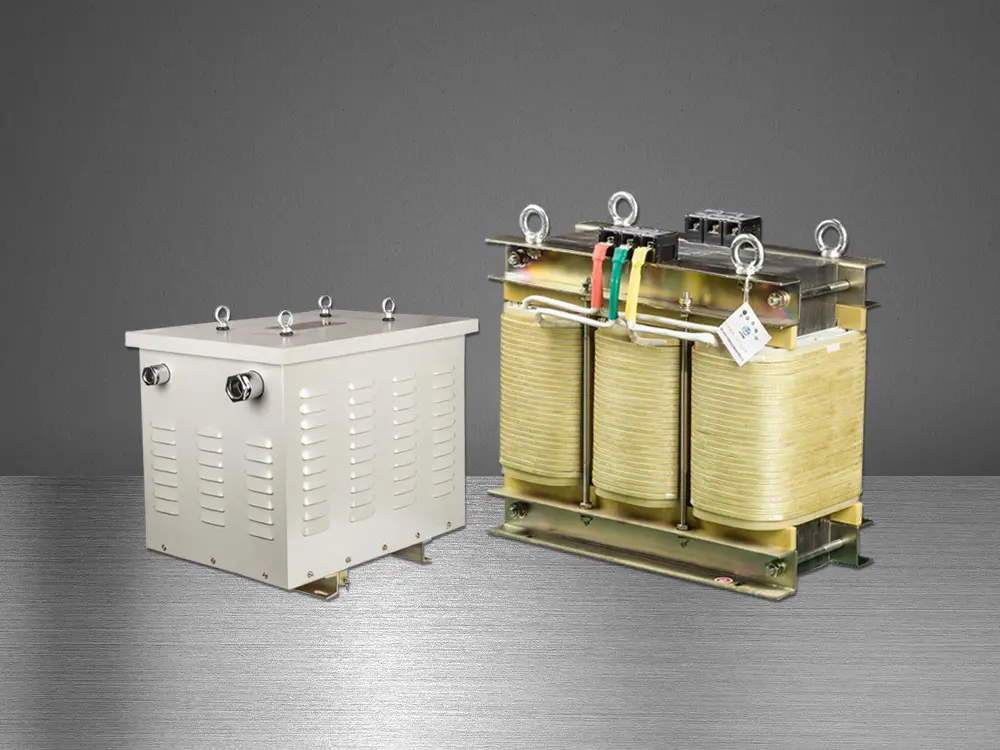 Marine Transformer
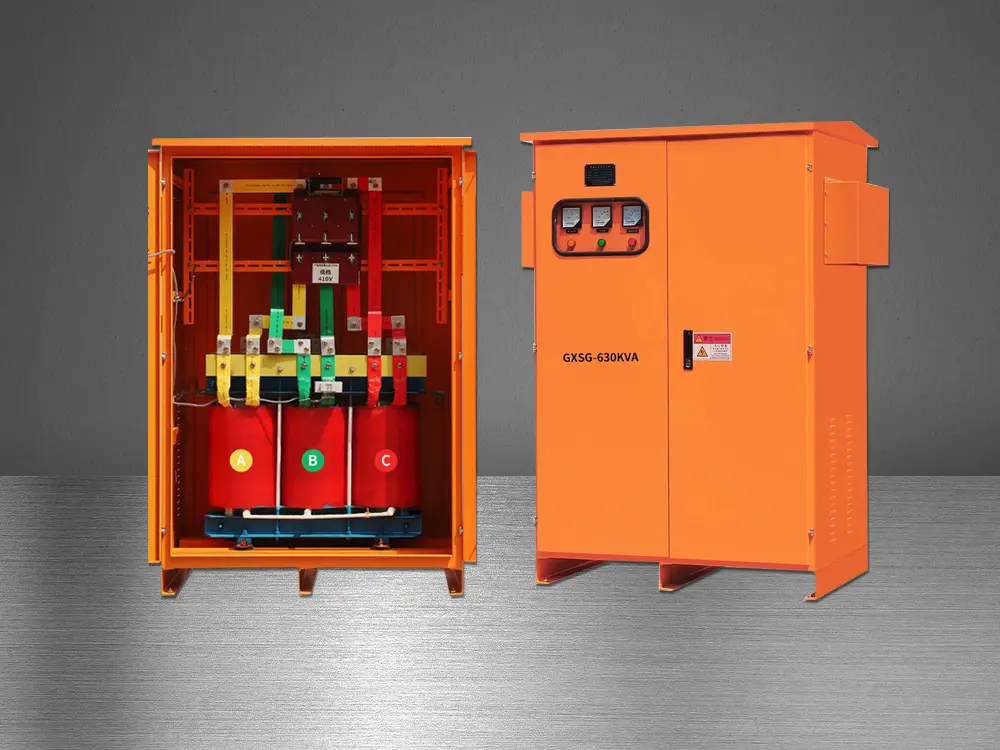 Tunnel Transformer
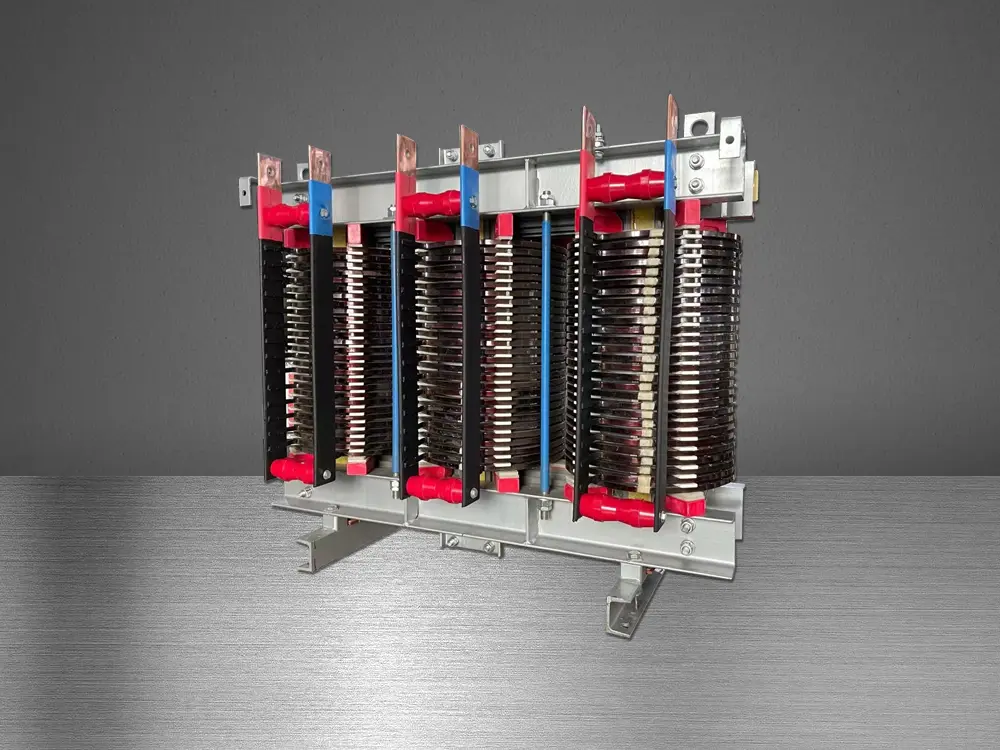 High Current Transformer
 Automatic Voltage Regulator
 Oil Immersed Voltage Regulator