What is an Automatic Voltage Regulator and How Does It Work?
An Automatic Voltage Regulator (AVR) is a crucial device in modern electrical systems. Its primary function is to maintain a stable voltage level to protect electrical equipment. Without this regulation, appliances can suffer from voltage fluctuations, leading to malfunctions and damage. The AVR achieves this by constantly monitoring output voltage and adjusting it as needed.
The technology behind an Automatic Voltage Regulator is both fascinating and complex. AVRs use feedback loops to ensure continuous voltage control. They can respond to changes in load with remarkable speed. This responsiveness is essential in today's fast-paced, technology-driven world. Variations in power supply can disrupt operations in sensitive equipment, so reliability is key.
Yet, the effectiveness of an AVR often comes down to appropriate sizing and installation. An improperly sized device may not offer adequate protection. Regular maintenance is equally important to ensure functionality. Understanding these nuances is vital for any engineer or technician. Continuous learning and adaptation to newer technologies will enhance the efficacy of Automatic Voltage Regulators in various applications.
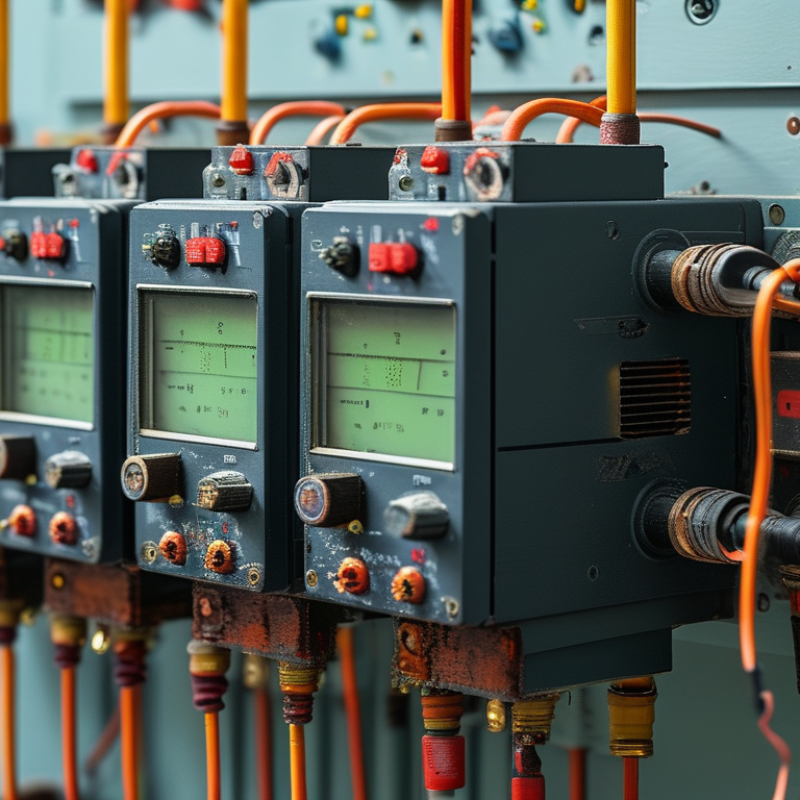
What is an Automatic Voltage Regulator?
An Automatic Voltage Regulator (AVR) is a crucial component in electrical systems. Its primary role is to maintain a stable voltage level. This device automatically adjusts the output voltage to ensure it remains within a specific range, preventing fluctuations that can damage sensitive equipment. AVRs are widely used in power plants, industrial setups, and even household generators.
Understanding how an AVR works involves knowing its feedback mechanism. It continuously monitors the output voltage and compares it to a reference value. When it detects a discrepancy, it makes rapid adjustments to correct any deviations. This process ensures that equipment operates efficiently and safely, whether in a factory or at home.
Tips for selecting an AVR include assessing your power needs and the environment where it will be used. Ensure the AVR can handle your specific equipment's voltage requirements. Also, consider potential issues like overheating or inadequate capacity. Regular maintenance can help identify problems early, ensuring the AVR operates effectively. Pay attention to installation instructions, as improper setup may lead to functionality issues. Understanding these aspects can make a significant difference in protecting your devices.
The Importance of Voltage Regulation in Electrical Systems
Voltage regulation is crucial in electrical systems. It ensures stable performance and enhances the lifespan of equipment. According to a report by the Electric Power Research Institute, voltage fluctuations can cause equipment failure and reduce efficiency by up to 30%. This highlights the need for proper voltage regulation practices in both industrial and residential settings.
Automatic Voltage Regulators (AVRs) play a key role in this process. They continuously monitor voltage levels and make adjustments to maintain consistent output. For instance, an AVR can correct voltage drops caused by heavy loads or fluctuations in power supply. This stability protects sensitive devices, such as computers and industrial machinery, from damage due to voltage irregularities.
It’s essential to regularly inspect and maintain voltage regulators. Neglecting this can lead to performance issues. Set a reminder every six months for proper checks. Verify that the AVR is calibrated correctly.
Furthermore, educating personnel about the significance of voltage regulation can lead to more proactive management of electrical systems. Understanding the role of voltage stability can empower teams to mitigate risks and enhance operational efficiency in any electrical environment.
How Automatic Voltage Regulators Function: The Mechanism Explained
Automatic Voltage Regulators (AVRs) play a critical role in maintaining the stability of electrical systems. They ensure that voltage levels remain within specified limits, protecting equipment from damage and ensuring efficient operation. AVRs function by continuously monitoring voltage levels. When fluctuations occur, they adjust the generator output, sometimes within milliseconds. This adaptive response minimizes the risk of equipment malfunctions.
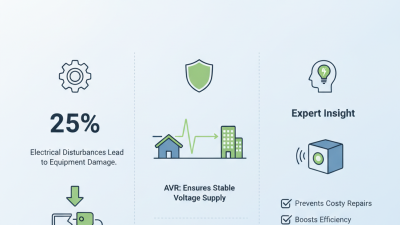
The mechanism behind AVRs involves feedback loops and sensors. These sensors detect voltage changes, sending signals to the AVR's controller. Reports indicate that effective AVRs can improve system reliability by up to 25%. They can also reduce energy costs since operating equipment at stable voltage levels enhances efficiency. However, improper installation or calibration can negate these benefits.
Voltage regulation is not infallible. External factors, such as heavy load variations, can challenge an AVR's performance. Operators need to regularly assess these systems to ensure they function as intended. Data shows that more than 15% of voltage regulation issues stem from equipment aging. Regular maintenance and updates can mitigate these risks and enhance overall performance.
Types of Automatic Voltage Regulators and Their Applications
Automatic Voltage Regulators (AVRs) come in various types, each serving unique applications. The most common types include servo, static, and magnetic AVRs. Servo AVRs are popular in industrial settings. They use a mechanical feedback system to ensure a stable voltage output. This type is reliable but can be slower to respond.
Static AVRs, on the other hand, utilize electronic components for rapid adjustment. They are often found in modern data centers and renewable energy systems. Magnetic AVRs are being phased out but can still be seen in older machinery. They rely on inductive reactance, making them less efficient.
In practical scenarios, choosing the right AVR is crucial. A poorly matched AVR can lead to equipment overheating or malfunctioning. Each type has its pros and cons. Understanding their applications helps in making informed decisions. Regular maintenance and checks are also necessary. Artesian knowledge and experience can greatly improve the reliability of these devices.
Maintenance and Troubleshooting of Automatic Voltage Regulators
Automatic Voltage Regulators (AVRs) play a crucial role in maintaining stable voltage levels. Regular maintenance is essential for optimal performance. According to industry studies, 70% of voltage regulation failures stem from inadequate maintenance practices. An effective maintenance routine should include regular inspections for signs of wear and tear. Check the wiring and connections for corrosion or loose fittings. These simple tasks can significantly extend the lifespan of the device.
Troubleshooting AVRs often requires a keen eye. Diagnostic tests can help identify issues such as voltage fluctuations or erratic performance. Data indicates that 60% of AVR malfunctions can be traced back to issues with the control circuits. When troubleshooting, isolate the problem by inspecting each component systematically. Pay attention to the voltage output against the input to pinpoint discrepancies. Sometimes, recalibrating the AVR can resolve these issues effortlessly.
Inadequate understanding of AVRs can lead to costly outages. The electrical industry recommends training for personnel responsible for AVR maintenance. This investment can reduce downtime significantly. Ultimately, rigorous maintenance and informed troubleshooting contribute to a reliable power supply. Keeping these practices in mind can lead to a more resilient electrical system and improved operational efficiency.

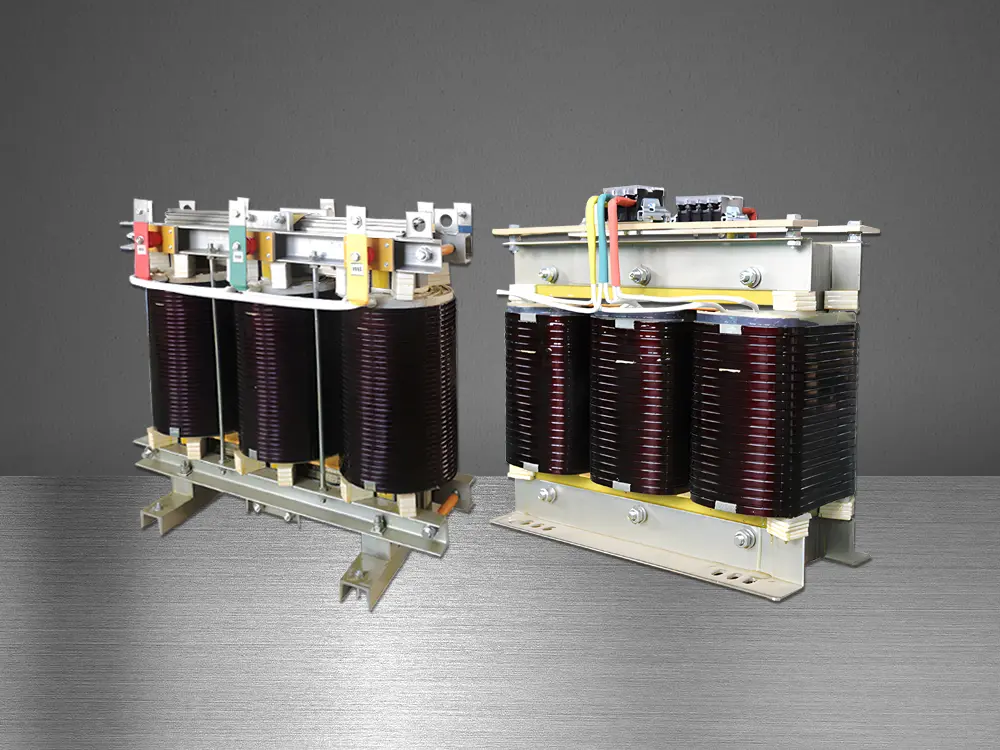 Three-Phase Isolation Transformer
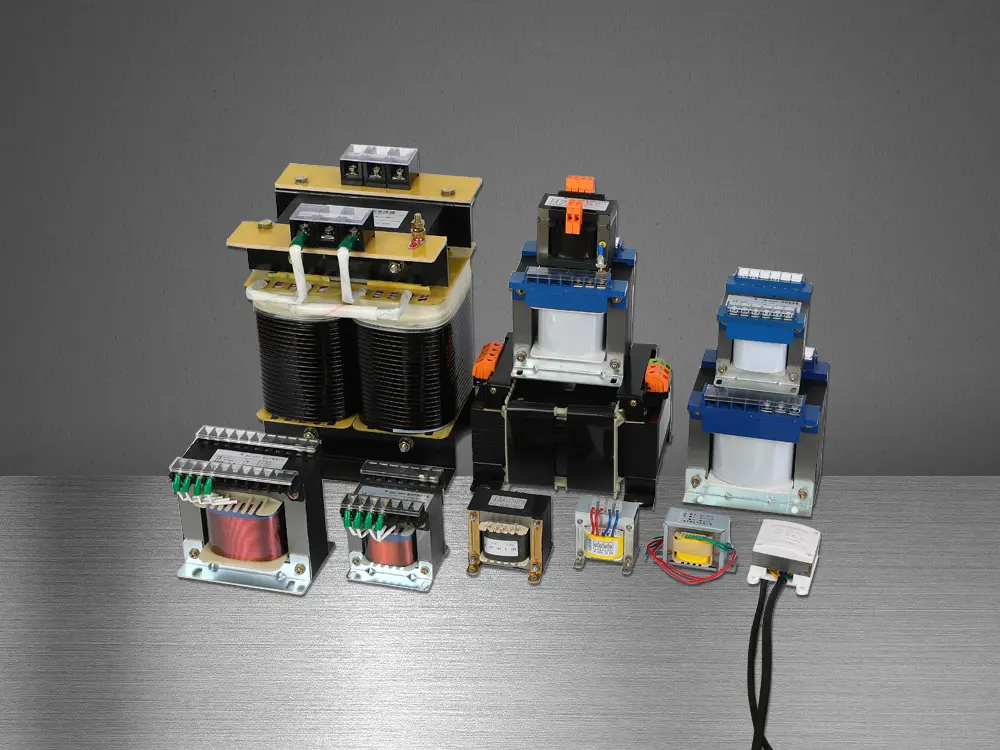 Control Transformer
 Medical IT Isolated Power System
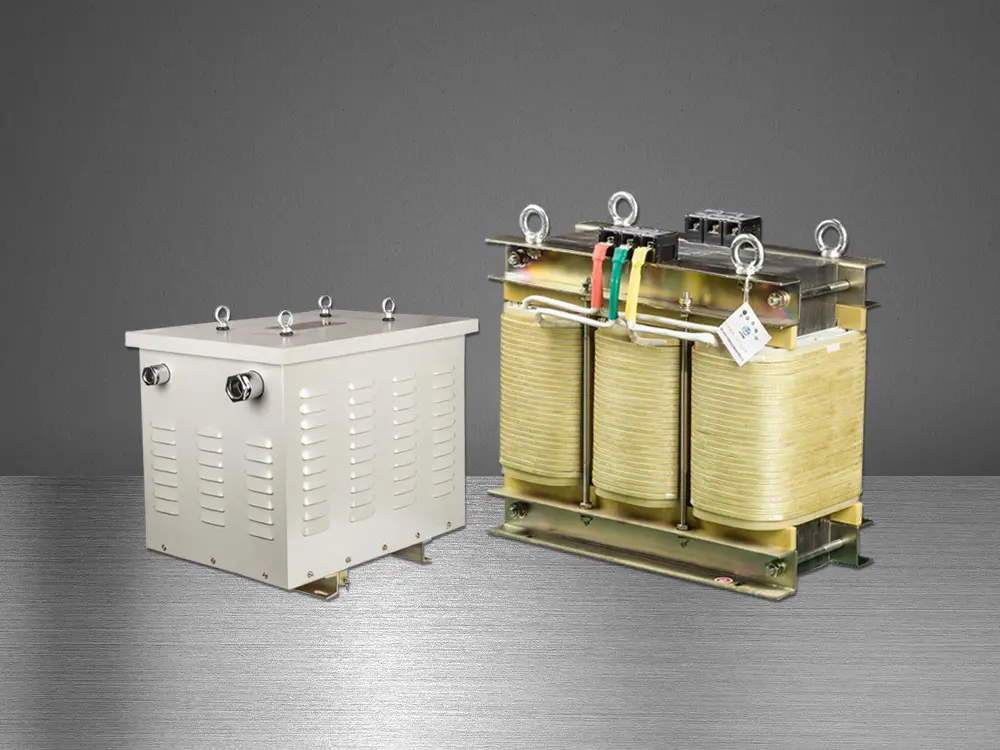 Marine Transformer
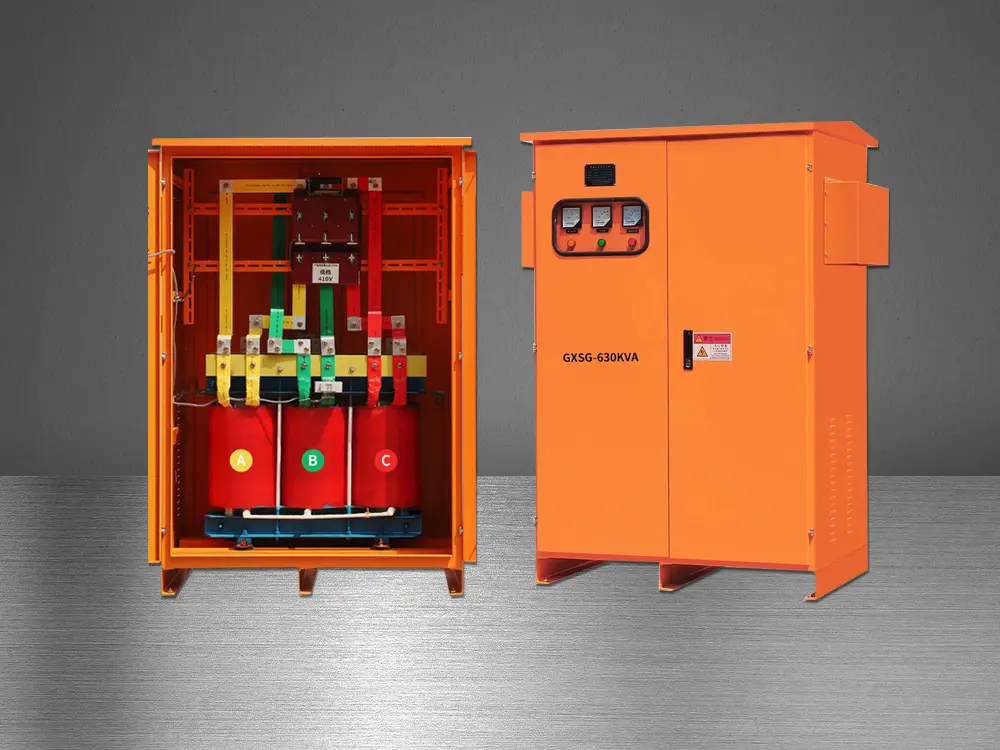 Tunnel Transformer
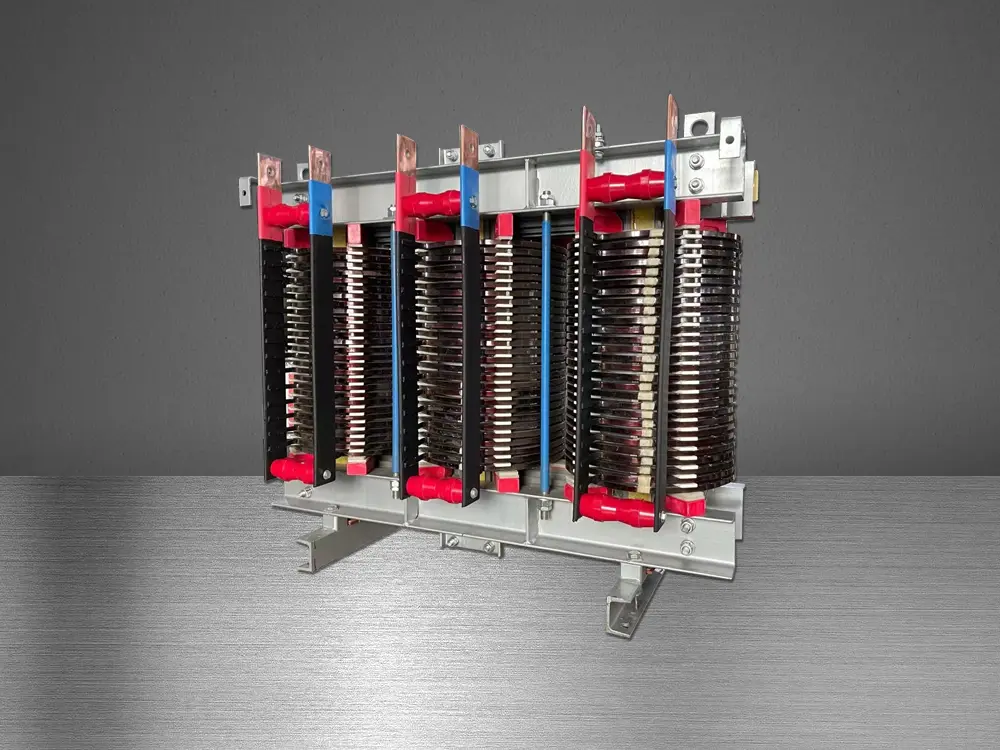 High Current Transformer
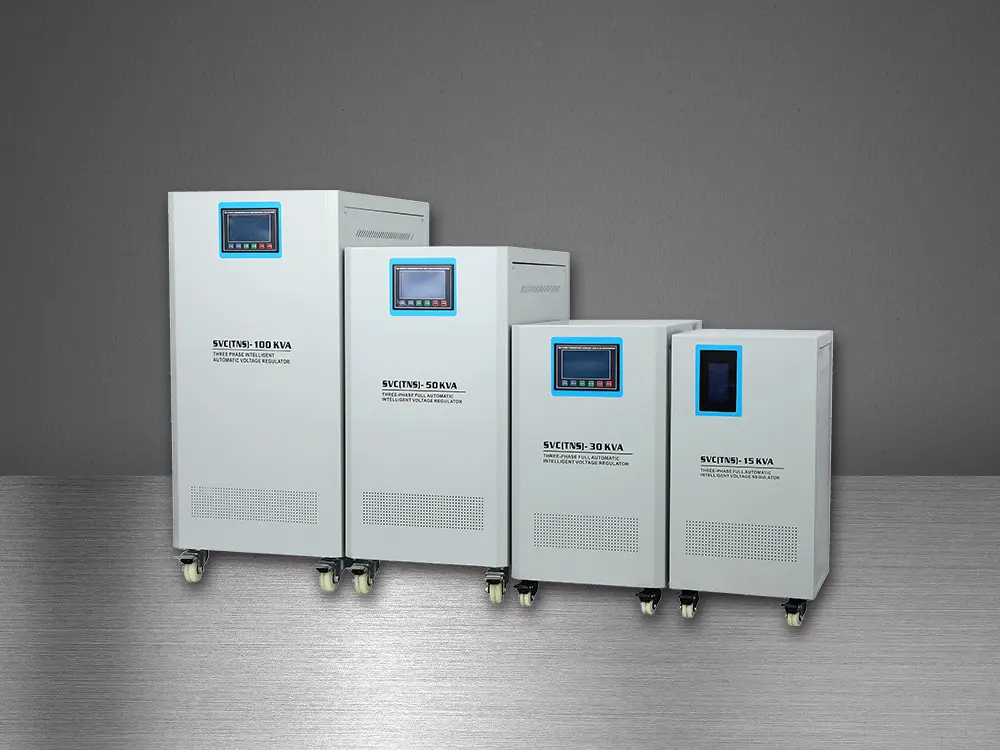 Automatic Voltage Regulator
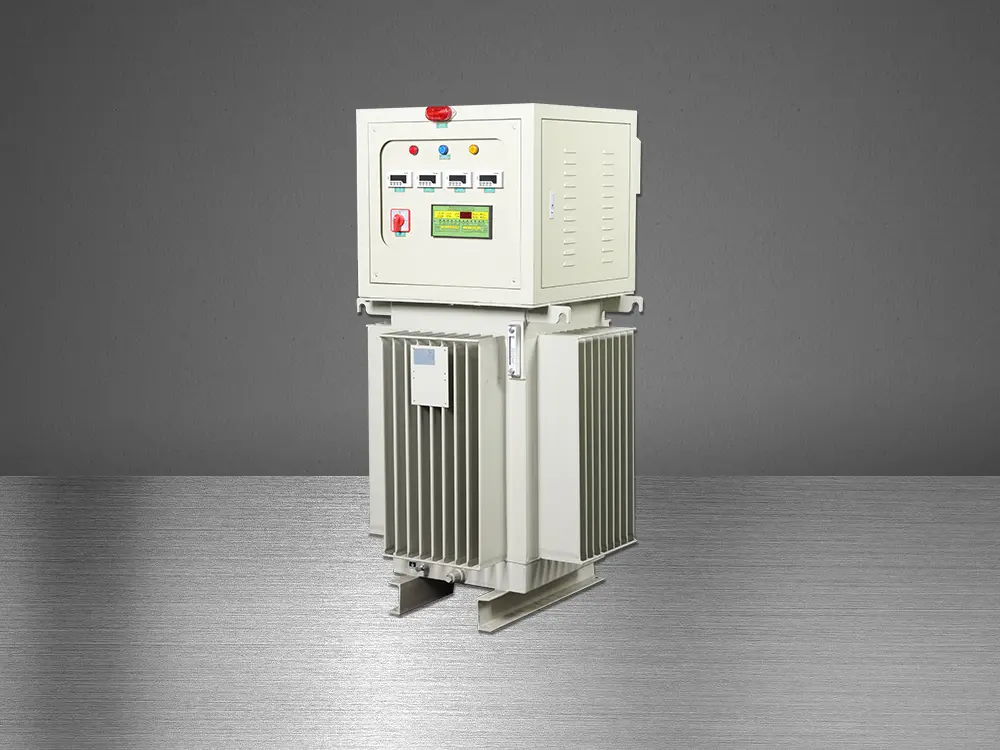 Oil Immersed Voltage Regulator