2026 Best Deep Sea Voltage Regulator Options for Reliable Performance?
When it comes to marine applications, choosing the right equipment is crucial. The Deep Sea Voltage Regulator stands out as a vital component for reliable performance in various marine environments. This regulator helps maintain stable voltage levels. Such stability can ensure the longevity and efficiency of critical marine systems.
The market offers a variety of Deep Sea Voltage Regulator options. However, not all regulators are created equal. Some may struggle under high loads or harsh conditions. Users often report mixed experiences with reliability. It’s important to evaluate each regulator carefully. Factors like design, usability, and customer feedback play a key role in decision-making.
Selecting the best Deep Sea Voltage Regulator isn’t just about specs. It also involves understanding specific needs and environments. Therefore, thorough research is essential. Performance in real situations can be unpredictable. A regulator that excels in one scenario might fail in another. This introduces an element of uncertainty that users must navigate. Ultimately, making an informed choice is the goal.
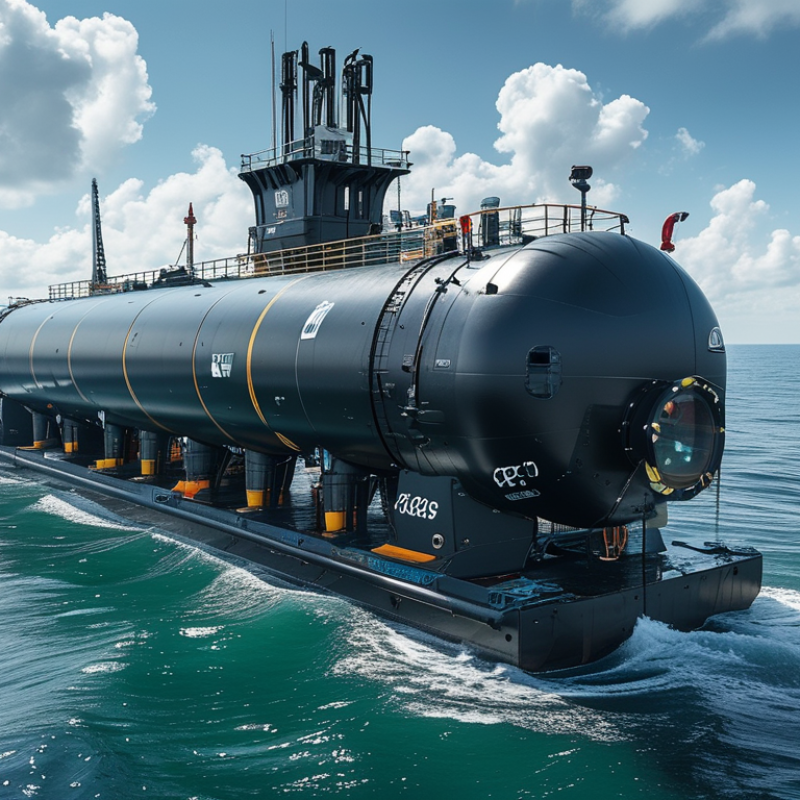
Understanding Deep Sea Voltage Regulators and Their Importance
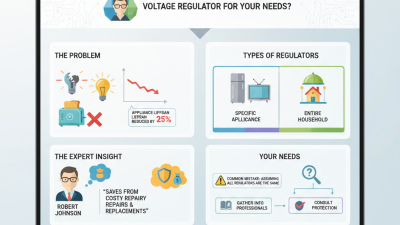
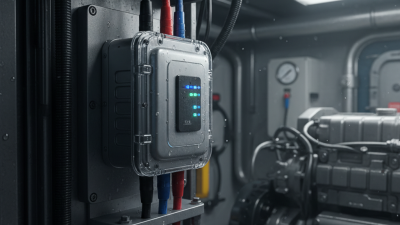
Deep sea voltage regulators are essential for maintaining the stability of electrical systems in marine environments. These regulators control voltage levels, ensuring that equipment operates smoothly. Fluctuations in power can lead to equipment failures, which can be costly and dangerous. By effectively managing voltage, these devices protect sensitive electronics from damage.
Understanding the importance of deep sea voltage regulators goes beyond just technical specifications. In harsh maritime conditions, reliability is vital. A small malfunction can impair navigation or communication systems. This underscores the need for regular maintenance and checks. Users also need to be aware of environmental factors that can affect these regulators, such as saltwater corrosion and temperature extremes.
Selecting the right voltage regulator requires knowledge and experience. Users should seek solutions that fit their specific needs. While many options exist, finding a reliable and durable solution can be challenging. It's important to reflect on past experiences to inform future decisions. Making informed choices will ensure optimal performance in critical situations at sea.
Key Features to Look for in Deep Sea Voltage Regulators
When selecting a deep sea voltage regulator, key features significantly impact its performance. Look for a robust and reliable design, which ensures longevity under marine conditions. High-quality materials resist corrosion and wear, making them vital for deep sea applications. An adjustable voltage output provides flexibility to accommodate various equipment.
Another crucial aspect is thermal management. Effective cooling systems help prevent overheating, a common issue in prolonged use. Additionally, consider the ease of installation and user interface. A clear, understandable display can simplify monitoring and troubleshooting. Integration with existing systems is essential for seamless operation.
Incorporating digital communication features enhances functionality. This allows for real-time data monitoring and diagnostics. However, weigh the value of advanced features against potential complications. Complexity can sometimes lead to challenges with maintenance or user understanding. Always reflect on what balance suits your specific needs, ensuring reliability and performance in demanding environments.
Top 2026 Models of Deep Sea Voltage Regulators Reviewed
When it comes to deep sea voltage regulators, reliability is key. The right model can significantly impact performance in challenging marine environments. Factors such as surge protection and efficiency play essential roles. Advanced models offer unique features to enhance reliability, yet the user must understand their specific needs.
Several top models in 2026 have been evaluated based on functionality and durability. Many users ascribe high performance to units designed for harsh conditions. Various environments pose unique challenges that even the best models cannot entirely address. It's crucial for users to share their experiences to shed light on practical applications.
An effective voltage regulator needs to withstand water, salt, and extreme temperatures. Some products do excel in these areas. Others may fall short, leading to operational failures. It’s vital for stakeholders to learn from these shortcomings. Exploring different models arms users with knowledge to make informed decisions for reliable performance.
Comparative Analysis of Performance Metrics in Voltage Regulators
In the search for the best deep sea voltage regulators for 2026, performance metrics play a crucial role. Key metrics include efficiency, load regulation, and thermal performance. A recent industry report highlights that top regulators achieve efficiency ratings above 95% under typical loads. This efficiency is vital in underwater applications, where energy conservation is paramount.
Load regulation also impacts overall performance. Regulators with a load regulation of 0.5% or better provide stable output, which is essential for sensitive equipment. High temperatures can affect performance, so thermal performance is another critical metric. Providing a reliable operating temperature range can help prevent failures in harsh underwater environments.
Tips: Choose regulators with robust load regulation to ensure your systems remain stable during fluctuations. Consult technical specifications and compare them across manufacturers. Look for detailed performance reports as they can reveal insights often overlooked at first glance.
Comparative Analysis of Performance Metrics in Voltage Regulators
Maintenance Tips for Ensuring Longevity of Voltage Regulators
Maintaining voltage regulators is crucial for reliable performance, especially in deep sea applications. Regular checks help prevent unexpected failures. Inspect connections and ensure there is no corrosion. Loose connections can lead to serious issues. Clean terminals with a suitable cleaner to enhance conductivity.
In addition to cleaning, ensure proper ventilation. Overheating can damage internal components. Keep the regulator in a cool, dry place. Monitor the temperature regularly. If temperatures exceed recommended levels, address ventilation immediately.
Regular calibration checks are necessary too. This helps maintain accurate voltage control. Schedule these checks according to usage frequency. Keep records of maintenance efforts. Reflection on past performance can identify recurring issues. A proactive approach is essential for longevity and reliability.

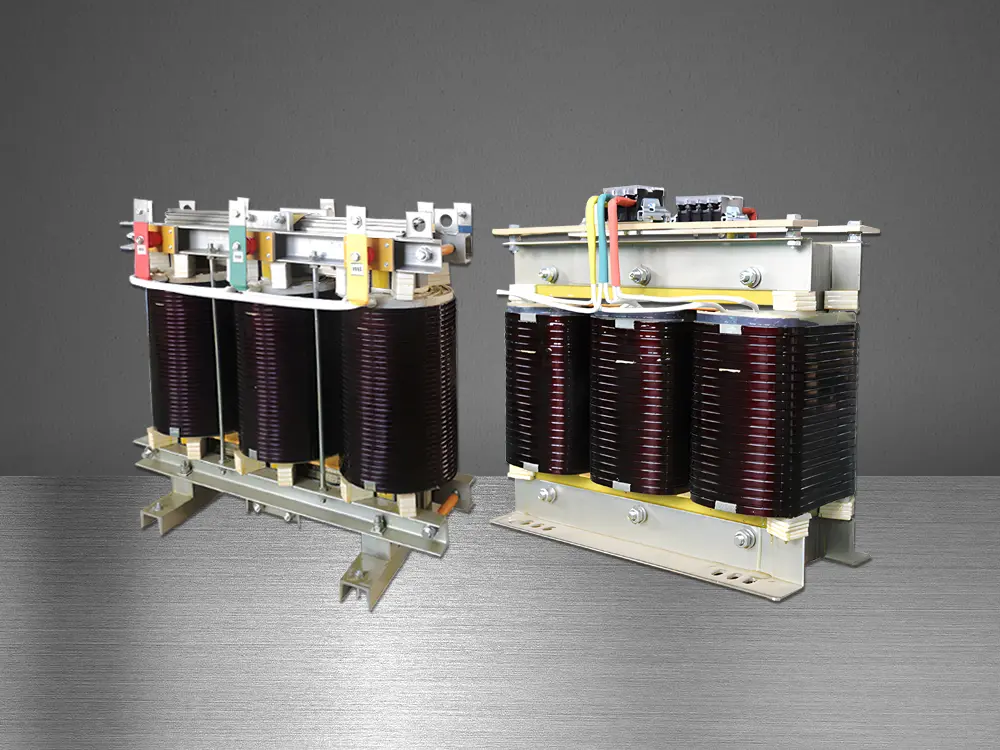 Three-Phase Isolation Transformer
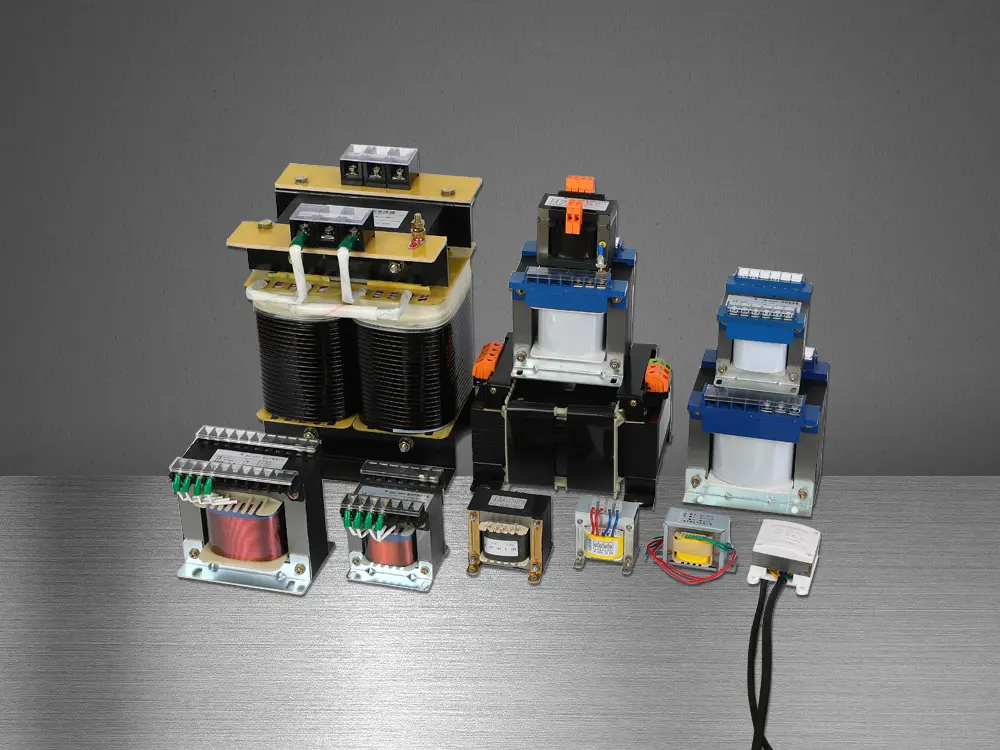 Control Transformer
 Medical IT Isolated Power System
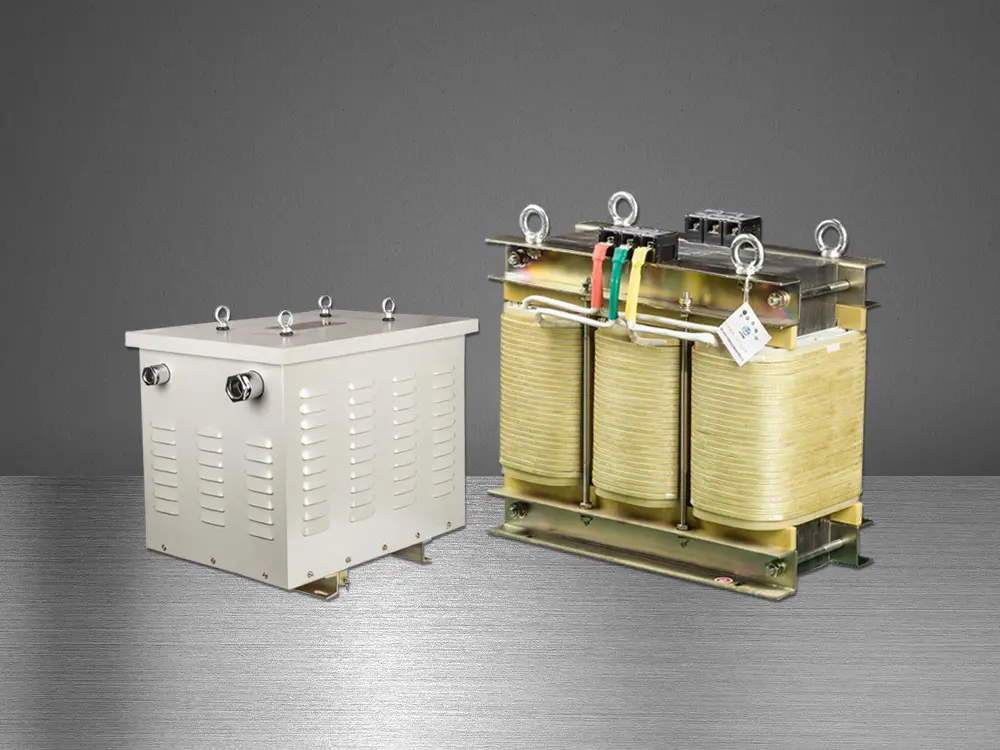 Marine Transformer
 Tunnel Transformer
 High Current Transformer
 Automatic Voltage Regulator
 Oil Immersed Voltage Regulator