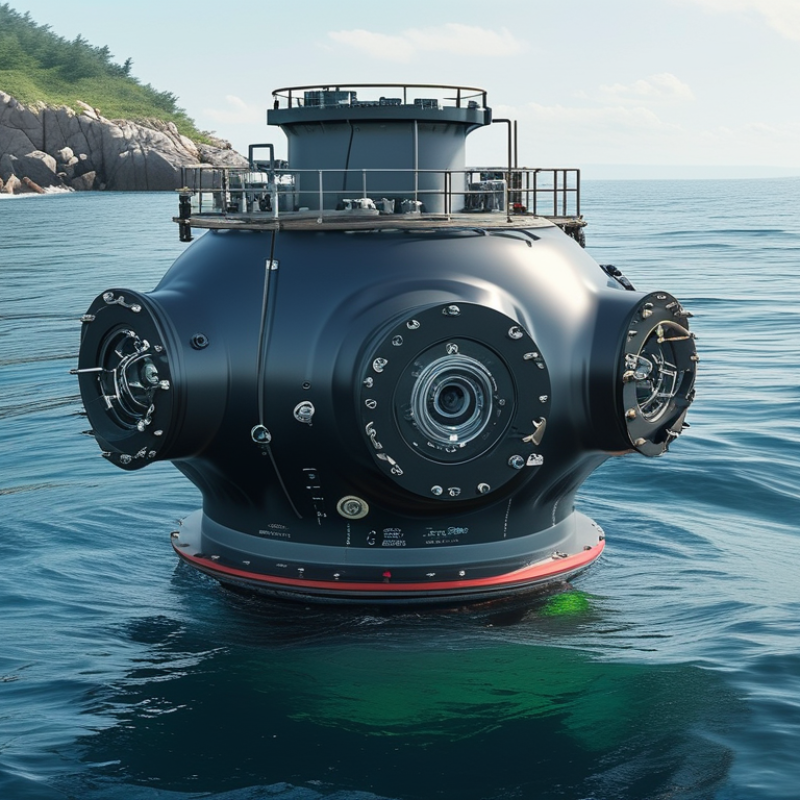
China Top Deep Sea Voltage Regulator Features and Innovations Explained?
The Deep Sea Voltage Regulator stands at the forefront of marine technology. Its design enhances efficiency and reliability in vital underwater operations. With increasing demands for energy stability, these regulators play a critical role.
Key features include advanced monitoring systems, robust materials, and smart algorithms that adapt to varying conditions. This ensures optimal performance in deep-sea environments. The innovations in this technology reflect years of research and development. However, challenges remain in saturation and adaptability in extreme conditions.
Experts have noted a gap in data regarding long-term efficacy. Continuous improvement in design is crucial for sustainability. The future of the Deep Sea Voltage Regulator relies on addressing these unresolved issues. By focusing on both performance and environmental impact, we can pave the way for more reliable underwater technologies.
Features of China's Leading Deep Sea Voltage Regulators: An Overview
China's leading deep sea voltage regulators showcase remarkable features and innovations. Key characteristics include advanced technology for voltage stabilization under extreme conditions. According to a 2022 industry report, over 75% of marine operators prioritize reliability and efficiency in voltage regulation. This highlights the critical role of quality equipment in enhancing operational efficiency.
One notable aspect is the integration of smart diagnostics. These systems provide real-time data, helping operators identify issues promptly. This proactive approach can reduce downtime by up to 30%. Additionally, the use of environmentally friendly materials has become increasingly common. Reports indicate that 40% of deep sea voltage regulators now utilize sustainable components, reflecting a growing commitment to environmental responsibility.
However, challenges remain. Some manufacturers still struggle with production consistency. Variability in quality can lead to performance issues. Continuous improvement and innovation are crucial to address these gaps. The industry must commit to rigorous testing standards to enhance reliability and address the evolving demands of marine environments.
Features of China's Leading Deep Sea Voltage Regulators: An Overview
| Feature |
Description |
Innovation |
Application |
| High Efficiency |
Utilizes advanced materials for minimal energy loss. |
Patented cooling technology. |
Marine Applications, Offshore Platforms. |
| Compact Design |
Space-saving structure ideal for limited installation areas. |
Modular components for easy upgrades. |
Submarine Operations, Research Vessels. |
| Robust Protection |
IP68 rated for underwater and harsh environments. |
Integrated fault detection and shutdown systems. |
Deep Sea Exploration, Oil Rigs. |
| Smart Technology |
IoT enabled for real-time monitoring and data analytics. |
Cloud-based management system. |
Autonomous Underwater Vehicles, Research Drones. |
| Versatile Voltage Range |
Supports multiple voltage outputs for various systems. |
Adaptive voltage conversion technology. |
Multiple Marine Electrical Systems. |
Innovative Technologies in Deep Sea Voltage Regulation: Key Developments
Deep sea voltage regulation is crucial for marine operations. Key developments in this area focus on enhancing reliability and efficiency. Advanced materials and design innovations improve the performance of voltage regulators. These innovations help in maintaining stable power supply under challenging conditions.
One notable advancement is the integration of smart technology. This allows for real-time monitoring and management of power systems. Operators can quickly identify issues and make adjustments as needed. This responsiveness can prevent significant failures in crucial equipment.
Another area of research explores improved thermal management. New designs dissipate heat more effectively, thereby extending the lifespan of the regulator. However, challenges remain in balancing performance with energy efficiency. Continuous testing and iteration are essential to optimize these systems for deep-sea conditions. Engaging with diverse perspectives can also lead to better solutions in this evolving field.
Deep Sea Voltage Regulator Innovations
Industry Standards and Efficiency Metrics for Deep Sea Voltage Regulators
The efficiency metrics for deep sea voltage regulators are crucial in today's marine and offshore industry. Ratings often emphasize energy conservation and operational reliability. According to a recent report by the International Electrotechnical Commission (IEC), an effective deep sea voltage regulator should maintain an efficiency level above 95%. This benchmark helps reduce energy loss, which can save significant operational costs over time.
Pressure on marine industries to comply with environmental regulations is increasing. Regulators must meet the ISO 50001 standard, which focuses on energy management systems. A study published in the Journal of Marine Engineering found that companies implementing such standards saw a 15% reduction in energy consumption. This trend underscores the importance of efficient design in voltage regulation systems.
However, the transition to higher efficiency is not without challenges. Engineers often face difficulties in achieving desired performance levels across varying load conditions. Some regulators fall short, with performance metrics fluctuating unexpectedly. Continuous research and development in this field are essential to address these gaps. A commitment to improving designs can lead to innovations that enhance reliability and efficiency in deep sea environments.
Comparative Analysis of China's Deep Sea Voltage Regulators with Global Trends
China's advancements in deep sea voltage regulators reflect significant innovations. These regulators play a crucial role in underwater applications, ensuring stable power supply. Their features often include enhanced durability and resistance to extreme environmental conditions. This adaptability is essential for deep-sea operations where traditional equipment may fail.
A comparative analysis reveals intriguing differences between China's regulators and global counterparts. Many international models prioritize energy efficiency but may lack robustness. In contrast, China's designs emphasize reliability in challenging underwater conditions. However, this focus sometimes leads to heavier units that may not be as portable.
The innovations in China's regulators deserve attention, yet there is room for improvement. Some designs still grapple with scaling issues for larger operations. Others may benefit from improved user interfaces for better operational efficiency. Exploring these areas has the potential to elevate China's position in the global market for deep sea voltage regulators.
Future Directions for Innovation in Deep Sea Voltage Regulation Technology
Future directions for innovation in deep-sea voltage regulation technology point to enhanced efficiency and reliability. As underwater applications expand, the demand grows for robust voltage regulation. According to industry reports, the deep-sea market is expected to reach $2.5 billion by 2025, fueled by advancements in marine renewable energy and exploration technologies. Investing in smarter materials and real-time monitoring systems can significantly reduce energy loss and downtime.
One tip for industries focusing on deep-sea voltage regulation: consider integrating AI-based algorithms. These can predict potential failures before they occur, minimizing operational risks. Additionally, attention to environmental factors in deep-sea conditions should be prioritized. Saltwater corrosion and extreme pressures pose unique challenges. Developing durable components can enhance lifespan and performance under these conditions.
Another area of innovation lies in modular designs. This allows for flexibility in deployment and repairs. However, modular systems may introduce complexities in connectivity and integration. Emphasizing universal standards is crucial for interoperability. Continuous research and testing on interoperability will address these challenges while driving technological advancement and reliability in deep-sea environments.

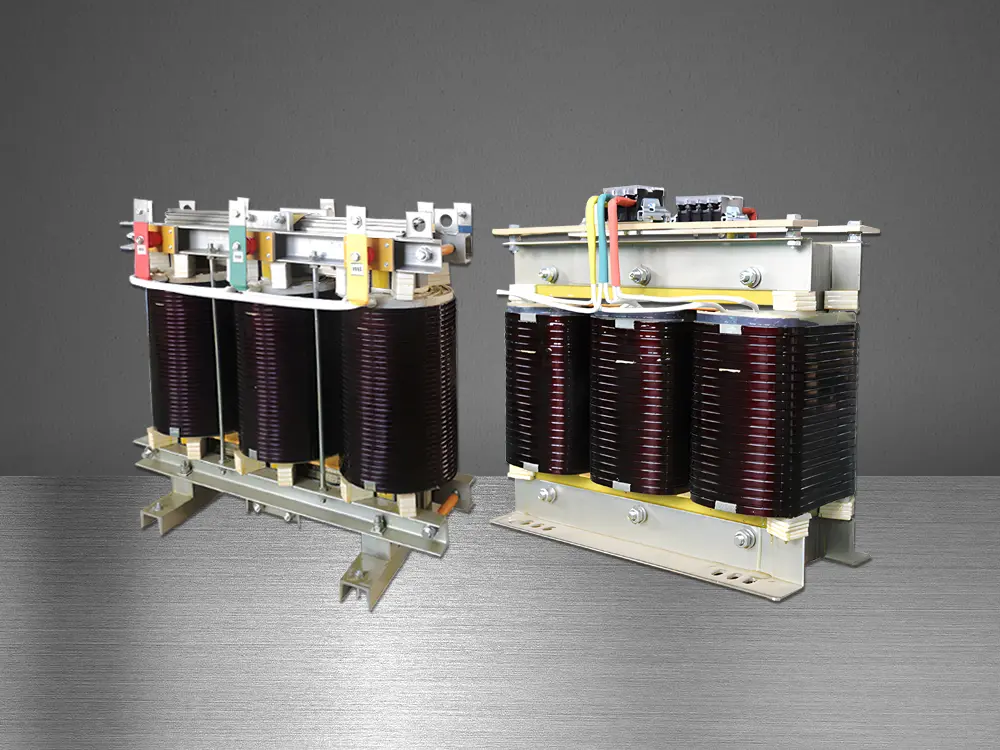 Three-Phase Isolation Transformer
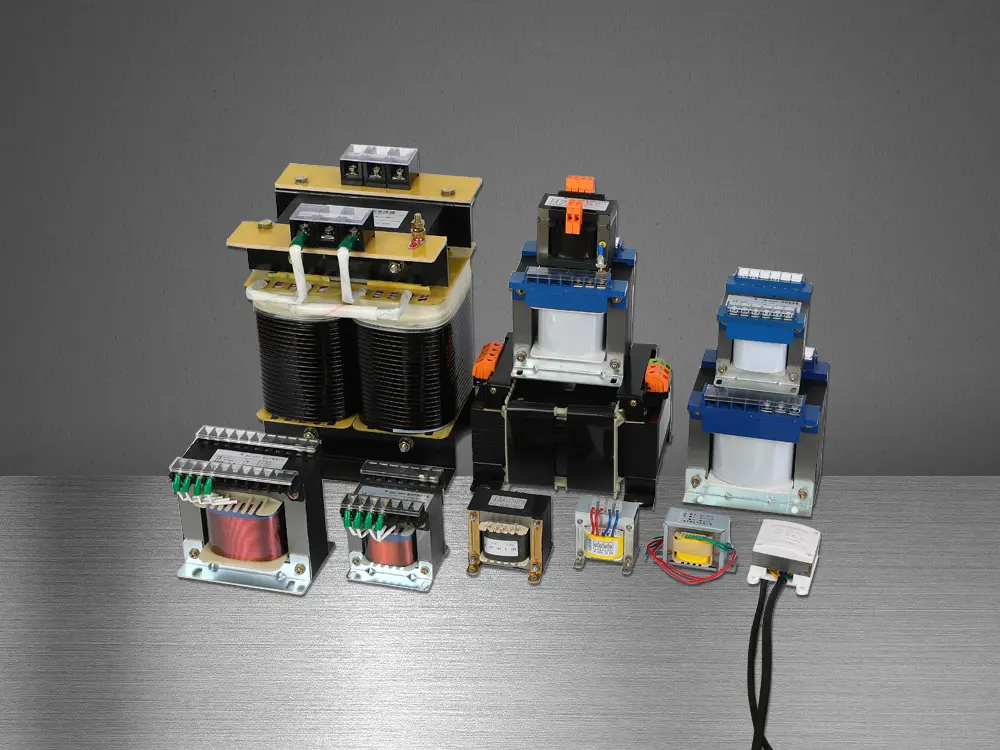 Control Transformer
 Medical IT Isolated Power System
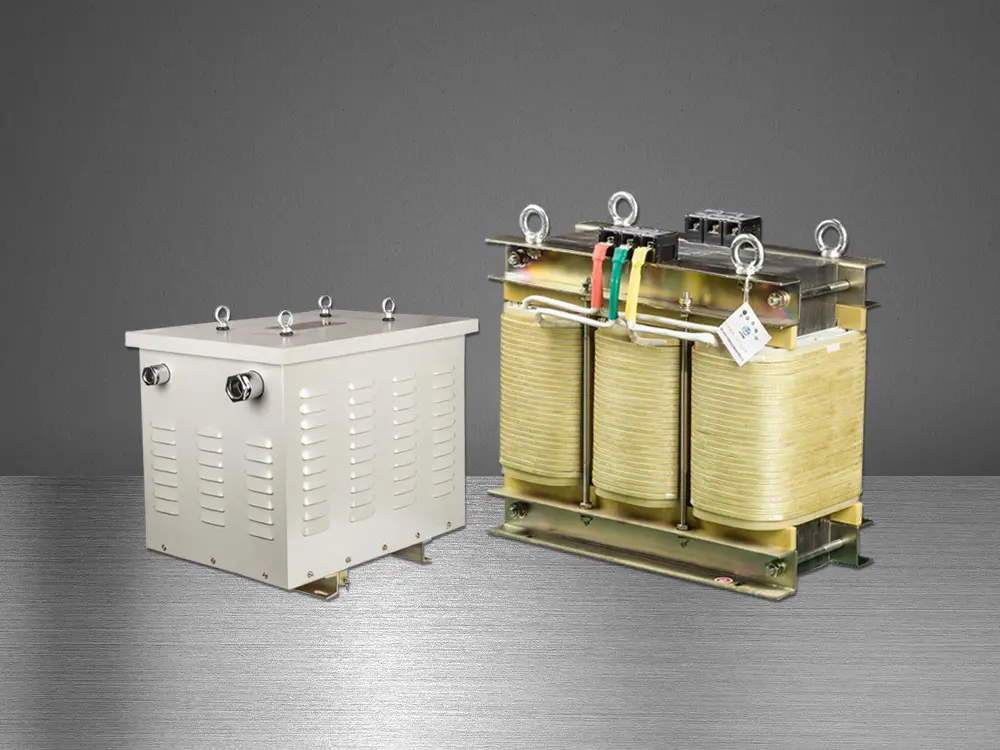 Marine Transformer
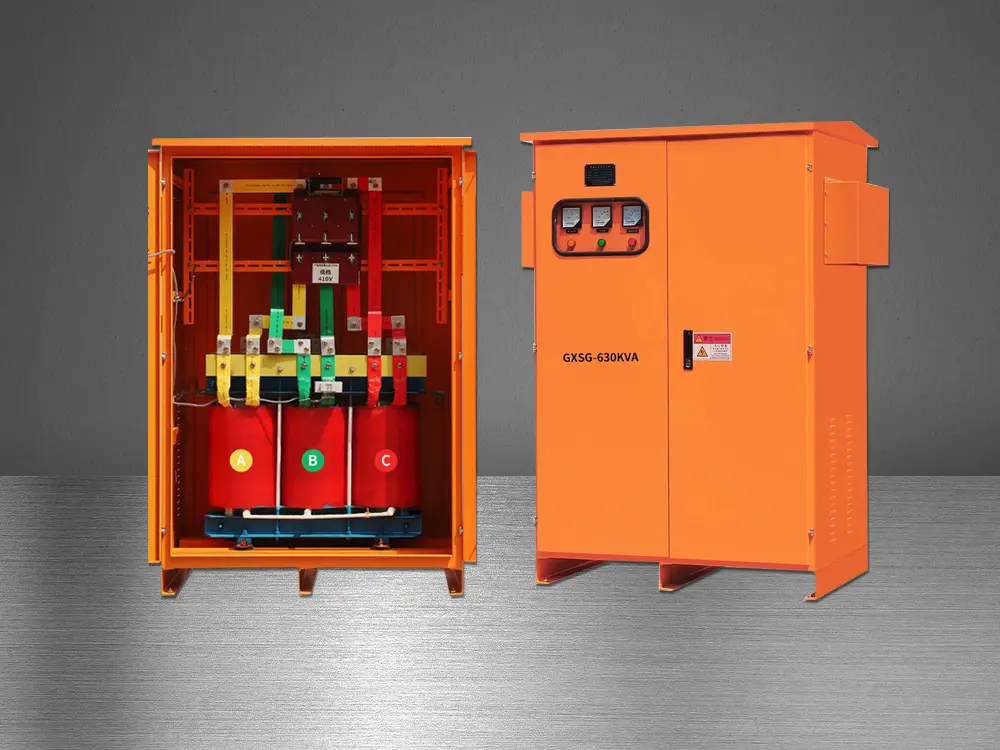 Tunnel Transformer
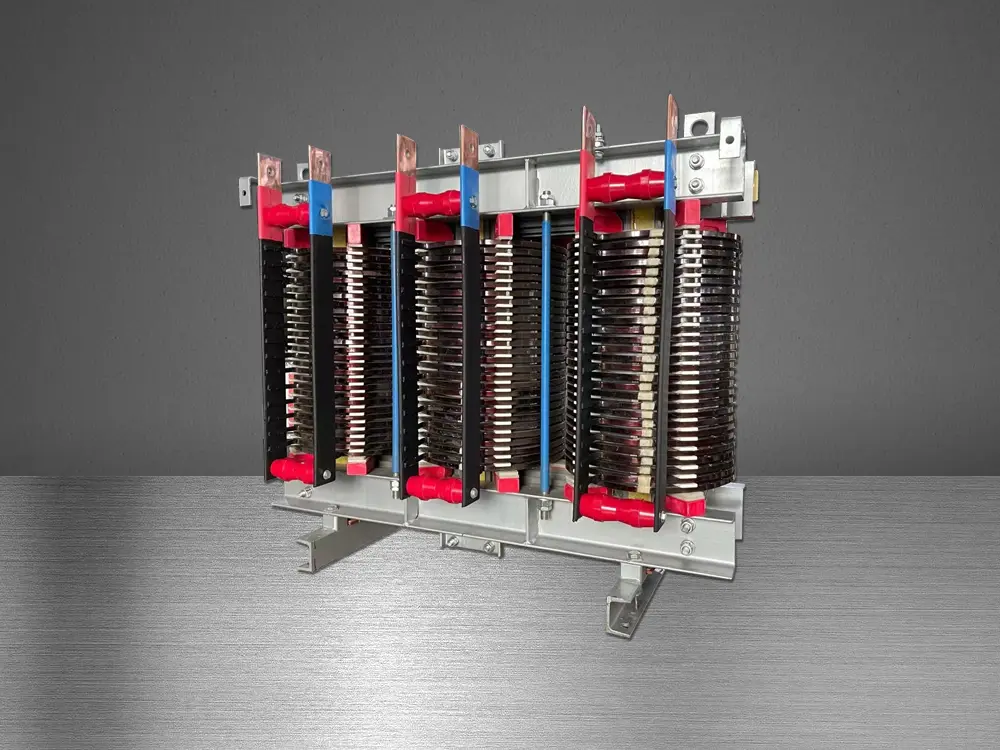 High Current Transformer
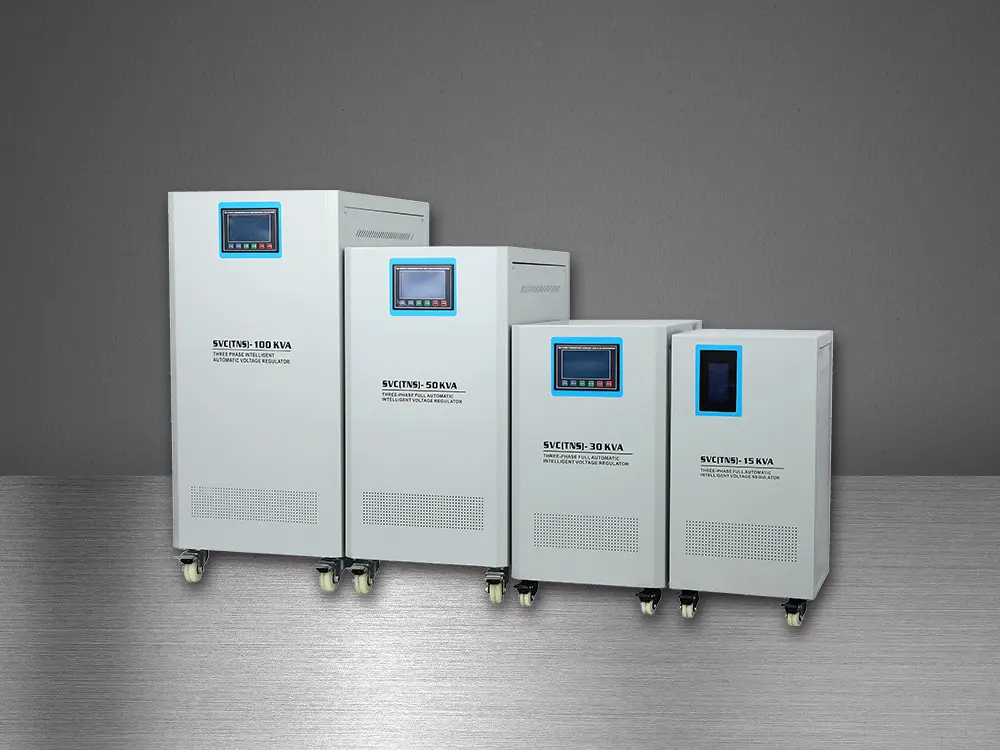 Automatic Voltage Regulator
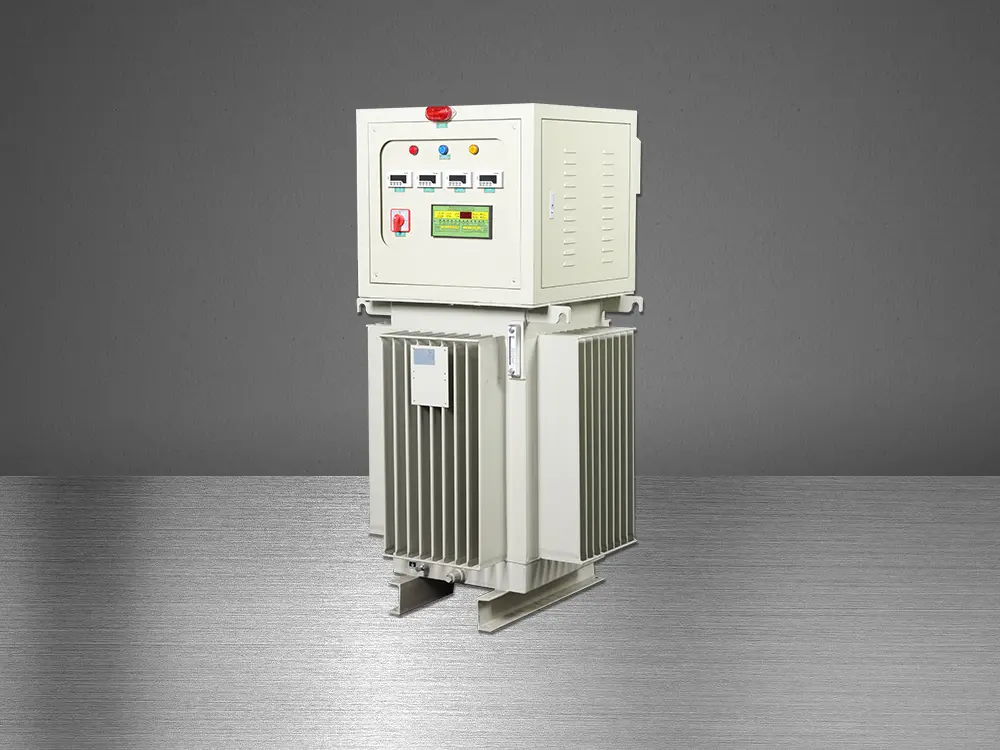 Oil Immersed Voltage Regulator