How to Choose the Right Home Voltage Regulator for Your Needs?
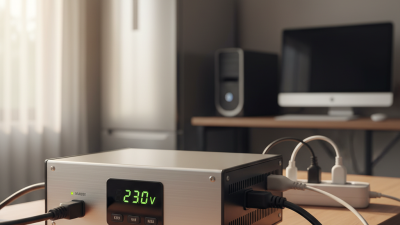
Choosing the right home voltage regulator can be daunting. With so many options available, it’s crucial to understand your needs. John Smith, an expert in power systems, emphasizes, “Selecting the appropriate regulator is vital for protecting your home electronics.” A well-chosen Home Voltage Regulator ensures that your appliances receive stable power.
Understanding how to match your regulator to your home’s requirements is essential. Various factors impact this decision, including power surges and fluctuations. Many homeowners overlook these critical details. This can lead to costly damage to valuable devices. A home voltage regulator mitigates these risks by maintaining consistent voltage levels.
Similarly, the right measurements are key. Knowing your home’s electrical load will help guide your choice. Many individuals feel overwhelmed by technical specifications. It’s important to ask questions and seek advice. Reflecting on these aspects will lead you to a more informed decision.
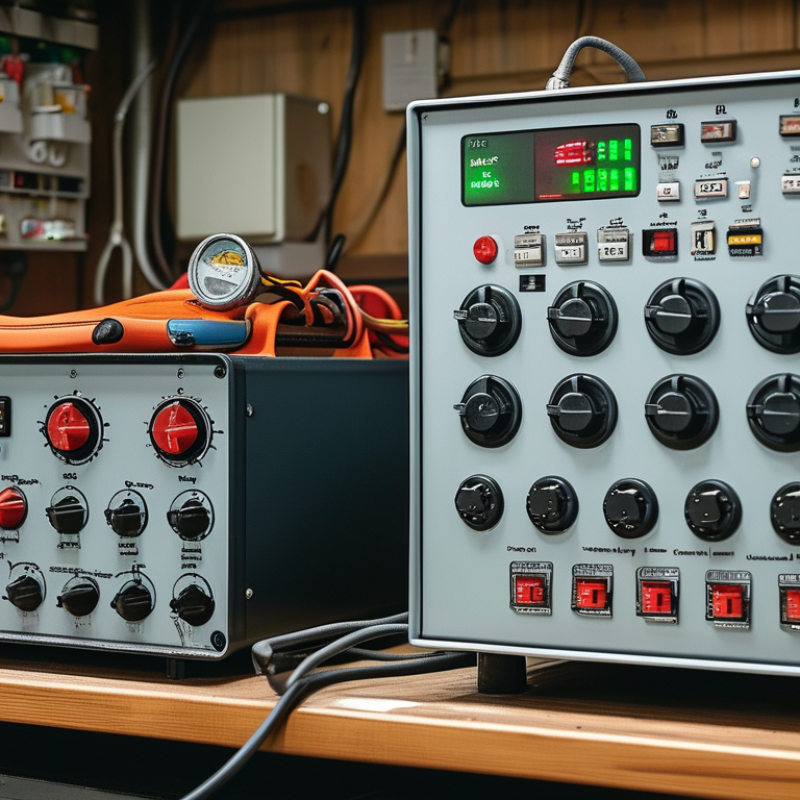
Understanding Home Voltage Regulators: Basics and Functions
Home voltage regulators play a key role in delivering stable electricity. These devices adjust voltage levels to protect appliances from fluctuations. Research suggests that poor voltage can shorten equipment lifespan. A consistent voltage increases efficiency and performance.
Understanding the functions of voltage regulators is crucial. They can be classified into automatic and manual types. Automatic regulators react to voltage changes without user intervention. Conversely, manual types require user adjustments. According to industry data, nearly 30% of power quality issues stem from voltage irregularities.
Key factors include capacity, output voltage, and response time. It’s vital to assess your electrical load. Users often underestimate their requirements. The wrong voltage regulator can lead to underperformance or even damage. A careful evaluation allows for optimal protection of household devices.
How to Choose the Right Home Voltage Regulator for Your Needs?
| Feature |
Description |
Importance |
Recommendation |
| Input Voltage Range |
The range of voltages the regulator can accept |
High |
Choose a range that matches your local supply |
| Output Voltage Stability |
Stability of the output voltage under varying loads |
High |
Opt for models that guarantee minimal fluctuations |
| Load Capacity |
Maximum load the regulator can support |
Medium |
Ensure it exceeds your total wattage requirements |
| Response Time |
Time taken to stabilize after a voltage change |
High |
Select a regulator with a quick response time |
| Protection Features |
Includes surge protection, over-voltage, over-current, etc. |
High |
Necessary for safeguarding devices connected |
| Form Factor |
Size and style of the voltage regulator |
Medium |
Choose based on available space in your home |
| Price |
Cost of the voltage regulator |
Medium |
Balance between budget and quality is crucial |
Common Voltage Fluctuations and Their Impact on Household Appliances
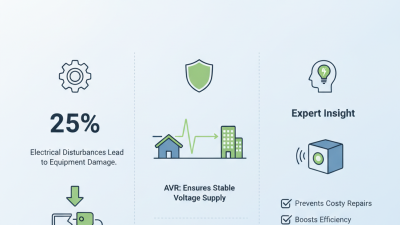
Fluctuations in voltage can significantly affect household appliances. Common voltage issues, like surges and dips, may cause inefficiencies. According to the U.S. Department of Energy, a voltage fluctuation can shorten the lifespan of an appliance by up to 25%. Overvoltage can damage sensitive electronics, leading to costly replacements.
Household appliances often rely on a stable power supply. Refrigerators, microwaves, and televisions are particularly sensitive. For instance, a surge may trigger internal protection mechanisms, causing temporary shutdowns. This not only disrupts your day but can also lead to operational inefficiencies.
Despite these concerns, many homeowners underestimate voltage stability. A study from the Institute of Electrical and Electronics Engineers (IEEE) found that 40% of households experience voltage disturbances at least once weekly. Ignoring these fluctuations could lead to damaging effects over time.
Installing a reliable voltage regulator can be a proactive step. This tool helps maintain stable power levels and protects appliances effectively.
Key Features to Consider When Selecting a Voltage Regulator
When selecting a home voltage regulator, certain key features should guide your decision. First, consider the regulator's capacity. A unit rated between 500VA to 3000VA is typical for residential use. Reports indicate that homeowners often choose under-capacity units, risking damage to electrical equipment. An appropriate capacity ensures reliable performance.
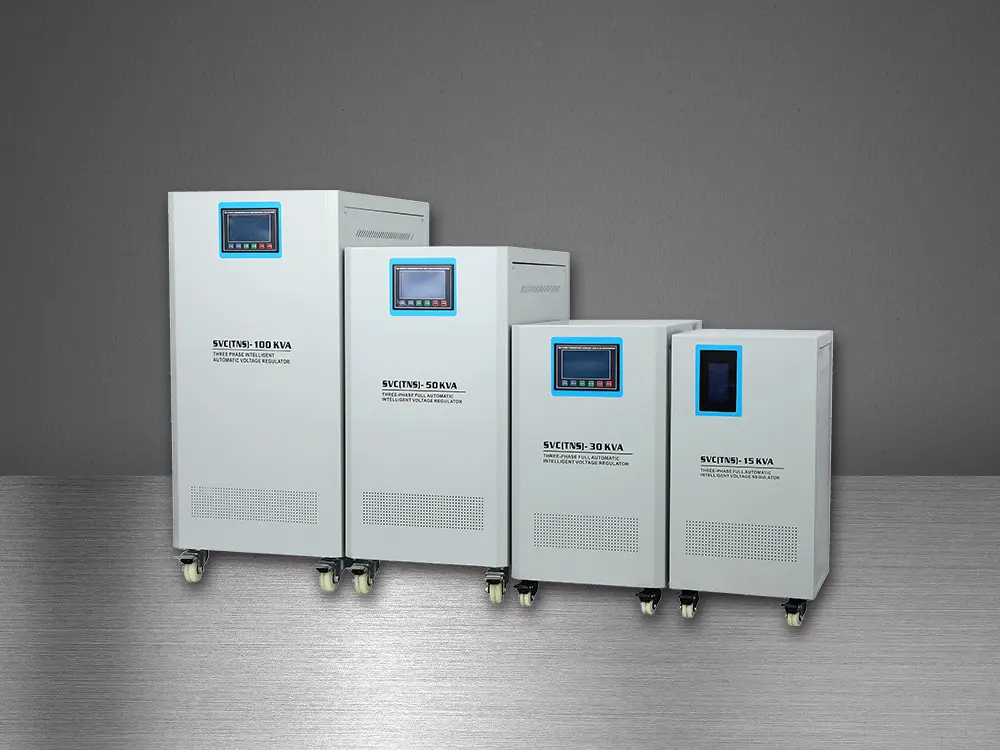
Next, look at the types of regulation. Automatic Voltage Regulators (AVR) provide stability by adjusting output voltage automatically. This feature is essential in areas with fluctuating power supply. According to a 2022 industry study, about 60% of equipment failure in homes can be traced back to voltage fluctuations. Selecting a unit with AVR can significantly reduce this risk.
Finally, assess the response time of the regulator. Ideally, it should respond within seconds to voltage changes. The fastest models can react in as little as 1 second. Slower models may cause momentary outages or damage. An investment in a quality regulator is vital for protecting important devices, yet many overlook this detail.
How to Choose the Right Home Voltage Regulator for Your Needs
The above chart illustrates key features to consider when selecting a home voltage regulator. These features include power rating, voltage range, response time, efficiency, and weight. Understanding these metrics can help you make an informed decision to meet your specific needs.
Types of Home Voltage Regulators: Pros and Cons Analysis
Choosing the right home voltage regulator requires understanding various types available on the market.
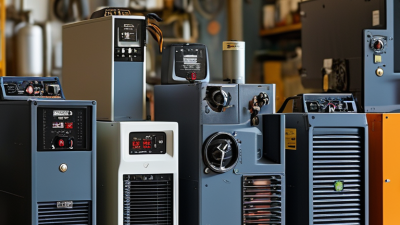
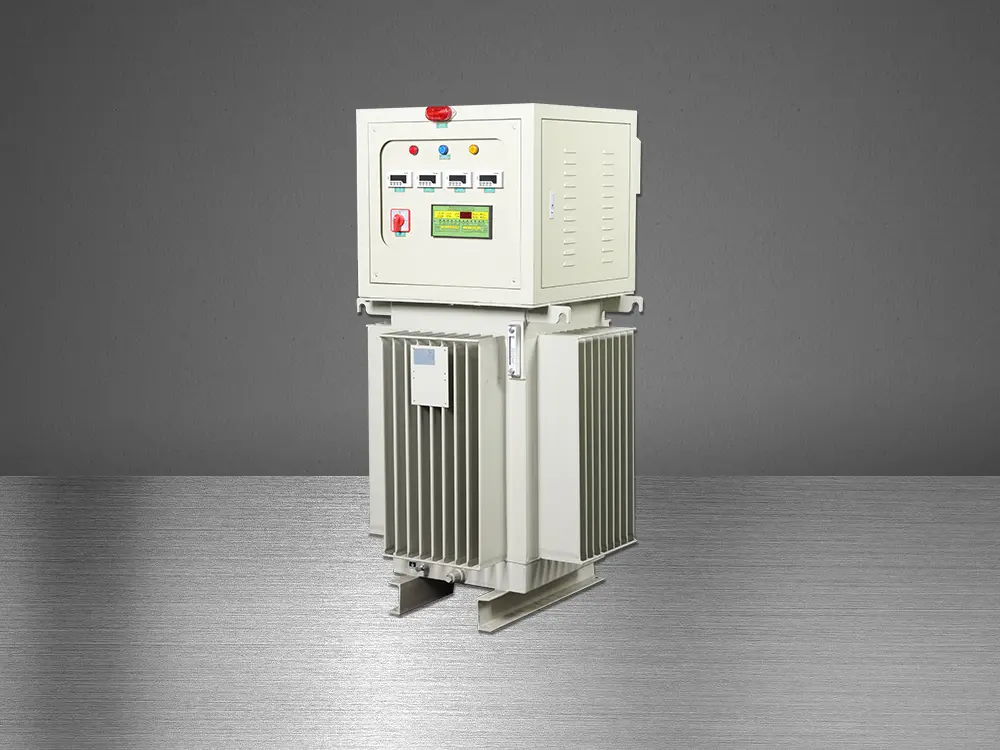
One common type is the automatic voltage regulator (AVR). AVRs offer consistent voltage control. They adjust automatically, providing stable output. While they are user-friendly, they can be more expensive. Another option is the servo voltage stabilizer. This type uses a motor to regulate voltage levels. This can lead to very accurate output. However, they may require more maintenance over time.
There are also ferroresonant voltage regulators. These units are known for durability. They effectively protect against surges. But, their weight and size can be a drawback in smaller setups. In contrast, tap-changing voltage regulators can be economical. They manually change connections based on the load. Yet, they are less efficient during rapid fluctuations. Understanding these pros and cons can aid in making the right choice for your needs.
Assessing Your Power Needs: Sizing a Voltage Regulator Properly
When selecting a home voltage regulator, size matters. Assessing your power needs is crucial. Start by identifying the total wattage of all appliances you plan to use simultaneously. This includes everything from your refrigerator to your home office equipment. Write down the wattage ratings, which are usually found on labels. It helps to use a wattage calculator for precision.
Once you have your total wattage, look for a regulator that exceeds this number. A buffer allows for fluctuations in voltage and prevents overloading. For a household with diverse equipment, it’s wise to consider a regulator that can handle at least 20% more than your calculated needs. This extra capacity can accommodate future electronics you might add.
Also, be aware of the types of regulators available. Some models suit specific appliances or operating conditions. Not every home requires the same solution. Reflect on your home’s unique electrical environment and usage habits. Consider seeking guidance from an electrician if you feel uncertain. Their expertise can help you make an informed decision. Don't overlook how critical proper sizing is for the longevity of your appliances.

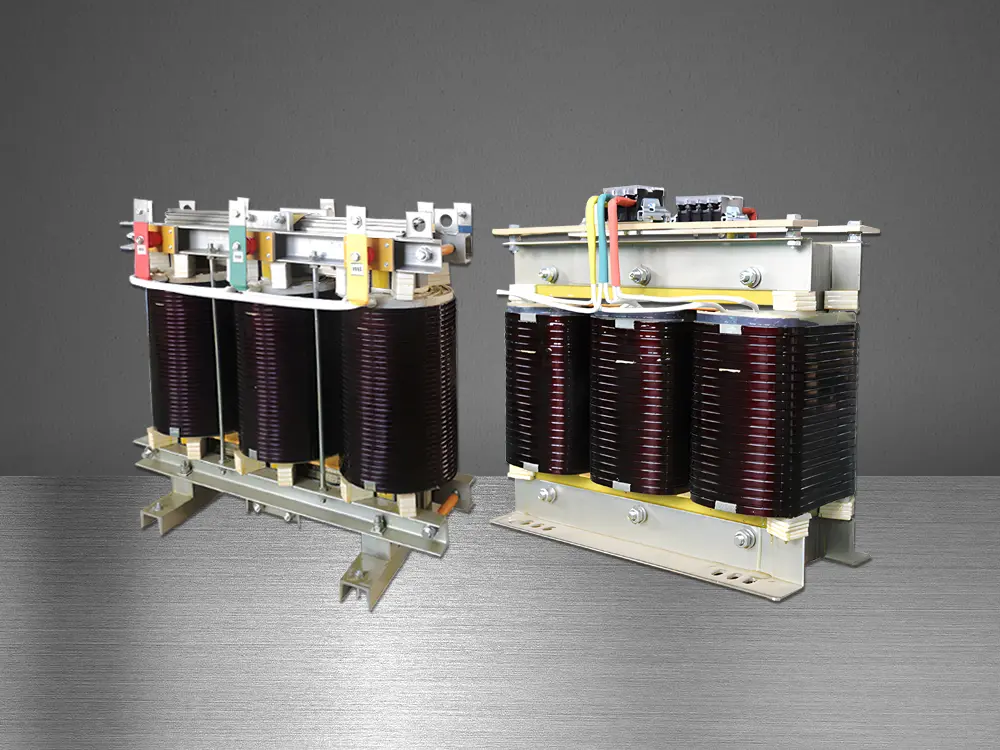 Three-Phase Isolation Transformer
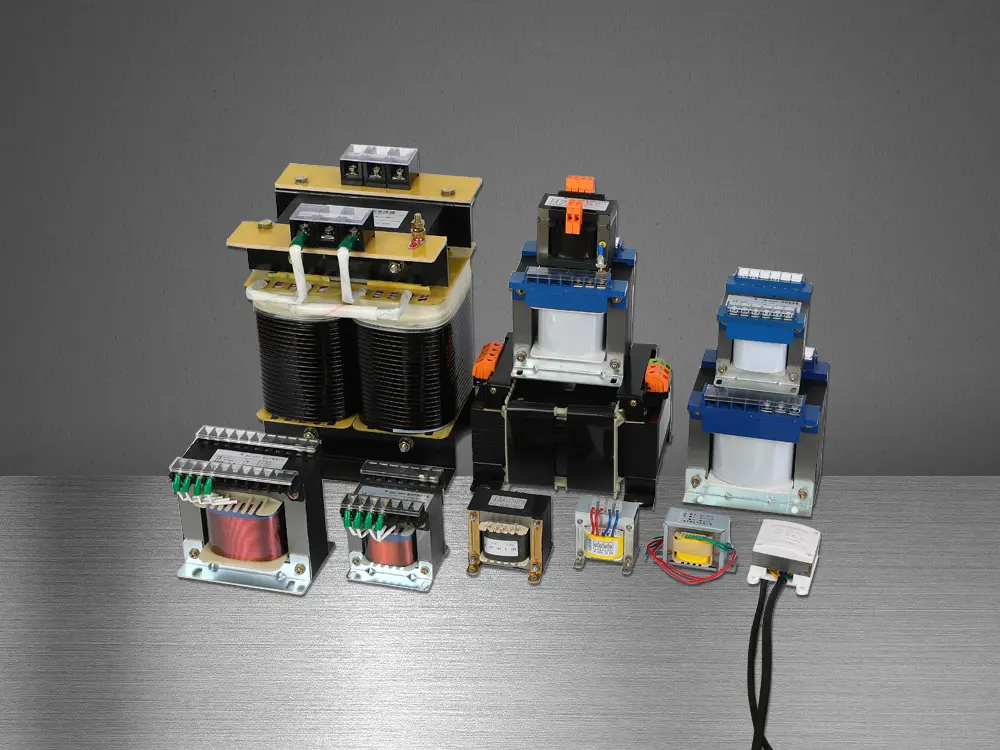 Control Transformer
 Medical IT Isolated Power System
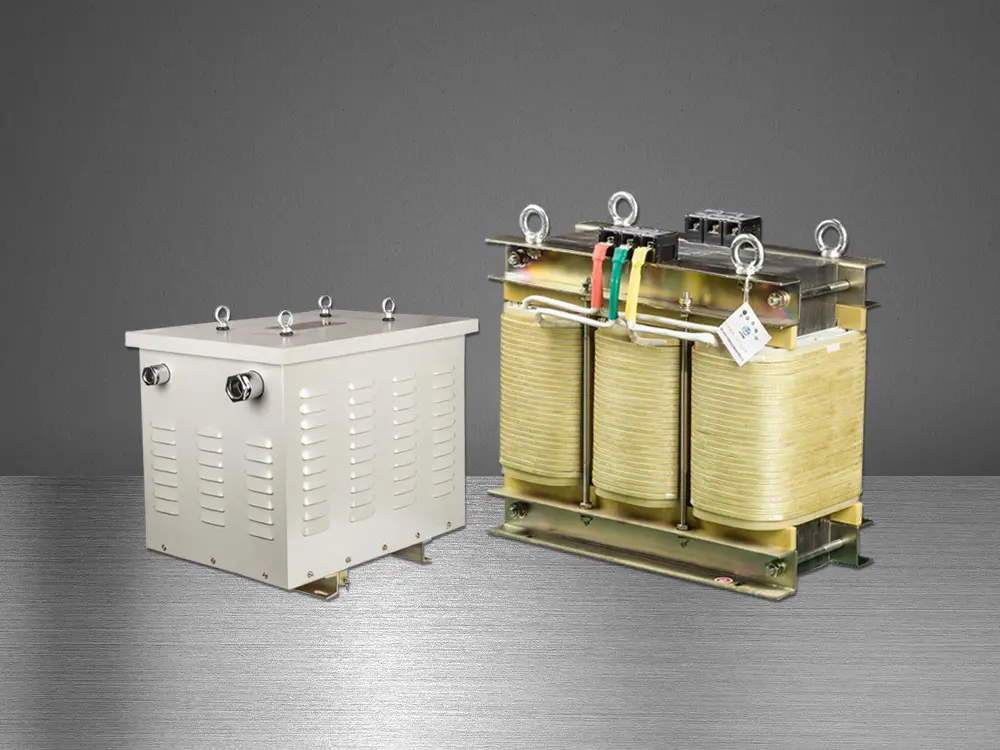 Marine Transformer
 Tunnel Transformer
 High Current Transformer
 Automatic Voltage Regulator
 Oil Immersed Voltage Regulator