How to Choose the Right Avr Automatic Generator for Your Needs?
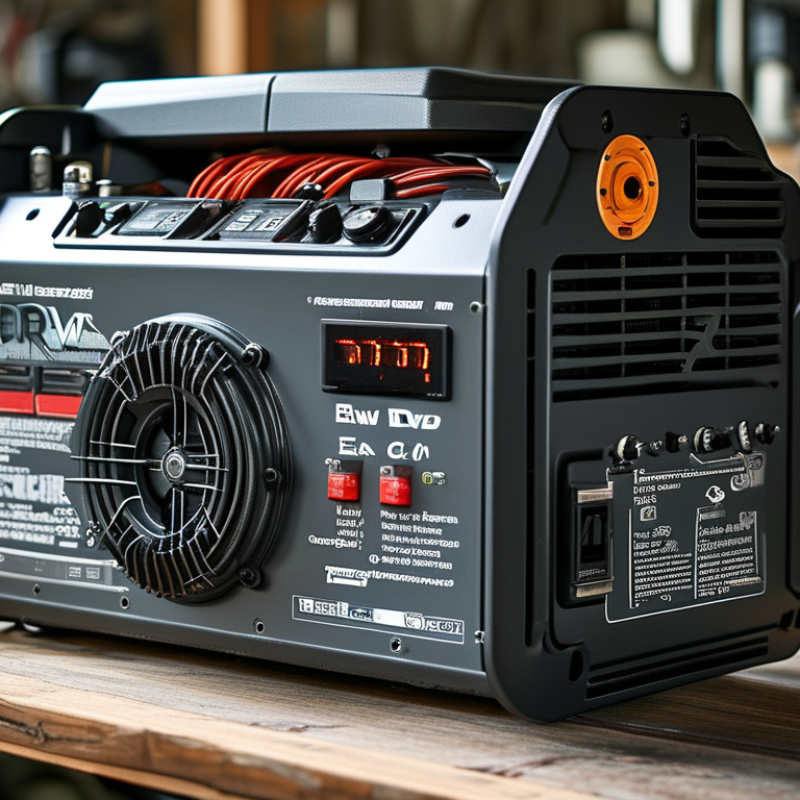
Choosing the right AVR automatic generator is crucial for various applications, whether for home backup or industrial use. The AVR automatic generator plays an essential role in maintaining voltage stability. Understanding the specific requirements of your situation helps make an informed choice.
One must consider factors like power output, fuel type, and voltage regulation. Additionally, brands vary in quality and reliability. Researching different models is necessary to find the perfect fit. Customer reviews often reveal strengths and weaknesses. They can guide users in selecting strong contenders.
Don't overlook maintenance requirements and warranty options. One should reflect on whether the long-term costs align with chosen specifications. A solid understanding of your needs ensures a smoother experience. The right AVR automatic generator can boost efficiency significantly if chosen wisely.
Understanding AVR Automatic Generators: An Overview
AVR automatic generators play a crucial role in delivering reliable power. They automatically regulate electrical output, ensuring stability and efficiency under varying load conditions. According to a recent industry report, the global market for automatic voltage regulators, including AVR, is projected to grow at a CAGR of over 5% through 2027. This growth highlights their importance across sectors, from residential to industrial.
Choosing the right AVR generator requires understanding its features. Key metrics include response time, voltage regulation precision, and load handling capacity. A well-regulated generator ensures minimal voltage fluctuations, which can protect sensitive equipment. Reports indicate that improper voltage levels can shorten the lifespan of electrical devices by up to 30%
It's essential to evaluate generator specifications thoroughly. Many users overlook the impact of environmental conditions, which can affect performance. For instance, extreme temperatures can hinder a generator's efficiency. Additionally, understanding the maintenance demands of AVR systems may not be straightforward for all. Regular checks and adjustments are necessary to ensure optimal functioning. Inadequate attention to these factors may lead to failures when they are needed most.
Key Factors to Consider When Choosing an AVR Generator
Choosing the right AVR (Automatic Voltage Regulator) generator can be challenging. Several key factors can guide your decision. Understanding your specific power needs is crucial. Calculate the total wattage of devices you plan to use. This ensures the generator can handle the load.
Another aspect to consider is the generator's output voltage. Look for models that provide stable voltage regulation. Fluctuations can damage sensitive electronics. A reliable voltage regulation enhances performance and protects your investments.
**Tips:** Always check safety features. Overload protection and circuit breakers are vital for safe operation.
Fuel efficiency is also important. Consider how often you'll need to refuel. An efficient generator saves money and reduces environmental impact. Reflecting on your usage patterns can help you determine the best fit.
**Tips:** Don’t overlook noise levels. A quieter generator will improve your experience, especially in residential areas.
Finally, think about portability. If you plan to move the generator frequently, lightweight options are beneficial. Analyze your lifestyle requirements to find a generator that aligns with your needs.
Different Types of AVR Generators and Their Applications
When selecting an AVR generator, it’s essential to understand the various types available. The most common categories include
brushless generators, which are reliable and require less maintenance. These are ideal for residential use and small businesses due to their efficiency and ease of use.
Then there are brush-type generators, known for their capacity to handle heavy loads and provide stable output. They often suit industrial applications, where durability is crucial.
Portable AVR generators offer flexibility for outdoor activities or emergency backup. These models are lightweight and easy to move. However, they might not provide the same power stability as larger units. Users may find themselves needing a more permanent solution for frequent power outages.
Autonomous power generation may include solar-powered systems that integrate AVR technology. They are environmentally friendly but can be more expensive upfront.
Lastly, examining the intended application is vital. Construction sites may demand rugged, heavy-duty units. In contrast, home users may prefer quieter, less powerful options. Contemplating these differences is necessary for making an informed choice.
Performance can vary significantly, leaving some users dissatisfied if their needs are not thoroughly assessed. Each type has pros and cons, requiring careful consideration of personal requirements and potential flaws in initial judgments.
Evaluating Power Requirements for Your AVR Generator
Choosing the right AVR (Automatic Voltage Regulator) generator begins with assessing your power needs. Understanding your specific requirements is critical. According to industry data, around 70% of generator users underestimate their power demand. This can lead to performance issues and equipment damage.
Start by calculating the total wattage of devices you plan to power. For instance, a refrigerator might use 600 watts, while a microwave can consume up to 1,200 watts. It's crucial to consider starting and running wattages. Often, motors require more power to start than to run. This discrepancy must be factored into your total calculations.
Additionally, consider the duration of use. Short-term peak loads may differ significantly from long-term needs. A reliable generator should handle both without failing. Data from the Electrical Safety Foundation International (ESFI) shows that improper sizing is a common cause of generator failure. Therefore, it's wise to consult with experts in the field to refine your calculations. This approach enhances reliability and ensures safety. Remember, flexibility in your power supply choices can prevent future inconveniences.
How to Choose the Right Avr Automatic Generator for Your Needs?
| Power Output (kW) |
Fuel Type |
Run Time (Hours) |
Noise Level (dB) |
Portability |
| 5 |
Gasoline |
8 |
60 |
Portable |
| 7.5 |
Diesel |
10 |
70 |
Stationary |
| 10 |
Gasoline |
12 |
65 |
Portable |
| 15 |
Propane |
10 |
68 |
Stationary |
Maintenance and Efficiency Tips for AVR Generators
Maintaining an AVR generator is crucial for optimal performance. Regular checks on fuel filters and oil levels can prevent unexpected breakdowns. A dirty filter will reduce efficiency. It's essential to replace or clean them regularly. Checking the coolant system also ensures that your generator operates within safe temperature limits.
Efficiency can be improved by running the generator at optimal loads. Overloading leads to higher fuel consumption and possible damage. Monitoring the load can help in adjusting operations accordingly. Using proper cabling and connections also minimizes energy loss. This seems straightforward, but many overlook it, often leading to inefficiencies.
Additionally, periodic testing of the generator's performance is wise. It's easy to assume everything works fine, but doing tests can reveal hidden issues. Pay attention to any unusual noises or vibrations. These can indicate needing maintenance before a major failure occurs. Ignoring small problems can lead to costly repairs down the line.

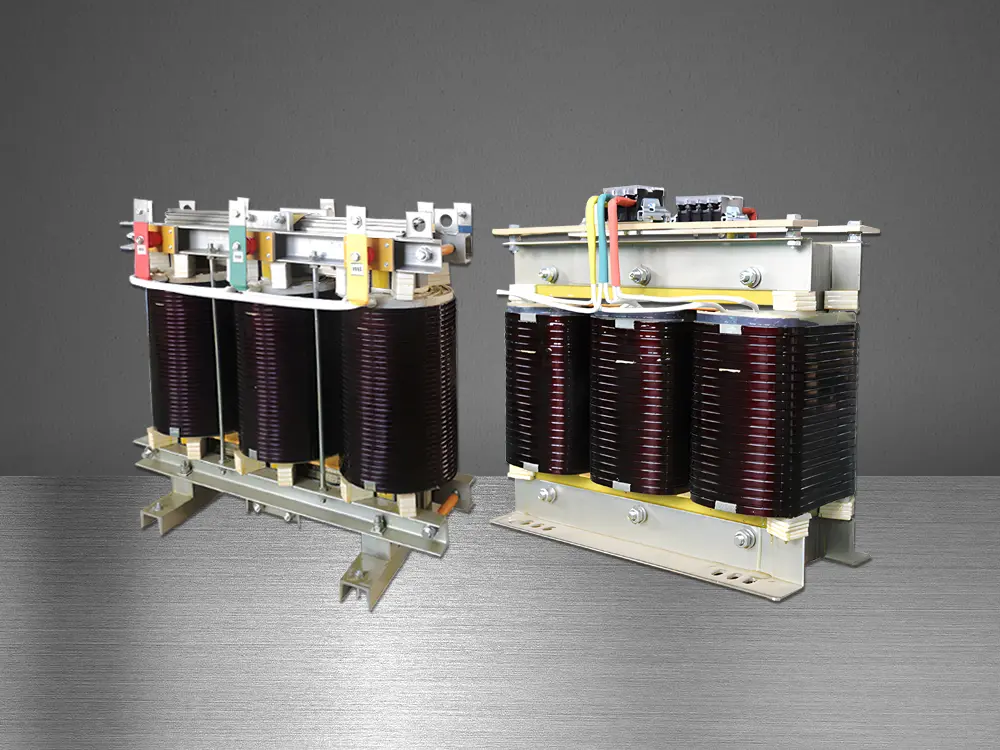 Three-Phase Isolation Transformer
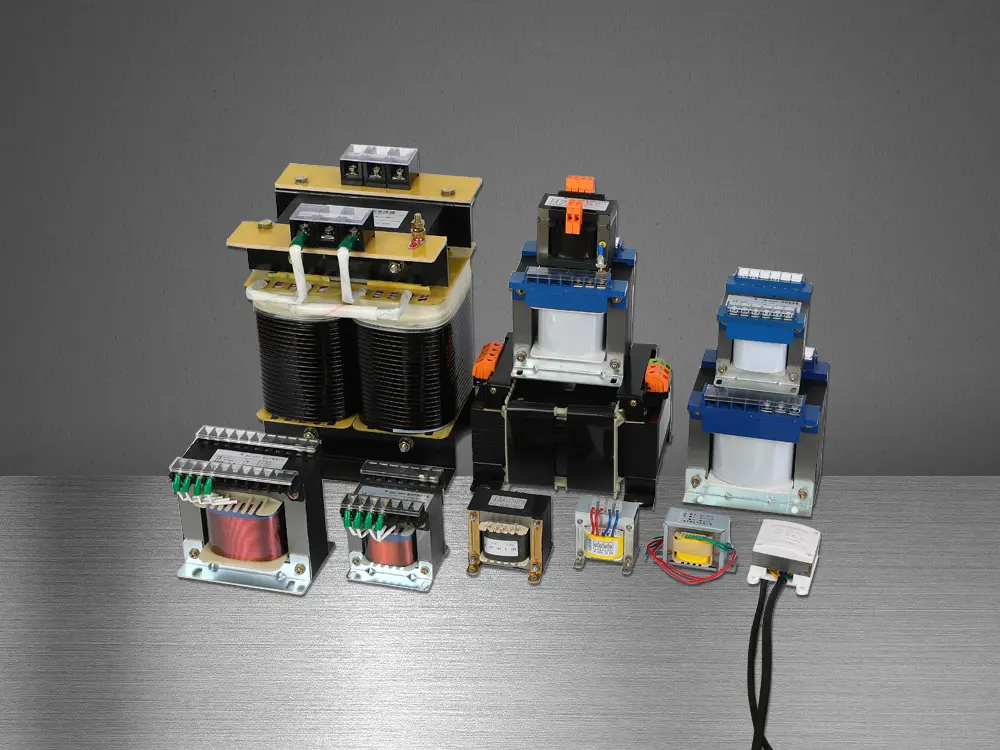 Control Transformer
 Medical IT Isolated Power System
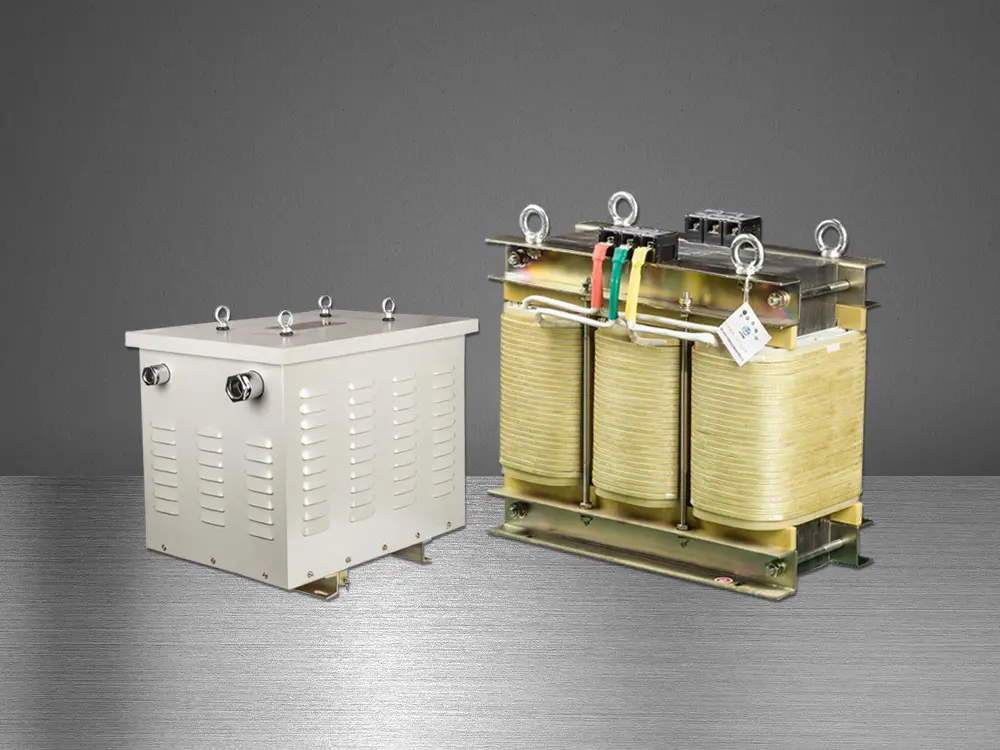 Marine Transformer
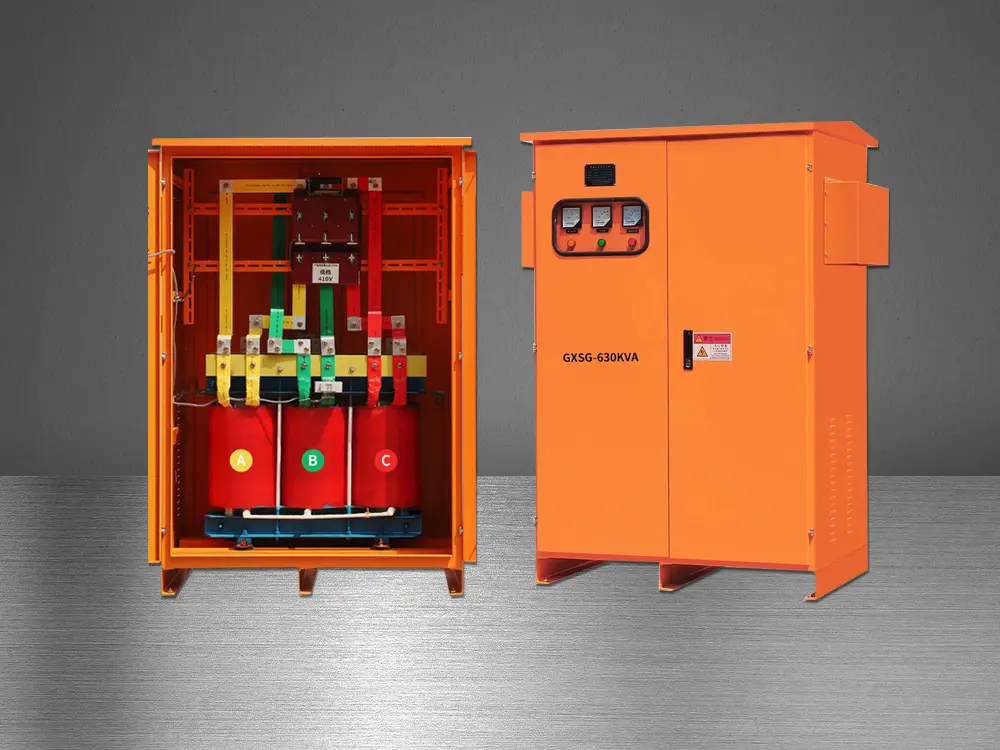 Tunnel Transformer
 High Current Transformer
 Automatic Voltage Regulator
 Oil Immersed Voltage Regulator