What is the Phase of Transformer and Its Importance in Electrical Systems?
The "Phase Of Transformer" is a critical aspect of electrical systems that often determines their efficiency and performance. Renowned electrical engineer Dr. Richard Volta emphasizes its importance, stating, "Understanding the phase of a transformer is essential for optimal energy management." This highlights the impact of transformer phases on energy transfer and system reliability.
In practical terms, transformers convert voltages to suit various applications. Different phases can lead to varying outcomes in energy distribution. For instance, a three-phase transformer improves load balancing and reduces losses, making it vital for industrial use. However, the complexity of phase management can be daunting. Errors in phase connections may result in equipment failure, causing significant downtime.
Moreover, many engineers overlook the nuances of the "Phase Of Transformer." This can affect system design and operational efficiency. Recognizing these intricacies is crucial for enhancing performance and ensuring system longevity. As the energy landscape evolves, experts must continuously reassess the role of transformer phases in modern electrical infrastructure.
What is a Transformer Phase?
In electrical systems, the phase of a transformer plays a vital role. Essentially, a transformer's phase refers to the specific alignment and relationship of the alternating current (AC) in the system. Each transformer in a network needs to be correctly phased to ensure efficient operation. Misalignment can lead to problems such as short circuits or imbalanced loads.
The significance of transformer phase alignment cannot be overstated. According to industry reports, transformer phase mismatches can result in a 30% increase in energy losses. This inefficiency impacts not only operational costs but also the maintenance frequency of electrical systems. Correct phasing ensures optimal performance, leading to reduced energy consumption and lower overall costs.
Usually, three-phase systems are preferred in industrial applications. This configuration allows for a steadier power supply and better load distribution. However, in some instances, systems may not be perfectly phased. Engineers must regularly check phasing during maintenance. Failure to do so can disrupt the balance and lead to significant power quality issues. The complexity of phase relationships emphasizes the need for expertise in electrical design and regular assessment of the existing grid.
Transformer Phase Importance in Electrical Systems
This bar chart illustrates the importance of different transformer phases in electrical systems, showcasing how each phase contributes to efficiency and reliability.
The Role of Transformer Phases in Electrical Systems
Transformers play a crucial role in electrical systems by managing phase shifts. The phase of a transformer determines how electrical energy is distributed across power lines. Each phase must be synchronized to maintain efficiency. Improper phase alignment can lead to issues like energy loss and equipment damage.
In three-phase systems, transformers ensure balanced loads. This balance is vital for electric motors and large industrial equipment. An unbalanced phase can cause significant stress on these devices. Over time, such stress can lead to malfunctions or failures.
Thus, understanding transformer phases is essential for safe and reliable operations.
Regular monitoring of transformer phases is necessary. This practice helps identify potential problems early. Technicians must know how to interpret phase readings accurately. The importance of training cannot be overstated. A well-trained technician can prevent costly downtime. The complexity of phase management requires continuous learning and adaptation.
Types of Transformer Phases and Their Characteristics
Transformers play a critical role in electrical systems, especially regarding their phase characteristics. A transformer can exist in various phase configurations. The most common types include single-phase and three-phase transformers. Each configuration comes with its unique characteristics that affect efficiency and performance.
Single-phase transformers are simpler and primarily used in residential settings. They consist of two wires and are suitable for lower power applications. Although they are efficient for domestic use, they can be limiting for larger systems. Conversely, three-phase transformers are commonly used in industrial and commercial applications. They have three sets of coils and provide a steady power supply. This setup reduces power loss and improves overall efficiency, making them more reliable for heavy loads.
Choosing the right transformer phase is essential. An incorrect choice might lead to inefficiencies or even equipment failures. Often, users overlook these details, assuming all transformers work similarly. Understanding the nuances of transformer phases can prevent costly mistakes. It's crucial to evaluate the specific needs of your electrical system to ensure optimal performance.
Importance of Phase Balance in Power Distribution
Phase balance is crucial in power distribution systems. When phases are unbalanced, it leads to inefficiencies. This can cause increased losses and overheating in transformers and motors. Industry data shows that unbalanced loads can increase energy costs by up to 30%. This inefficiency arises because not all phases contribute equally.
Proper phase balancing maintains system stability. A well-balanced load ensures that each phase carries an equal amount of current. This balance mitigates voltage fluctuations and prolongs equipment life. Power quality improves, leading to reduced maintenance costs. Reports indicate that balanced phases can enhance overall system reliability by 20% or more.
Despite its importance, achieving phase balance often poses challenges. Many facilities struggle with load distribution. This can stem from inadequate planning or seasonal load variations. Operators must regularly monitor phase loads. Identifying these imbalances requires time and diligent analysis. Ultimately, a proactive approach is vital in maintaining phase balance.
Impact of Phase on Transformer Efficiency and Performance
The phase of a transformer plays a critical role in its efficiency and performance. According to industry reports, transformers can have significant losses when phases are improperly aligned. A misalignment can lead to increased heating and decreased operational efficiency. Studies indicate that even a 1% shift in phase can result in a 2-3% reduction in efficiency. This underlines the importance of precise phase management in electrical systems.
In terms of performance, transformers with well-controlled phase relationships exhibit superior voltage regulation. A phase angle discrepancy might cause uneven load distribution, leading to potential overloads. Research from the Institute of Electrical and Electronics Engineers (IEEE) highlights that transformers operating under optimal phase conditions demonstrate less wear and longer lifespans. However, achieving this ideal state is not always straightforward; environmental factors and load variations can introduce complexity.
Maintaining the right phase balance is essential but often overlooked. Utilities need to invest in advanced monitoring technologies to manage phases effectively. Field data reveals that 30% of transformer failures are linked to phase-related issues. Improving phase alignment can be a game changer for both efficiency and longevity in electrical systems.
What is the Phase of Transformer and Its Importance in Electrical Systems? - Impact of Phase on Transformer Efficiency and Performance
| Parameter |
Single Phase |
Three Phase |
| Efficiency |
85-90% |
90-95% |
| Load Capacity |
Up to 5 kVA |
5 kVA to several MVA |
| Phase Displacement |
Non-existent |
120 degrees between phases |
| Cooling Requirements |
Usually air-cooled |
Oil-cooling commonly used |
| Cost |
Lower initial cost |
Higher initial investment |
| Application |
Residential and small loads |
Industrial and commercial use |

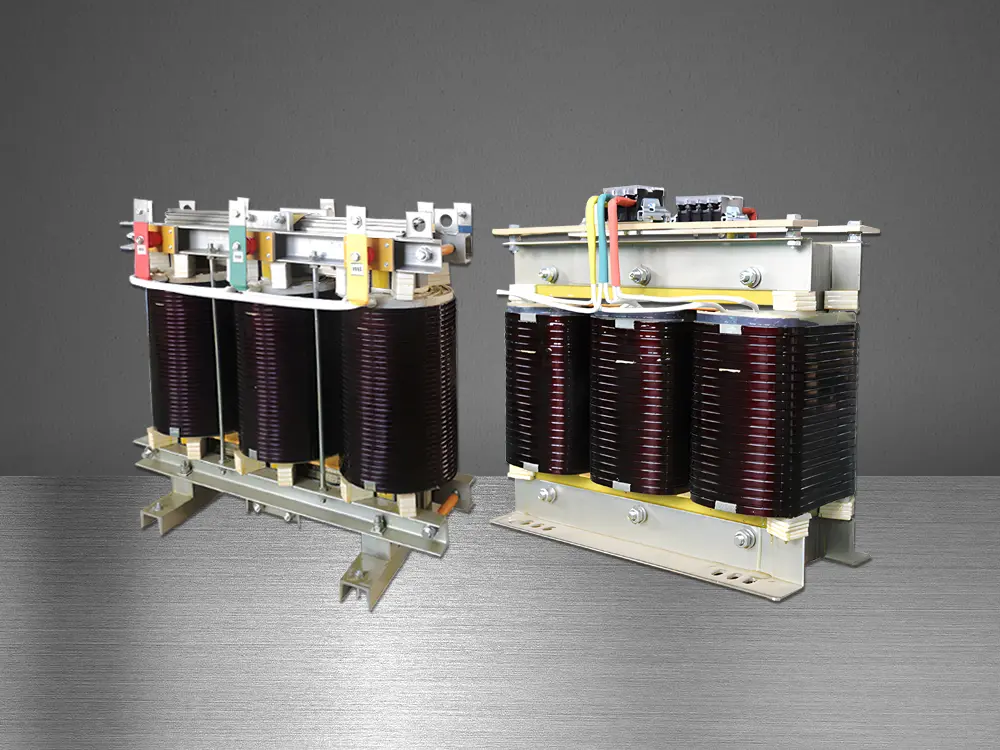 Three-Phase Isolation Transformer
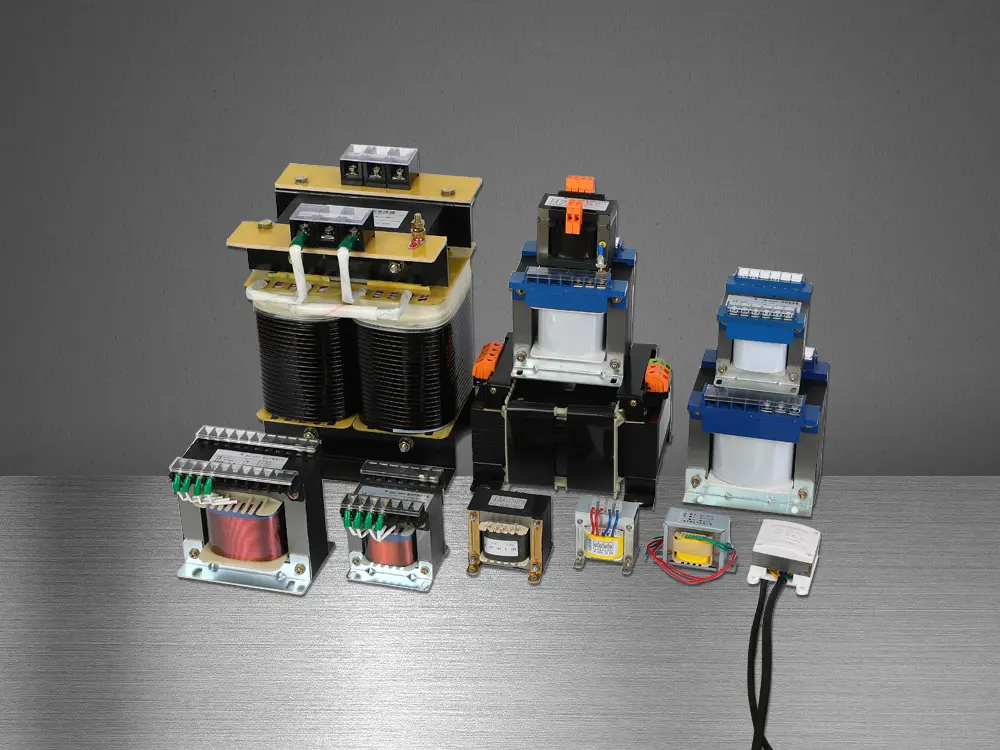 Control Transformer
 Medical IT Isolated Power System
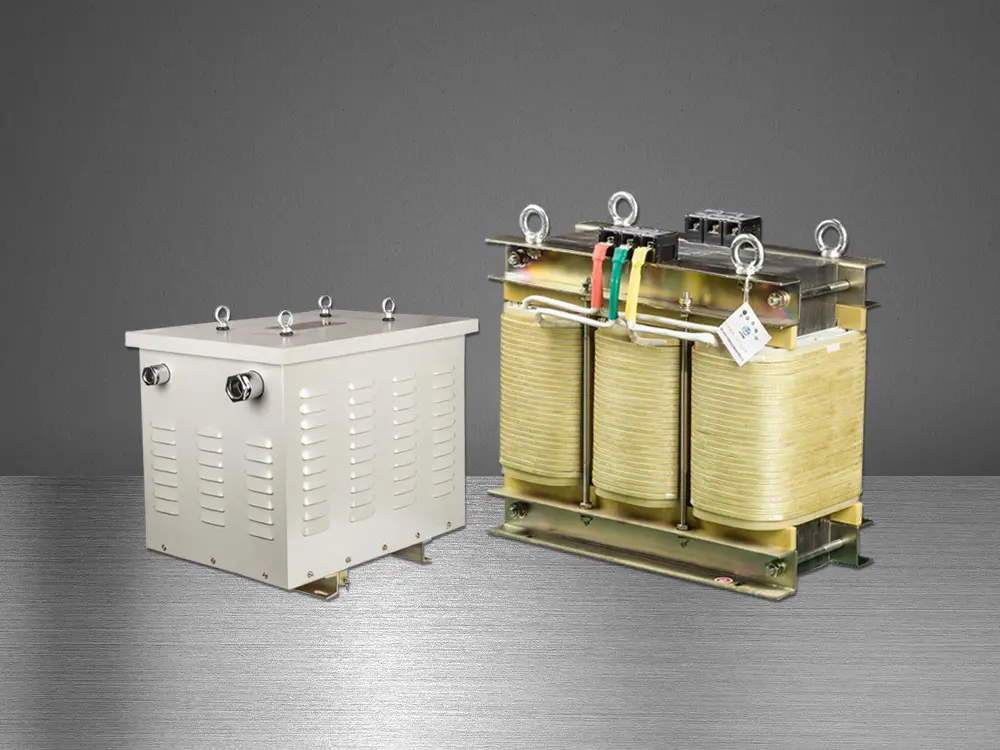 Marine Transformer
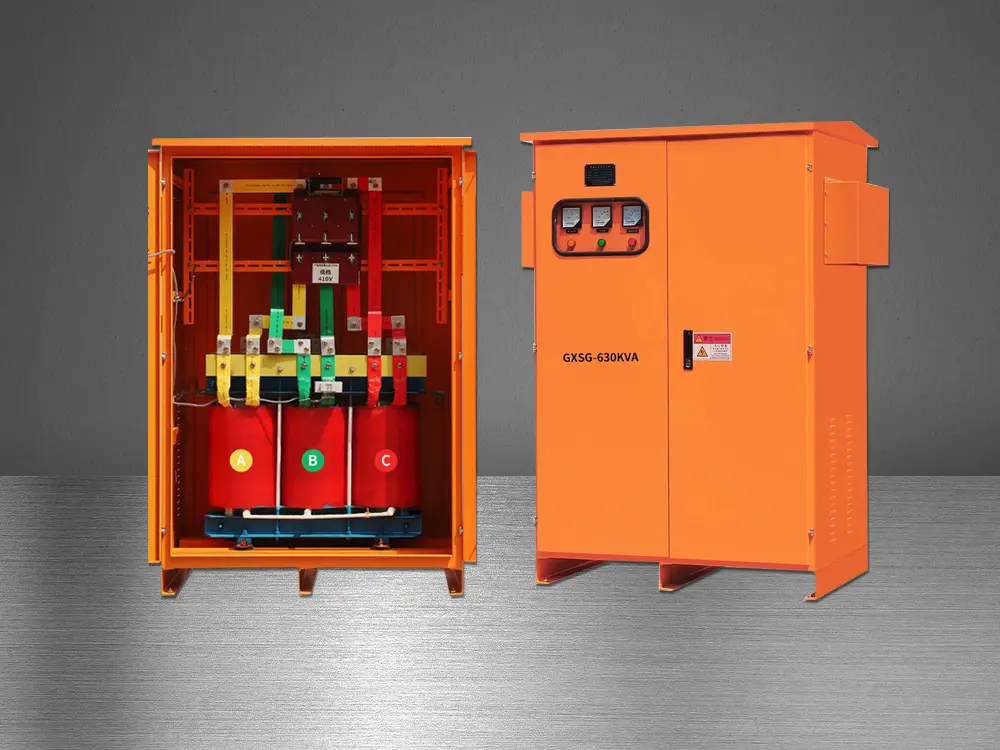 Tunnel Transformer
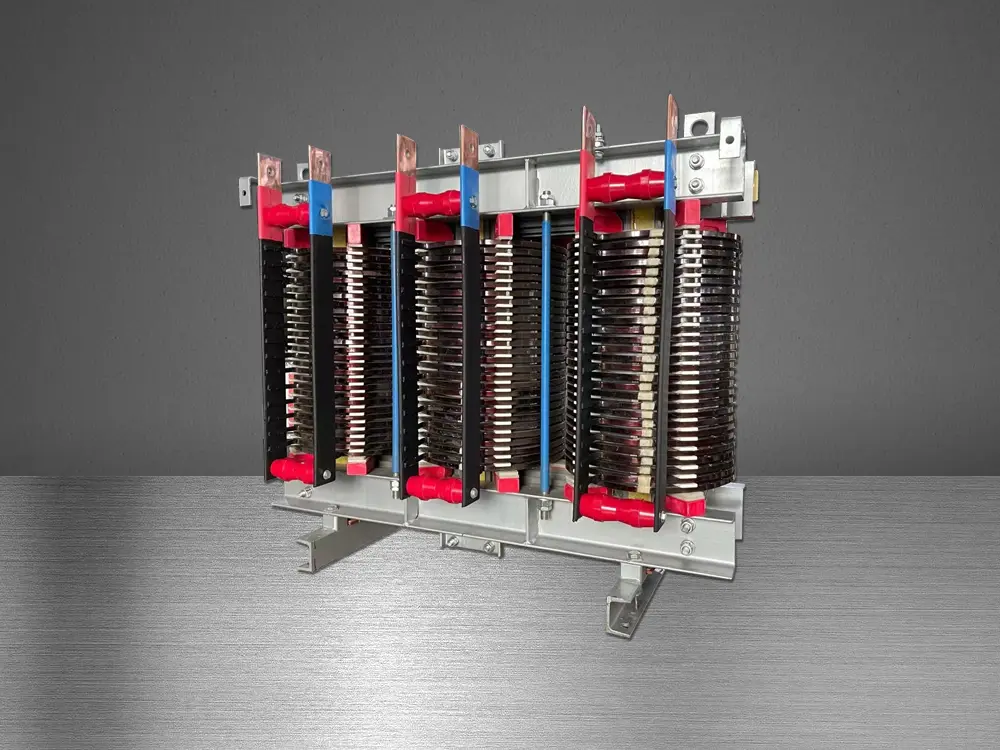 High Current Transformer
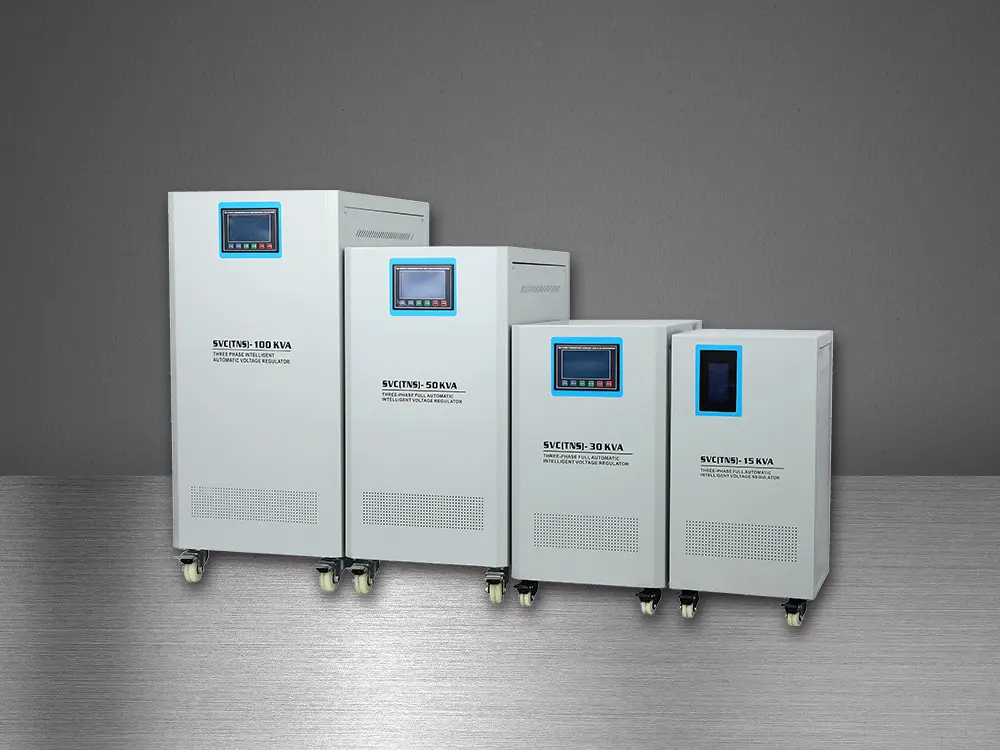 Automatic Voltage Regulator
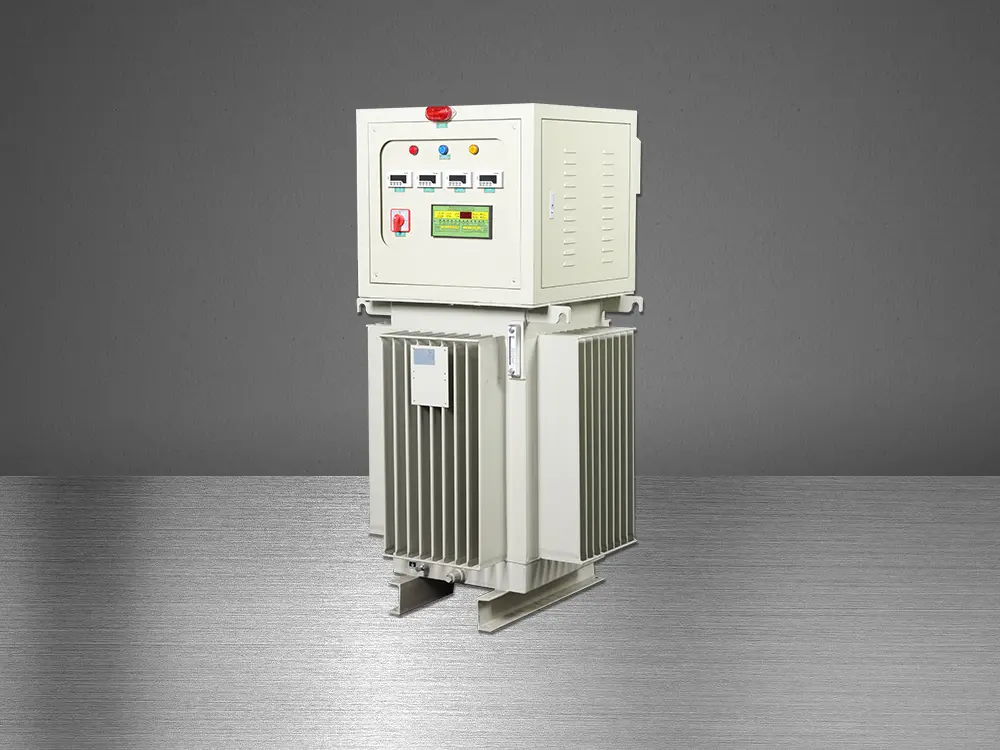 Oil Immersed Voltage Regulator