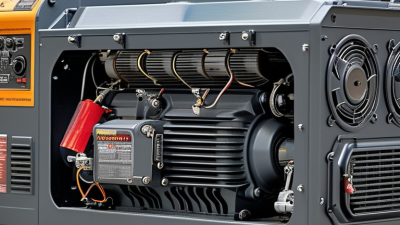
Top Safe Power Systems for Global Buyers in 2026?
In the realm of energy solutions, the demand for Safe Power Systems is rising sharply among global buyers. Experts indicate that future systems must not only operate efficiently but also prioritize safety. “The future is about integrating safety into every power solution,” says Dr. Emily Carter, a leading authority in energy systems.
As we approach 2026, businesses must evaluate their power systems carefully. Traditional energy models no longer suffice. Safe Power Systems not only enhance functionality but also mitigate risks associated with energy production and consumption. This shift requires an understanding of technological advancements and safety protocols.
While many companies have invested in advanced technologies, challenges remain. Some systems still show vulnerabilities that need addressing. The path to robust Safe Power Systems involves continuous improvement and a commitment to safety. By learning from past trends and focusing on reliability, global buyers can make smarter choices for a safer energy future.

Overview of Safe Power Systems in the Global Market for 2026
Safe power systems play a crucial role in the global market, especially as we look towards 2026. The demand for efficient and reliable energy solutions is rapidly increasing. According to recent industry reports, the global market for safe power systems is projected to reach $50 billion by 2026. This growth reflects a shift towards renewable energy adoption and greater investments in grid security.
In 2026, safety must be a key focus for buyers. The integration of advanced technologies like IoT and AI has enhanced operational safety. However, challenges remain. Not all systems provide adequate cybersecurity measures. Buyers should evaluate systems on their ability to withstand cyber threats. Investing in a safe power system that supports data protection is essential for long-term reliability.
When selecting power systems, consider scalability. A system that adapts to changing demands is crucial. Compliance with international safety standards is also vital. Buyers may overlook local regulations, impacting the system's operational safety. Assessing these factors will lead to a more informed decision. The power landscape is evolving rapidly, making it imperative to prioritize safety and reliability in your choices.
Key Features of the Most Reliable Power Systems for Buyers
When selecting power systems for global buyers in 2026, reliability stands out as a key feature. Many systems incorporate advanced technology, ensuring they can handle fluctuations in demand. These systems should be designed for various environments, from harsh climates to urban settings. A solid power system not only ensures stability but also minimizes downtime, which is crucial for business continuity.
Safety features are equally essential, including automatic shut-off mechanisms to prevent hazards. Buyers must look for systems that comply with international safety standards. Regular maintenance is vital to keep systems running efficiently and securely. Predictive analytics play a role in identifying potential failures before they escalate. Performance monitoring can provide insights into usage patterns, allowing for timely adjustments and improvements.
Flexibility in power output can make a significant difference. Systems should allow for scalability as business needs evolve. Buyers may find that some systems excel in specific scenarios but falter in others. It's important to weigh all options carefully and understand their limitations. Innovating within this field requires ongoing reflection about practices and emerging technologies. Balancing reliability and adaptability will be the cornerstone of future power systems.
Top Safe Power Systems for Global Buyers in 2026
The chart below illustrates the reliability ratings of various power systems based on safety features, efficiency, and user satisfaction. These ratings are essential for buyers looking for safe and dependable power solutions in 2026.
Innovative Technologies Shaping Safe Power Solutions by 2026
Innovative technologies are reshaping the landscape of safe power solutions as we approach 2026. One significant advancement includes the integration of smart grid technologies. These systems enhance energy efficiency and reliability. Real-time monitoring reduces power outages and increases response times during crises.
A seamless flow of information between energy producers and consumers fosters a more resilient energy network.
Another area of focus is battery storage technology. Improved energy storage systems enable the optimal use of renewable resources. Batteries can store excess power generated during peak production times and release it when demand rises. This balancing act is vital for stability in energy supply.
However, challenges remain in terms of environmental impact and battery disposal.
Cybersecurity is also pivotal in developing safe power systems. As reliance on digital solutions grows, so do the risks associated with cyber threats. Protecting sensitive infrastructure from attacks is paramount. While advancements in encryption methods are promising, ongoing vigilance is essential.
Our commitment to continuously improving these technologies is crucial for a secure energy future.
Comparative Analysis of Leading Safe Power Systems Worldwide
As the demand for safe power systems continues to rise globally, a comparative analysis of leading solutions is essential. According to a recent industry report, the market for safe power systems is projected to grow by 15% annually through 2026. This growth reflects the increasing awareness of energy security and system resiliency among consumers.
Diverse technologies are now available, ranging from battery storage systems to renewable energy integrations. Some systems boast an efficiency rating above 90%. However, discrepancies in performance still exist. Some users report challenges in integration with existing infrastructure. Factors like compatibility and ease of use indeed warrant further scrutiny to fully leverage their potential.
In assessing these systems, it's crucial to consider not just their safety features but also their overall reliability. Recent surveys highlight that 37% of users experienced downtime due to system failures. This underscores the ongoing need for improvement within the industry, particularly in user education and support. Continued innovation, along with user feedback, will play a vital role in defining the future landscape of safe power systems.
Top Safe Power Systems for Global Buyers in 2026 - Comparative Analysis
| Power System Type |
Efficiency (%) |
Safety Features |
Compliance Ratings |
Cost ($) |
| Solar Power System |
95 |
Overload Protection, IP67 Certified |
ISO 9001, CE |
5000 |
| Wind Turbine System |
90 |
Automatic Brake System |
IEC 61400 |
8000 |
| Hydropower System |
85 |
Surge Protection, Flood Sensors |
ISO 14001 |
12000 |
| Battery Energy Storage |
98 |
Temperature Control, Fire Safety |
UL 9540 |
6000 |
| Geothermal Energy System |
92 |
Leak Detection, Emergency Shutoff |
ASME |
10000 |
Regulatory Standards and Their Impact on Power System Safety in 2026
In 2026, power systems face increasing regulation aimed at ensuring safety and reliability. These standards are crucial for global buyers who prioritize secure energy solutions. The International Energy Agency estimates that compliance with safety regulations can reduce the risk of power outages by up to 30%. This statistic underscores the importance of adhering to regulatory frameworks.
As regulations evolve, they impose stricter requirements on equipment manufacturers and service providers. For instance, the adoption of smart grid technology is becoming more prevalent. These technologies enhance monitoring and control, leading to improved safety. However, implementation can be complex. Industry reports highlight that a significant percentage of companies struggle to meet these new regulatory demands.
Potential gaps in compliance and technology adoption may lead to increased risks. In 2025, nearly 40% of surveyed companies reported challenges in adapting to changes in regulations. Furthermore, the importance of regular audits cannot be overstated. These audits help identify vulnerabilities and ensure alignment with safety standards. The evolving landscape requires continuous improvement. Stakeholders must remain vigilant to maintain power system integrity while navigating regulatory complexities.

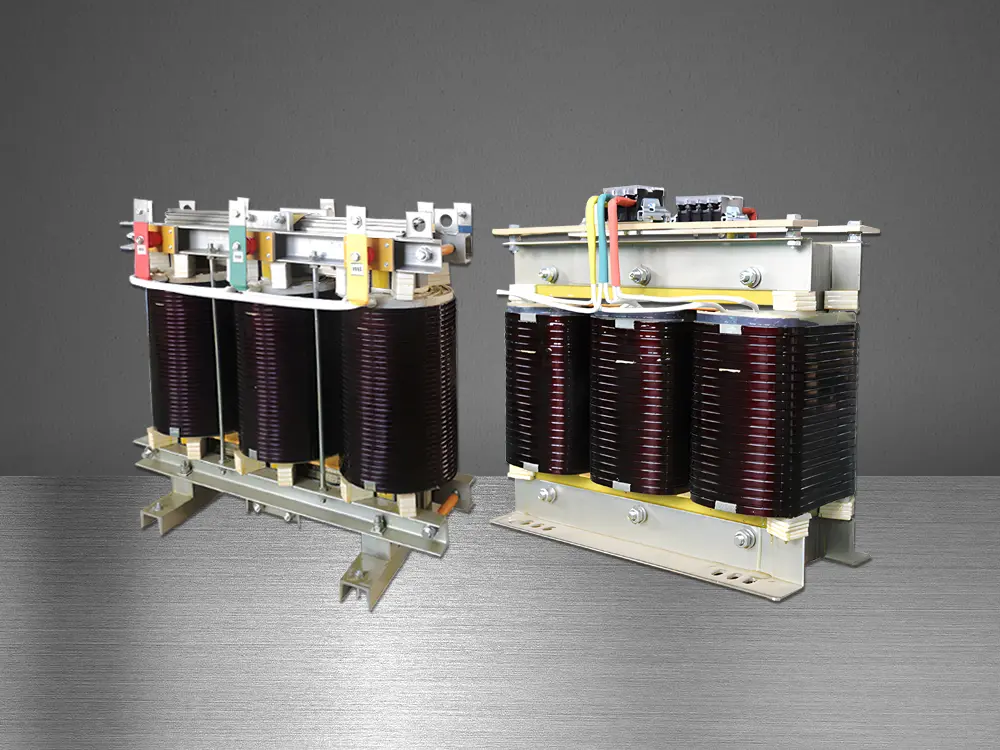 Three-Phase Isolation Transformer
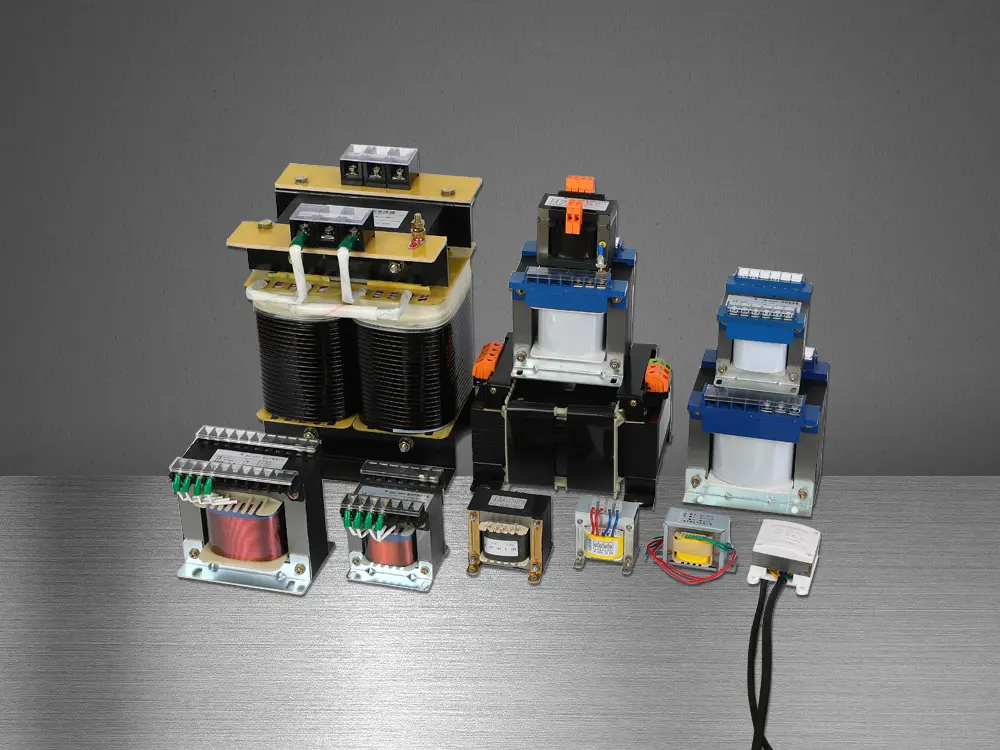 Control Transformer
 Medical IT Isolated Power System
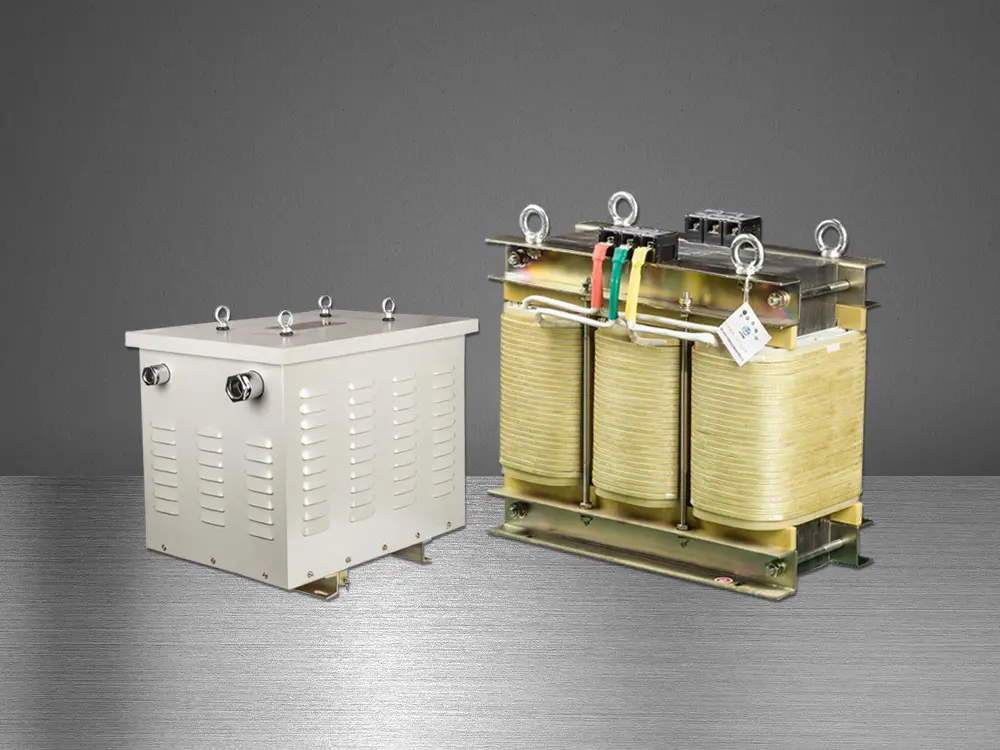 Marine Transformer
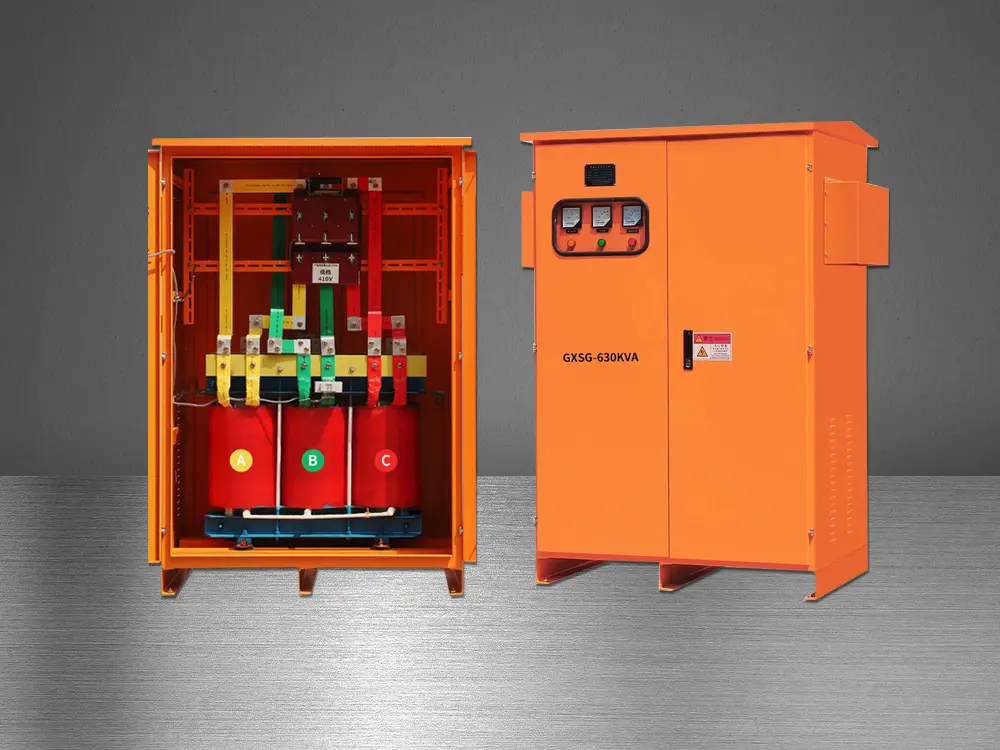 Tunnel Transformer
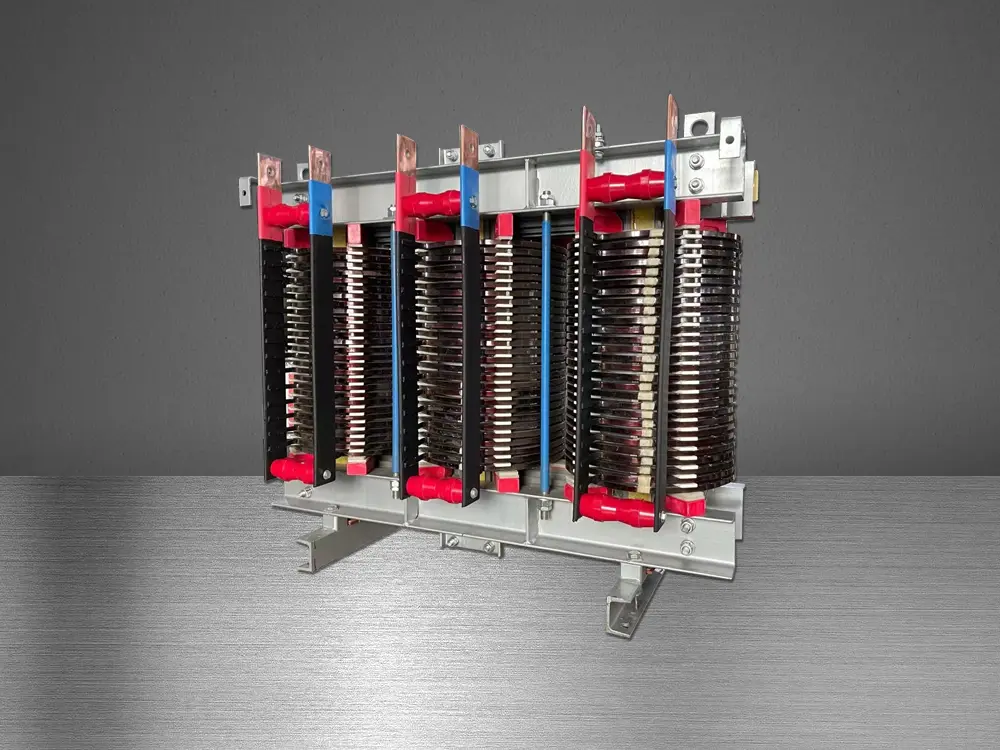 High Current Transformer
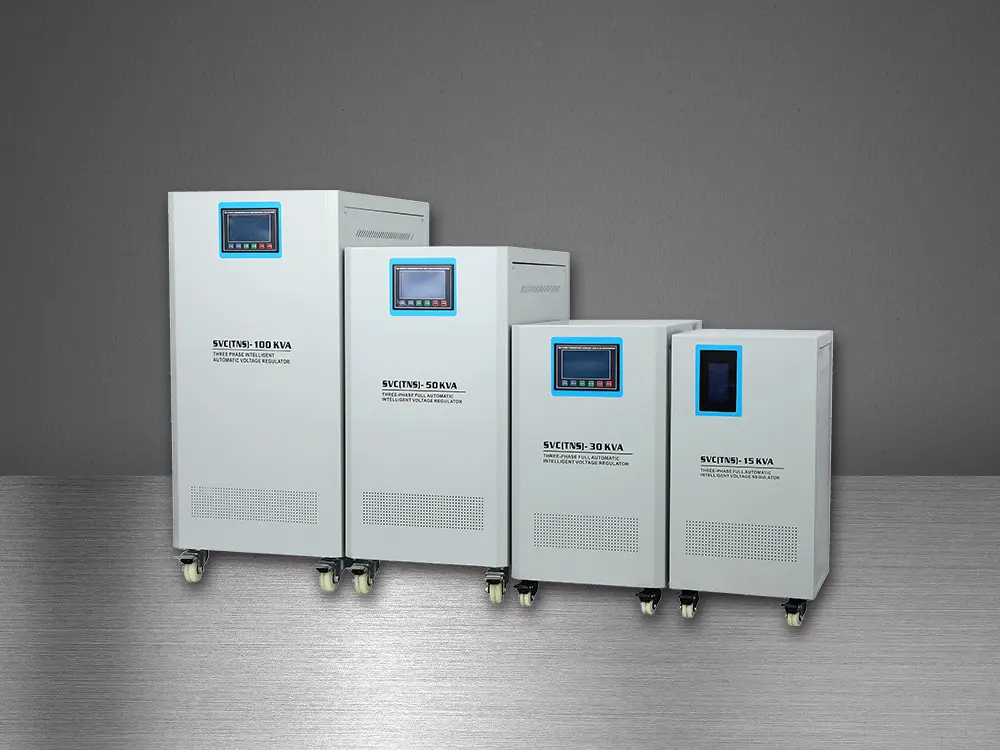 Automatic Voltage Regulator
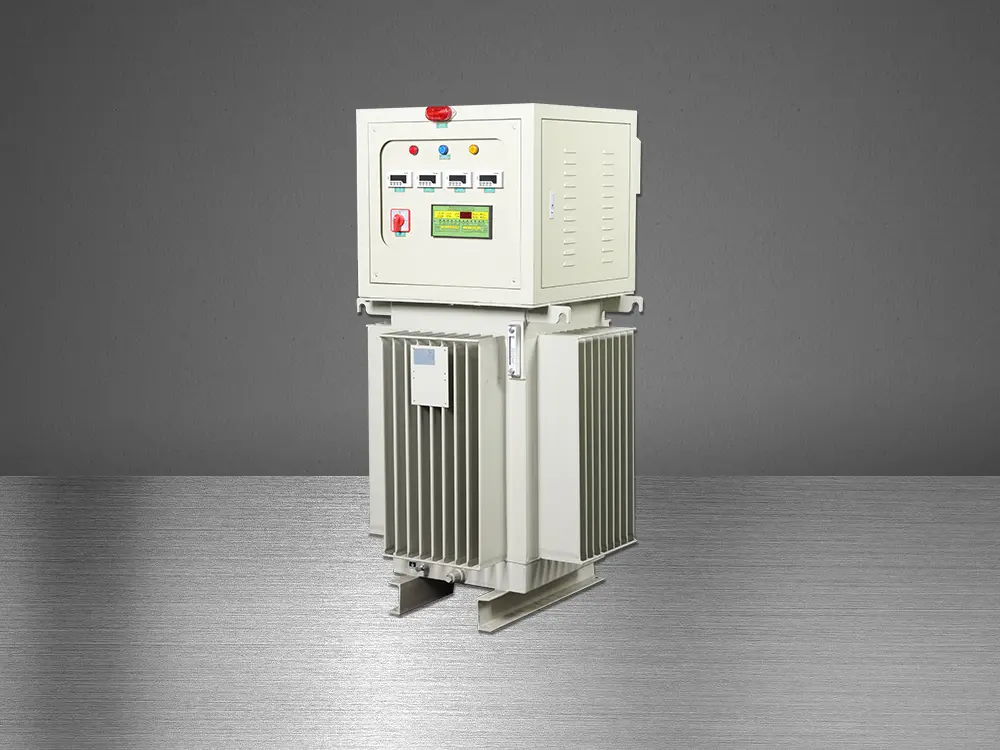 Oil Immersed Voltage Regulator