| 1 |
Double-Conversion Online UPS |
Single-phase or three-phase AC; commonly 120/208 V, 220/230/240 V, or 380/400/415 V systems |
Continuous AC-to-DC-to-AC conversion, battery backup, overload protection, short-circuit protection, bypass operation, and alarm monitoring |
IEC 62040 series; local low-voltage installation and EMC requirements |
Data centers, medical equipment, industrial controls, telecommunications, and critical networking equipment |
Provides stable voltage and frequency with no transfer interruption during normal operation. Buyers should verify battery ventilation, maintenance access, heat dissipation, and bypass coordination. |
| 2 |
Line-Interactive UPS |
Commonly 120 V, 230 V, or 240 V AC; usually low-voltage single-phase |
Automatic voltage regulation, surge suppression, battery backup, overload protection, and controlled transfer to battery |
IEC 62040 series; applicable national electrical and EMC regulations |
Office IT equipment, point-of-sale systems, security systems, small servers, and communication devices |
Improves protection against voltage sags and surges at lower energy cost than online designs. It may not provide the same output isolation or waveform control as a double-conversion UPS. |
| 3 |
Automatic Transfer Switch System |
Low-voltage AC systems, commonly up to 1,000 V AC depending on equipment design |
Automatic source monitoring, interlocking to prevent unsafe paralleling, source failure detection, and controlled transfer between utility and backup sources |
IEC 60947-6-1; relevant national installation codes |
Buildings, hospitals, factories, data centers, and emergency power distribution |
Transfers essential loads to an available source without manual intervention. Correct short-circuit ratings, neutral switching requirements, grounding design, and transfer-time limits must be checked. |
| 4 |
Generator-Backed Emergency Power System |
Commonly 120/208 V, 220/230/240 V, or 380/400/415 V AC; frequency typically 50 or 60 Hz |
Engine overspeed shutdown, low-oil-pressure shutdown, overtemperature protection, circuit breakers, fuel safety controls, grounding, and automatic transfer equipment |
ISO 8528 for generating sets; IEC 60364 and applicable local fire, fuel, and emissions requirements |
Emergency lighting, life-safety systems, industrial facilities, commercial buildings, and remote installations |
Supports extended backup periods when fuel is available. Safe deployment requires exhaust ventilation, fire protection, fuel storage controls, noise management, and scheduled load testing. |
| 5 |
Solar PV System with Battery Energy Storage |
PV strings commonly below 1,500 V DC; battery voltage varies from extra-low voltage to high-voltage architectures; AC output depends on the local grid |
DC isolators, string fuses, overcurrent protection, surge protection, insulation monitoring, battery management system, thermal monitoring, and anti-islanding protection |
IEC 60364-7-712; IEC 62477-1; IEC 62619 for applicable industrial lithium secondary batteries; local grid-connection rules |
Residential backup, commercial buildings, remote power, microgrids, and renewable-energy installations |
Reduces dependence on the grid and can provide backup power with low operating emissions. Buyers should confirm battery chemistry, fire separation, ventilation, outdoor ratings, end-of-life procedures, and certified grid protection. |
| 6 |
DC Power Distribution System |
Common architectures include 12 V, 24 V, 48 V, and higher-voltage DC buses |
DC-rated breakers or fuses, reverse-polarity protection, bus monitoring, insulation monitoring where required, controlled disconnects, and battery protection |
IEC 60364 principles; IEC 62477-1 for power electronic equipment; applicable telecom or industrial DC requirements |
Telecommunications, control systems, transportation equipment, industrial automation, and data-center direct-current loads |
Can reduce conversion stages and improve efficiency for compatible loads. DC arcs are harder to interrupt than AC arcs, so all switches, fuses, connectors, and breakers must be specifically rated for the system voltage and fault current. |
| 7 |
Isolated Power System |
Usually low-voltage AC supplied through an isolating transformer; exact values depend on the installation and jurisdiction |
Isolation transformer, insulation monitoring device, alarm indication, equipotential bonding, and protective devices on secondary circuits |
IEC 60364-7-710 for medical locations; IEC 61558 series for safety and isolating transformers |
Medical operating rooms, patient-care areas, laboratories, and locations where continuity of supply is especially important |
An initial insulation fault can be detected without immediately disconnecting the supply, supporting continuity in critical areas. It requires qualified installation, regular monitoring, and strict grounding and bonding practices. |
| 8 |
Residual-Current-Protected Distribution System |
Low-voltage AC or DC distribution, depending on the residual-current device design |
Residual-current devices, overcurrent protection, automatic disconnection, test functionality, protective earthing, and selective coordination where required |
IEC 60364-4-41; IEC 61008 and IEC 61009 for relevant residual-current devices |
Residential, commercial, construction, agricultural, outdoor, and wet-area electrical installations |
Helps reduce electric-shock and fire risks caused by leakage currents. Device type, rated residual operating current, disconnection time, nuisance-trip resistance, and compatibility with electronic loads must be selected correctly. |
| 9 |
Modular Microgrid Power System |
Low-voltage or medium-voltage AC, often combined with DC links, batteries, renewable generation, and controllable loads |
Islanding control, synchronization, sectionalizing, intelligent circuit protection, energy management, communications security, and black-start or restart procedures where applicable |
IEC 60364; IEC 62477-1; applicable grid-interconnection, protection, and cybersecurity requirements |
Industrial sites, campuses, remote communities, ports, public facilities, and critical infrastructure |
Can operate in grid-connected or islanded mode and maintain priority loads during external outages. Safety depends on coordinated protection settings, clear operating modes, qualified commissioning, and reliable communications. |
| 10 |
Safety Extra-Low-Voltage Control and Power System |
Typically up to 50 V AC or 120 V ripple-free DC under commonly used extra-low-voltage definitions; exact limits depend on conditions and regulations |
Safety isolation, current limitation, reinforced or double insulation, low-voltage connectors, and separation from hazardous-voltage circuits |
IEC 60364-4-41; IEC 61140; applicable product-specific safety standards |
Sensors, building automation, access control, industrial controls, lighting controls, and low-voltage communications equipment |
Reduces shock risk when the power source, wiring, separation, and accessible circuits meet the required extra-low-voltage conditions. It does not automatically eliminate fire, battery, or energy-storage hazards. |

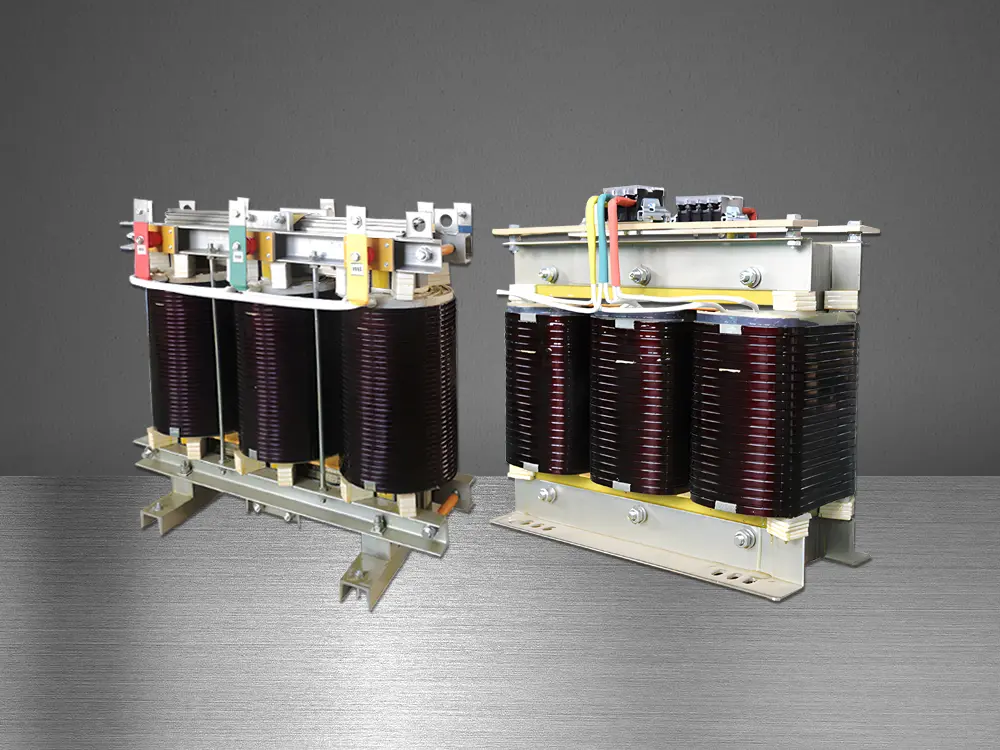 Three-Phase Isolation Transformer
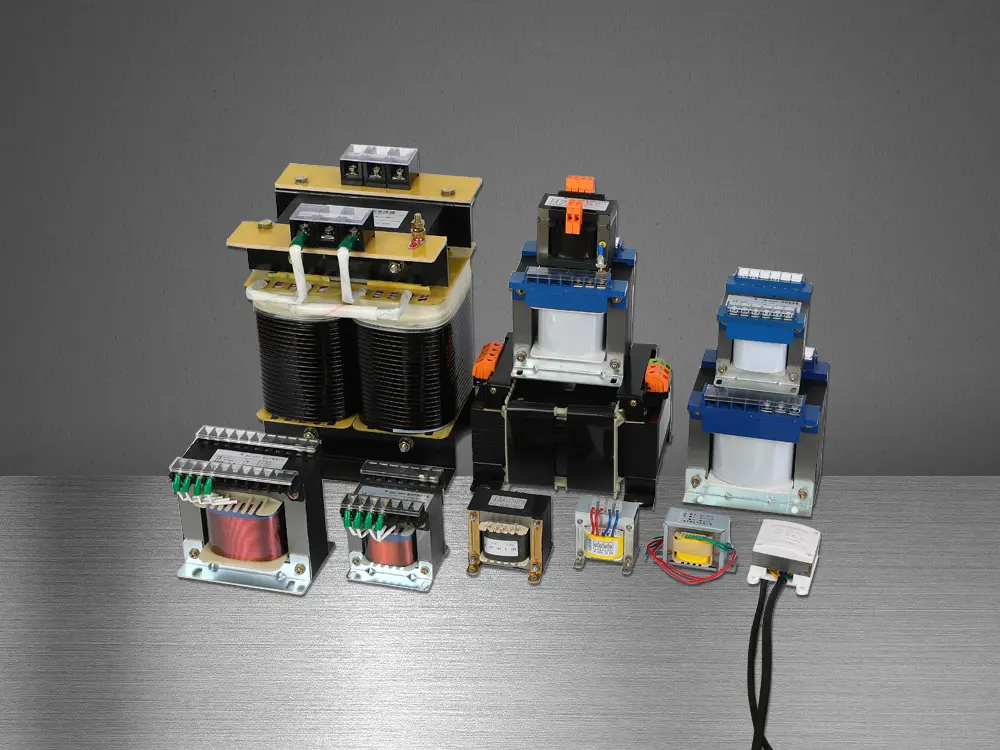 Control Transformer
 Medical IT Isolated Power System
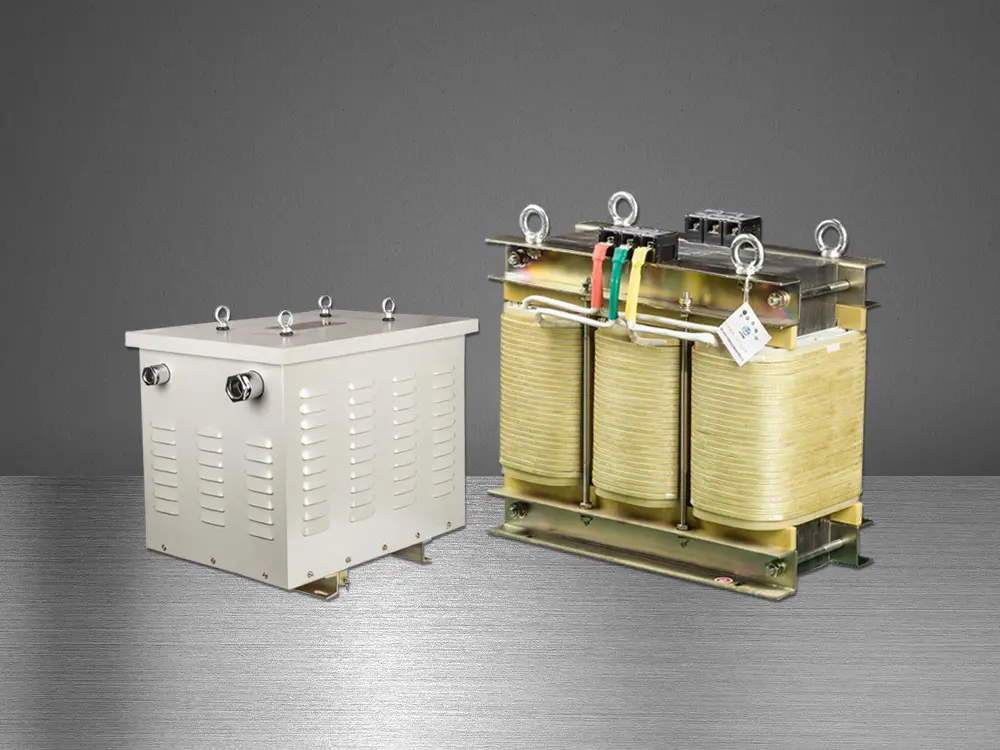 Marine Transformer
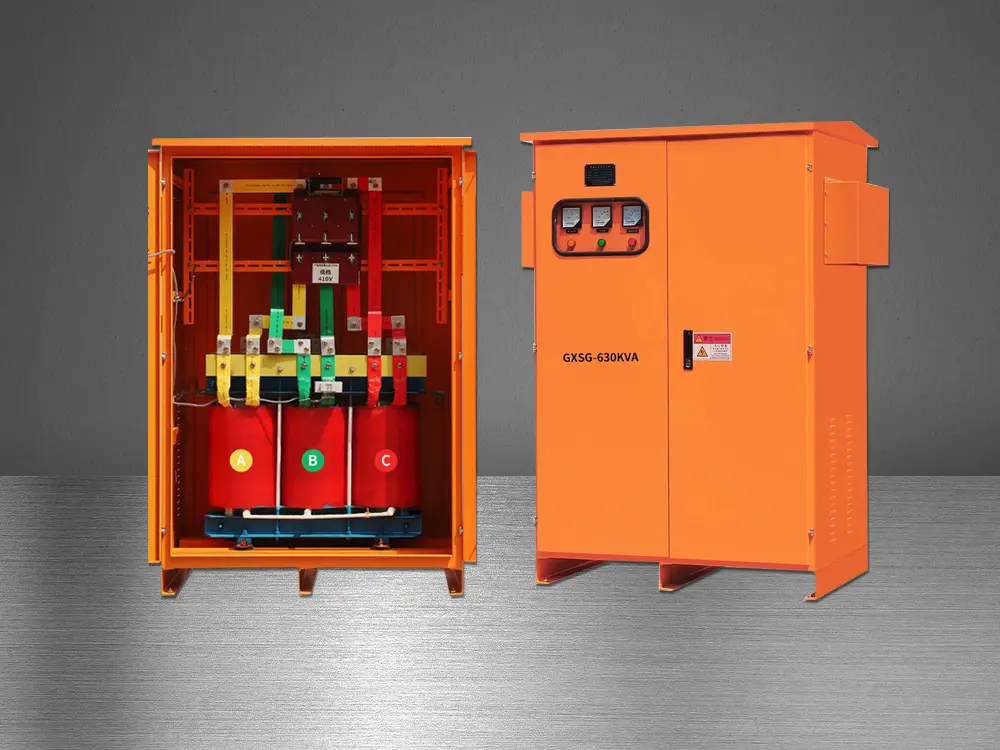 Tunnel Transformer
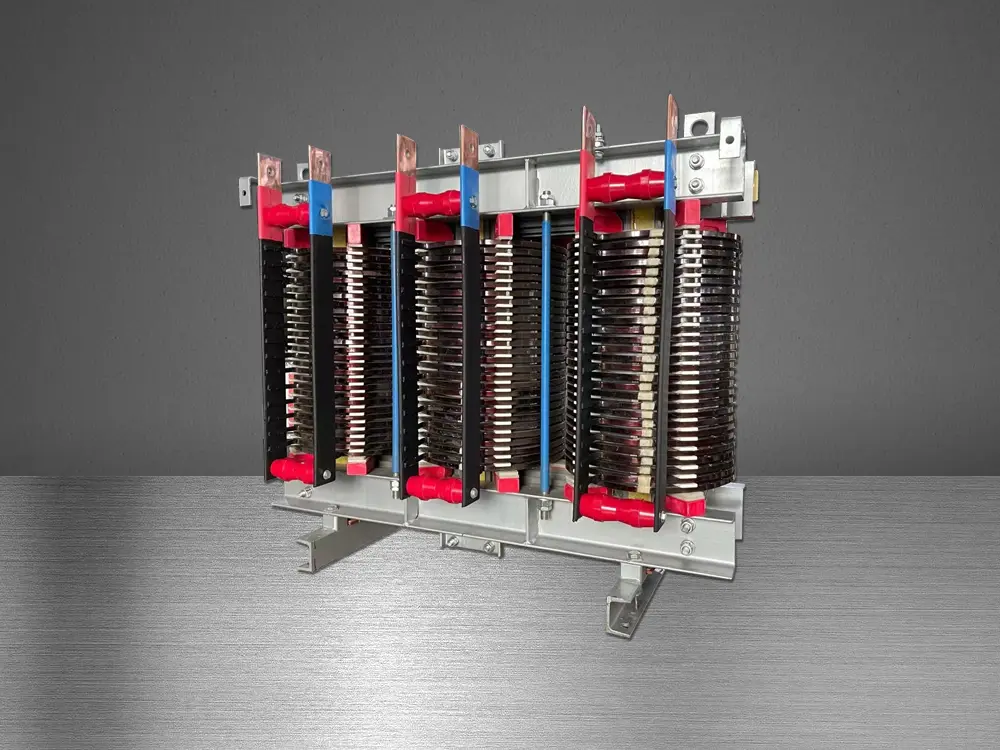 High Current Transformer
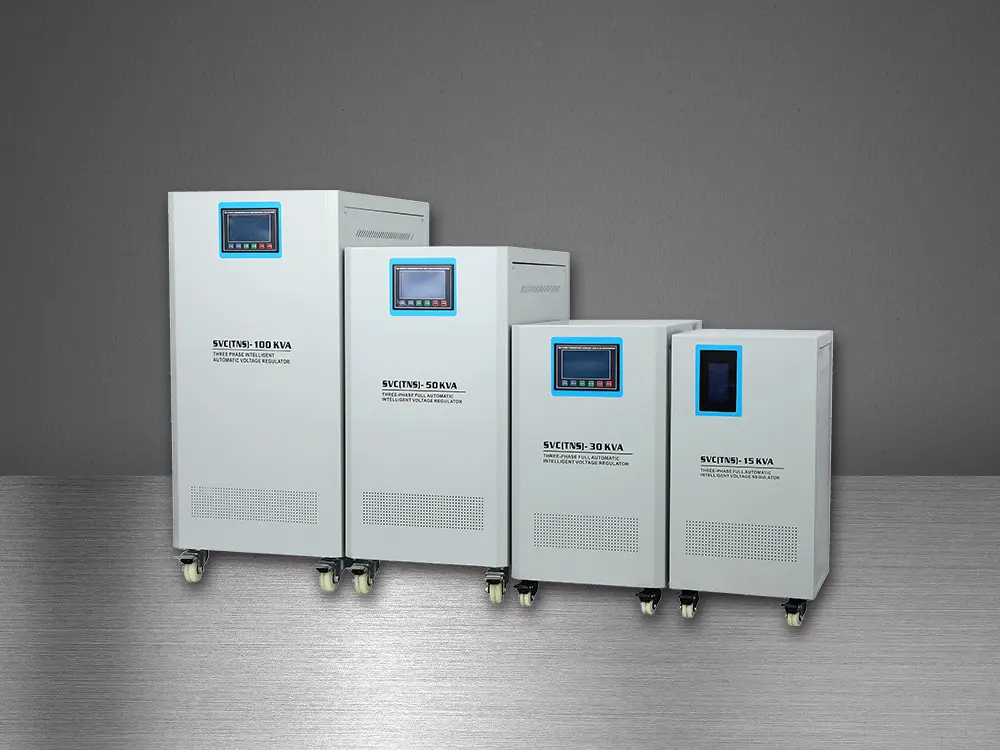 Automatic Voltage Regulator
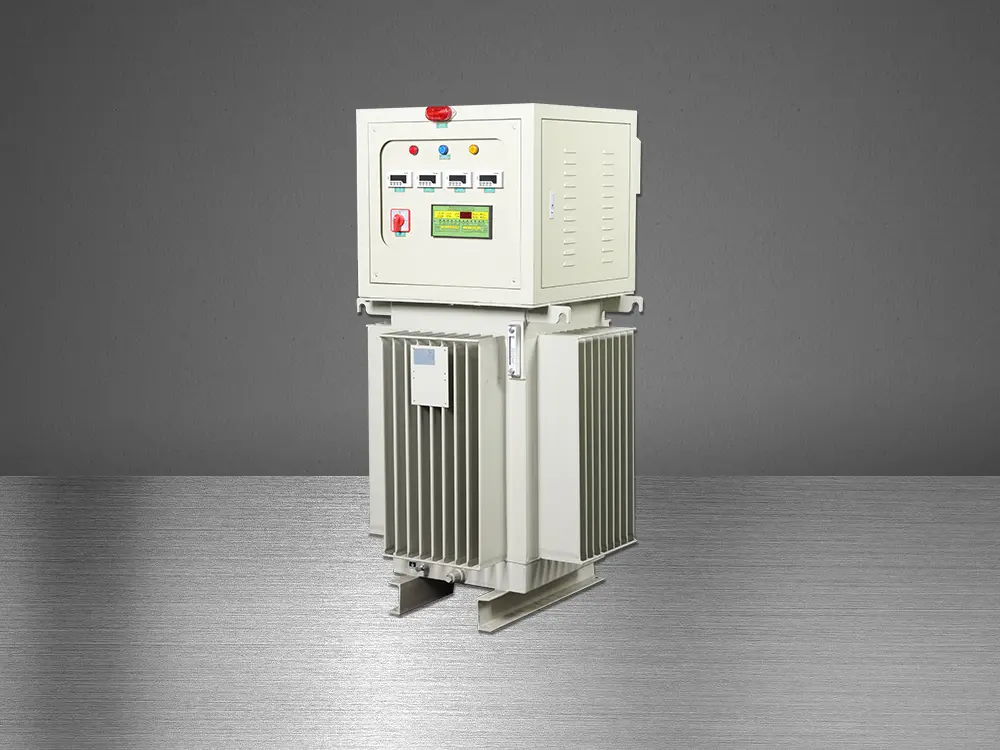 Oil Immersed Voltage Regulator