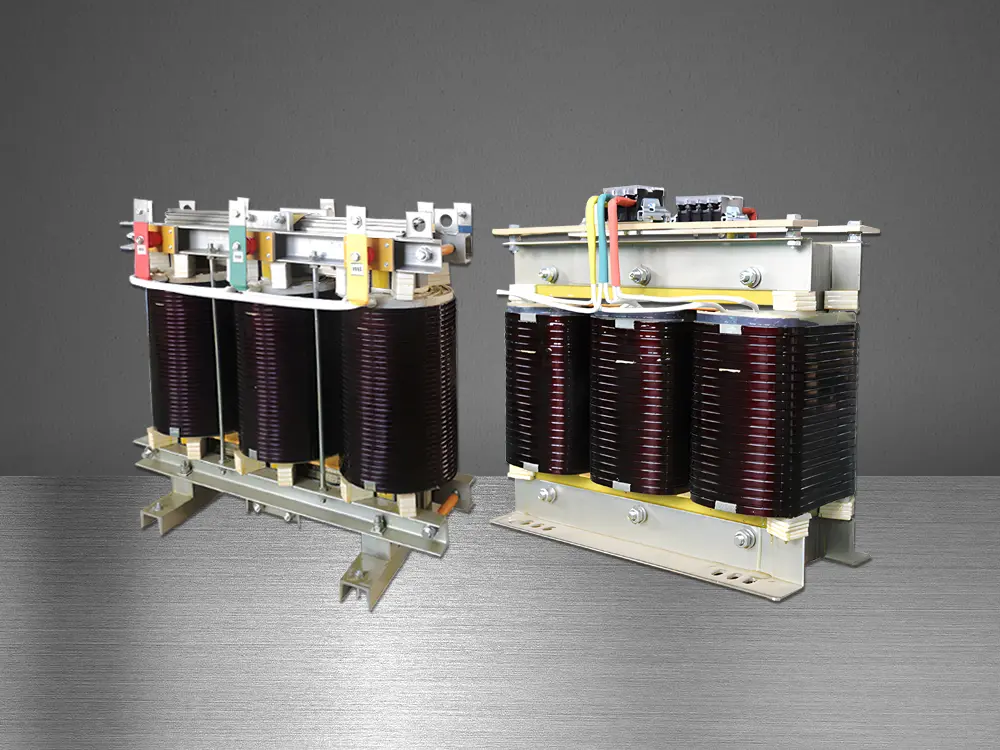
 Three-Phase Isolation Transformer
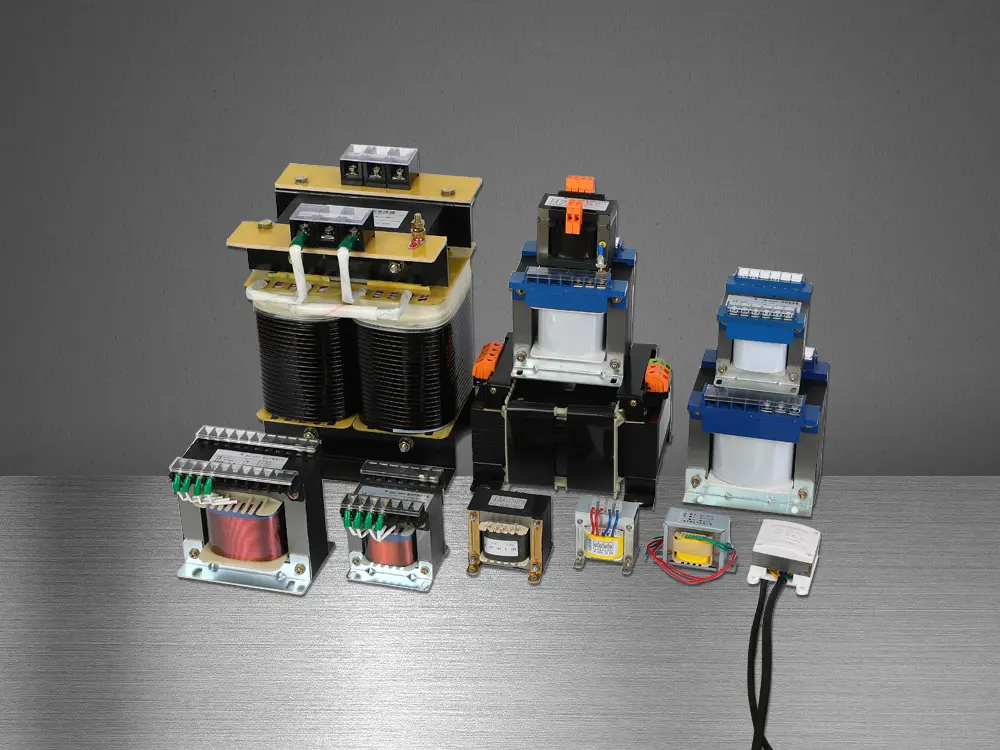 Control Transformer
 Medical IT Isolated Power System
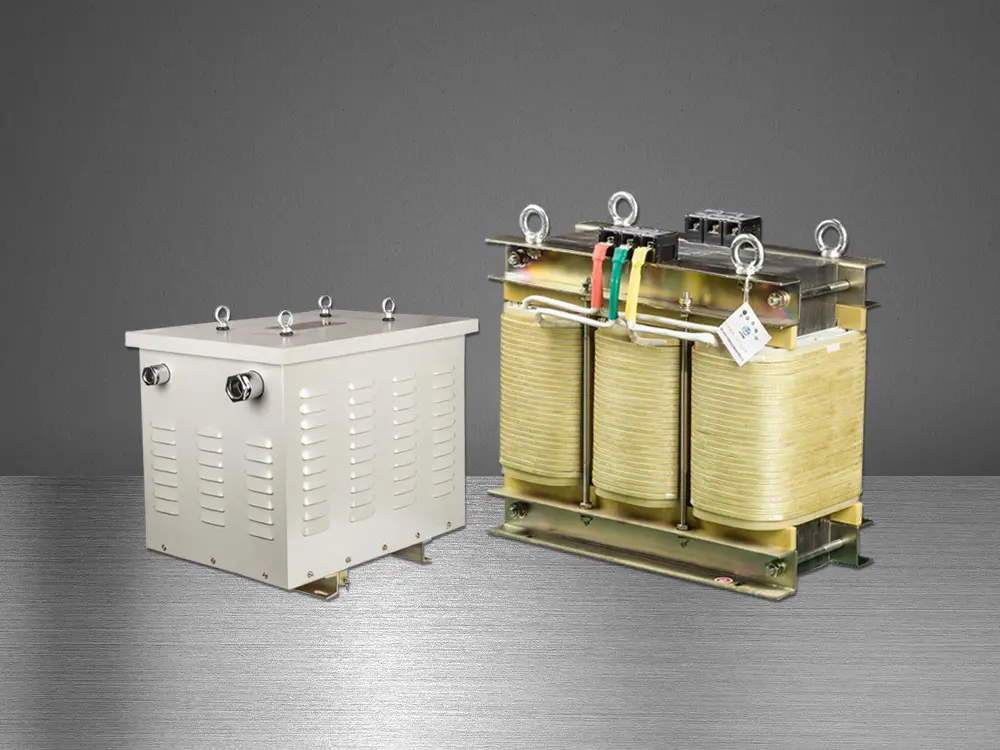 Marine Transformer
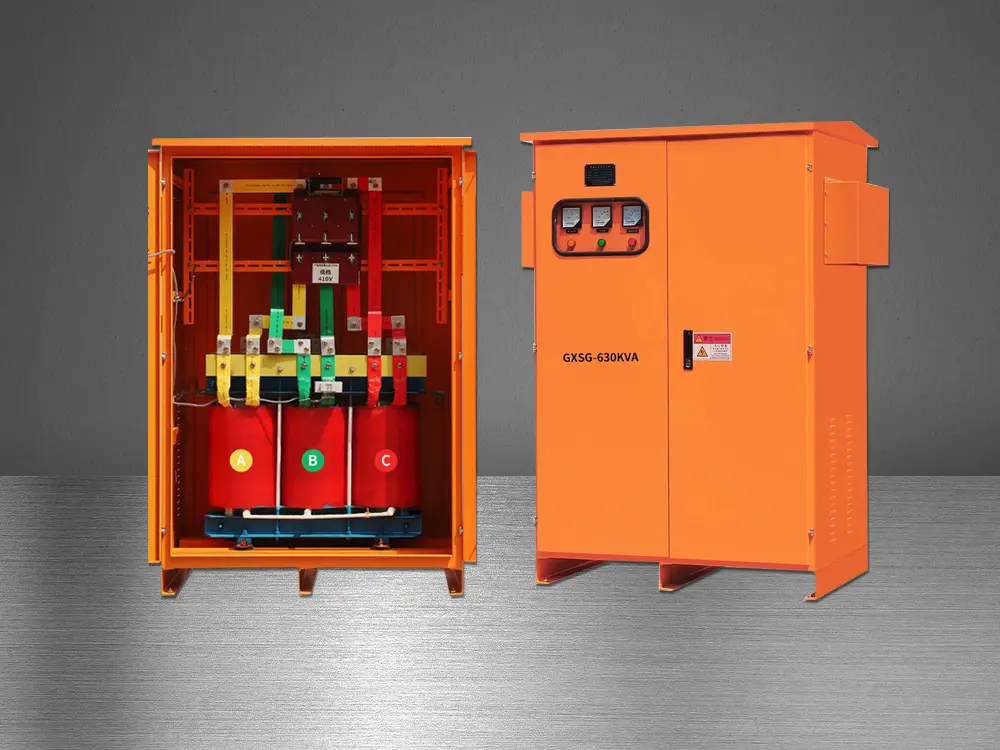 Tunnel Transformer
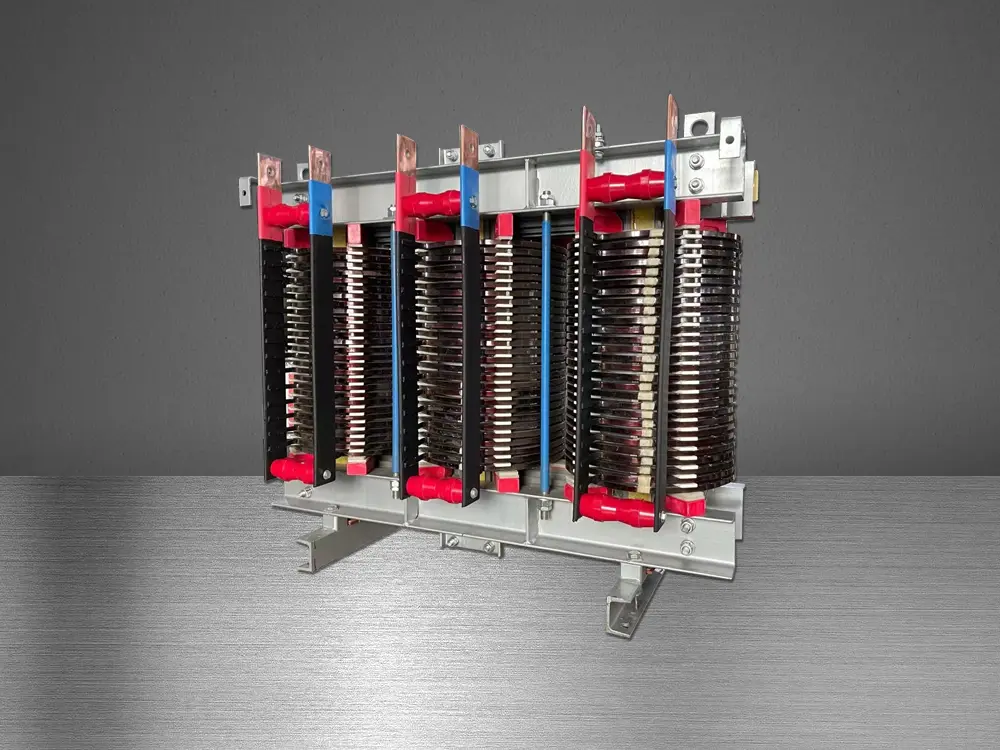 High Current Transformer
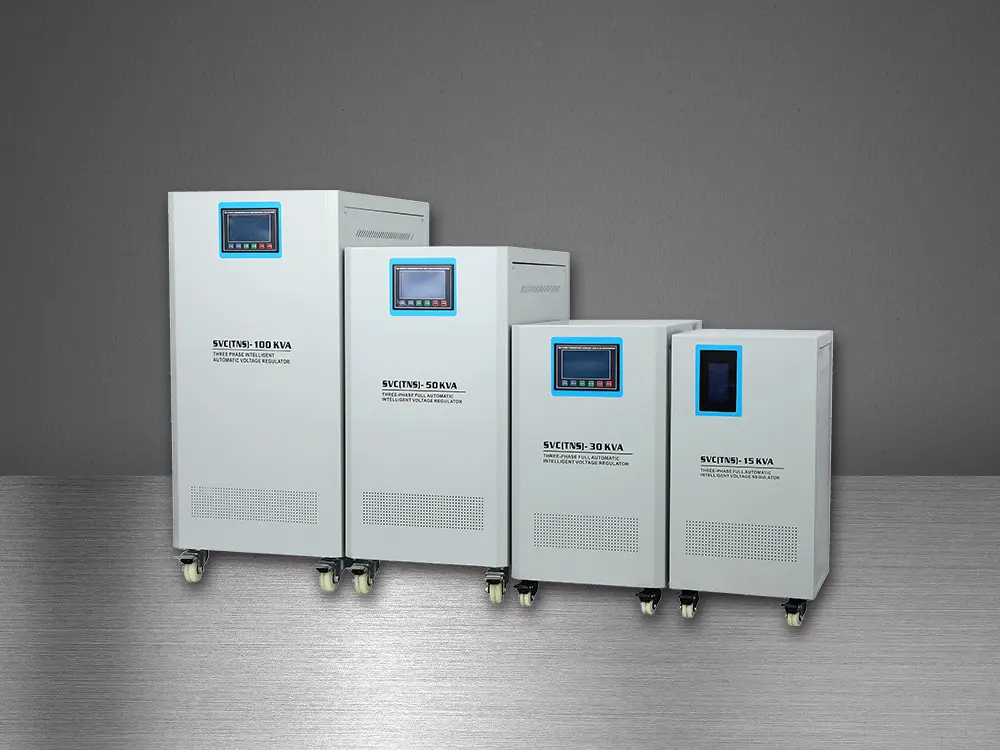 Automatic Voltage Regulator
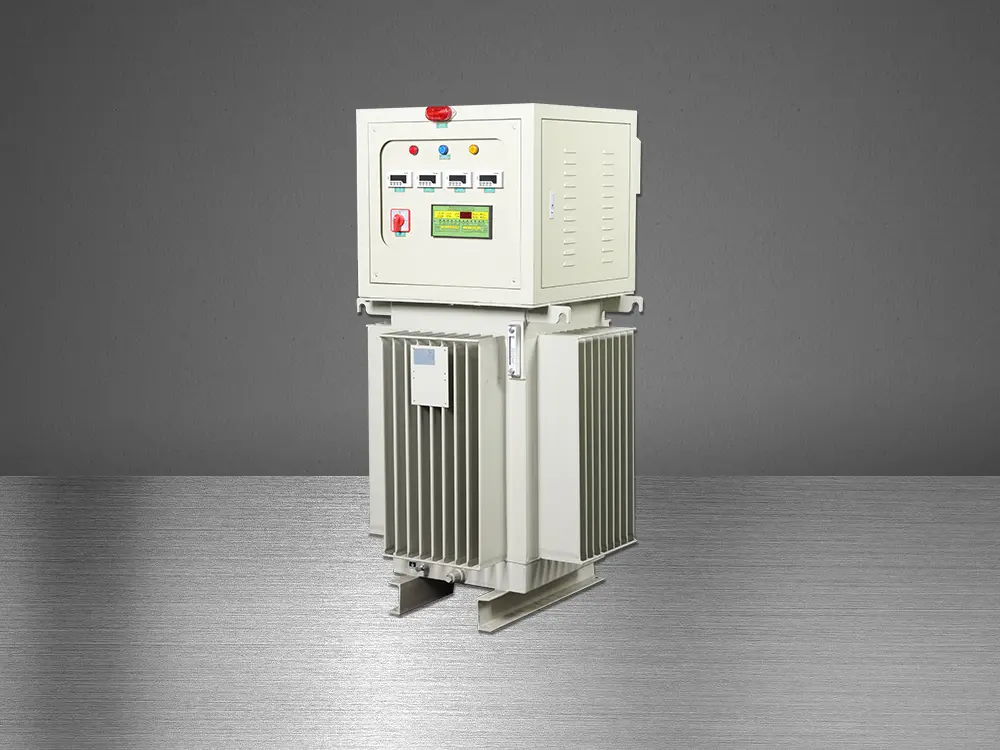 Oil Immersed Voltage Regulator
Leave Your Message
China has become a major manufacturing base for Automatic Voltage Stabiliser equipment used in factories, hospitals, offices, and data centres. However, a supplier’s location does not guarantee dependable performance. Buyers must examine design quality, testing records, service capability, and real installation experience.
Roger C. Dugan, a respected power-quality engineer, describes power quality as “any power problem manifested in voltage, current, or frequency deviations.” This principle explains why a reliable Automatic Voltage Stabiliser matters. A stable output can protect CNC machines, refrigeration systems, elevators, and sensitive control panels from damaging voltage fluctuations. In practical use, engineers may check the input range, correction speed, output accuracy, overload protection, and cooling design. A cabinet operating beside a dusty production line tells more than a polished catalogue photo.
This guide reviews China’s top Automatic Voltage Stabiliser manufacturers through technical evidence and commercial reliability. It considers product categories, factory capabilities, certifications, customization, warranty terms, and after-sales support. Site testing is valuable. So is documentation.
No shortlist is perfect. Some manufacturers communicate well but provide limited field data. Others build robust units but explain specifications poorly. That difference deserves attention. Readers should compare test conditions, not only advertised percentages. They should also confirm whether quoted efficiency applies under real load conditions. The strongest manufacturers combine measurable performance with responsive engineering support. That combination helps buyers reduce downtime, protect equipment, and choose with greater confidence.
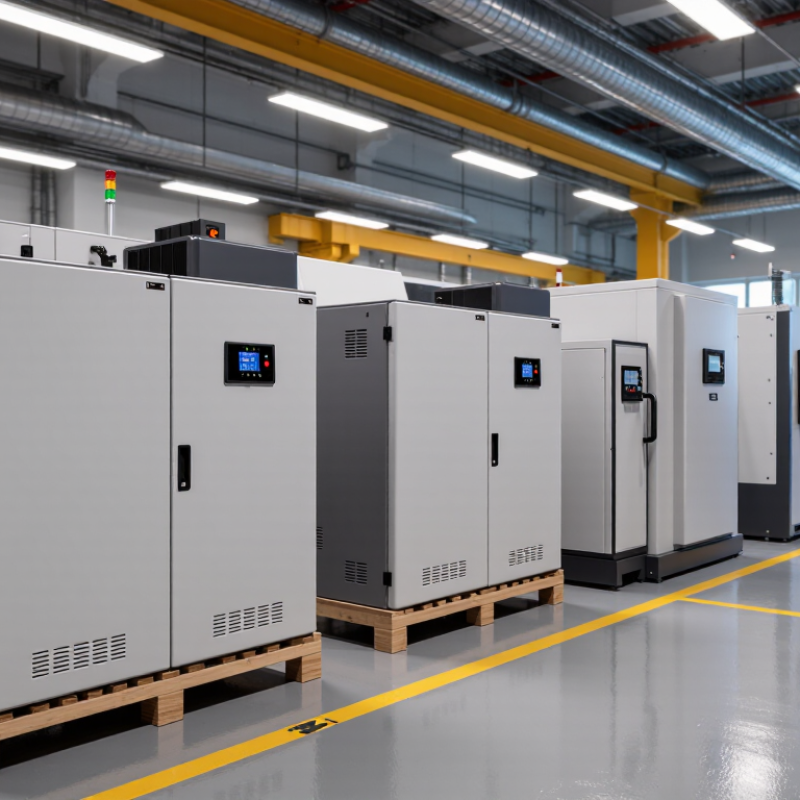
China Top Automatic Voltage Stabiliser Manufacturers
Automatic Voltage Stabiliser Technology: 220/380 V Systems and ±1%–±5% Accuracy
In 220/380 V installations, automatic voltage stabilisers correct supply variation before it reaches motors, control cabinets, and medical equipment. Modern servo and static designs commonly offer ±1%, ±3%, or ±5% regulation. The right figure depends on the load, not marketing language. Measure first.
IEC 60038 identifies standard low-voltage systems around 230/400 V, while many industrial networks still use 220/380 V configurations. This difference matters during specification. A stabiliser must match phase arrangement, frequency, neutral practice, and bypass requirements. A three-phase unit with independent phase control can reduce imbalance, but it may respond differently to large motor starts. That detail is often missed.
The IEA Electricity 2024 report expects global electricity demand to grow about 4% annually through 2026. More converters, automation, and sensitive electronics will increase power-quality pressure. IEEE 1159-2019 provides a framework for describing sags, swells, interruptions, and transients; voltage regulation alone cannot remove every disturbance. In field checks, logging input voltage for several days is more useful than trusting one meter reading. ±1% sounds impressive. It can be unnecessary. Tight control may increase cost, heat, and maintenance if the incoming supply is already stable. Manufacturers should publish correction speed, overload capacity, efficiency, noise, and test conditions. Otherwise, comparison becomes incomplete, and procurement decisions remain partly guesswork.
| Technical Dimension | 220 V Single-Phase System | 380 V Three-Phase System | Typical Engineering Notes |
|---|---|---|---|
| Nominal output voltage | 220 V AC | 380 V AC line-to-line; approximately 220 V line-to-neutral | Actual rated voltage should match the local distribution standard and equipment nameplate. |
| Nominal frequency | 50 Hz | 50 Hz | Voltage stabilisers generally regulate voltage but do not replace a frequency converter. |
| Common input-voltage range | Approximately 140–260 V AC, depending on configuration | Approximately 304–456 V AC, depending on configuration | Input range is model-specific; wider ranges can reduce available output power at extreme voltages. |
| Selectable output accuracy | ±1%, ±2%, ±3%, ±4% or ±5% | ±1%, ±2%, ±3%, ±4% or ±5% | Tighter accuracy normally requires suitable sensing, control and switching design. |
| Voltage regulation method | Servo motor with variable autotransformer, or electronic/static regulation | Motor-driven three-phase regulation, independent phase control, or static electronic regulation | The selected topology affects correction speed, maintenance requirements and phase-balance performance. |
| Typical correction speed | Approximately 10–100 V/s for servo-based designs | Approximately 10–100 V/s for servo-based designs | Static stabilisers can respond faster; the specified value must be confirmed for the selected design. |
| Typical capacity range | Approximately 1–100 kVA for common installations | Approximately 10–1,000 kVA for industrial installations | Capacity selection should include motor starting current, inrush current and future load growth. |
| Phase configuration | 1-phase, 2-wire plus protective earth | 3-phase, 3-wire or 3-phase, 4-wire plus protective earth | A neutral conductor may be required for mixed single-phase and three-phase loads. |
| Recommended protection functions | Overvoltage, undervoltage, overload, short circuit and over-temperature protection | Overvoltage, undervoltage, overload, short circuit, over-temperature and phase-loss protection | Surge protection and bypass functions may be added where the installation requires them. |
| Common application areas | Office equipment, laboratory instruments, household appliances and small control systems | Machine tools, HVAC systems, pumps, production lines and commercial facilities | The stabiliser should be sized for the actual load profile, not only the average operating power. |
| Efficiency consideration | Commonly above 95% for properly loaded servo-based units | Commonly above 95% for properly loaded servo-based units | Efficiency varies with load level, topology, input voltage and transformer design. |
| Installation requirement | Ventilated, dry location with correctly rated input and output protection | Ventilated location with phase identification, earthing and suitable upstream protection | Installation should be completed by qualified electrical personnel in accordance with local regulations. |
Note: Values shown are typical engineering reference ranges rather than universal product specifications. Final input range, capacity, regulation accuracy, correction speed and protection functions should be verified against the selected technical datasheet and site conditions.