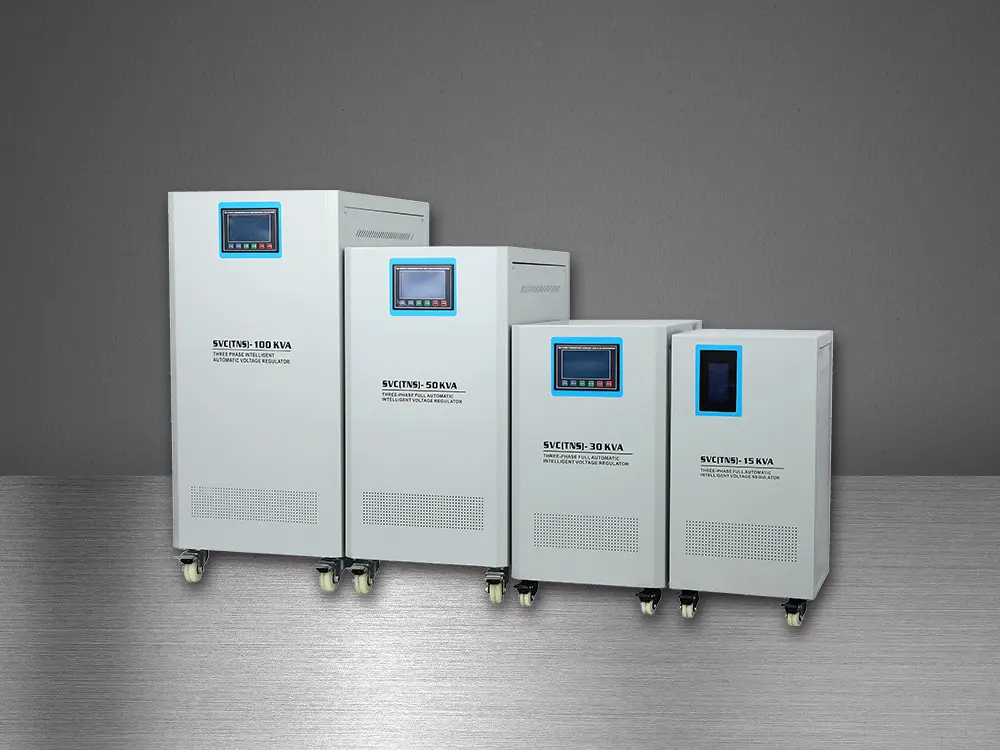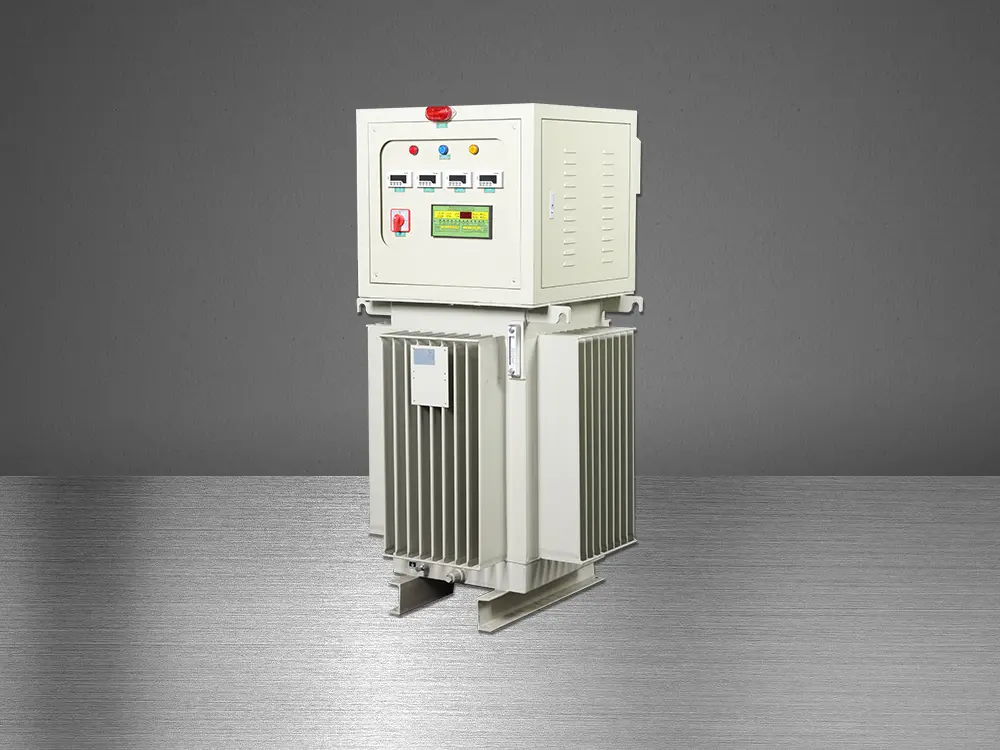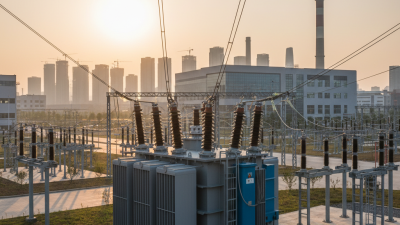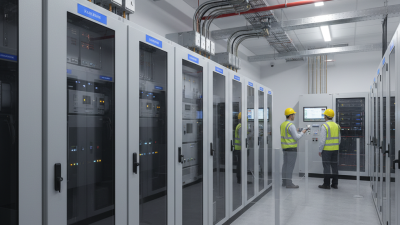
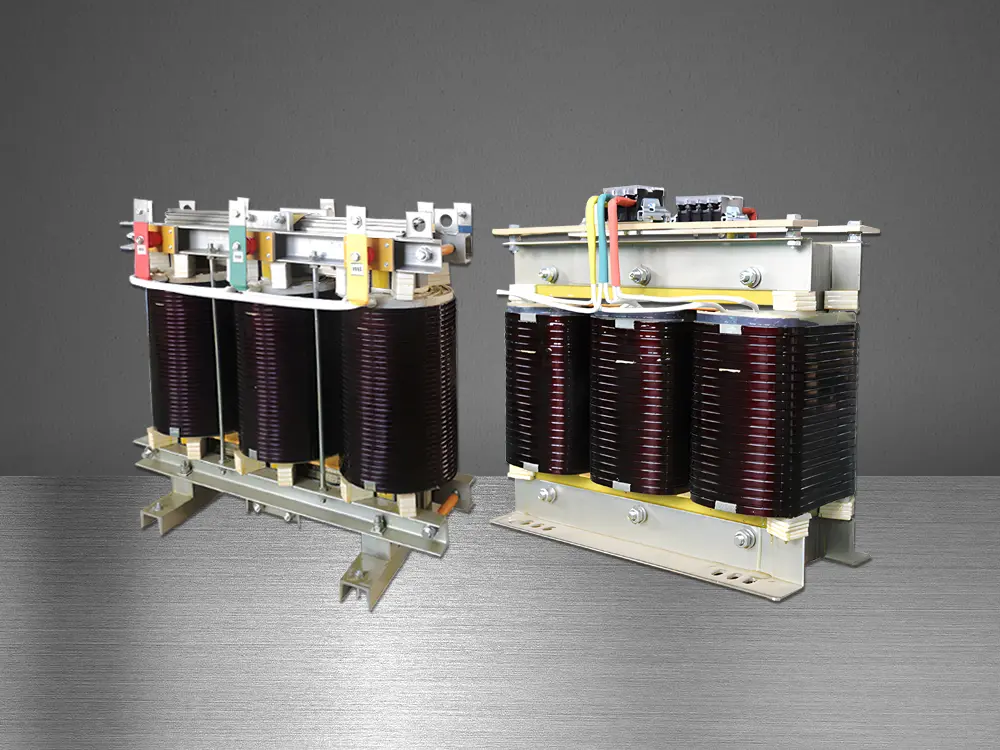
Choosing the 2026 best Avr Automatic Generator requires more than comparing advertised wattage or purchase prices. Global buyers face different climates, fuel standards, voltage systems, service networks, and installation conditions. A generator that performs reliably in a dry warehouse may struggle beside a humid coastal site. Small details matter, including sensing accuracy, voltage response, enclosure quality, battery charging, and controller compatibility.
Electrical engineer and power-quality specialist Dr. Alexander Kusko has emphasized a practical principle: “Generator performance is only as dependable as the system surrounding it.” This view remains valuable for evaluating every Avr Automatic Generator. Automatic voltage regulation should respond smoothly when motors start, welding loads change, or utility power returns unexpectedly. Stable output protects sensitive equipment and reduces disruptive shutdowns.
Yet no single model is best for every buyer. That sounds obvious, but many purchasing guides overlook it. A 100 kVA unit may suit a commercial building, while a remote workshop may need simpler controls and easier maintenance. Noise levels, spare-part access, fuel consumption, and local technician training can become more important than peak capacity. Buyers should also verify test records, warranty conditions, generator frequency, and regional certification requirements.
This guide examines leading 2026 options through practical performance, control reliability, operating cost, and after-sales support. Some rankings may change after field testing. That is the honest limitation. Product claims deserve careful checking. A dependable choice begins with measured site requirements, not attractive marketing language.
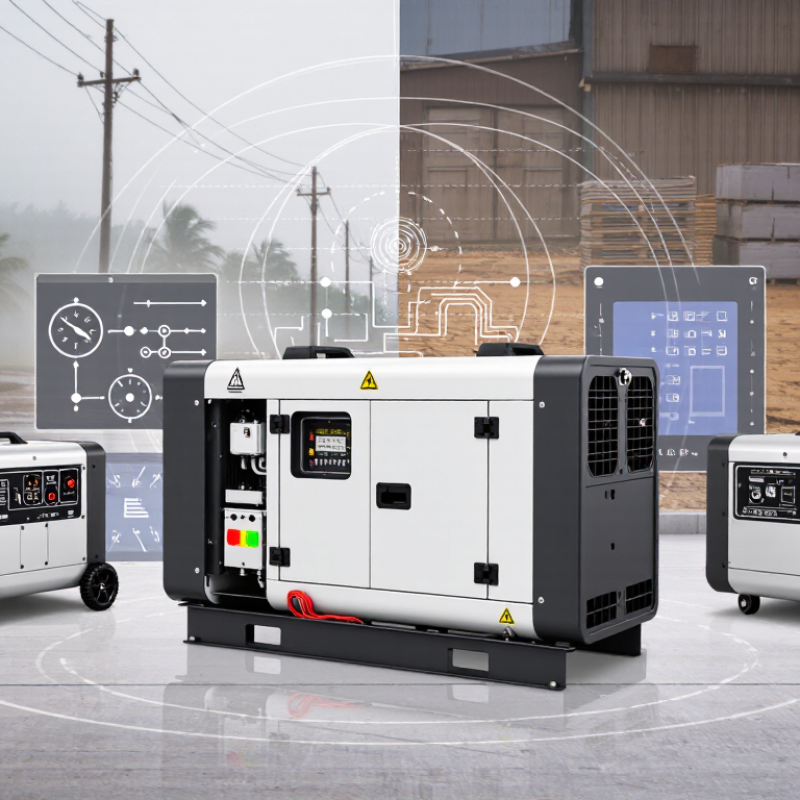
Choosing the 2026 best AVR automatic generator for global buyers starts with frequency and voltage, not advertising claims. An Automatic Voltage Regulator, or AVR, adjusts excitation to keep generator voltage stable as loads change. In field testing, a motor starting suddenly can cause a brief voltage dip. Sensitive equipment may notice it.
Frequency depends mainly on engine speed and alternator design. A 50 Hz generator commonly runs at 1,500 or 3,000 rpm, while a 60 Hz unit often runs at 1,800 or 3,600 rpm. The exact speed depends on the number of poles. Frequency errors can affect motors, timers, pumps, and transformers. Some equipment accepts both frequencies, but never assume it does.
Voltage selection requires equal care. Global installations may need 120, 208, 220, 230, 380, 400, 415, or 480 V outputs. Phase configuration matters. So does connection method. An AVR cannot correct incorrect wiring or an overloaded alternator. During commissioning, measure voltage phase-to-phase and phase-to-neutral under realistic load. Record readings at startup and after warm-up. Small details matter.
A useful check remains. Is the load balanced? Uneven phases can create heat and unstable readings. Automatic starting adds another concern: control systems must match the site’s transfer equipment and protection settings. I have seen specifications look complete, yet omit neutral requirements. That omission can delay installation. Good engineering leaves room for doubt, testing, and correction.
AVR Generator Fundamentals: 50/60 Hz Frequency and 120–480 V Output
Common nominal generator output voltages vary by regional electrical system. 60 Hz applications commonly include 120 V, 208 V, 240 V, 277 V, and 480 V, while 50 Hz applications commonly include 220 V, 230 V, 380 V, 400 V, and 415 V. An AVR stabilizes voltage; the generator governor or inverter system controls frequency. Actual selection should match the local grid standard, phase configuration, and load requirements.
In 2026, global buyers should judge AVR generators by measured voltage behavior, not marketing claims.
The IEA’s Electricity 2024 report estimates data centers consumed about 460 TWh in 2022, with demand potentially exceeding 1,000 TWh by 2026. Sensitive loads will expose weak regulation quickly.
An AVR should maintain approximately ±1% steady-state voltage under defined load conditions. This is a demanding buyer benchmark, not a universal ISO requirement. ISO 8528-5:2018 evaluates generator performance through load steps, voltage recovery, frequency behavior, and response classes from G1 to G4. Request the complete test record. It should show load percentage, power factor, ambient temperature, recovery time, and waveform readings.
The Uptime Institute Global Data Center Survey 2024 reported that 54% of respondents experienced an outage during the previous three years. Stable voltage therefore affects more than convenience; it protects controls, transfer equipment, and continuity planning.
Do not accept “±1%” without test boundaries. That shortcut is risky. An undersized alternator may hold voltage at 50% load but sag sharply near rated output. Field reality matters. Ask for ISO 8528-5 test results at several load steps, plus independent commissioning measurements. I would also check performance during unbalanced loads, because many international installations face uneven phase demand. That detail is easy to miss.
For global buyers, choosing an AVR automatic generator starts with a measured load study, not a catalog number. Record lighting, pumps, refrigeration, servers, and motors during normal operation. Then identify which loads must start together. Generator size is commonly stated in kW or kVA. kW describes usable real power, while kVA includes current and voltage demand. Power factor connects them: kW equals kVA multiplied by PF. A 100 kVA generator at 0.8 power factor supplies about 80 kW. That figure is practical, but not universal. An AVR helps stabilize voltage, but it cannot fix undersizing.
Starting loads matter. An induction motor may draw three to seven times its running current during startup. A well pump can briefly pull far more than its nameplate suggests. If several motors start together, voltage may dip and controls can trip. I usually separate essential circuits and apply sequential starting through an automatic transfer system. Soft starters or variable-frequency drives can reduce inrush, but they require compatible settings. Do not size from average watts alone.
For a 60 kW continuous load at 0.8 power factor, the apparent load is 75 kVA. Add starting demand, altitude, ambient temperature, and future expansion before selecting capacity. At high elevations, thinner air reduces engine cooling and available output. A 15 to 25 percent reserve is often sensible, yet site data should decide. I have seen oversized units run lightly loaded for long periods, creating maintenance concerns and poor fuel efficiency. That mistake is easy to make. A load-bank test and local electrical review provide stronger evidence than a quick online estimate.
Global buyers need more than a stable AVR when selecting a 2026 automatic generator. The IEA Electricity 2024 report projects global electricity demand to rise by about 3.4% annually through 2026. That growth increases the need for dependable standby systems, especially at hospitals, data centers, and remote facilities.
IEC 60034-1 supports requirements for rotating electrical machines, including generator performance and insulation considerations. ISO 8528 helps define generator-set ratings, operating conditions, and acceptance tests. Buyers should request test records, not only a compliance statement. AVR response should remain stable during sudden loads, such as elevators or medical compressors. Small voltage overshoot can damage sensitive equipment.
CE marking requires conformity with applicable European directives, while UL certification is often expected for North American installations. These are not interchangeable approvals. A CE file may need technical documentation, risk assessment, and an EU declaration of conformity. Emissions rules also depend on location, fuel, engine power, and use. EU Stage V and United States EPA requirements can demand different engine configurations and documentation. The IEA’s Global Methane Tracker 2024 also reinforces the importance of controlling fuel-related emissions and leakage across energy systems.
Installation details matter. Cable sizing, grounding, enclosure noise, altitude, and ambient temperature can alter real performance. I have seen specifications look complete until cold-start testing exposed weak battery capacity. That was not an AVR failure. It was a planning failure. Procurement teams should verify local authority requirements before shipment, because a technically excellent generator may still fail site approval.
2026 Best AVR Automatic Generator for Global Buyers?
For global buyers, AVR type should match the load, climate, and local power quality. Digital AVR systems usually provide tighter voltage control than basic analog designs. They can protect sensitive equipment from sudden voltage changes. However, control quality depends on sensing accuracy, response speed, and proper installation. Ask for voltage regulation data under both light and heavy loads. A printed specification alone is not enough.
Fuel use needs practical testing, not only catalog figures. Compare liters per hour at 25%, 50%, and 75% load. A generator running far below its rated capacity may waste fuel through inefficient operation. Diesel models often suit long duty cycles, while gasoline models can simplify smaller standby applications. Fuel storage rules and seasonal temperatures also affect real performance. I would check cold-start behavior before making a final decision.
Warranty terms should clearly cover the engine, AVR module, controller, and labor. Some warranties exclude damage caused by unstable utility power or poor maintenance. That detail matters. Examine service locations, technician training, spare-part availability, and average response time. A remote buyer should request written support procedures and emergency contact options. Local compliance remains essential, even when the equipment meets international testing standards. I would also leave room for doubt: advertised service coverage may not mean immediate help in every region.
| Generator / AVR Configuration | Typical Output Range | Voltage Regulation | Load Response | Typical Fuel Use at 75% Load | Power-Factor and Nonlinear-Load Performance | Typical Warranty Pattern | Global Service-Network Considerations | Best-Fit Applications |
|---|---|---|---|---|---|---|---|---|
| Brushless alternator with conventional analogue AVR | 10–2,500 kVA | Usually within approximately ±1% to ±2%, depending on alternator and control system | Good for normal motor and lighting loads; voltage dip can be higher during large motor starting | Diesel: approximately 0.24–0.30 L/kWh Gasoline: approximately 0.32–0.42 L/kWh |
Suitable for general loads; performance may be less stable with large variable-frequency drives, UPS systems, or heavy harmonic distortion | Commonly 12–24 months or a defined operating-hour limit; exclusions and regional terms vary | Usually easiest to support Uses widely available AVR modules and standard alternator components; local repair capability is often good |
Construction sites, farms, workshops, retail facilities, and general standby power |
| Brushless alternator with digital AVR | 10–3,000 kVA | Typically within approximately ±0.5% to ±1%, subject to the complete generator system | Very good; digital sensing and configurable control improve recovery after load changes | Diesel: approximately 0.24–0.30 L/kWh Fuel use is mainly determined by engine efficiency and loading, not the AVR alone |
Good compatibility with sensitive electronic equipment when correctly configured; harmonic performance still depends on alternator design and load type | Commonly 12–24 months or a defined operating-hour limit; electronic controls may require approved replacement procedures | Good in developed markets Check availability of compatible control software, diagnostic tools, and trained technicians before purchase |
Commercial buildings, data rooms, hospitals, telecommunications, and automatic standby systems |
| Permanent-magnet-excited alternator with AVR | 100–3,000+ kVA | Typically within approximately ±0.5% to ±1% | Excellent Independent excitation improves voltage build-up and short-term response under sudden load changes |
Diesel: approximately 0.24–0.30 L/kWh The PMG normally improves excitation reliability rather than directly reducing fuel consumption |
Strong choice for UPS systems, large motors, rectifiers, and other demanding loads; system engineering remains essential | Commonly 12–24 months or a defined operating-hour limit; additional excitation components may have separate service requirements | Good but more specialized Confirm regional access to PMG parts, alternator testing, and qualified service personnel |
Data centers, industrial plants, hospitals, large pumping stations, and critical infrastructure |
| Static excitation system with digital control | 500–10,000+ kVA | Often within approximately ±0.5% when properly engineered | Very high Fast control is suitable for large, rapidly changing industrial loads |
Diesel: approximately 0.24–0.30 L/kWh for engine-driven systems Fuel consumption depends primarily on engine loading and operating mode |
Excellent control potential, but harmonic filtering, protection coordination, and commissioning are important | Often project-specific; may include commissioning support and scheduled service rather than a simple retail warranty | Project-service dependent Requires experienced high-power technicians, specialized test equipment, and planned spare-parts logistics |
Utilities, heavy industry, large infrastructure projects, and synchronized generator plants |
| Inverter generator with electronic voltage regulation | 0.8–20 kVA | Usually within approximately ±1% to ±3%, depending on inverter design and operating mode | Excellent for small loads Stable output and variable engine speed can improve part-load efficiency |
Gasoline: approximately 0.25–0.40 L/kWh at moderate-to-high load Actual consumption rises substantially at very light loads for some models |
Generally excellent for sensitive electronics; verify waveform quality, overload rating, and transfer-switch compatibility | Commonly 12–24 months; commercial-use coverage may be shorter or subject to different conditions | Regionally variable Electronic power modules may be less repairable locally and could require complete module replacement |
Home backup, mobile work, outdoor events, small offices, and portable applications |