China Top 10 Deep Sea Voltage Regulator Suppliers?
China’s deep-sea equipment sector is gaining attention as shipping operators demand safer, steadier onboard power. UNCTAD’s Review of Maritime Transport 2024 reports that more than 80% of global merchandise trade moves by sea. That dependence makes electrical reliability important, especially inside engine rooms, battery systems, navigation cabinets, and offshore control units. A Deep Sea Voltage Regulator must tolerate vibration, salt mist, humidity, voltage fluctuation, and limited maintenance access. Small weaknesses can become expensive failures.
The IMO Fourth Greenhouse Gas Study 2020 estimated that international shipping produced about 2.89% of global anthropogenic carbon dioxide emissions in 2018. Meanwhile, DNV’s Maritime Forecast to 2050 highlights stronger pressure for efficient, digital, and lower-emission vessel systems. These trends support a closer review of Chinese suppliers offering marine voltage regulators, automatic voltage stabilizers, and customized power-conditioning equipment. This article’s “China Top 10” selection should not be read as an official ranking. Supplier capability varies by model, certification, and project experience. The category is not perfectly standardized.
A practical evaluation should examine IEC test evidence, marine approvals, ingress protection, thermal performance, response time, overload behavior, and after-sales support. Certificates alone are not enough. Requesting load-test records, wiring diagrams, factory inspection evidence, and references from comparable vessels can reveal important differences. Buyers should also confirm whether the quoted product is genuinely marine-rated or simply adapted from an industrial unit. That distinction is easy to miss. The following supplier overview aims to provide a useful starting point, while recognizing that independent verification remains necessary before procurement.
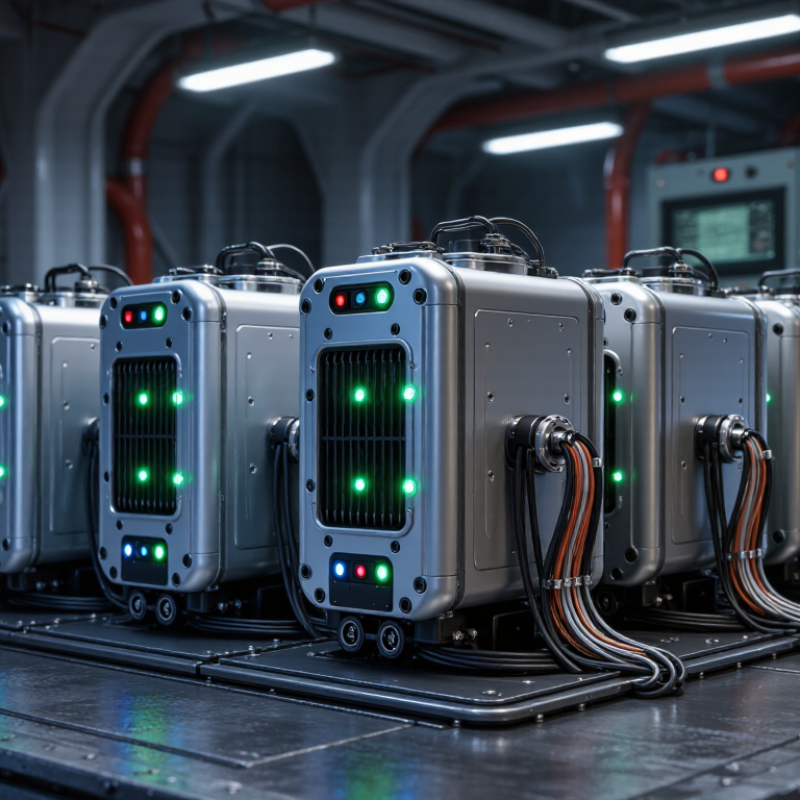
Deep Sea Voltage Regulators: Definition, Functions, and Applications
A deep-sea voltage regulator stabilizes electrical output inside subsea equipment. It protects sensors, pumps, lighting systems, and communication modules from voltage fluctuations. Unlike ordinary industrial regulators, it must withstand seawater pressure, corrosion, vibration, and limited maintenance access.
At 1,000 meters, seawater creates roughly 100 bar of pressure. That pressure can deform seals and damage sensitive circuits. Reliable designs often use pressure-compensated housings, oil-filled chambers, thermal monitoring, and redundant protection. The Global Offshore Wind Report 2024 recorded more than 75 GW of global offshore wind capacity. This growth increases demand for dependable subsea power systems. Regulators also support remotely operated vehicles, underwater observatories, subsea production equipment, and scientific instruments. The application range is broad, but performance claims still require independent testing.
Tips: Check depth ratings first. Then verify input range, efficiency, cooling method, insulation, and fault protection. Ask suppliers for pressure-test records and lifecycle data. Certification matters, but paperwork alone cannot prove field reliability.
Supplier comparisons should examine engineering experience, test facilities, repair procedures, and documented failure rates. DNV’s Energy Transition Outlook 2024 highlights rising electrification across energy systems, yet subsea projects remain highly site-specific. A regulator designed for a shallow offshore platform may fail in a deep trench. I have seen specifications look impressive while omitting transient-response data. That gap deserves attention. Designers should request real load profiles, not only laboratory ratings. Temperature assumptions also need review, because cold seawater can change material behavior and thermal performance.
China Top 10 Deep Sea Voltage Regulator Suppliers? – Deep Sea Voltage Regulators: Definition, Functions, and Applications
Hydrostatic pressure increases by approximately 0.1 MPa for every 10 meters of seawater depth. This engineering reference helps define the pressure-resistance requirements of deep-sea voltage regulator systems.
Deep-sea voltage regulators convert unstable or higher-voltage DC input power into controlled outputs for subsea sensors, remotely operated vehicles, autonomous underwater vehicles, scientific instruments, and underwater communication equipment. At depths near 6,000 meters and 11,000 meters, regulator housings, insulation, connectors, and thermal-management systems must withstand approximately 60 MPa and 110 MPa of external seawater pressure, respectively.
Overview of the Top 10 Chinese Deep Sea Voltage Regulator Suppliers
China’s deep sea voltage regulator market includes ten notable supplier groups serving subsea robotics, offshore sensors, scientific instruments, and underwater communication systems. Their products commonly support low-voltage DC conversion, pressure-tolerant operation, corrosion resistance, and stable output under changing loads. Some suppliers focus on compact custom modules, while others provide ruggedized power assemblies for long deployments.
A practical supplier review should examine more than rated voltage. Experienced buyers check pressure-test records, insulation resistance, thermal behavior, efficiency curves, and sealing methods. Reliable manufacturers usually provide drawings, test reports, sampling support, and traceable production data. Several Chinese suppliers also offer resin-filled designs, oil-compensated housings, and customized connectors for different depths. These details matter when equipment remains underwater for months.
The top ten should be compared by engineering depth, not advertising language. Ask whether the supplier has tested regulators inside pressure chambers, not only in laboratory air. Confirm component sourcing and protection against surge, moisture, and thermal drift. Certification can help, but it does not replace application testing. This is where many evaluations become weak. A supplier may meet a datasheet target yet perform poorly beside a thruster or acoustic transmitter. Early prototypes, independent inspection, and repeated load tests can reveal those gaps before deployment.
Technical Comparison of Products, Ratings, and Customization Options
China’s top ten deep-sea voltage regulator suppliers should be compared by engineering evidence, not catalog claims. IEA’s Electricity 2024 report expects global electricity demand to grow by an average 3.4% annually through 2026. That growth increases pressure on subsea transmission and offshore power systems. For this reason, buyers should examine continuous ratings, overload performance, and thermal stability at depth.
A practical comparison starts with voltage ranges, output accuracy, and insulation resistance. Check whether ratings cover 6.6 kV, 11 kV, or higher marine systems. Also verify operation beyond 3,000 meters, where pressure can exceed 300 bar. IEC 60092-504 supports careful review of special electrical installations, while IEC 60533 highlights electromagnetic compatibility on ships. Ask suppliers for pressure-chamber records, saltwater corrosion tests, and temperature-rise curves. Short documents are not enough.
Customization often separates capable suppliers from ordinary assemblers. Useful options include oil-filled housings, pressure-compensated enclosures, remote monitoring, redundant sensing, and nonstandard cable interfaces. DNV’s Energy Transition Outlook 2024 identifies offshore power growth as an important part of future energy infrastructure, but subsea reliability data remains uneven. That matters. A supplier may show excellent factory efficiency yet provide limited field evidence. The top ten should therefore be scored by verified mean time between failures, testing depth, response time, and spare-part support. My comparison would reserve points for transparent failures and corrective actions. Perfect records can be suspicious.

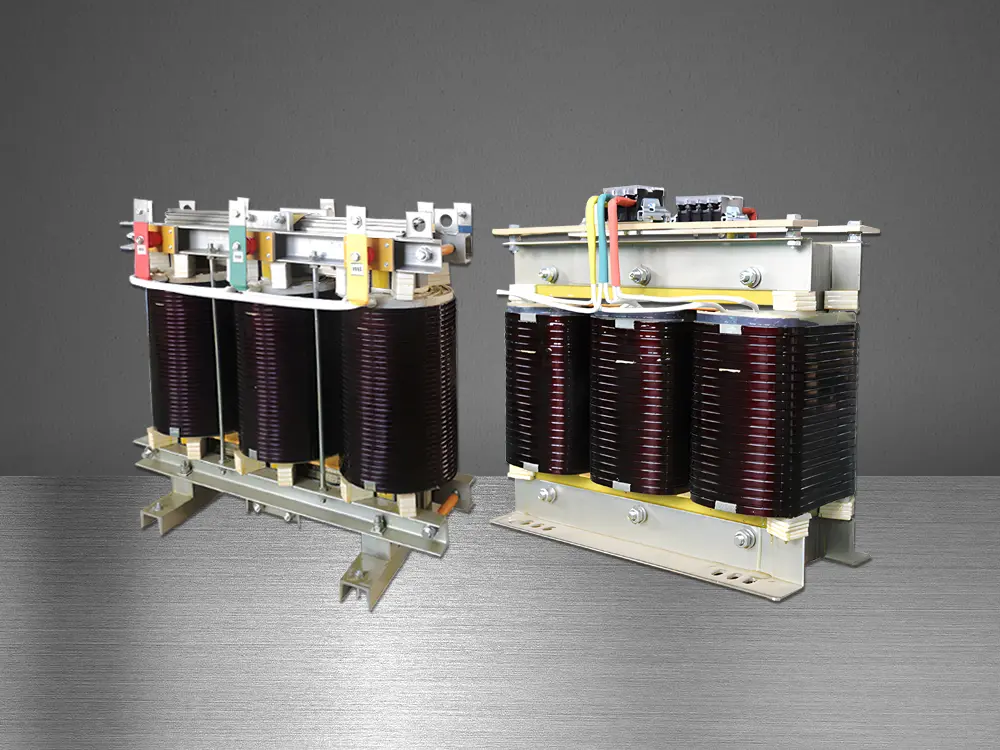 Three-Phase Isolation Transformer
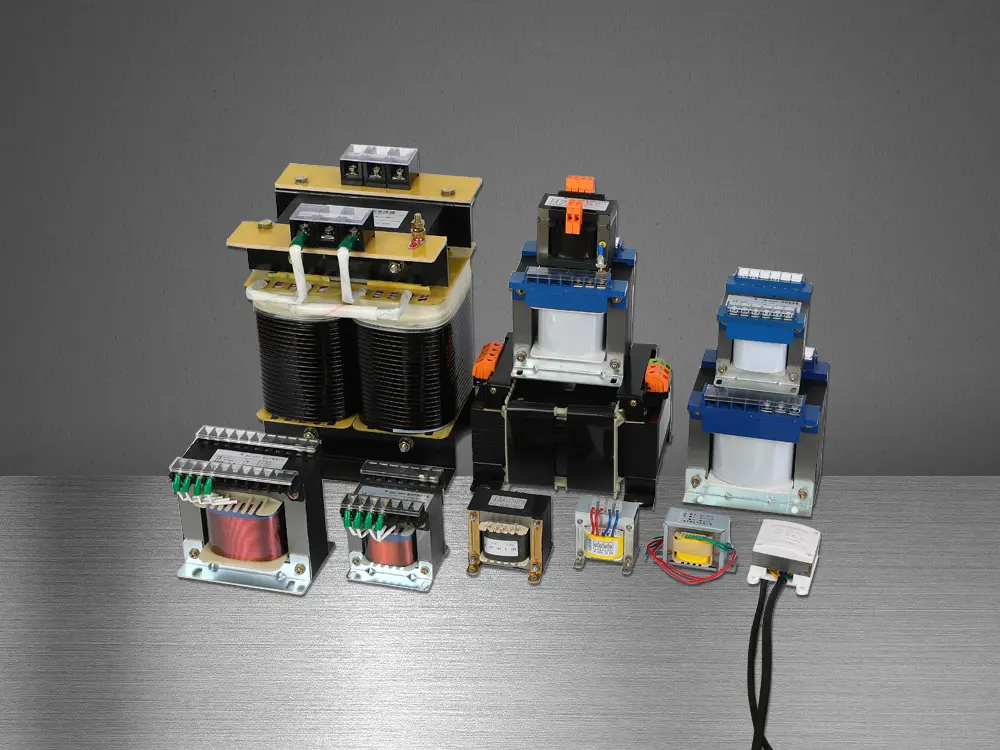 Control Transformer
 Medical IT Isolated Power System
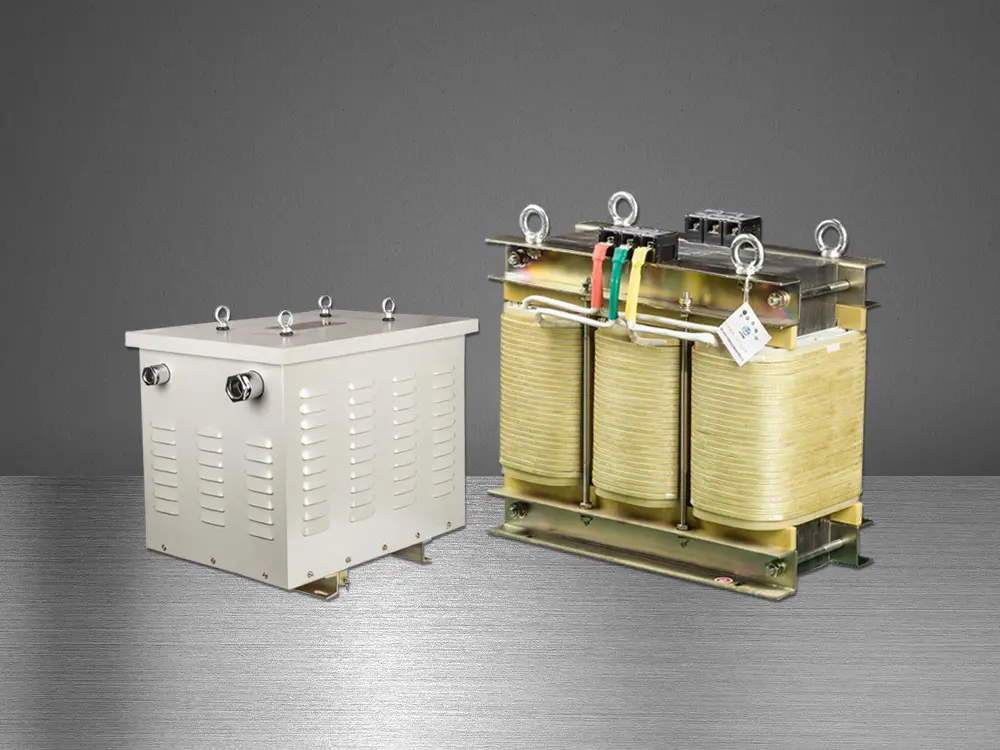 Marine Transformer
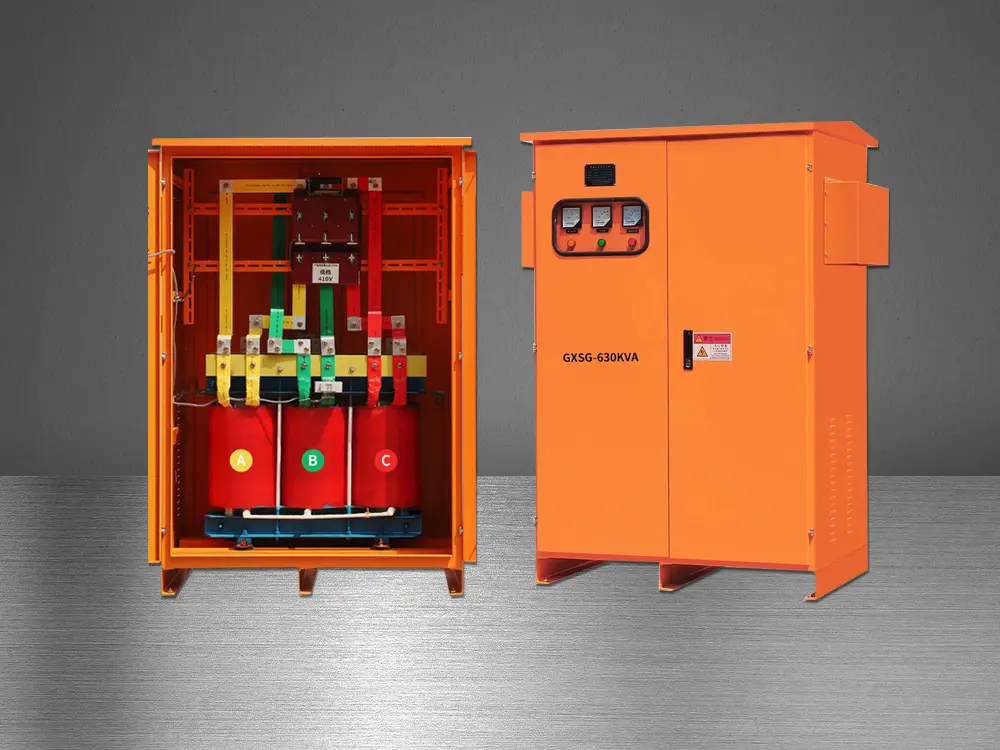 Tunnel Transformer
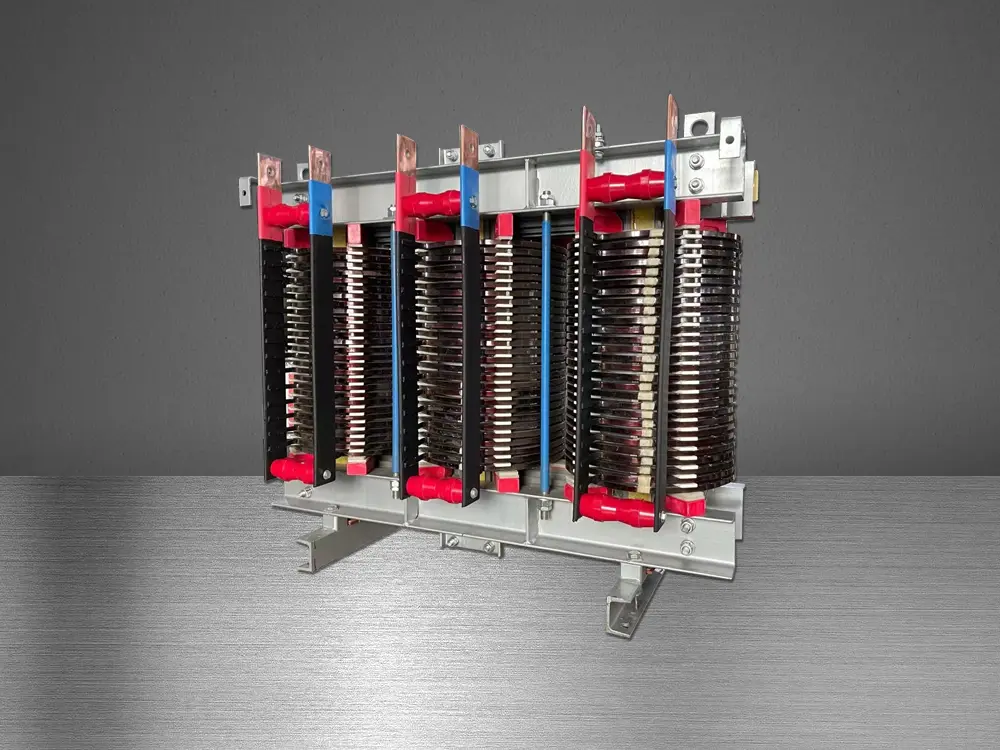 High Current Transformer
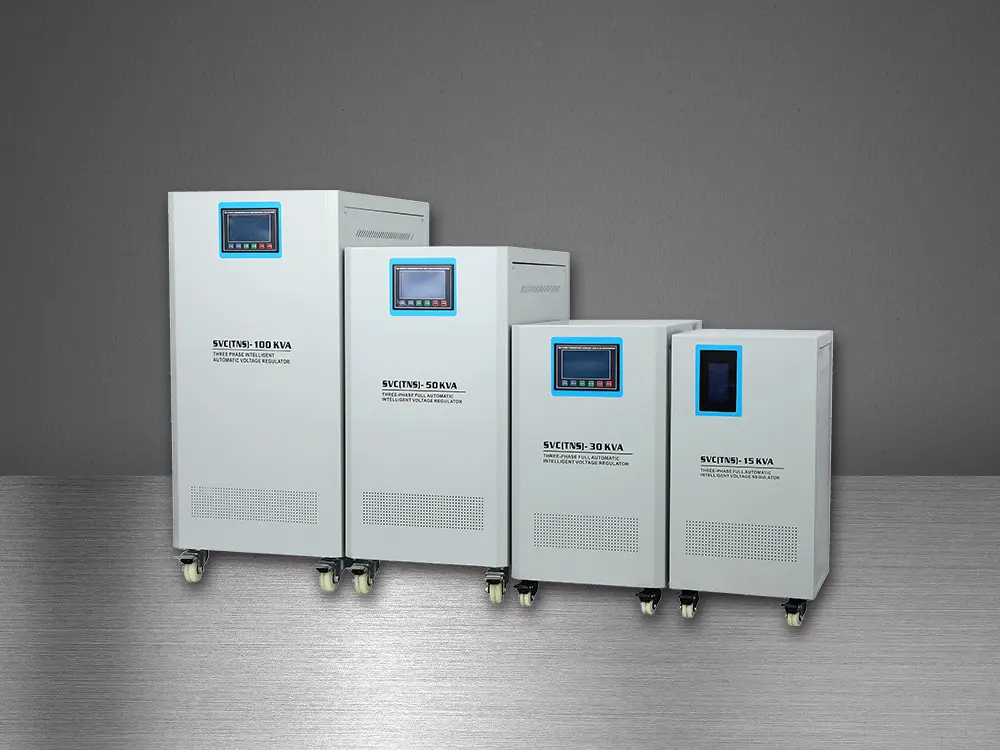 Automatic Voltage Regulator
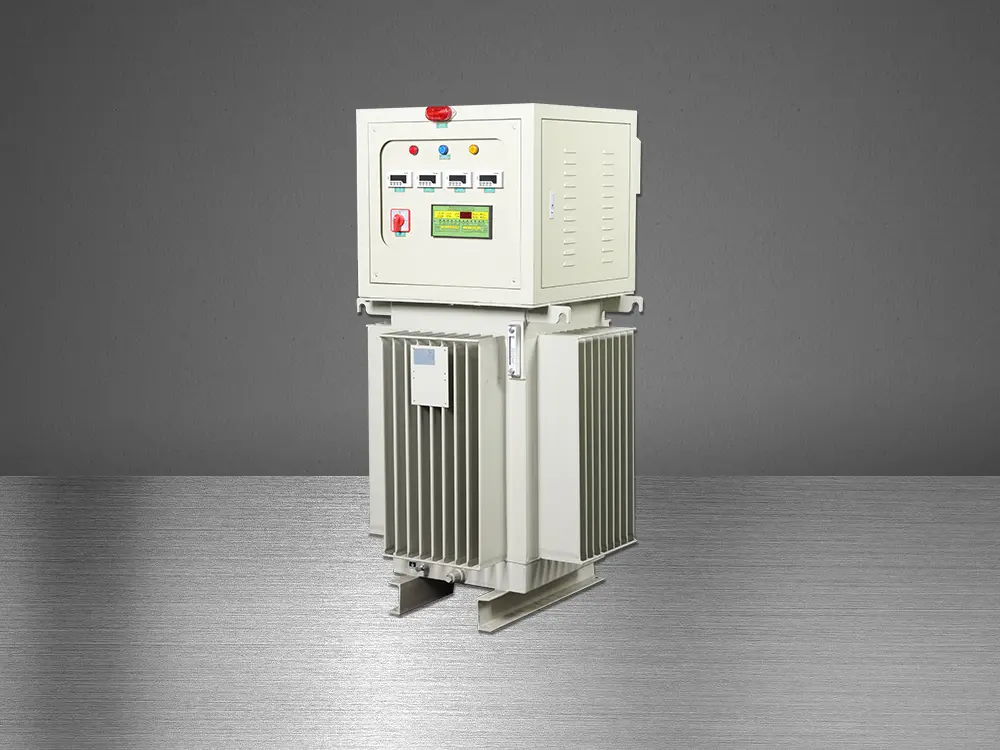 Oil Immersed Voltage Regulator