Leave Your Message

2026 Best Safe Power Systems for Global Buyers?

Choosing the right Safe Power Systems in 2026 requires more than comparing prices and battery capacity. Global buyers must examine safety design, regional standards, service support, and real operating conditions. A system that performs well in a climate-controlled showroom may struggle in a humid warehouse or remote construction site.

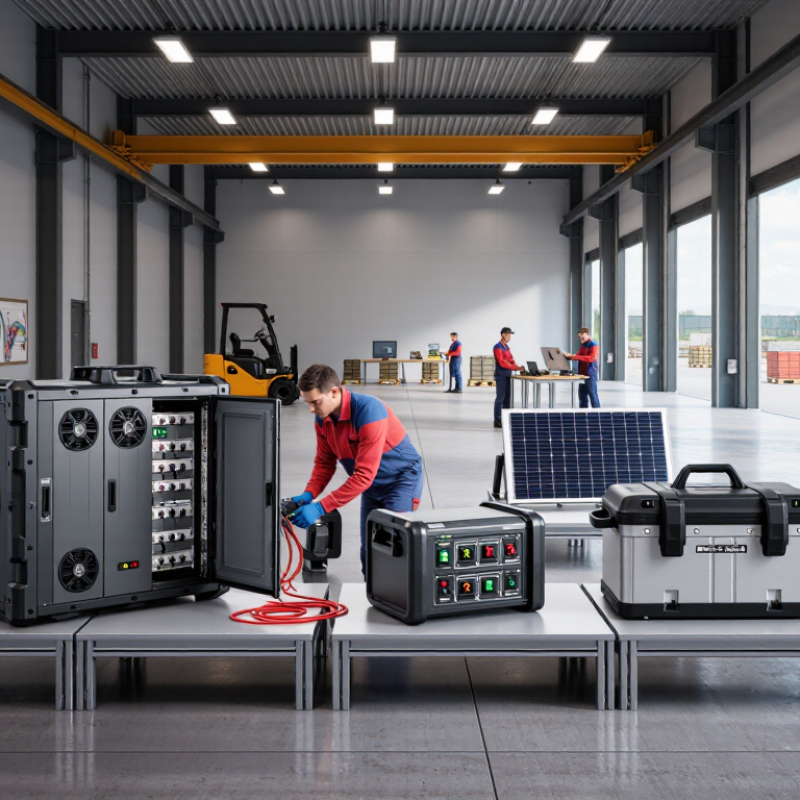
This guide introduces practical criteria for evaluating portable power stations, backup systems, solar storage units, and industrial power solutions. It considers battery chemistry, overload protection, thermal control, enclosure ratings, charging behavior, and monitoring features. Buyers should verify relevant IEC or UL requirements and confirm local conformity rules before purchase. Documentation matters. So does testing.

Field experience often reveals details that product brochures overlook. A loose connector, unclear alarm, or difficult firmware update can create serious downtime. Reliable suppliers should provide traceable specifications, warranty terms, safety reports, and responsive technical assistance. Independent laboratory testing offers stronger evidence than marketing language alone.

No system is perfect. Even advanced equipment can fail when maintenance is ignored or loads are poorly calculated. This guide therefore compares strengths and limitations honestly, including points that may require further verification. The goal is not to promote one supplier. It is to help global buyers make safer, better-informed decisions for homes, businesses, emergency backup, and demanding professional environments.
2026 Best Safe Power Systems for Global Buyers?

What Are Safe Power Systems and Why Do Global Buyers Need Them?

Safe power systems are designed to control electrical risks before they become emergencies. They may include overload protection, short-circuit interruption, earth-leakage detection, thermal monitoring, and emergency shutoff controls. Good systems also use clear labeling and accessible inspection points. Small details matter.

Global buyers need them because electrical conditions differ across markets. Voltage, frequency, grounding methods, plug designs, and installation rules are not universal. A system suitable for one country may perform poorly elsewhere. Unstable grids can also create surges, voltage drops, or repeated shutdowns. Buyers should check applicable IEC requirements, local certification rules, enclosure ratings, and authorized installation procedures. Technical documents should state operating limits in plain language. This reduces mistakes during transport, commissioning, and maintenance.

From practical equipment evaluations, I have found that a certificate alone is not enough. Test reports, wiring diagrams, protection settings, and maintenance records provide stronger evidence. Ask how the system responds when ventilation is blocked or a cable becomes damaged. Request realistic factory and site testing. Some purchasing teams overlook spare protection devices or multilingual instructions. That is a weakness worth admitting. Safe performance depends on correct installation, regular inspection, and trained operators, not only on the equipment itself.

Which Technologies Define Safe Power Systems in 2026?

Safe power systems in 2026 are defined by layered protection, not one impressive device. Engineers now combine solid-state circuit breakers, arc-fault detection, and fast isolation controls. These technologies can stop a fault before heat spreads through a cabinet.

Battery systems also need intelligent protection. Advanced battery management systems monitor cell voltage, temperature, current, and aging patterns. Thermal sensors placed near modules can identify abnormal heating within seconds. Ventilation, fire-resistant enclosures, and controlled shutdown paths provide additional safeguards. Small details matter.

Operational visibility is equally important. Digital twins and local monitoring platforms can reveal load changes, weak connections, and maintenance risks. However, cloud access should never be the only control path. A disconnected site still needs safe manual operation. This is often overlooked. Secure communication, role-based access, and software update records strengthen cyber resilience.

For global buyers, certified testing remains essential. Products should match local grid codes, voltage conditions, environmental ratings, and installation practices. Microgrid controllers can separate critical loads during outages while preventing unsafe back-feeding. Redundant sensors improve reliability, but they also create more data and possible alarms. Field technicians must understand both. Real projects show that even well-designed systems can suffer from sensor drift, poor grounding, or rushed commissioning. Regular inspection and documented testing keep safety practical, not merely promised.

How Do Safety Standards and Certifications Vary Worldwide?

2026 Best Safe Power Systems for Global Buyers?

How Do Safety Standards and Certifications Vary Worldwide?

A safe power system must match the destination market, not only the buyer’s voltage requirements. International standards often reference IEC rules, but national authorities add different testing and documentation demands. In North America, recognized laboratory certification may be required for many electrical products. European sales usually involve CE conformity, technical files, and applicable directives. Other markets may require national marks, registration, or local testing. The exact pathway depends on the product category, power rating, plug design, and installation environment.

Look beyond the logo. A reliable supplier should provide test reports, wiring diagrams, user instructions, and traceable production records. Check protection against overload, short circuits, heat, moisture, and electric shock. Inspect the rating label carefully. It should show input voltage, frequency, current, and operating limits. A certificate can be valid yet unsuitable for your intended installation. That detail is often missed. Requirements can also change, so older documents deserve review rather than automatic trust. Even experienced buyers sometimes treat compliance as paperwork alone. That is a weak assumption.

Tips: Ask for certificates matching the exact model, not a similar series. Confirm whether testing covers the complete system or only one component. Request destination-specific guidance from an independent compliance professional. Leave space for ventilation during installation. Recheck labels after customization, because a small wiring change may affect approval. When evidence is unclear, pause the purchase. Safety should be easier to verify than to explain.

2026 Best Safe Power Systems for Global Buyers?

How Do Safety Standards and Certifications Vary Worldwide?

Global power systems differ in nominal voltage and frequency, so safe equipment must be designed for the target market. Typical conformity pathways include CE in the European Union, UKCA in the United Kingdom, NRTL certification in the United States, CSA or cUL certification in Canada, RCM in Australia and New Zealand, PSE in Japan, and CCC in China. Requirements vary by product category and jurisdiction.

How Can Buyers Evaluate Power System Performance and Risk?

Global buyers should test power systems as operating assets, not compare brochures. Performance starts with measurable outcomes: voltage stability, transfer time, fuel autonomy, efficiency, acoustic output, and fault recovery. The IEA’s Electricity 2024 report projects global electricity demand will grow by an average 3.4% annually through 2026. That growth makes peak loading and grid instability more important during procurement. Ask for witnessed factory tests, site commissioning records, and load-bank results.

Risk evaluation needs numbers, not reassuring adjectives. Uptime Institute’s 2024 Annual Outage Analysis examined reported outage costs. It found 54% exceeded $100,000 in direct and indirect losses. Buyers should model downtime, spare-part delays, technician access, and local fuel or battery constraints. Check mean time between failures carefully; it is a statistical estimate, not a promise. Review failure modes for cooling, controls, batteries, breakers, and communications. Redundancy also deserves skepticism. Two modules can share one vulnerable switchboard.

Use recognized requirements, such as IEC 62040 for UPS systems and ISO 8528 for engine-generator sets. Then demand evidence of compliance. Independent inspection helps, especially when test conditions differ from the sales proposal. Real projects often expose weaknesses under heat, dust, altitude, or poor maintenance. Those limits should enter acceptance criteria. Some buyers still overvalue efficiency. Efficiency matters, but resilience, serviceability, cybersecurity controls, and transparent lifecycle costs matter more when the lights fail.

What Installation and Maintenance Factors Ensure Long-Term Safety?

Safe power systems are not made safe by equipment alone. Installation quality often determines their real service life. Buyers should verify local electrical codes, inspection requirements, and product certification before purchase. Global standards may differ.

Place equipment on a dry, stable surface with clear access around vents and panels. Avoid direct sunlight, flooding risks, combustible storage, and crowded cable routes. A qualified electrician should size conductors, grounding, breakers, and protective devices correctly. Loose terminals create heat. Small errors become expensive failures.

Maintenance needs a written schedule, not memory. Inspect cable insulation, connection torque, enclosure seals, warning labels, and ventilation paths. Remove dust carefully. Check battery temperatures and backup performance under controlled conditions. Thermal scanning can reveal hot connections before damage appears. Keep dated service records with measurements and corrective actions.

Some buyers focus heavily on purchase price. That is understandable, but incomplete. Cheap maintenance access can matter more than a lower initial cost. A perfect checklist does not exist. Site conditions change, and even trained teams can miss hidden moisture or gradual corrosion. Independent inspections are valuable when the system supports medical, industrial, or remote operations. Replacement parts should remain available for the expected service period. Training also matters. Operators need clear shutdown procedures and must never bypass protective devices. Safety depends on disciplined habits, accurate installation, and honest review after every fault.