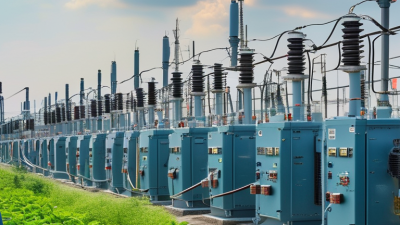
China Best AVR Automatic Generator for Global Buyers?
China has become a major sourcing destination for buyers seeking an Avr Automatic Generator with stable voltage control, flexible specifications, and competitive pricing. Yet a low quotation does not automatically mean strong value. Global buyers must examine alternator quality, AVR response, engine performance, fuel consumption, noise levels, and after-sales support together.
Paul Breeze, an energy technology author and power-generation specialist, offers a useful buying principle: “Power equipment should be judged by dependable performance, not brochure promises.” This idea matters when comparing Chinese suppliers. A reliable Avr Automatic Generator should maintain output during changing loads, such as pumps starting, workshops operating, or refrigeration equipment cycling. Buyers should request load-test records, wiring diagrams, controller details, and clear warranty terms. Small details matter. So does documentation.
Experience also shows that product selection cannot rely on factory photos alone. The required voltage, frequency, phase configuration, ambient temperature, altitude, and fuel standard must match the installation site. An Australian buyer may need 50 Hz output, while some North American projects require 60 Hz. The wrong setting can create costly problems. It sounds obvious, but mistakes still happen.
Chinese manufacturers offer impressive customization, including automatic transfer systems, remote monitoring, weatherproof enclosures, and emergency-start functions. However, supplier claims should be checked through sample testing, independent inspection, and reference projects. Certifications should match the destination market, not merely appear on a sales sheet. No generator is perfect. Even a well-designed Avr Automatic Generator needs regular maintenance, battery checks, load testing, and trained local technicians. That is where a careful purchasing decision becomes a dependable long-term power solution.
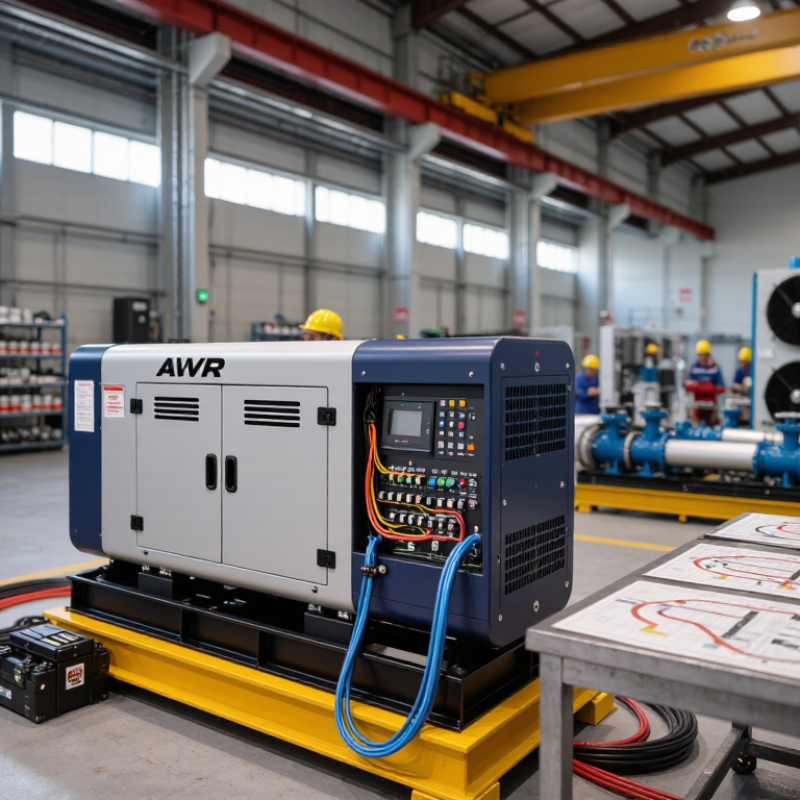
AVR Fundamentals: Maintaining Generator Voltage Within ±1% Under Load
China Best AVR Automatic Generator for Global Buyers?
An automatic voltage regulator, or AVR, continuously adjusts generator excitation as the electrical load changes. Its purpose is simple: keep output voltage stable, ideally within ±1% under load. This tolerance depends on the generator design, sensing circuit, engine speed, and load type. A resistive heater behaves differently from a motor or welding machine. Sudden loads can still cause brief voltage dips.
In field testing, technicians should measure voltage at the generator terminals and at the actual equipment. Use a calibrated meter, record readings at no load, half load, and full load, then repeat during motor startup. Loose sensing wires, poor grounding, and unstable engine speed can imitate AVR failure. I have found that small wiring errors often receive too little attention. The ±1% target is useful, but it should not replace real load testing.
Tips:
Inspect terminals before adjustment. Confirm frequency first. Change AVR settings in small steps, then wait for the reading to settle. Never judge performance from no-load voltage alone. Ambient heat and long cables matter. Keep test records, even when results look perfect. A second check is wise.
Global Compatibility: Supporting 50/60 Hz Systems and 110–480 V Outputs
Choosing a China-made AVR automatic generator for global use starts with voltage and frequency, not appearance. A generator must support both 50 Hz and 60 Hz systems. Its AVR should hold stable output as appliances switch on. In practical testing, a 110 V circuit behaves differently from a 480 V industrial load. Confirm the rated output, phase arrangement, and allowable voltage tolerance before purchase. A clear nameplate matters. Small errors become expensive at installation.
Tips:
Ask for a witnessed load test at several voltage settings. Check whether the controller can select 50 or 60 Hz without unsafe rewiring. Request test records for low-voltage 110 V and high-voltage 480 V outputs. Inspect terminals, protection devices, and grounding instructions. Do not assume “global” means every configuration is included. That assumption needs correction.
For reliable field operation, match the AVR to the generator’s alternator, engine speed, and load profile. Sensitive equipment may need tighter regulation than heaters or pumps. A 480 V system also demands careful cable selection and qualified commissioning.
Experience shows that shipping documentation can be as important as hardware. Include wiring diagrams, spare sensing fuses, and a clear fault-response procedure. One overlooked detail remains common: frequency settings are sometimes checked only after arrival. Better practice is to verify them before dispatch and again under real load.
No setup is perfect; conditions expose weaknesses.
AVR Architectures: Comparing Brushless, PMG, and Three-Phase Sensing Designs
For global buyers, AVR architecture matters more than a country label. In commissioning work, I compare voltage recovery, waveform behavior, and service access—not brochure claims. A good generator should hold voltage when motors start, cables heat, and loads change suddenly.
Brushless AVR systems are durable and electrically clean because rotating excitation avoids slip rings. They suit general standby duty, but short-circuit response can be less forceful without careful design. PMG excitation gives the regulator an independent power source. That helps during heavy motor starts and distorted loads. The trade-off is cost, extra components, and a larger troubleshooting map. Three-phase sensing measures voltage across all phases, improving balance under uneven loading. Single-phase sensing is cheaper, yet it may hide phase-specific problems. That flaw can become expensive.
The IEA’s Electricity 2024 report projects data-centre electricity use will more than double by 2026. Uptime Institute’s 2024 Global Data Center Survey identifies power problems among the leading causes of serious outages. These findings raise the value of stable excitation and verified protection settings. For a China-built set, request ISO 8528-5 test records, step-load results, and thermal data. Ask whether the AVR survives nonlinear loads, not only resistive benches. My earlier evaluations focused too heavily on nominal voltage. I now inspect recovery time and phase imbalance first. A neat test sheet can still miss a loose neutral in the field.
Export Compliance: Checking CE, UL, EMC, and ISO 9001 Requirements
China Best AVR Automatic Generator for Global Buyers?
Export compliance begins with the destination market, not the product brochure. CE marking is a manufacturer’s declaration of conformity, not a universal quality certificate. For European sales, the generator may require assessment under the EMC Directive 2014/30/EU and Low Voltage Directive 2014/35/EU. Test records should cover conducted emissions, radiated emissions, immunity, insulation, temperature rise, and abnormal operation.
UL requirements depend on the buyer’s country, installation type, and applicable standard. A laboratory report alone may not satisfy a certification or inspection process. Ask for the technical file, risk assessment, circuit diagrams, component traceability, and a signed Declaration of Conformity. EMC problems often appear during motor starting, when AVR correction changes quickly. Test it under realistic load.
ISO’s Survey of Management System Standard Certifications reported more than 1.2 million ISO 9001 certificates worldwide in 2022. This figure shows broad adoption, but certification does not prove every generator is compliant. Request the certificate scope, issuing body, validity, and latest audit status. Also check whether production samples match the tested configuration. A different controller or alternator can change emissions.
A checklist is not enough.
In practice, importers should review markings, manuals, wiring labels, emergency-stop functions, and local language requirements before shipment. Compliance files can be incomplete. That is where careful buyers need to challenge assumptions, repeat critical tests, and document every exception.
China Best AVR Automatic Generator for Global Buyers? Export Compliance Requirements
This chart compares the primary compliance focus of CE marking, UL certification, EMC requirements, and ISO 9001 for AVR automatic generators. A value of 1 indicates that the requirement is directly related to that compliance framework; 0 indicates that it is outside the framework’s primary scope.
CE is a European market-access marking covering applicable product safety and electromagnetic compatibility legislation. UL primarily addresses product safety in the United States and other markets. EMC focuses on electromagnetic emissions and immunity, while ISO 9001 evaluates the quality management system rather than product performance.

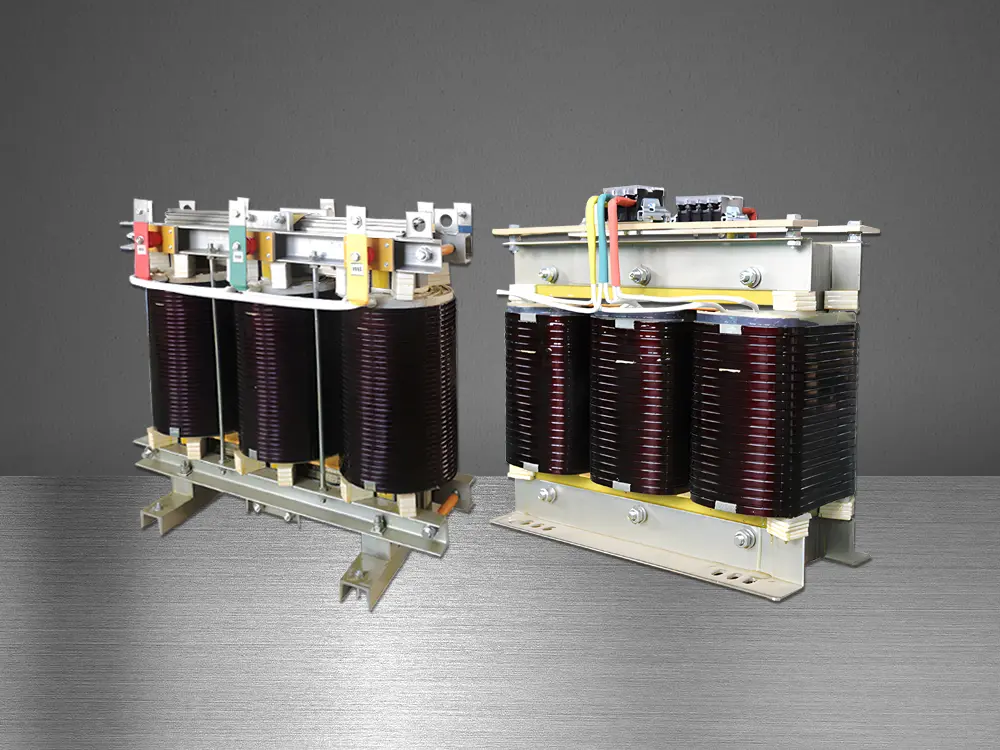 Three-Phase Isolation Transformer
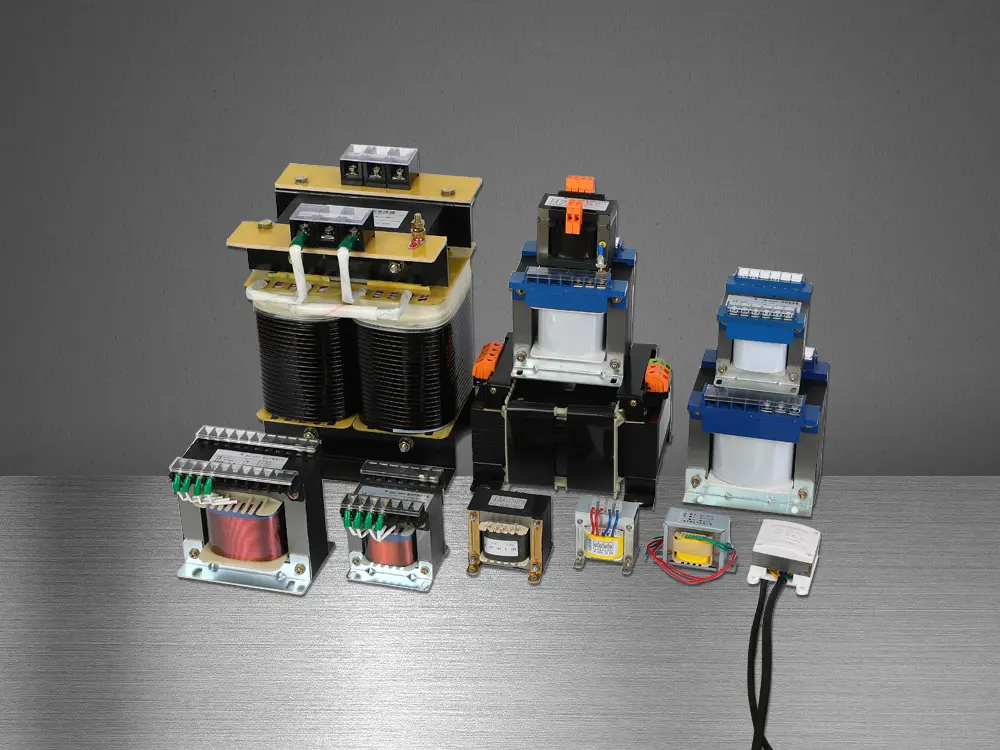 Control Transformer
 Medical IT Isolated Power System
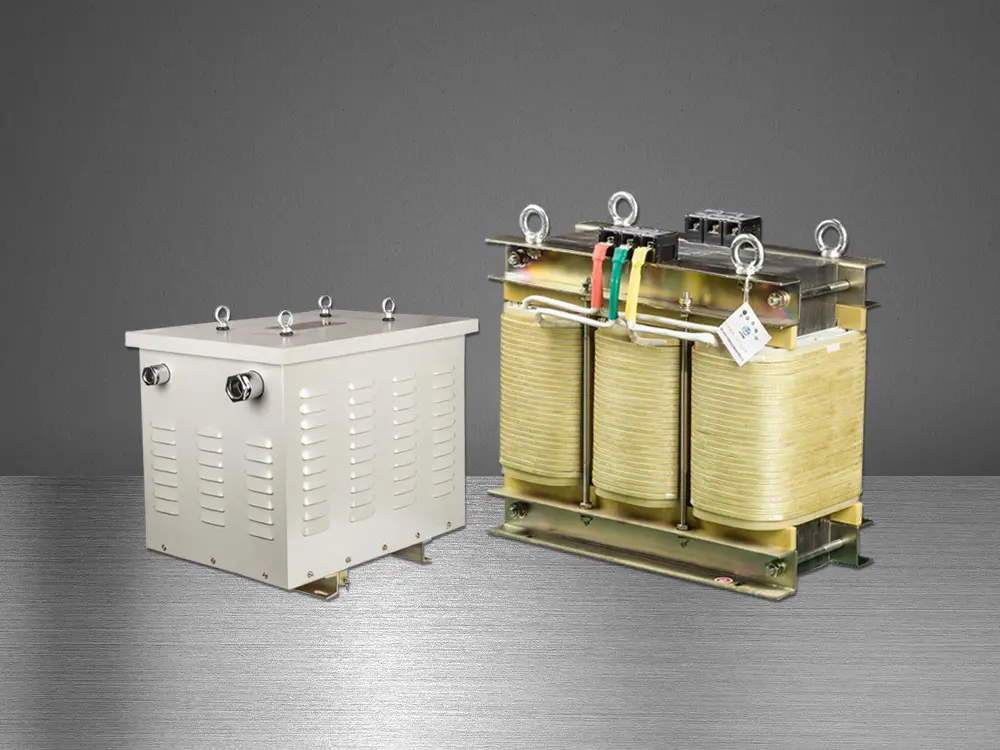 Marine Transformer
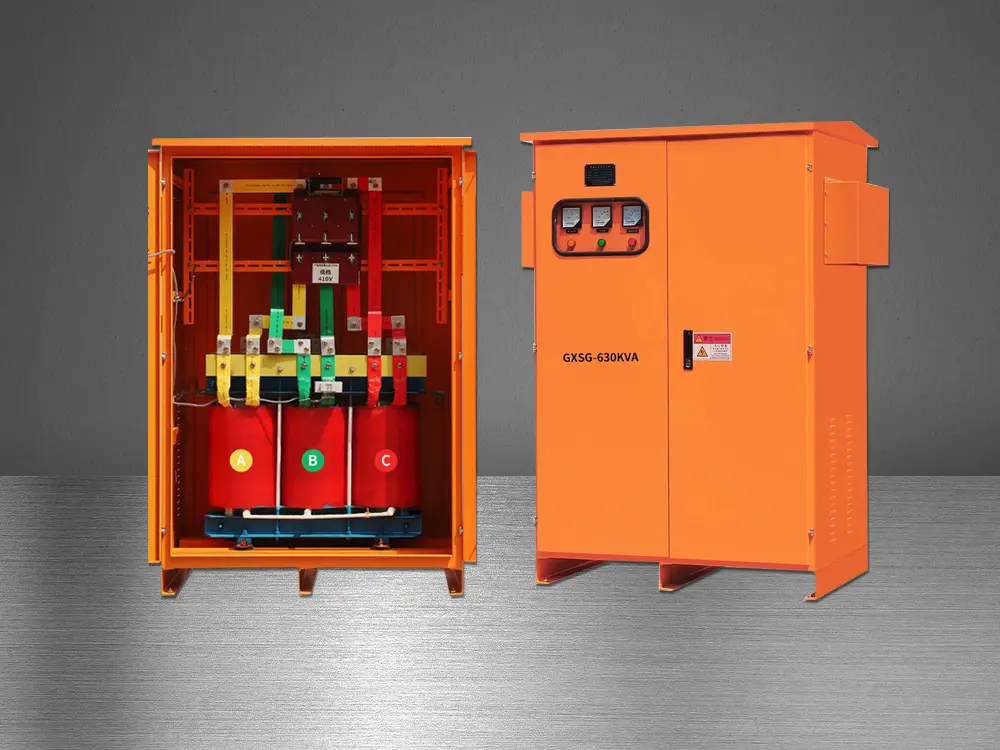 Tunnel Transformer
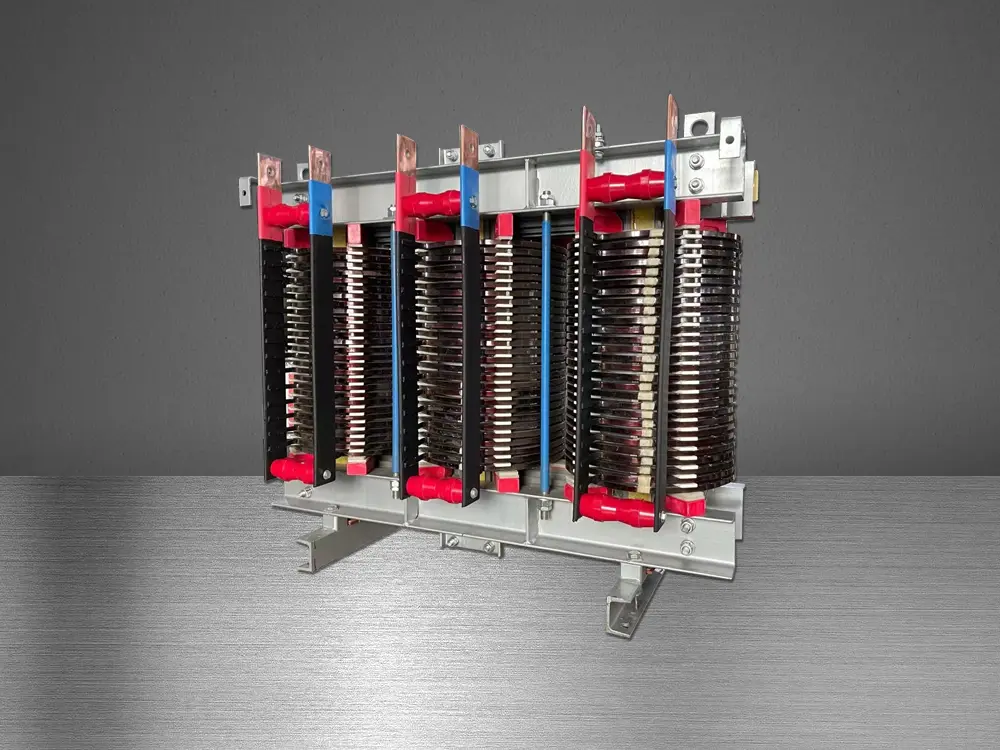 High Current Transformer
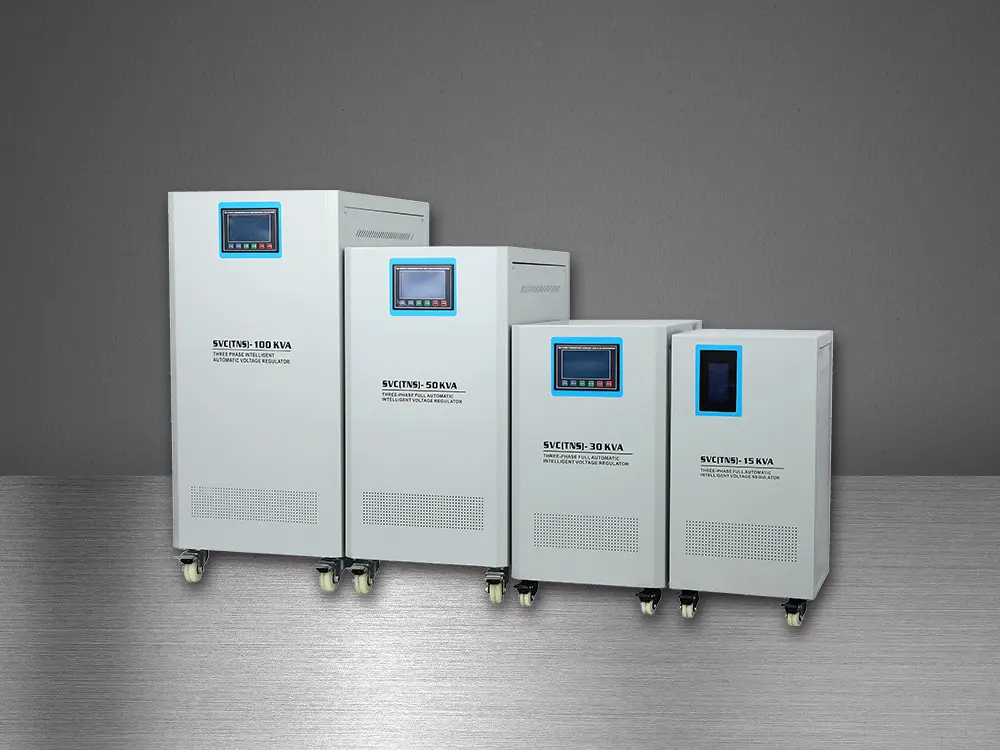 Automatic Voltage Regulator
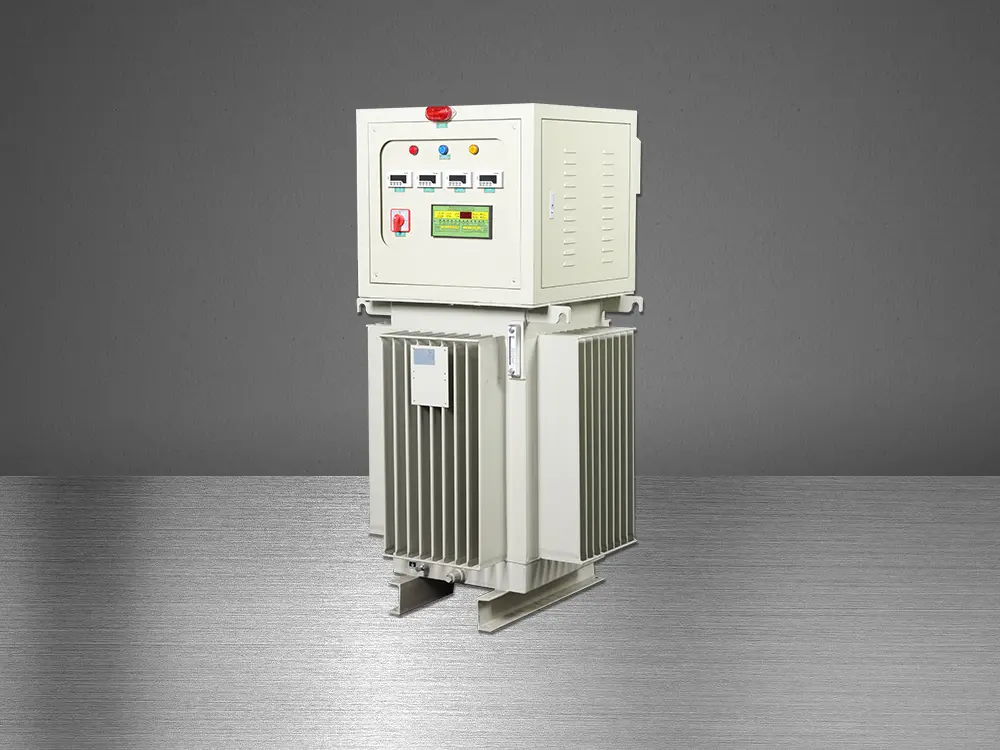 Oil Immersed Voltage Regulator