China Top Control Transformers What You Need to Know?
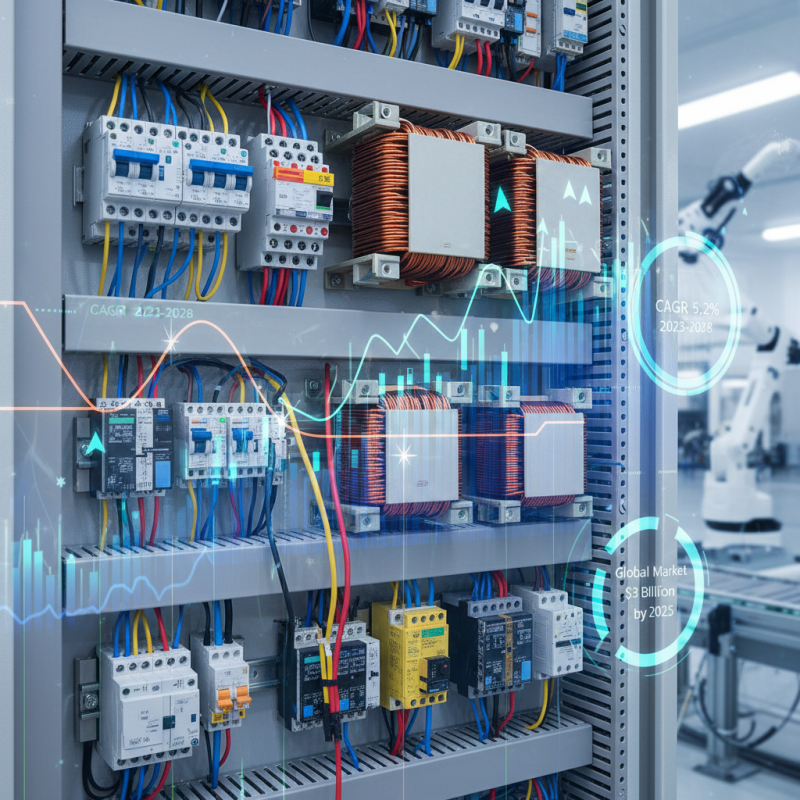
In recent years, the Control Transformer industry in China has witnessed significant growth. Experts estimate that the market will expand at a CAGR of approximately 5.2% from 2023 to 2028. Control Transformers play a crucial role in electrical systems, providing voltage regulation and protection. Dr. Michael Zhao, a leading expert in electrical engineering, emphasizes, "Control Transformers are essential for maintaining system stability and efficiency."
The increasing demand for energy-efficient solutions drives innovation in the Control Transformer sector. Leading companies are adopting advanced technologies to enhance performance and reduce losses. Reports indicate that the global market for Control Transformers is projected to reach $3 billion by 2025. Despite this growth, challenges persist. Many manufacturers struggle with quality consistency and design complexities. Addressing these issues is crucial for the industry's success.
As the industry evolves, understanding the fundamentals of Control Transformers becomes increasingly important. Engineers and technicians must stay updated with the latest trends and technologies. Continuous education and adaptation will be vital. The pressure to improve will push the boundaries of what Control Transformers can achieve.
Overview of Control Transformers in China
Control transformers play a vital role in electrical systems across various sectors in China. They are designed to adjust voltage levels and provide insulation between different circuit parts.
According to recent industry reports, the control transformer market in China was valued at approximately $1.2 billion in 2022, with expectations to grow at a compound annual growth rate (CAGR) of 6.5% through 2028. This growth highlights their significance in supporting the rising demand for energy efficiency and safety in electrical applications.
The manufacturing of control transformers involves precision engineering. Often, the transformers are assembled using high-quality materials to ensure reliability and performance. However, there are challenges in the industry. Quality control can sometimes lag, affecting the transformers' durability. Furthermore, as the market expands, the need for skilled technicians rises. This highlights a gap that requires addressing to maintain the quality of products. Industry leaders are aware of these challenges but often find themselves in a reactive mode rather than proactive planning.
The regulatory framework surrounding control transformers in China is evolving. Stricter standards are being enforced to enhance safety and efficiency. However, some manufacturers struggle to keep up, which can lead to discrepancies in product quality. This inconsistency may reflect a broader need for better training and adherence to best practices in transformer production. Investing in these areas will be integral to the sector's sustainable growth.
Key Applications and Benefits of Control Transformers
Control transformers play a crucial role in various industrial applications. They convert high voltage to lower levels, ensuring safe operation for sensitive equipment. Commonly used in control circuits, these transformers help maintain the stability of electrical systems. Their primary benefit includes providing an isolated power source. This isolation enhances safety and reduces the risk of electrical shock.
In addition to safety, control transformers improve efficiency. They ensure that control systems receive the correct voltage. This adjustment helps prevent damage to sensitive devices and prolongs their lifespan. Using the right control transformer can make a significant difference in operational reliability.
Tips for selecting control transformers:
- Choose transformers with the appropriate voltage rating for your application.
- Oversized transformers can lead to inefficiencies.
- Regular inspections can help identify issues early.
- Additionally, consider the environmental factors where the transformer will be placed, as these can impact performance and longevity.
- Always consult with professionals to ensure you select the best option for your needs.
Major Manufacturers of Control Transformers in China
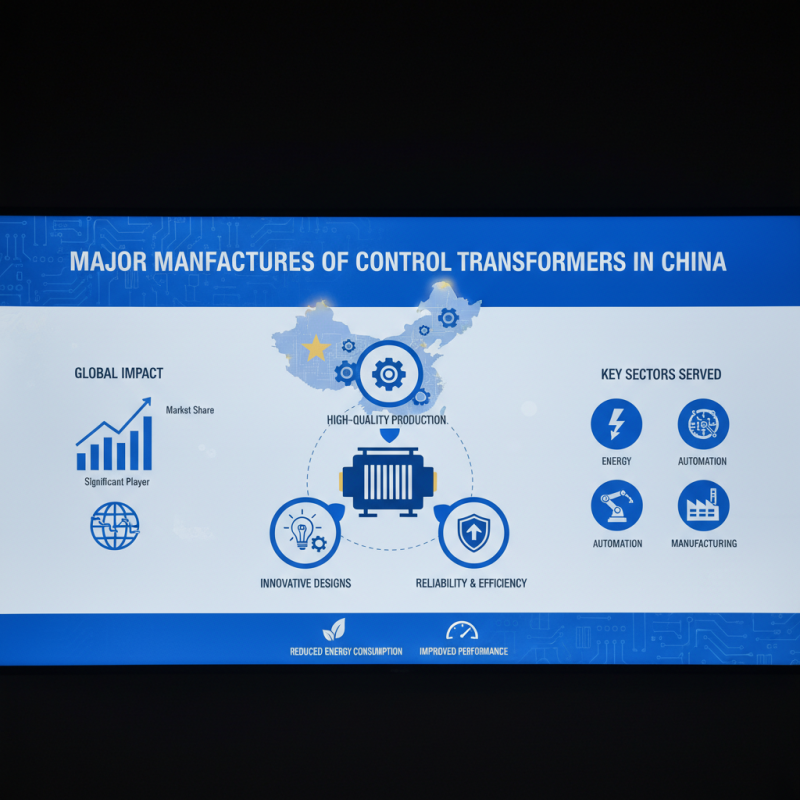
China has become a significant player in the control transformer market. Many manufacturers focus on high-quality production and innovative designs. These companies often provide essential components for various industries, including energy, manufacturing, and automation. They emphasize reliability and efficiency in their transformers. This focus helps reduce energy consumption and improve overall performance.
Several major manufacturers stand out in this competitive landscape. They invest heavily in research and development. This investment leads to advancements in technology, enhancing transformer capabilities. However, not all manufacturers maintain consistent quality. Some may prioritize cost-cutting over product excellence. This discrepancy can lead to performance issues for end-users.
Quality control remains a critical challenge for many businesses. Manufacturers must balance cost and reliability. Insufficient quality control can lead to failures, impacting operations significantly. As the market grows, manufacturers need to address these concerns. A commitment to quality and innovation will be essential for long-term success in the control transformer sector.
Regulatory Standards and Compliance for Control Transformers
Control transformers play a crucial role in electrical systems, particularly in industrial applications. In China, regulatory standards for these transformers are stringent, ensuring safety and efficiency. The National Electrical Code (NEC) and Chinese National Standards (GB) set guidelines that manufacturers must adhere to. Compliance with these standards can enhance the reliability of transformers.
Recent data highlights that over 70% of electrical failures are linked to poor transformer performance. This underscores the importance of stringent quality control measures. Manufacturers are increasingly focusing on testing protocols to meet regulatory compliance. Reports suggest that failures can result in significant operational downtime, costing industries millions annually.
Despite advancements, challenges remain in the compliance landscape. Some manufacturers struggle to keep up with rapidly evolving regulations. The continuous need for certification can lead to errors or lapses. As the industry grows, so does the complexity of adhering to standards. Regular audits and updates are essential for sustaining compliance.
China Top Control Transformers: What You Need to Know? - Regulatory Standards and Compliance for Control Transformers
| Transformer Type |
Power Rating (kVA) |
Efficiency (%) |
Cooling Method |
Regulatory Standard |
| Control Transformer |
50 |
95 |
Air-Cooled |
GB 1094.1 |
| Isolation Transformer |
100 |
98 |
Oil-Cooled |
GB 14048.2 |
| Auto Transformer |
150 |
96 |
Air-Cooled |
GB 1094.10 |
| Three-Phase Control Transformer |
200 |
97 |
Oil-Cooled |
GB/T 10228 |
| Single-Phase Control Transformer |
75 |
94 |
Air-Cooled |
GB/T 6451 |
Trends and Innovations in China's Control Transformer Industry
China's control transformer industry is witnessing significant trends and innovations. With a focus on efficiency, manufacturers are adopting advanced technologies. For instance, increased automation in production processes has led to enhanced precision. This shift aims to meet the rising demand for energy-efficient solutions.
Another notable trend is the integration of smart technology. Control transformers are becoming more versatile and user-friendly. Features such as remote monitoring and diagnostics are now common. Consequently, operators can improve their workflow and minimize downtime.
Tips: Focus on energy efficiency when selecting control transformers. Consider investing in smart models that streamline operations. Regular maintenance is crucial for optimal performance. Reflecting on these points can greatly enhance productivity in the long run.

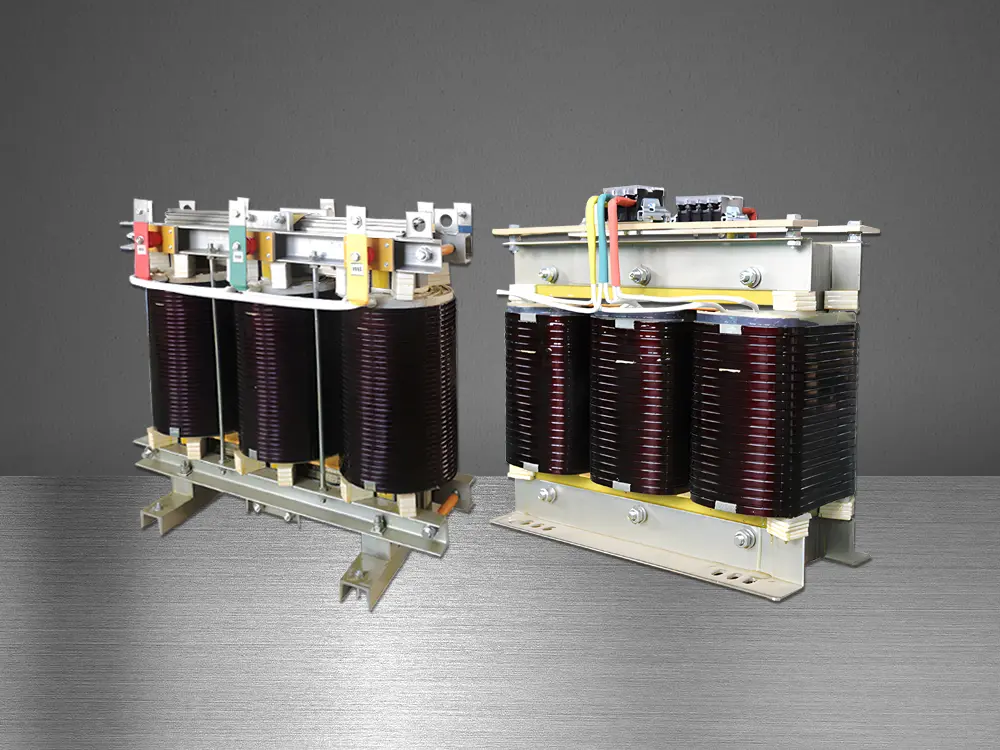 Three-Phase Isolation Transformer
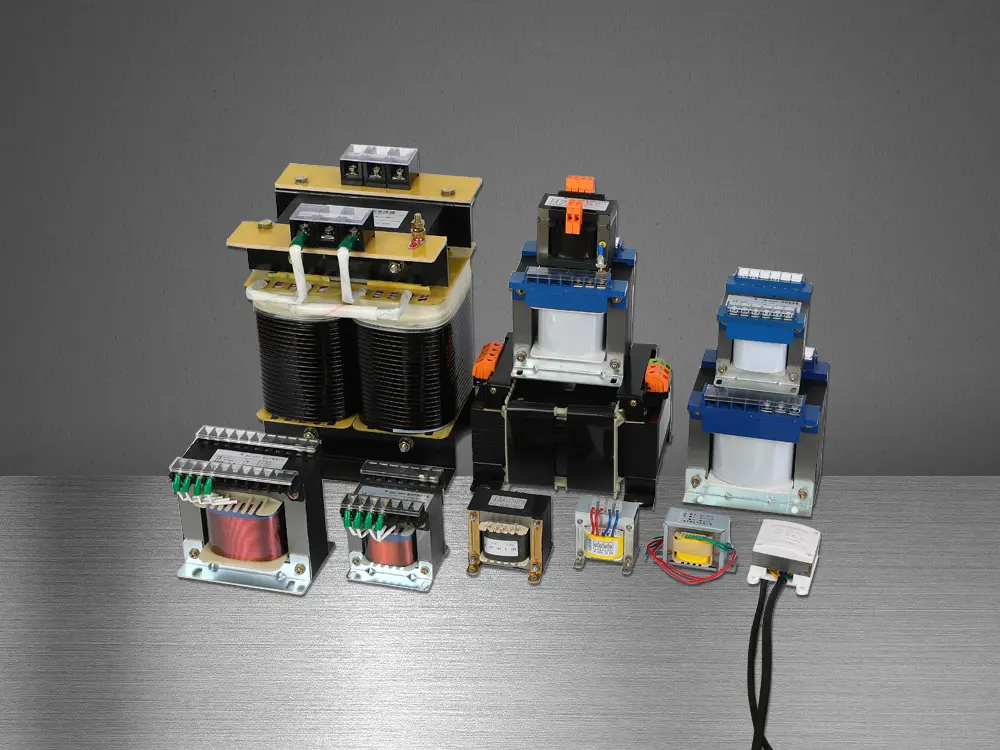 Control Transformer
 Medical IT Isolated Power System
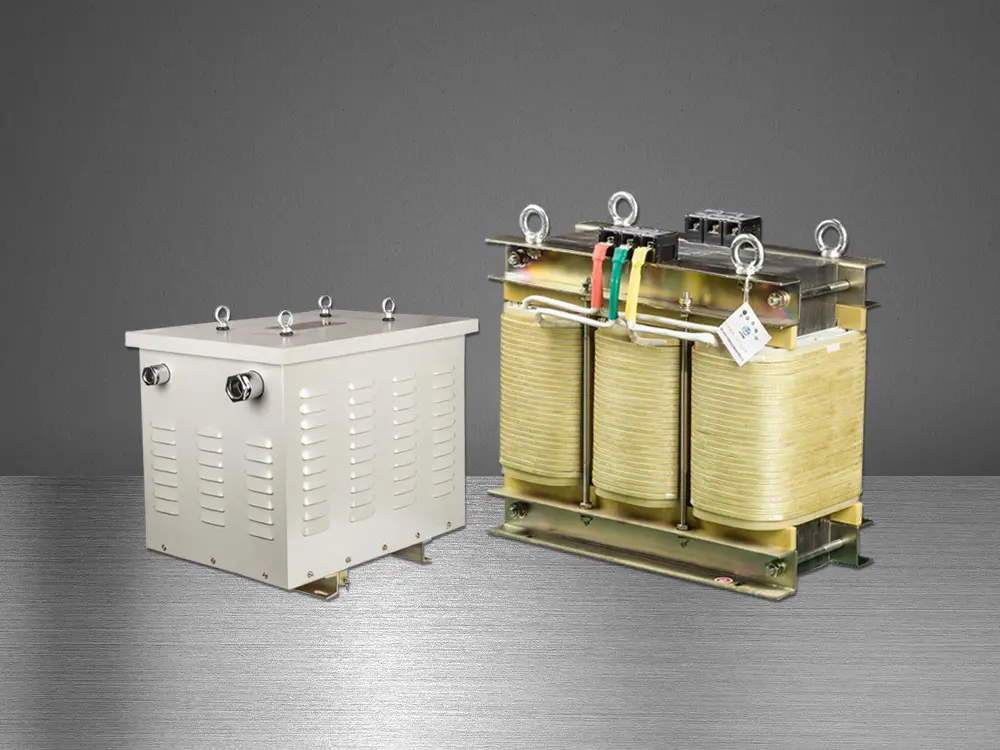 Marine Transformer
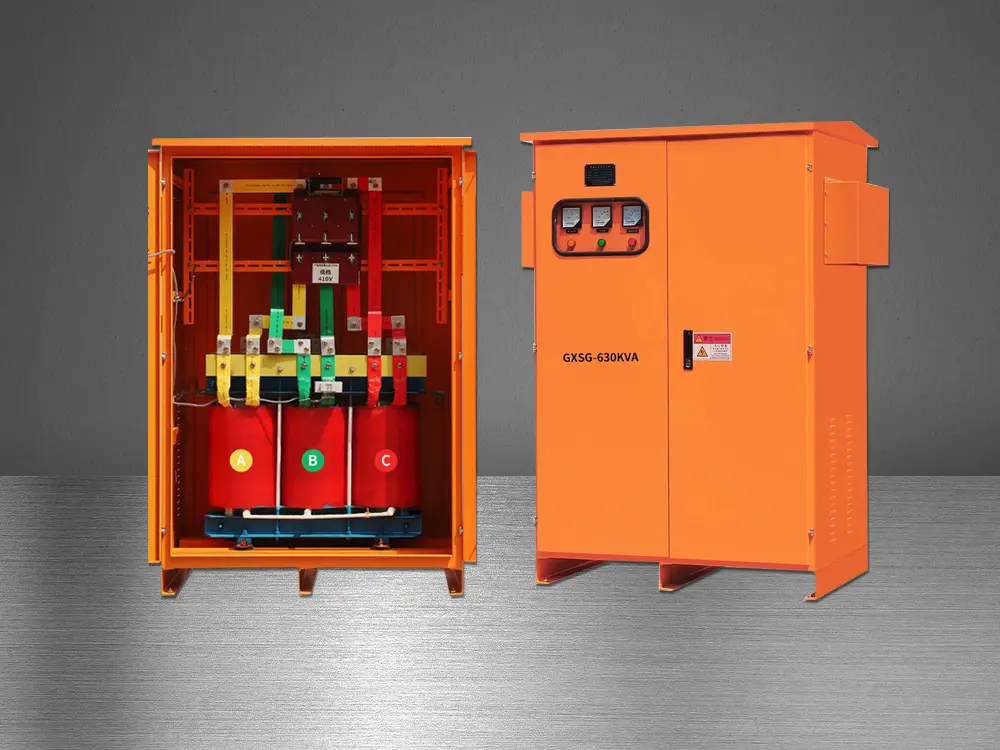 Tunnel Transformer
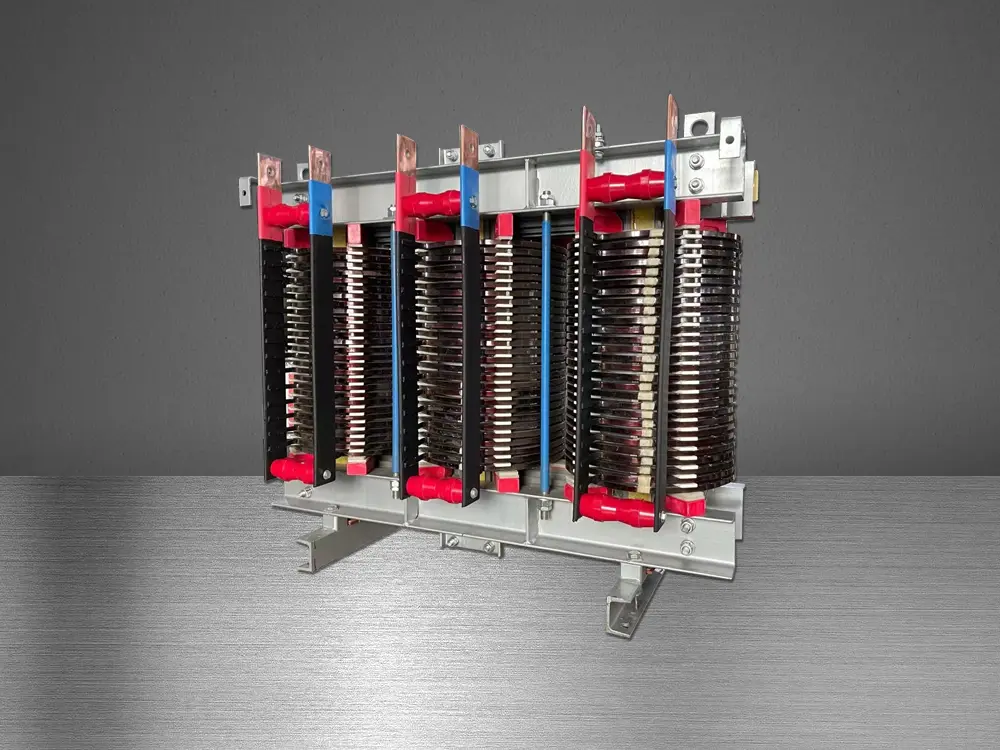 High Current Transformer
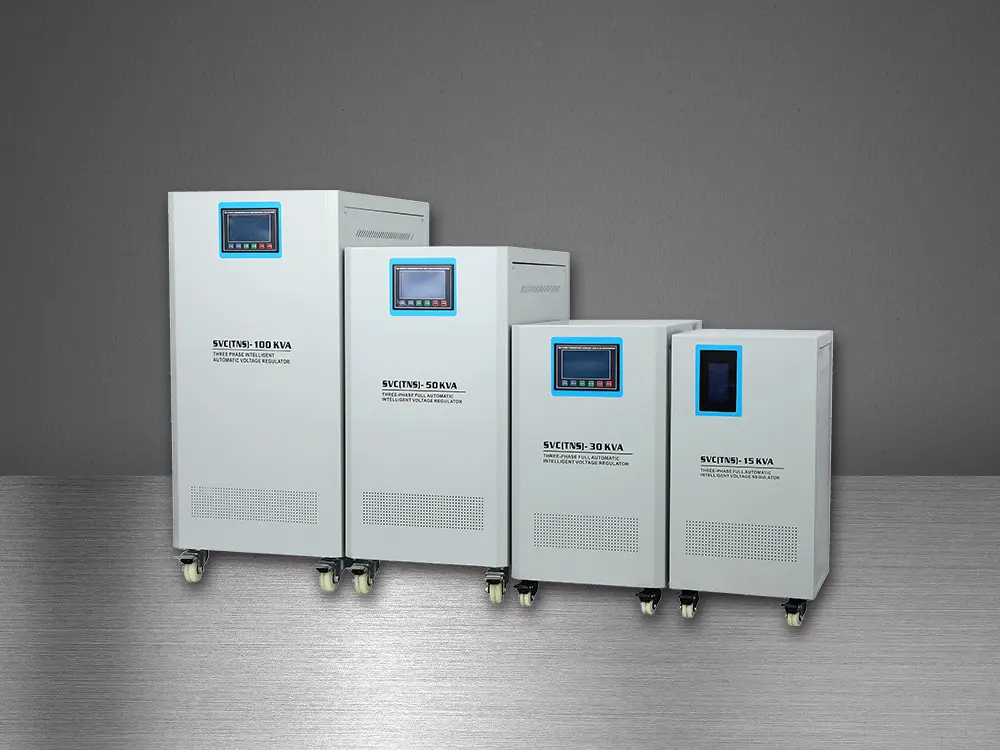 Automatic Voltage Regulator
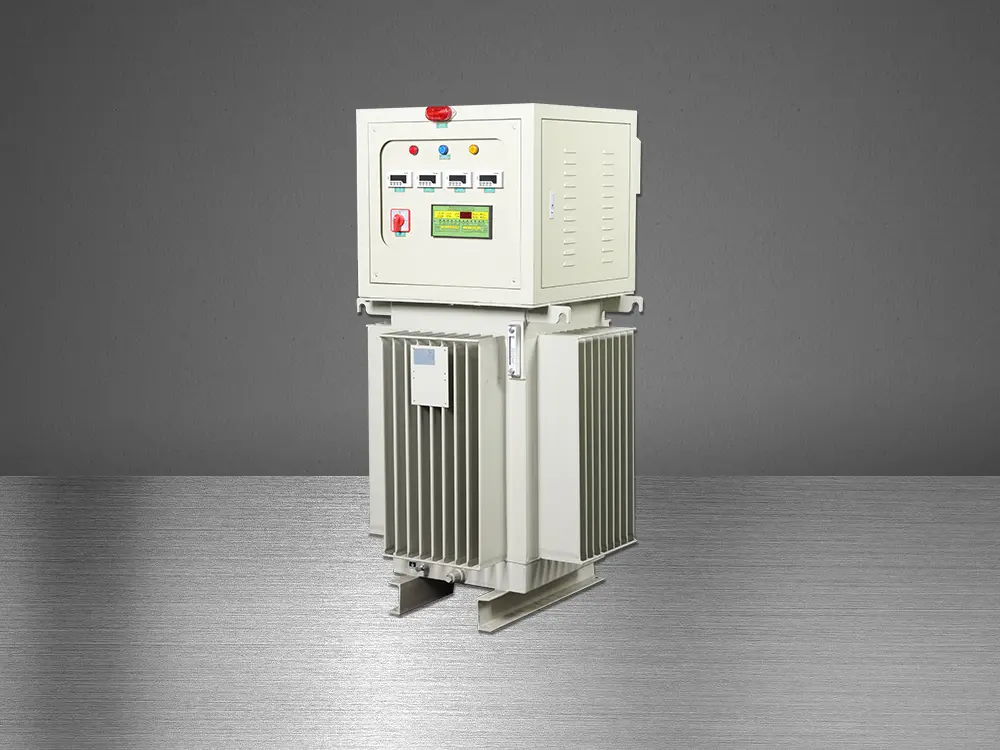 Oil Immersed Voltage Regulator