Why Is Automatic Voltage Regulation Important for Modern Electrical Systems?
Automatic Voltage Regulation (AVR) is essential for the stability of modern electrical systems. As electricity demand rises, fluctuations in voltage can lead to severe operational challenges. According to a report by the International Electrotechnical Commission, voltage stability problems affect approximately 30% of electrical grids worldwide. This underscores the pressing need for effective AVR solutions.
Renowned expert Dr. John M. Anderson, a leading figure in the AVR industry, stated, "Automatic Voltage regulation is not just a convenience; it is a necessity for ensuring the reliability of today’s power systems." His words highlight the increasing relevance of AVR to avert disruptions and equipment damage.
In practice, the consequences of inadequate voltage regulation can be significant. Equipment malfunctions, energy inefficiencies, and even risks to safety are common issues. Many companies may underestimate these risks until faced with costly outages or system failures. Thus, a comprehensive understanding of Automatic Voltage systems is crucial. The industry must not only innovate but also reflect on current practices to ensure electrical resilience.

The Concept of Automatic Voltage Regulation in Electrical Systems
Automatic voltage regulation (AVR) plays a crucial role in modern electrical systems. It ensures that voltage levels remain stable, which is vital for equipment performance. Fluctuating voltage can lead to equipment damage or inefficient performance. For example, motors and transformers require specific voltage levels to operate effectively. Without AVR, these devices might suffer from overheating or reduced lifespan.
The concept of AVR involves continuous monitoring of voltage levels in a system. Devices, like voltage regulators, adjust the output quickly. This responsive action helps maintain the desired voltage range. It operates like a thermostat, adjusting to prevent fluctuations. However, not all systems implement AVR efficiently. Some may face delays in response time, leading to potential risks.
In certain settings, reliance on AVR can create complacency. Operators might overlook necessary maintenance, assuming the system will handle all issues. This negligence can result in failures during peak demand times. Regular audits and updates are essential to maintain optimal AVR performance. Without such diligence, systems may encounter unforeseen challenges.
Importance of Automatic Voltage Regulation in Modern Electrical Systems
Automatic Voltage Regulation (AVR) plays a crucial role in modern electrical systems by ensuring consistent voltage levels, protecting equipment from damage, enhancing energy efficiency, maintaining operational reliability, and improving overall power quality. The chart above showcases the significance of various factors influenced by AVR in terms of their importance level.
Key Benefits of Automatic Voltage Regulation for Power Quality
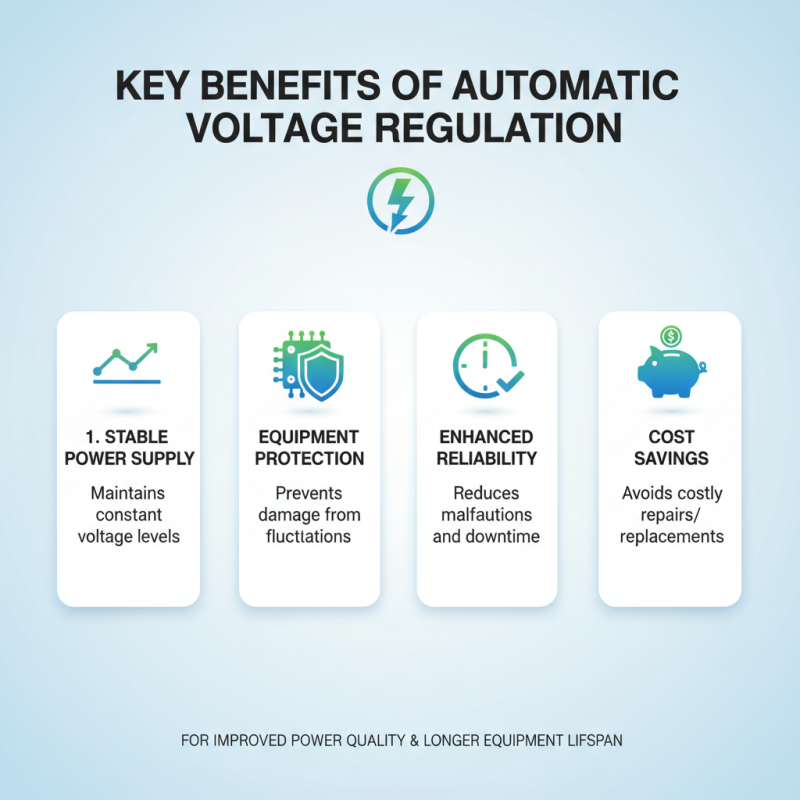
Automatic voltage regulation (AVR) plays a critical role in modern electrical systems. It ensures that voltage levels remain stable, regardless of the demand from various loads. This stability is vital for the smooth operation of equipment and appliances. Fluctuating voltages can lead to malfunctions or damage, resulting in costly repairs or replacements. AVRs help prevent these issues, making the systems more reliable.
One key benefit of AVR is improved power quality. When voltage is consistent, the performance of electronic devices is optimized. Equipment can run more efficiently, which leads to energy savings. Additionally, sensitive devices, like computers and medical equipment, rely on stable power. Any disruption can cause errors or data loss. With AVR, these risks are minimized, enhancing overall productivity.
Another advantage of automatic voltage regulation is reduced wear and tear on electrical components. Motors, transformers, and other equipment experience less stress with stable voltage levels. This longevity reduces maintenance costs over time. However, it’s essential to recognize that implementing AVR systems can require upfront investments. Balancing costs and benefits is crucial for organizations. Overall, automatic voltage regulation is a smart choice for maintaining system integrity and performance.
The Role of Automatic Voltage Regulators in Modern Infrastructure
Automatic Voltage Regulators (AVRs) play a critical role in modern infrastructure. They ensure that voltage levels remain stable despite fluctuations in demand. This stability protects sensitive equipment from damage. In manufacturing, for example, machines depend on consistent voltage to function correctly. Any deviation can lead to malfunctions, production delays, and financial losses.
AVRs automatically adjust voltage, optimizing performance. They sense changes in electrical load and respond swiftly. This real-time adjustment minimizes risks in power distribution networks. Many buildings, hospitals, and data centers rely heavily on these regulators. A sudden voltage spike can disrupt operations, leading to costly repairs. Moreover, AVRs enhance energy efficiency, reducing waste in electric systems.
However, not all systems are equipped with modern AVRs. Some older infrastructures still struggle with voltage regulation issues. These gaps leave them vulnerable to power loss and equipment failure. As our reliance on electricity grows, addressing these shortcomings is essential. Implementing state-of-the-art AVRs can significantly mitigate these risks. Investing in this technology may require reflection on budget priorities and infrastructure development strategies.
Why Is Automatic Voltage Regulation Important for Modern Electrical Systems?
| Dimension |
Details |
| Voltage Regulation |
Automatic Voltage Regulators (AVRs) stabilize voltage levels, ensuring optimal performance. |
| Power Quality |
Consistent voltage helps maintain the quality of power supply, reducing disruptions. |
| Equipment Protection |
AVRs protect sensitive equipment from voltage surges and sags. |
| System Efficiency |
By maintaining stable voltage, AVRs enhance the overall efficiency of electrical systems. |
| Regulatory Compliance |
AVRs help in meeting regulatory standards for power quality. |
| Response Time |
Modern AVRs provide rapid response to voltage fluctuations for enhanced stability. |
Challenges Faced Without Automatic Voltage Regulation
Automatic Voltage Regulation (AVR) is crucial for maintaining stability in electrical systems. Without AVR, voltage fluctuations pose various challenges. For example, systems may experience overvoltage or undervoltage conditions. The Institute of Electrical and Electronics Engineers (IEEE) reports that voltage deviations can lead to equipment failures, increasing maintenance costs by up to 30%.
The absence of effective voltage regulation impacts the performance of sensitive electronics. Devices such as servers and medical equipment require precise voltage levels. According to a study by the National Renewable Energy Laboratory, unpredictable voltage can reduce the lifespan of electrical components by 50%. Frequent disruptions also hinder operational efficiency, creating bottlenecks.
In addition, industries face financial losses due to inadequate voltage control. Research shows businesses suffer an average of $26 billion annually from power quality issues. This reality begs the question of whether existing systems truly meet modern demands. Addressing these challenges with robust voltage regulation remains imperative for future reliability.
Future Trends in Automatic Voltage Regulation Technology
Automatic Voltage Regulation (AVR) plays a critical role in the stability of modern electrical systems. As technology evolves, the demand for reliable energy sources continues to grow. Future trends in AVR technology focus on enhanced accuracy and faster response times. These improvements promise to increase system efficiency and reduce downtime.
One emerging trend is the integration of smart technologies into AVR systems. These technologies can utilize real-time data analytics to optimize voltage regulation. This capability can lead to better energy management and reduced operational costs. Moreover, advancements in machine learning are paving the way for predictive analytics, allowing systems to anticipate fluctuations in power demand.
Tips: Regular maintenance of AVR systems is essential. Frequent checks can prevent potential issues. Also, consider staff training on the latest AVR technologies. Knowledgeable personnel can make better decisions during critical voltage changes.
Balancing complexity with user-friendliness remains a challenge. While innovative features are beneficial, they can overwhelm operators. Simplifying user interfaces could enhance usability. Furthermore, ongoing research is crucial to address the gaps in current technologies. Engaging with industry experts can provide valuable insights for future developments.

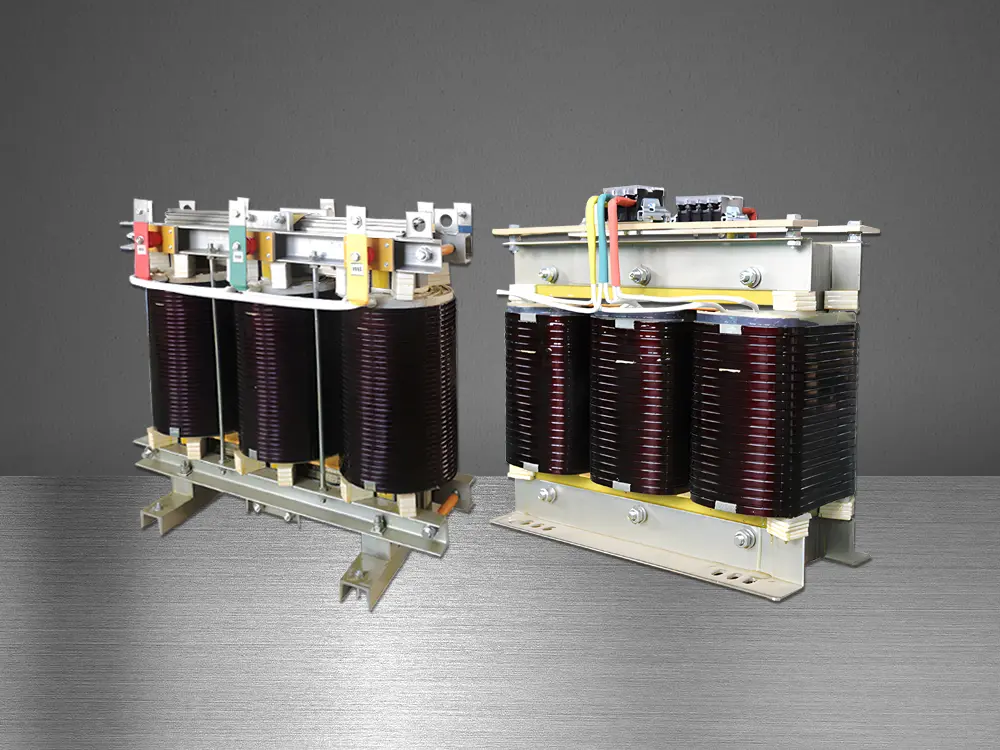 Three-Phase Isolation Transformer
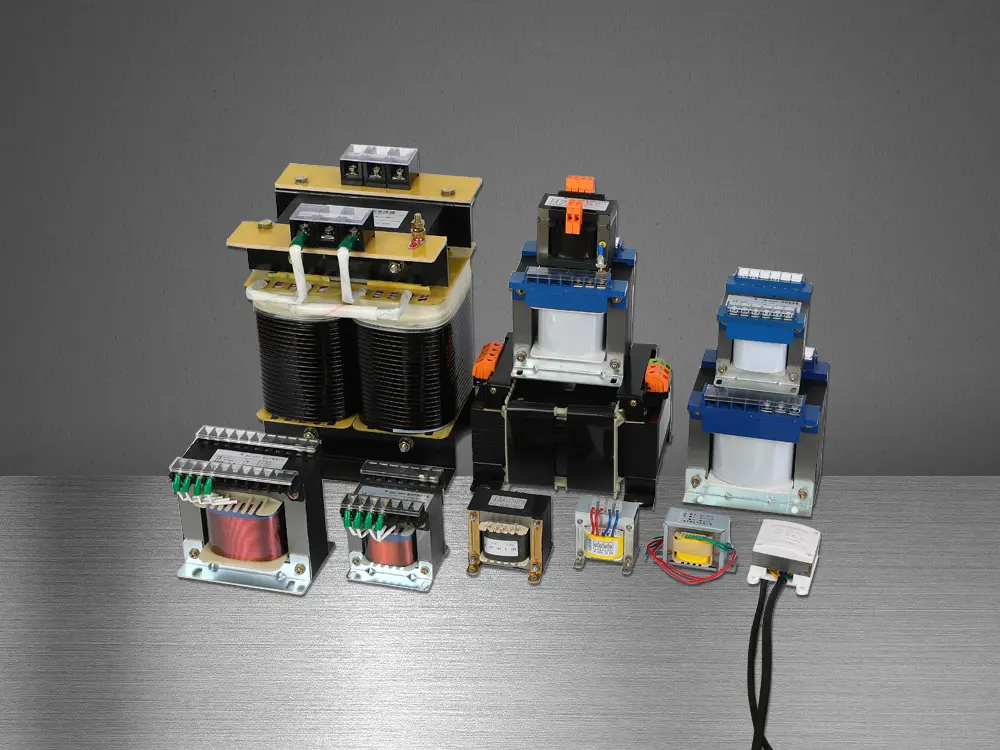 Control Transformer
 Medical IT Isolated Power System
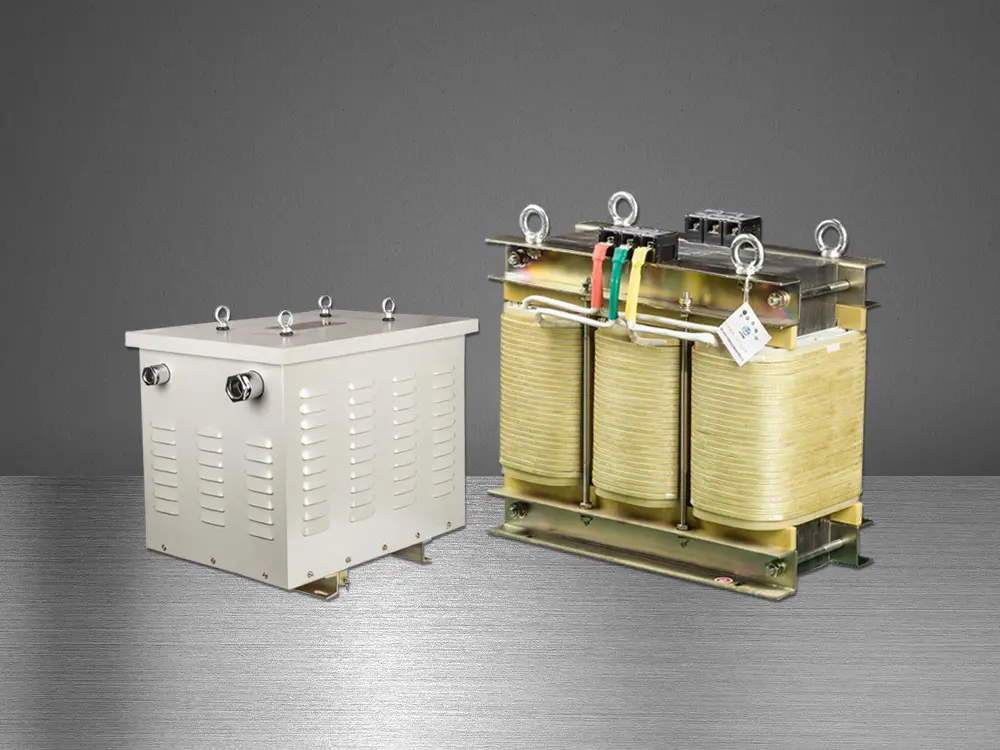 Marine Transformer
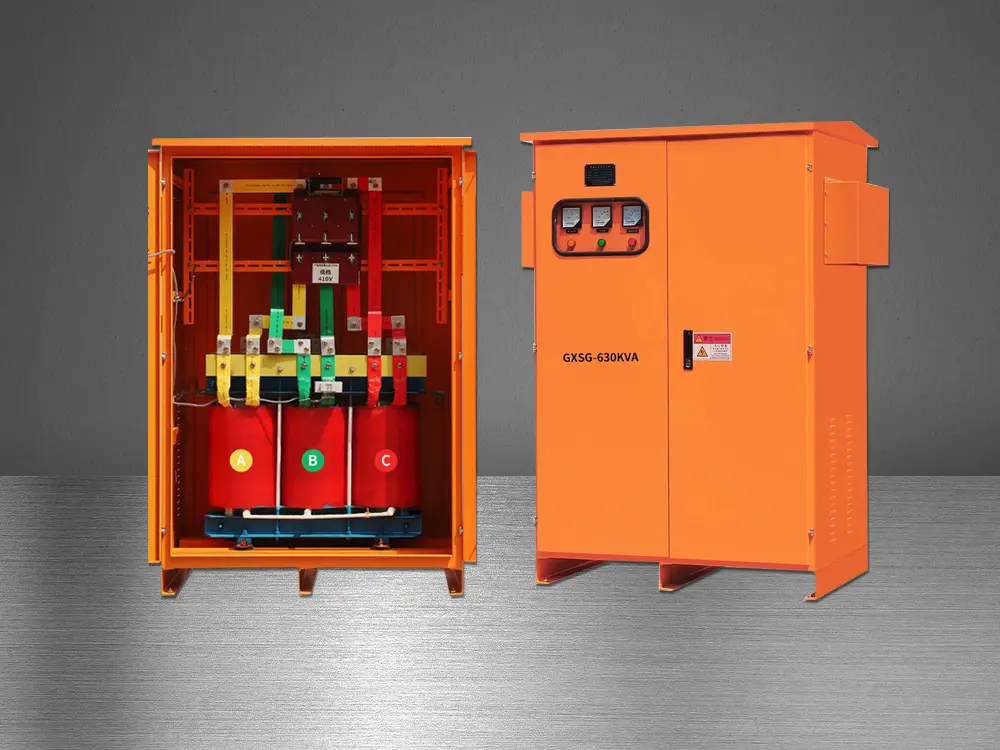 Tunnel Transformer
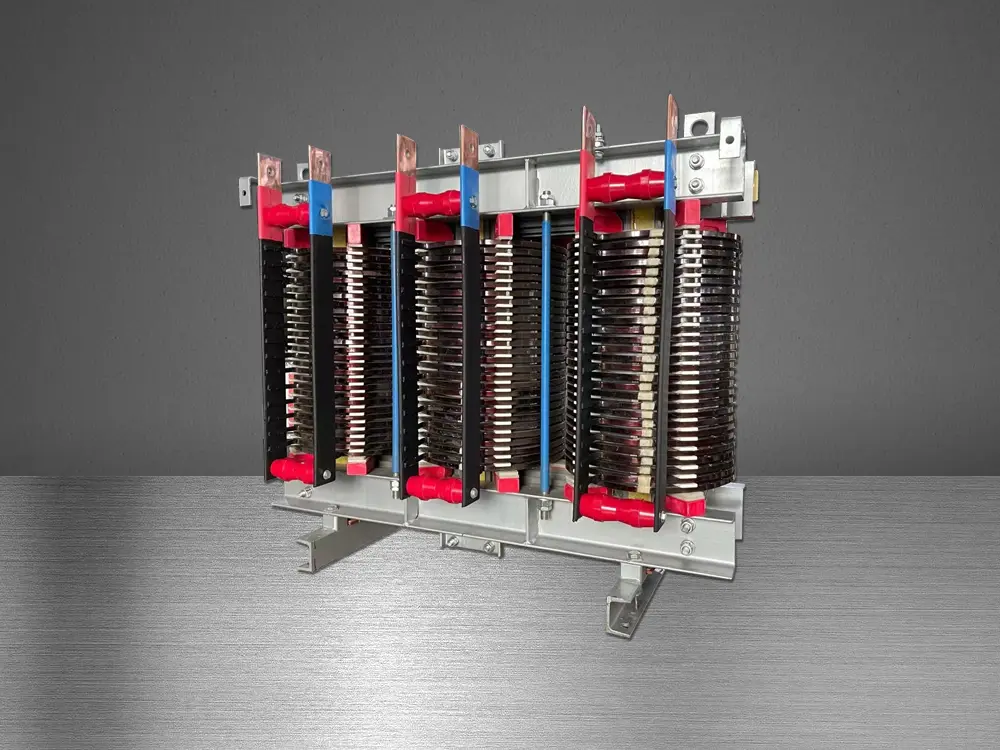 High Current Transformer
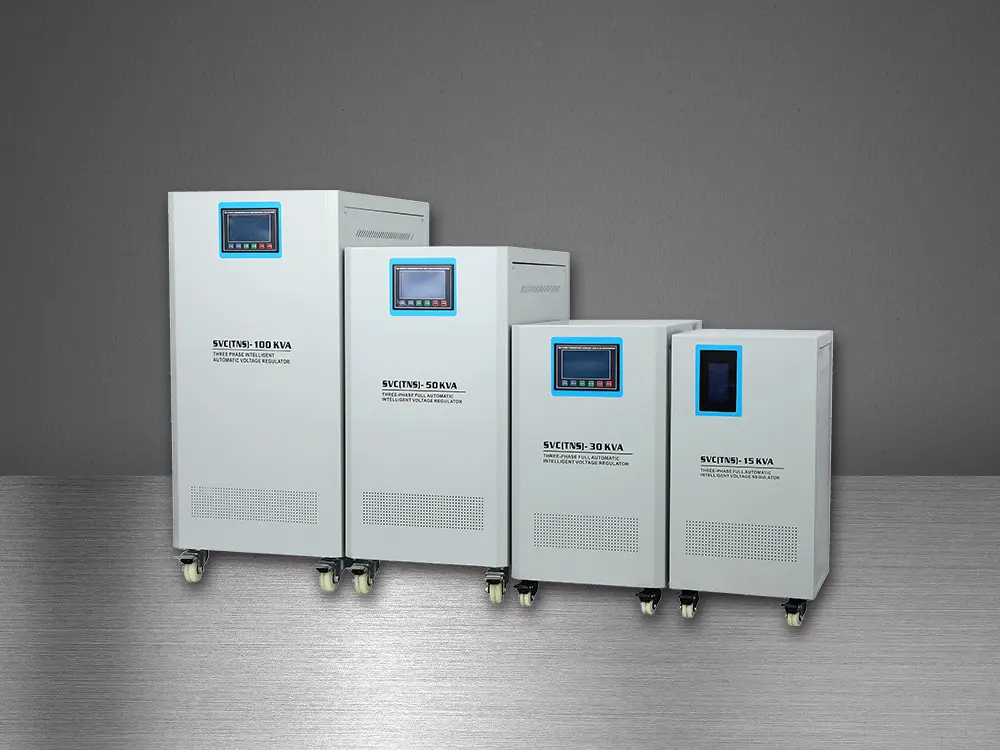 Automatic Voltage Regulator
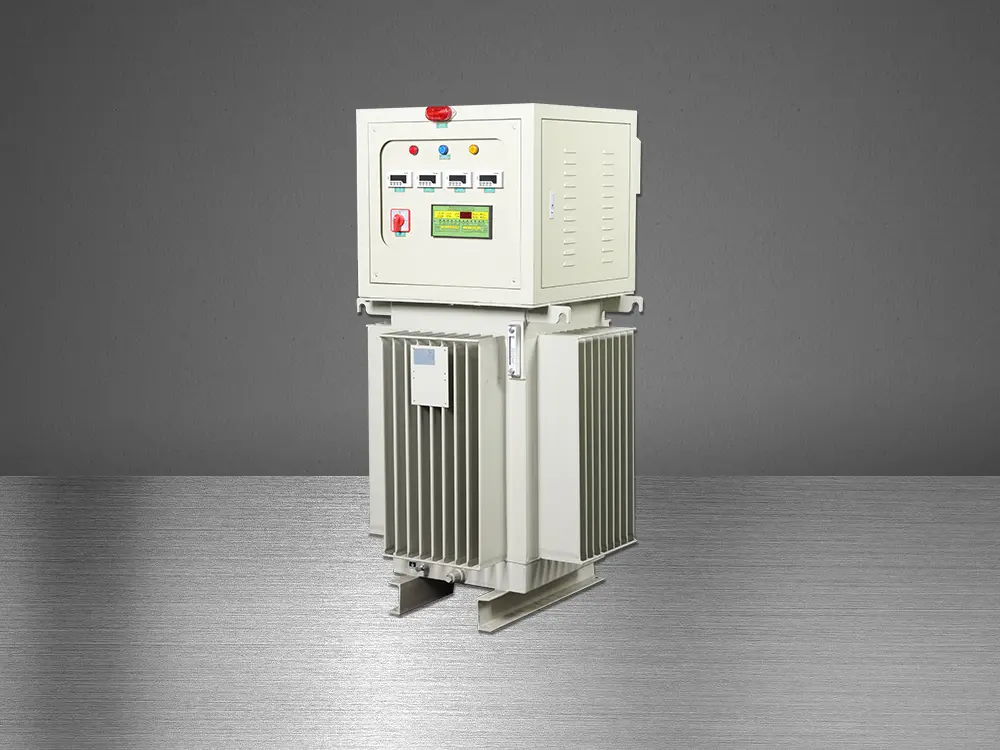 Oil Immersed Voltage Regulator