Three Phase Power Transformer Best Buying Guide for Global Buyers
When considering the purchase of a Three Phase Power Transformer, it is essential to rely on expert insights. James Anderson, a leading authority in power systems, states, "Choosing the right transformer can make or break your project." This emphasizes the importance of making informed decisions.
Three Phase Power Transformers are critical components in electricity distribution. Their efficiency can significantly impact operational costs. Buyers must consider factors such as voltage ratings, capacity, and cooling types. Each aspect plays a pivotal role in ensuring optimal performance.
However, even seasoned professionals can struggle with selections. The market features countless options, making the decision process daunting. Understanding specifications and manufacturer reliability is crucial. Buyers should not rush but reflect on their unique needs to avoid costly mistakes.
Understanding the Basics of Three Phase Power Transformers
When it comes to three phase power transformers, understanding their basics is crucial. These devices convert electrical energy from one voltage level to another in three-phase power systems. Typically used in industrial and commercial applications, they provide efficient energy transmission. Each transformer consists of three sets of windings and core structures, designed to handle a balanced load across phases.
The construction of three phase transformers involves robustness. They are built to last and can endure high operational stresses. A well-designed transformer minimizes losses and optimizes performance. However, potential buyers often overlook key specifications such as impedance and load capacity. These aspects directly influence the transformer's efficiency and suitability for specific applications.
Reflecting on selection criteria is vital for buyers. Not all transformers will meet unique power demands. Assessing factors like ambient temperature and cooling methods can lead to better long-term decisions. Sometimes, a less powerful model might suffice. Ensuring that the chosen transformer aligns with project requirements is critical to prevent future inefficiencies. Taking the time to evaluate these details pays off in the long run.
Key Specifications to Consider When Buying a Three Phase Transformer
When considering a three-phase transformer, several key specifications are critical to ensure optimal performance and reliability. The power rating, usually measured in kVA or MVA, defines the transformer's capacity. According to a recent report from the International Electrotechnical Commission, a well-chosen rating can improve efficiency by 80%. Also, the voltage levels need to match your system effectively. Mismatched voltage levels can lead to significant energy loss and potential equipment damage.
The transformer’s impedance is another aspect to consider. It impacts the voltage drop and short-circuit current during operation. A typical impedance range for three-phase transformers is between 3% to 10%. Higher impedance can protect your system from faults but may increase energy losses. It's essential to find a balance that suits your application needs.
Lastly, the cooling method is crucial for longevity and efficiency. Common methods include oil-immersed and dry-type cooling systems. Industry data indicates that properly cooled transformers can last up to 30% longer than poorly managed units. Make sure to assess the environmental conditions and operational demands before making a decision.
Comparing Different Types of Three Phase Power Transformers
When considering three-phase power transformers, it's essential to understand the various types available on the market. Each type has its unique characteristics and is suited for specific applications. For instance, delta-wye transformers are commonly used in industrial settings. They offer a balance between efficiency and cost, making them a popular choice for many facilities.
In contrast, wye-wye transformers are often utilized in high voltage applications. They provide excellent voltage regulation and output stability. However, their sensitivity to harmonics may lead to some operational challenges. Reflecting on these aspects is crucial for making an informed decision. Different installations may require distinct transformer types based on environmental and electrical demands.
Evaluating transformer design is also important. Core type transformers are usually more compact and efficient. They are advantageous in limited spaces. However, shell type transformers tend to be more robust and provide better protection against short circuits. Understanding these differences can significantly impact transformer performance in real-world scenarios.
Top Brands and Manufacturers in the Three Phase Transformer Market
In the competitive market of three-phase transformers, identifying reputable brands and manufacturers is crucial for global buyers. Quality and reliability are essential, as these transformers are vital for efficient energy distribution in various industries. Potential buyers should consider companies with a proven track record. Their experience often reflects a commitment to innovation and engineering excellence.
Not all manufacturers meet high standards. Some may compromise on material quality or customer service. Conduct thorough research to uncover user reviews and certifications. This process can reveal hidden issues or highlight outstanding companies. Engaging with industry experts can also provide valuable insight into leading brands. It’s wise to gather information from multiple sources to avoid biased recommendations.
Buyers should also assess after-sales support offered by manufacturers. Strong customer service can greatly enhance user experience and operational efficiency. Adapting to emerging technologies is becoming increasingly important. Select brands that demonstrate agility in integrating new advancements into their products. It may seem daunting at first, but taking the time to explore these factors can lead to a more informed purchasing decision.
Three Phase Power Transformer Best Buying Guide for Global Buyers
| Transformer Type |
Power Rating (kVA) |
Voltage Level (kV) |
Efficiency (%) |
Cooling Type |
Country of Manufacture |
| Dry Type |
500 |
11 |
98.5 |
Natural Air Cooling |
USA |
| Oil-Immersed |
1000 |
33 |
99.0 |
Forced Oil Cooling |
Germany |
| Cast Resin |
750 |
22 |
97.8 |
Natural Air Cooling |
China |
| Pole Mounted |
225 |
12 |
98.2 |
Natural Oil Cooling |
India |
Essential Tips for Evaluating Transformer Performance and Efficiency
When evaluating three-phase power transformers, performance and efficiency are critical factors that impact operational costs and reliability. According to the International Electrotechnical Commission, transformers can account for over 30% of a facility's energy consumption. Understanding how to assess their efficiency is vital for making informed decisions.
One essential metric is the efficiency rating, expressed as a percentage. High-efficiency transformers typically exceed 98%. However, selecting a transformer with an inferior rating may lead to significant energy wastage over its lifetime. Industry studies indicate that transformers accounting for this efficiency in design can save users up to 10% in operational costs annually. Regular monitoring of the transformer's performance can also reveal inefficiencies. Signs of excessive heating or unusual humming noises may indicate underlying issues that require attention.
In addition to efficiency, load capacity is another major consideration. Under or overloading can drastically reduce performance and lifespan. It's crucial to match the transformer rating accurately with the expected loads, as mismatches can lead to costly repairs or replacements. Many facilities underestimate these specifications, resulting in premature failures.
Moreover, reviewing lifecycle costs, including maintenance and operational performance, adds another layer to the decision-making process. Balancing these factors ensures better reliability and cost-effectiveness in the long run.

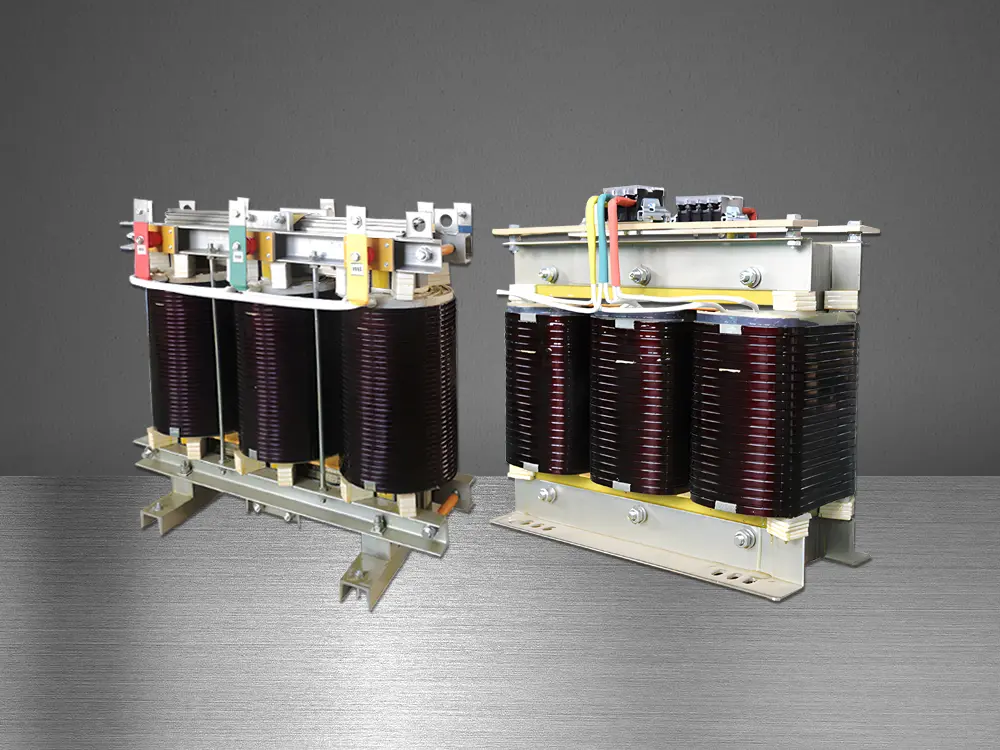 Three-Phase Isolation Transformer
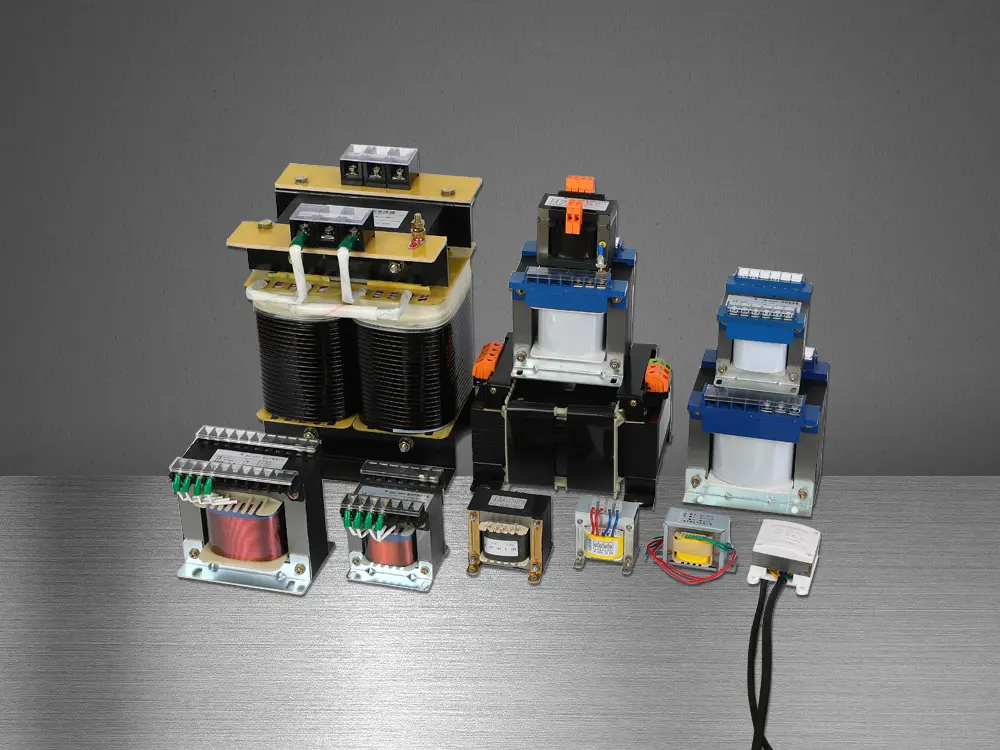 Control Transformer
 Medical IT Isolated Power System
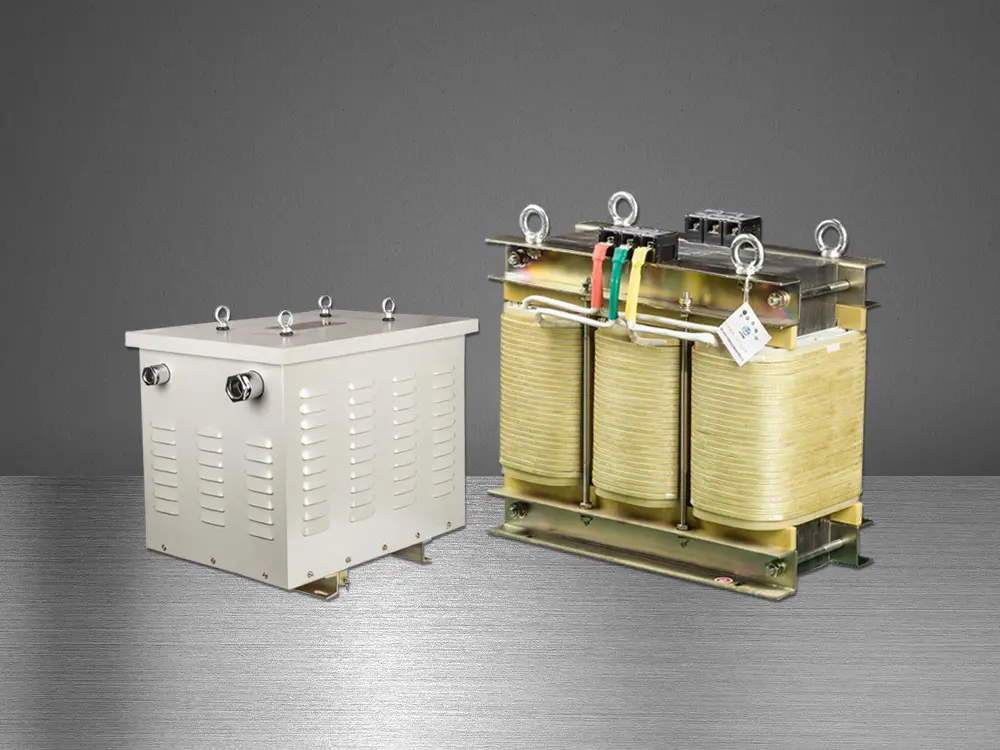 Marine Transformer
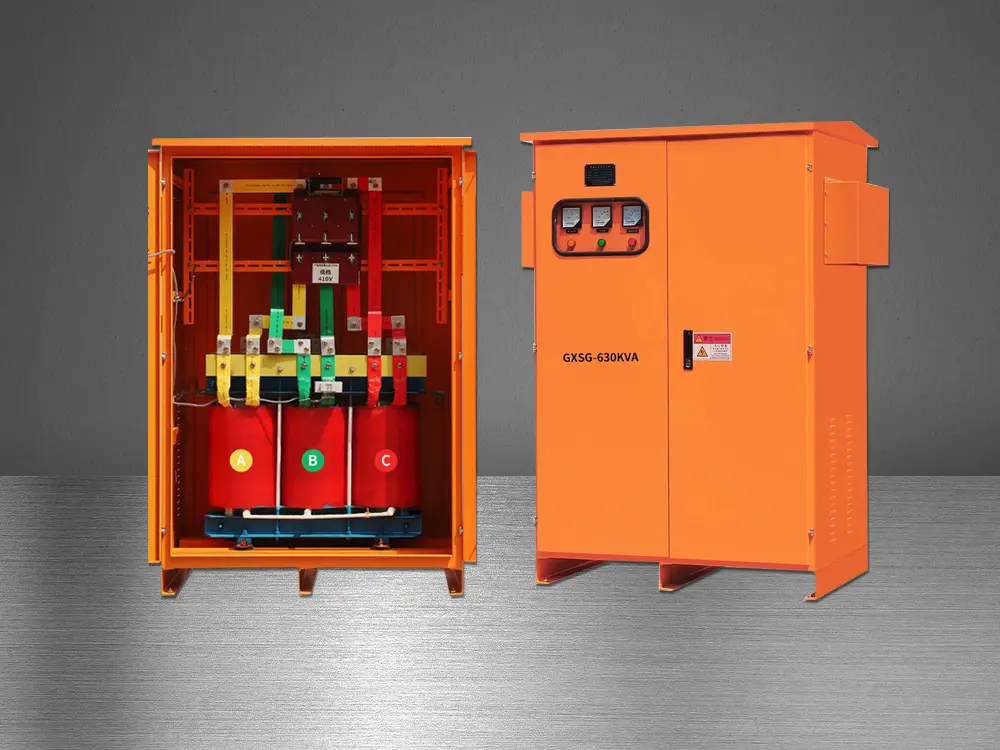 Tunnel Transformer
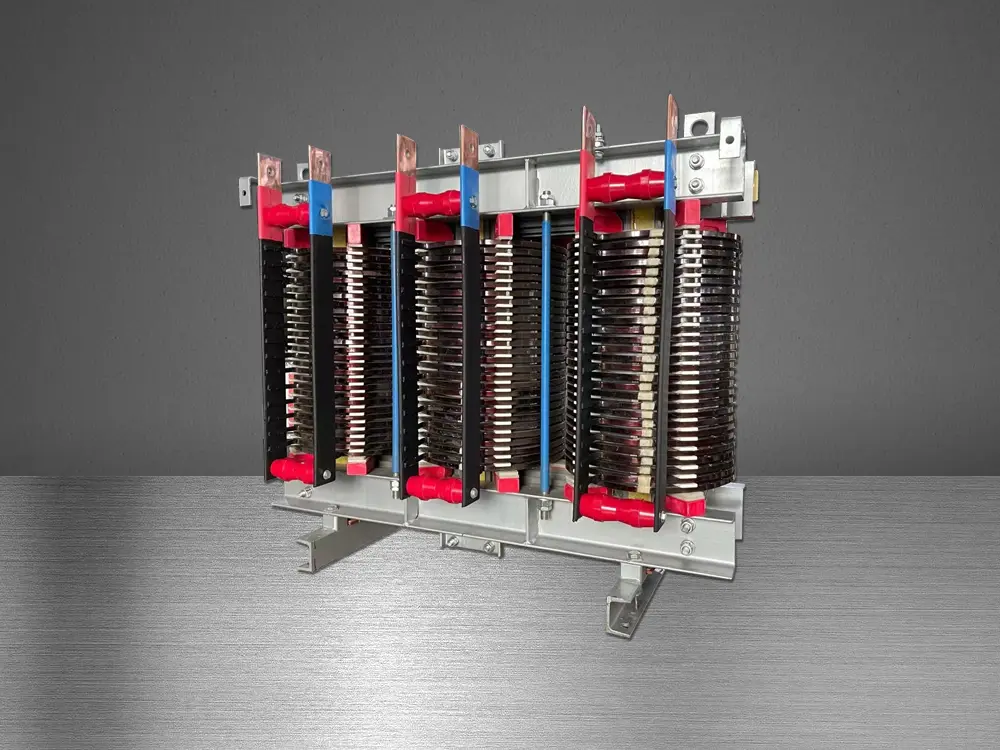 High Current Transformer
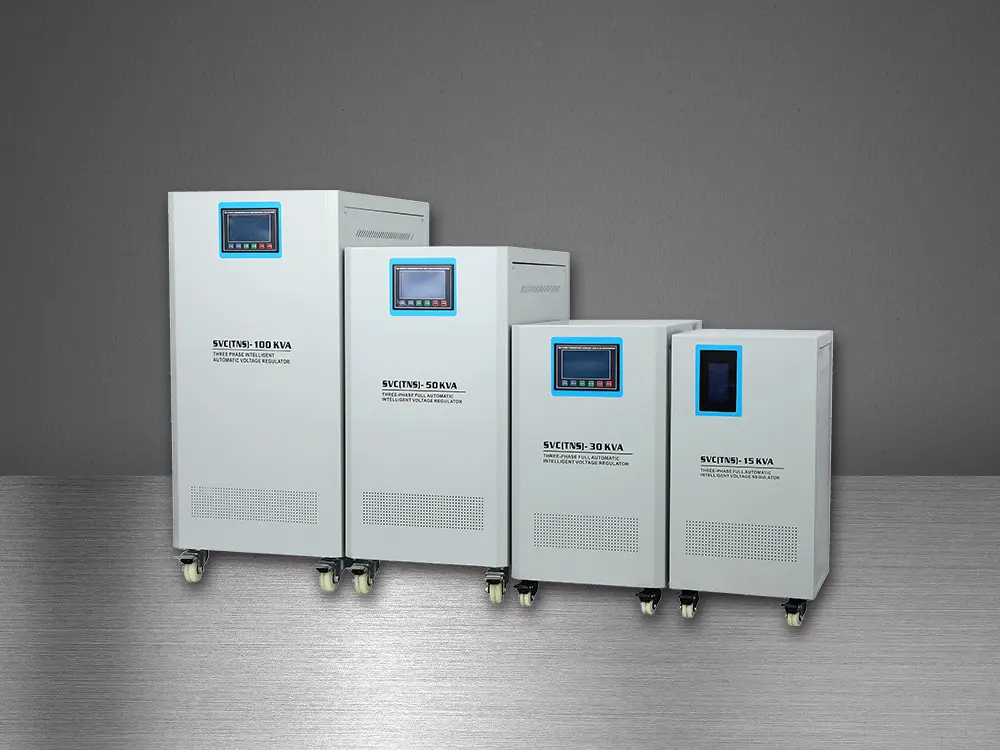 Automatic Voltage Regulator
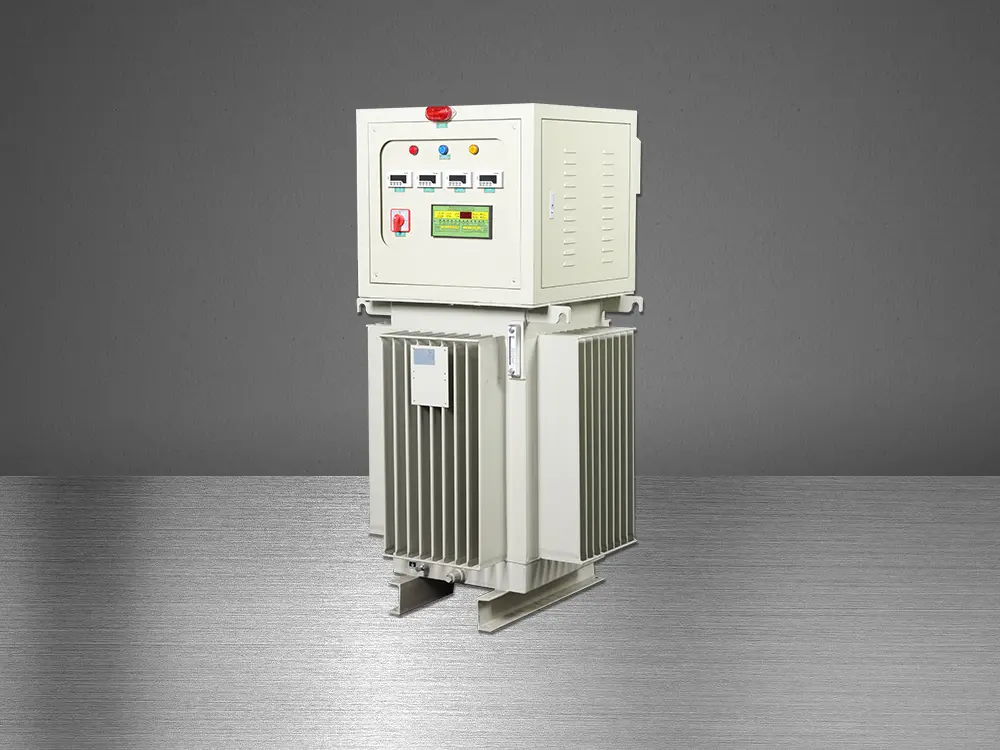 Oil Immersed Voltage Regulator