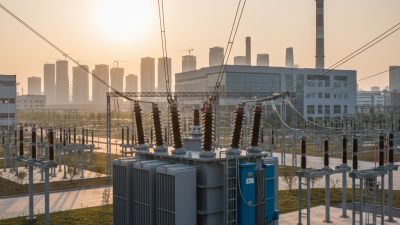
How to Choose a High Voltage Current Transformer in 2026?
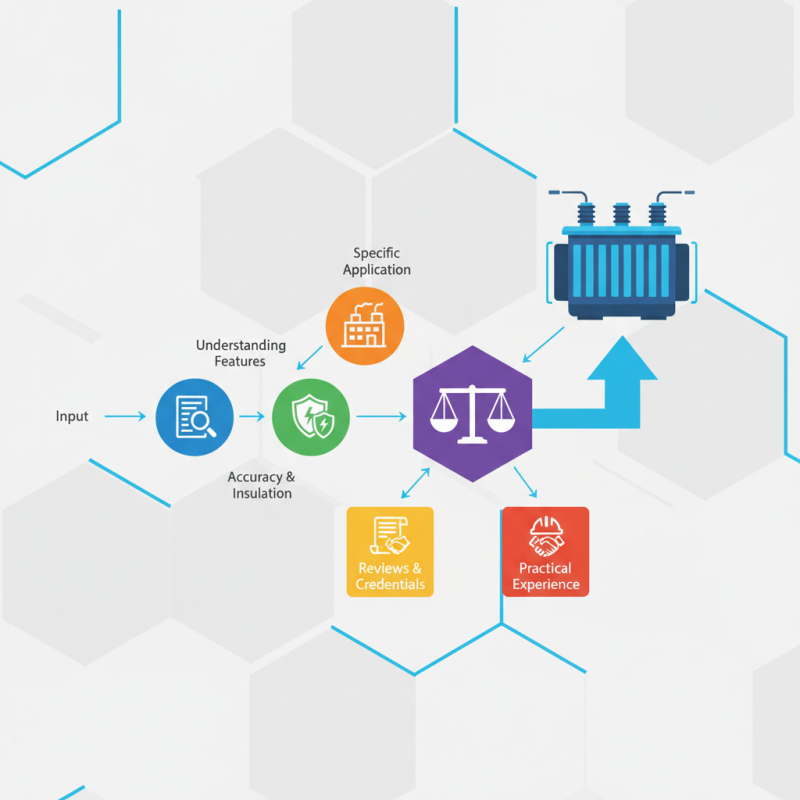
Selecting the right High Voltage Current Transformer is crucial for electrical systems. In 2026, the market offers various options, each with unique characteristics. Understanding these features is essential for making an informed choice.
High Voltage Current Transformers can vary significantly in design and functionality. Factors like accuracy and insulation levels play a crucial role. It's vital to consider the specific application, whether it’s for grid systems or industrial setups. Many users overlook these details, leading to potential performance issues.
Evaluating the quality and reliability of different models requires careful analysis. Reviews and manufacturer credentials provide insights into their expertise. Moreover, practical experience in the field can highlight common pitfalls or advantages with certain transformers. This reflection can guide you toward a better decision.
Understanding the Basics of High Voltage Current Transformers in 2026
High voltage current transformers (HVCTs) play a critical role in electrical systems, especially in
2026. These devices help in measuring electrical currents in high voltage settings, ensuring
safety and reliability. Understanding their basics is essential
for professionals in this field. Recent industry reports indicate that the demand for HVCTs is expected to grow
significantly, with a projected market increase of around 8% annually.
Selecting the right HVCT requires knowledge of several key factors.
Accuracy in measurement, insulation levels, and thermal performance are crucial. For instance, a study
from the International Electrotechnical Commission highlighted that improper selection can lead to
inefficiencies, potentially increasing operational costs by 15%. Additionally, understanding
the application environment—such as temperature fluctuations and humidity—can influence the choice of materials
and designs.
The technology is evolving, and recent advancements demonstrate a shift towards more compact and efficient designs.
However, not all innovations may be appropriate without careful consideration. It’s vital to evaluate
whether new features align with your specific requirements. Focusing on established standards rather than chasing all
trends may lead to better decision-making. Balancing innovation with proven reliability is key in ensuring long-term
performance and sustainability in high voltage applications.
Key Specifications to Consider for High Voltage Current Transformers
When selecting a high voltage current transformer (HVCT), understanding key specifications is vital. One must consider the transformer’s ratio, burden, and insulation level. The ratio indicates the scaling of the primary current to the secondary current. Choosing the right ratio ensures accurate measurement and protection. It directly affects system performance and reliability.
Burden refers to the load connected to the secondary winding. A suitable burden is essential for maintaining efficiency. If the burden is too high, measurement errors may occur. It's crucial to balance these parameters based on the application. Be mindful that incorrect burden settings often lead to underperformance.
Insulation level is another critical specification. It ensures safety and longevity in various environments. Higher insulation ratings are necessary for extreme conditions. However, achieving the right insulation level without compromising cost can be challenging. Regular evaluation of insulation performance is advisable to prevent failures.
Assessing Thermal and Electrical Ratings for Optimal Performance
Choosing a high voltage current transformer requires careful consideration of thermal and electrical ratings. These ratings directly influence performance and reliability. Understanding the thermal rating is essential. It reflects the transformer's ability to withstand heat generated by electric currents. High heat can degrade performance and lifespan.
Electrical ratings reveal the transformer's capability to handle voltage and current levels. Selecting a transformer that matches system requirements is crucial. Oversizing can lead to inefficiencies, while undersizing brings risks of failure. It's a delicate balance. Attention to these details, coupled with installation conditions, affects overall effectiveness.
Not all transformers perform equally. Real-world testing often shows discrepancies in manufacturer claims. Regular assessments and adjustments may be necessary. Continuous learning about industry advancements plays a key role in making informed decisions. Keep an eye on emerging technologies that could enhance safety and efficiency.
Evaluating Accuracy Class and Burden in High Voltage Current Transformers
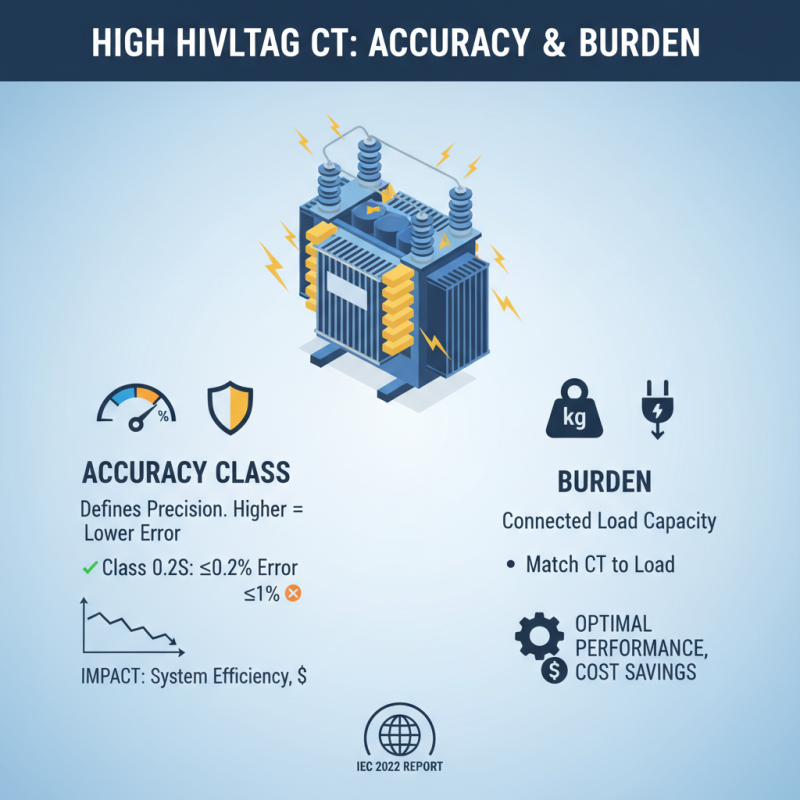
When choosing a high voltage current transformer, evaluating the accuracy class and burden is crucial. The accuracy class defines the transformer's precision. A transformer with a higher accuracy class ensures minimal measurement errors, critical for power measurements in high voltage systems. According to a 2022 report by the International Electrotechnical Commission, a Class 0.2S transformer can offer accuracy within 0.2%, whereas a Class 1 transformer may have a tolerance of 1%. This can significantly impact system efficiency and operational costs.
The burden on a transformer refers to the load it must support while maintaining accuracy. It's measured in ohms and is essential for reliable performance. If the burden is too high, the transformer may not function optimally, leading to inaccurate readings. A study by the IEEE indicates that underestimating burden can result in 5-10% more measurement errors. This has real-world implications for grid management and energy distribution.
Tips: Ensure the transformer’s accuracy class aligns with your application needs. Assessing the burden ensures that the transformer operates within its optimal range. Regular performance audits can also help in determining the effectiveness of your current transformers. Test rigorously and review specifications often, as this will lead to better decision-making.
Impact of Environmental Conditions on High Voltage Transformer Selection
Choosing a high voltage current transformer in 2026 requires careful consideration. Environmental conditions play a pivotal role in transformer selection. Factors such as humidity, temperature, and pollution levels can significantly impact performance and reliability. A transformer must withstand local conditions to function efficiently and safely over its lifespan.
When operating in high humidity, moisture can lead to insulation failures. Hence, opt for transformers designed with enhanced sealing. Elevated temperatures can also affect the operational lifespan of insulation materials. Consider devices rated for higher thermal environments to ensure longevity.
**Tips:** Conduct a thorough site assessment. Evaluate temperature fluctuations and contamination levels. Use this data to guide your transformer selection. Always consult with experts to validate your choices. A reliable advisor can help you navigate complex specifications. Remember, anticipating environmental challenges can save costs in the long run.
High Voltage Current Transformer Selection Factors in 2026

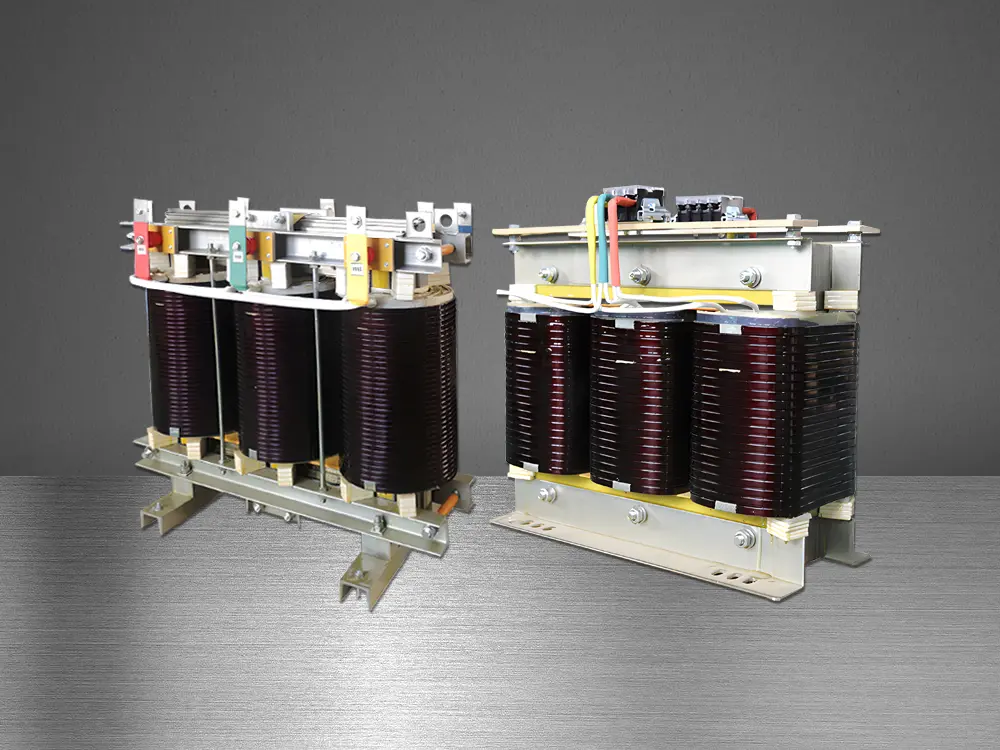 Three-Phase Isolation Transformer
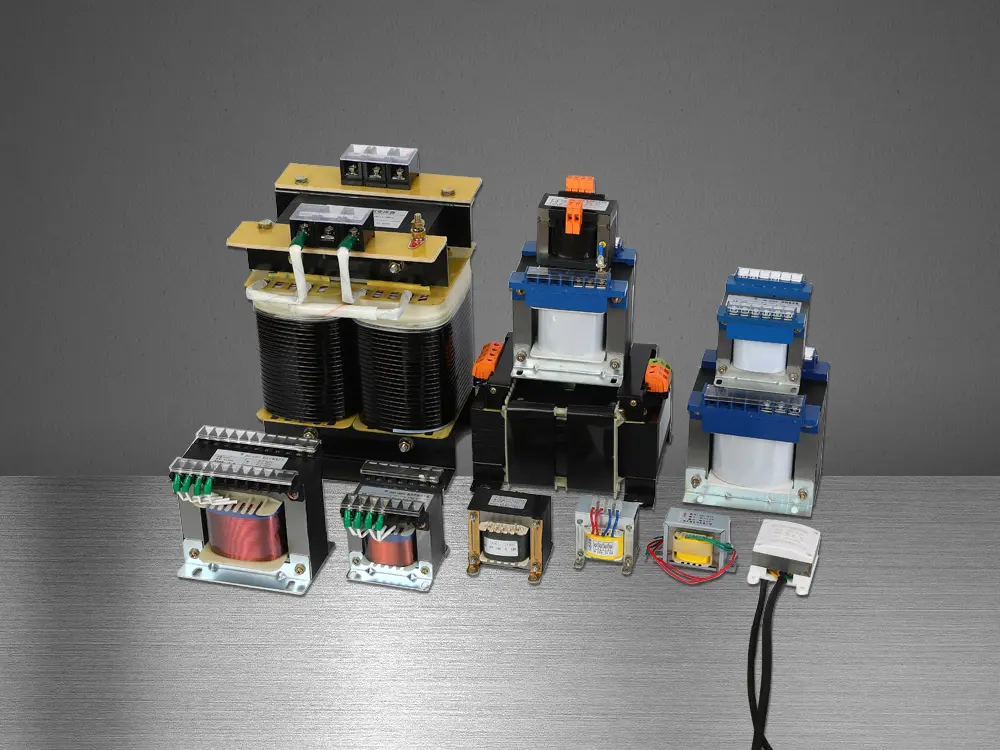 Control Transformer
 Medical IT Isolated Power System
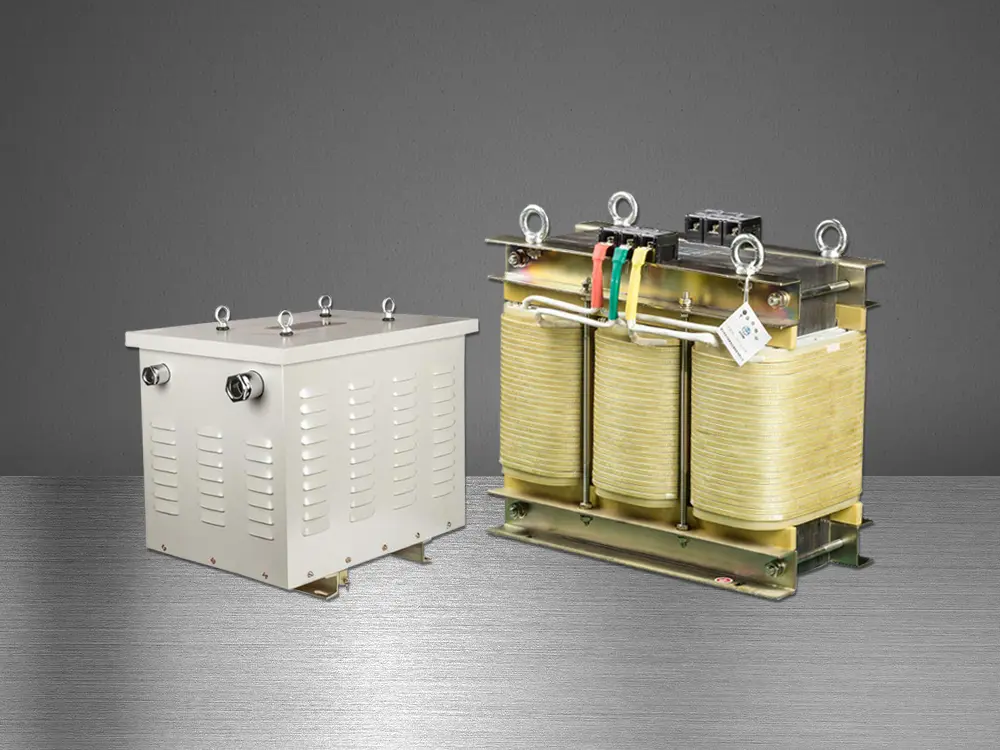 Marine Transformer
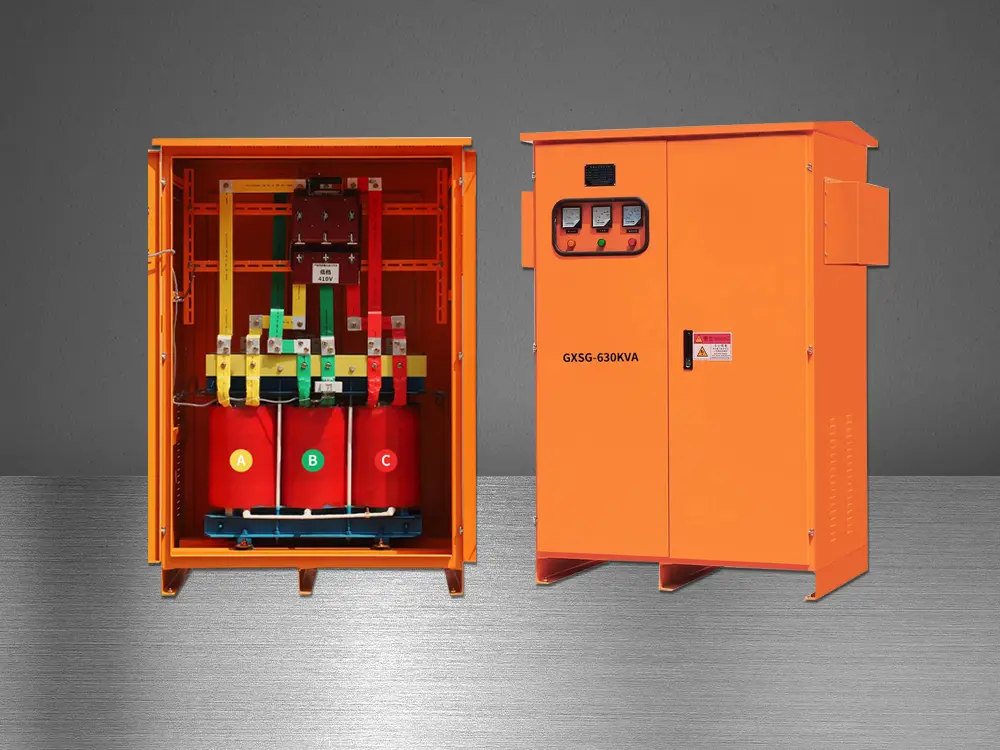 Tunnel Transformer
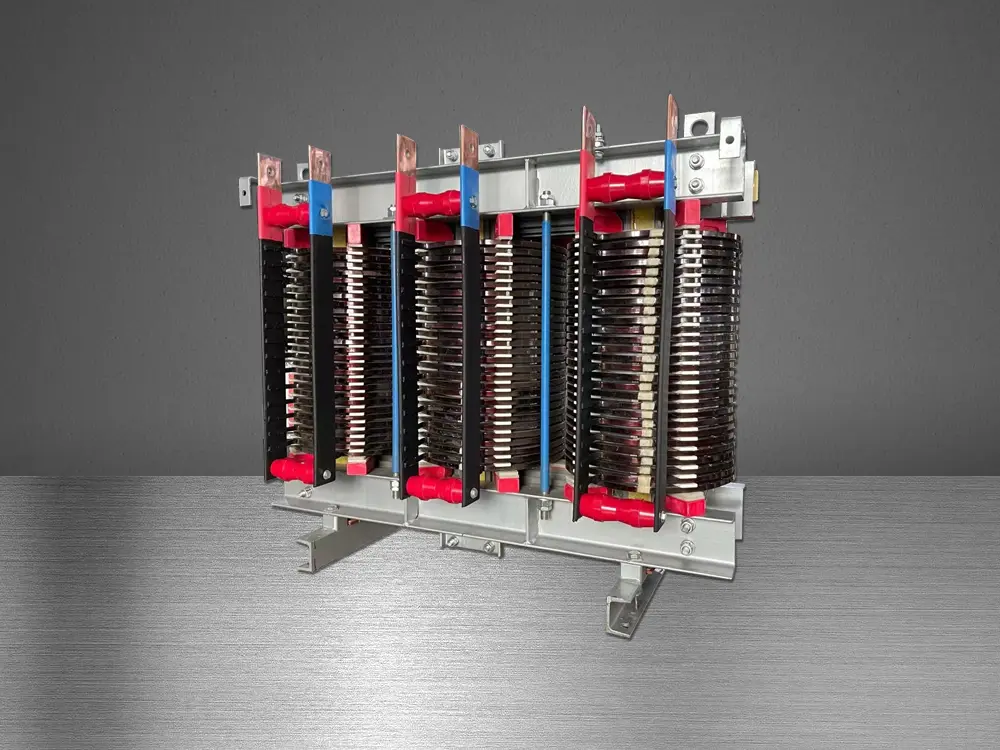 High Current Transformer
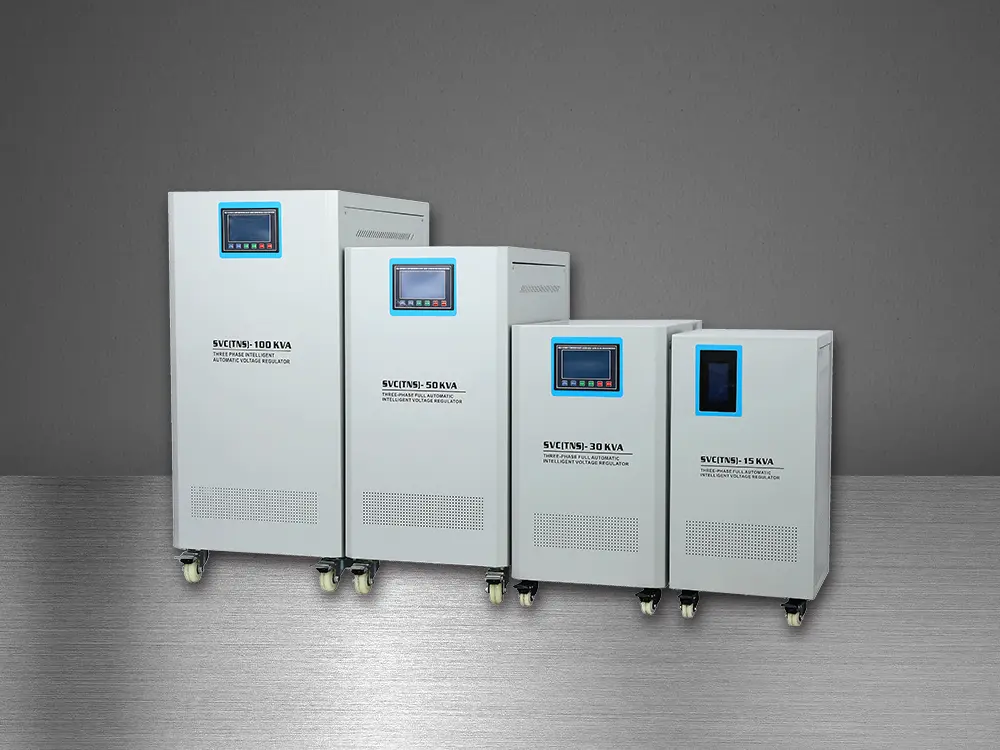 Automatic Voltage Regulator
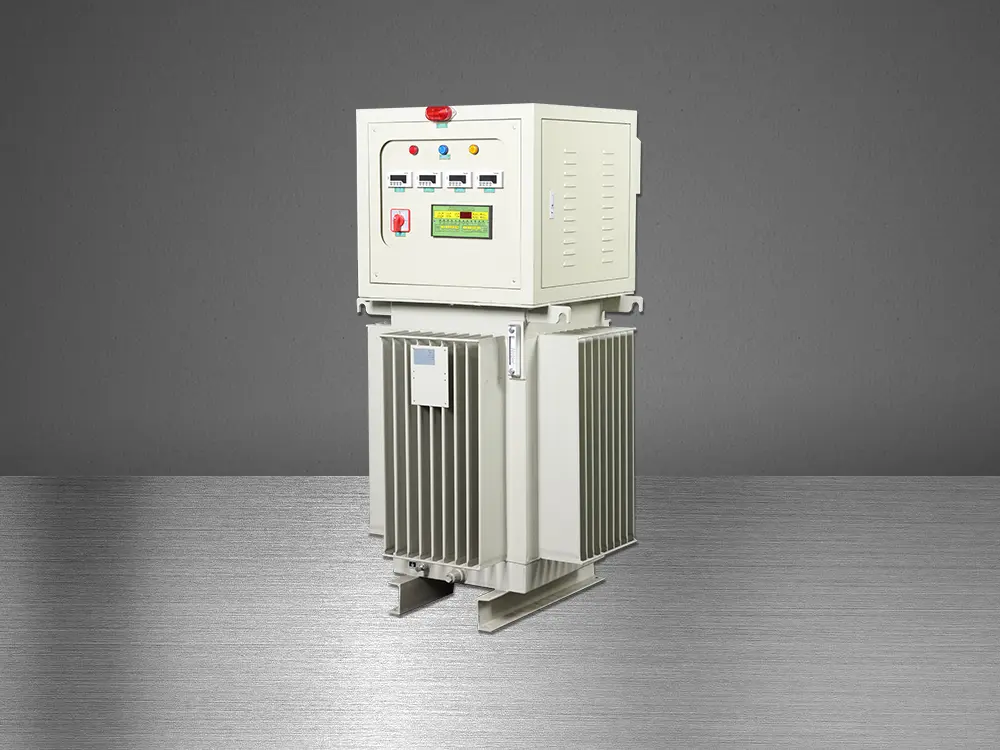 Oil Immersed Voltage Regulator