Top 10 Benefits of Using Three Phase Isolation Transformers?
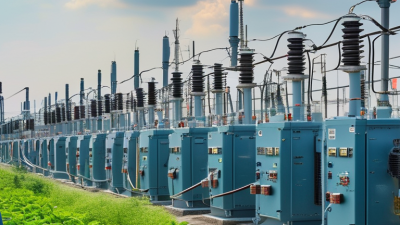
In today's industrial landscape, the use of a Three Phase Isolation Transformer is becoming increasingly important. According to the U.S. Department of Energy, optimal power quality can lead to a significant reduction in energy costs. Three Phase Isolation Transformers provide this quality by reducing harmonic distortion and improving voltage stability.
These transformers not only enhance system reliability but also protect sensitive equipment from voltage spikes and surges. The need for protective solutions is underscored by a report from the International Electrotechnical Commission, which states that over 30% of electrical failures stem from electrical disturbances. By employing a Three Phase Isolation Transformer, industries can mitigate these risks effectively.
Moreover, advancements in technology make these transformers more efficient and compact. However, some users report challenges in properly sizing and integrating these transformers into existing systems. Documentation and expert consultation are essential to maximize their benefits. Understanding these factors can lead to enhanced operational efficiency and lower maintenance costs in the long run.
Overview of Three Phase Isolation Transformers
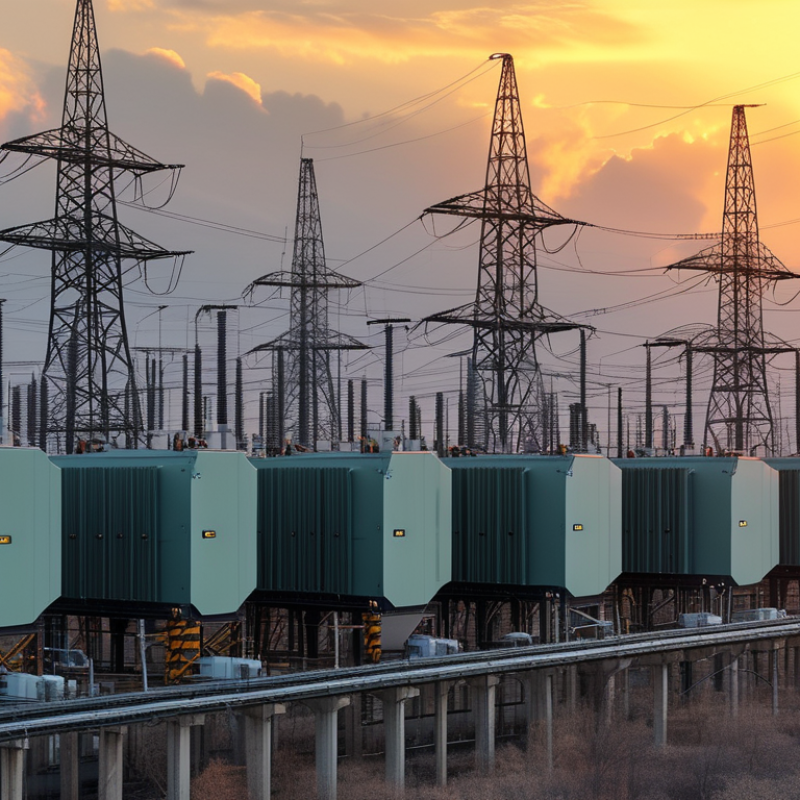
Three phase isolation transformers are essential in many industrial and commercial applications. They provide a way to separate electrical systems while maintaining power efficacy. This separation helps to protect sensitive equipment from electrical noise and surges. These transformers also improve safety by isolating the power circuit from the user. Operating in environments with high electrical demands, they deliver consistent voltage levels. Their robust design ensures durability under tough conditions.
One of the notable advantages is improved energy efficiency. They minimize losses during energy transfer. Many facilities report a drop in energy costs after installation. Additionally, three phase isolation transformers are scalable. This flexibility allows adjustments to varying load demands. However, maintenance of these systems is crucial; delays can lead to operational failures.
Consider that while these transformers enhance safety, they are not fail-proof. Regular inspections are necessary to identify potential issues. Investing in high-quality transformers can prevent costly repairs in the long run. Always consult with a professional for optimal placement and configuration.
Enhanced Electrical Safety with Isolation Transformers
Isolation transformers play a critical role in enhancing electrical safety. By providing a barrier between the power source and the connected equipment, they significantly reduce the risk of electrical shock. In environments where sensitive devices operate, this added protection is invaluable. Isolation transformers help prevent short circuits by isolating electrical systems, allowing safe operation even if a fault occurs.
The design of these transformers ensures that electrical noise is minimized. This leads to improved performance of electronic devices that require clean power. Reduced electrical interference can enhance the lifespan of sensitive equipment, which translates to less downtime and lower maintenance costs. In industrial settings, users must reflect on how often equipment failures can be attributed to electrical noise. Investing in a quality isolation transformer offers peace of mind, especially in critical applications.
However, not all transformers are created equal. Users need to evaluate their specific needs before making a choice. Sometimes, system complexities may arise as users try to integrate these devices into existing setups. Understanding the limits and capabilities of isolation transformers is essential. Electrical safety is paramount, but achieving it requires careful consideration and knowledge of the technology.
Top 10 Benefits of Using Three Phase Isolation Transformers
| Benefit |
Description |
Impact |
| Enhanced Safety |
Reduces the risk of electric shock by isolating the supply from the load. |
Higher worker safety and reduced liability. |
| Improved Power Quality |
Filters out noise and harmonics, leading to cleaner power. |
Increased equipment lifespan and efficiency. |
| Voltage Regulation |
Maintains constant voltage levels despite load changes. |
Stable operation of sensitive electronic equipment. |
| Reduces Ground Faults |
Minimizes the chance of ground fault conditions. |
Improved overall system protection. |
| Low Harmonic Distortion |
Significantly reduces harmonic distortion in power systems. |
Enhanced performance and efficiency of connected devices. |
| Electrical Isolation |
Provides a barrier between input and output circuits. |
Protects sensitive equipment from surges. |
| Increased System Reliability |
Enhances reliability due to better fault tolerance. |
Reduced downtime and maintenance costs. |
| Cost-Effectiveness |
Lower operating costs due to efficiency and power quality improvement. |
Long-term savings on energy bills. |
| Scalability |
Easily adaptable to different system sizes and needs. |
Flexibility in future upgrades and installations. |
| Environmental Protection |
Lower emissions by improving energy efficiency. |
Promotion of a sustainable and green energy approach. |
Improved Equipment Longevity Through Voltage Regulation
Three-phase isolation transformers enhance equipment longevity significantly. This improvement often stems from their ability to regulate voltage effectively. Voltage fluctuations can lead to wear and tear on electrical components. According to industry reports, up to 80% of equipment failures are linked to electrical disturbances. Implementing three-phase isolation transformers can mitigate these risks.
These transformers isolate sensitive equipment from electrical noise and transients. A study by the Institute of Electrical and Electronics Engineers indicates that proper isolation can increase the lifespan of machinery by up to 30%. This is achieved through minimized voltage spikes, thus reducing the frequency of costly repairs. However, users must also consider proper installation and maintenance practices.
Many facilities neglect the importance of transformer sizing. Choosing the wrong size can lead to inefficiencies and equipment damage. Continuous monitoring of voltage levels is essential. Not every setting reflects ideal operating conditions, leading to misunderstandings about transformer performance. Regular assessments can reveal areas needing improvement, ensuring that voltage regulation works as intended.
Reduction of Electrical Noise and Interference
The use of three-phase isolation transformers can significantly reduce electrical noise and interference. This type of transformer separates electrical systems, enhancing equipment performance and longevity. According to the Electrical Engineering Handbook, approximately 70% of electrical disturbances originate from external sources. Isolation transformers can shield sensitive electronic devices from these disturbances.
Noise in electrical systems can lead to equipment malfunction. Studies indicate that electrical noise can degrade signal integrity by up to 40%. By incorporating three-phase isolation transformers, businesses can safeguard their operations. Many industrial sectors report reduced downtime and lower maintenance costs, emphasizing the value of these transformers. Reliable data from industry reports highlight that companies using isolation techniques experience a 20% improvement in productivity.
Implementing these transformers can sometimes lead to unexpected challenges. The initial installation cost may deter some organizations. However, considering the long-term benefits, the investment can yield substantial returns. While these transformers excel in noise reduction, they require careful evaluation to ensure suitability for specific applications. Understanding your system's needs is crucial for optimal performance.
Cost Savings and Efficiency Benefits in Industrial Applications
Three-phase isolation transformers are vital in industrial settings. They help enhance power efficiency and reliability. By reducing energy losses, these transformers can lead to significant cost savings. Industry reports suggest that using such transformers can decrease operational costs by up to 15% annually.
In addition, they improve power quality. This is crucial for sensitive equipment. A consistent power supply can prevent costly downtime. Studies indicate that maintaining voltage stability can save up to 20% in maintenance costs. While these figures are promising, proper installation and regular maintenance are essential for achieving optimal results.
Another aspect to consider is energy consumption. Adopting these transformers often requires an initial investment. However, the long-term savings can outweigh these costs. The overall efficiency of a manufacturing facility may improve by at least 10%. Balancing upfront expenses with future savings often requires careful analysis. These decisions can significantly impact the bottom line in competitive markets.
Top 10 Benefits of Using Three Phase Isolation Transformers

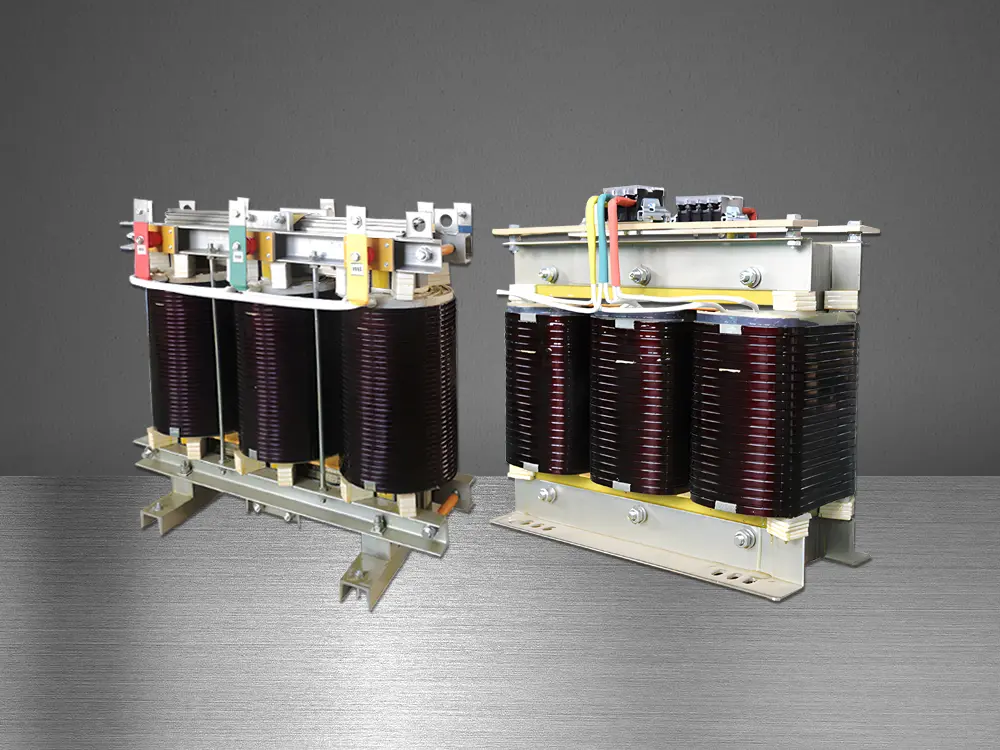 Three-Phase Isolation Transformer
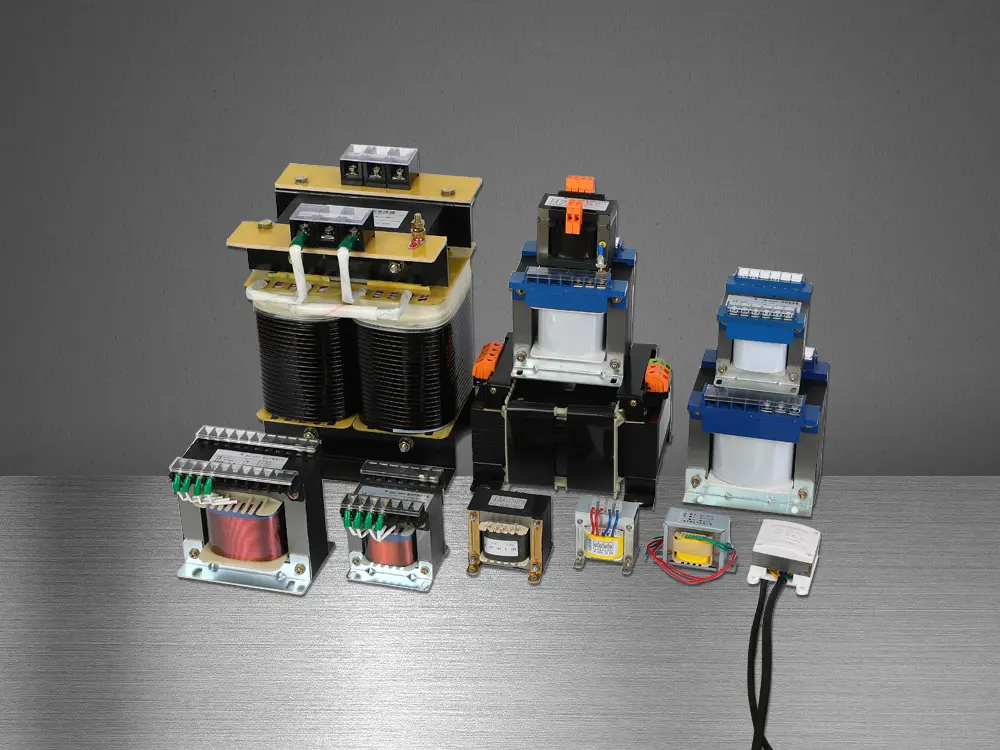 Control Transformer
 Medical IT Isolated Power System
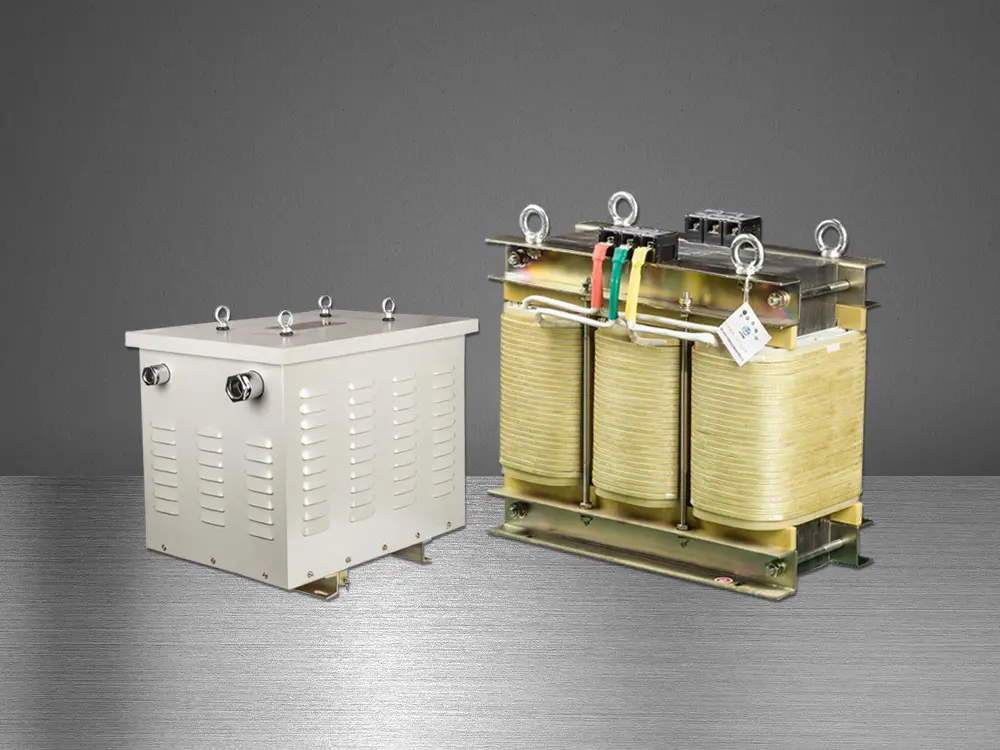 Marine Transformer
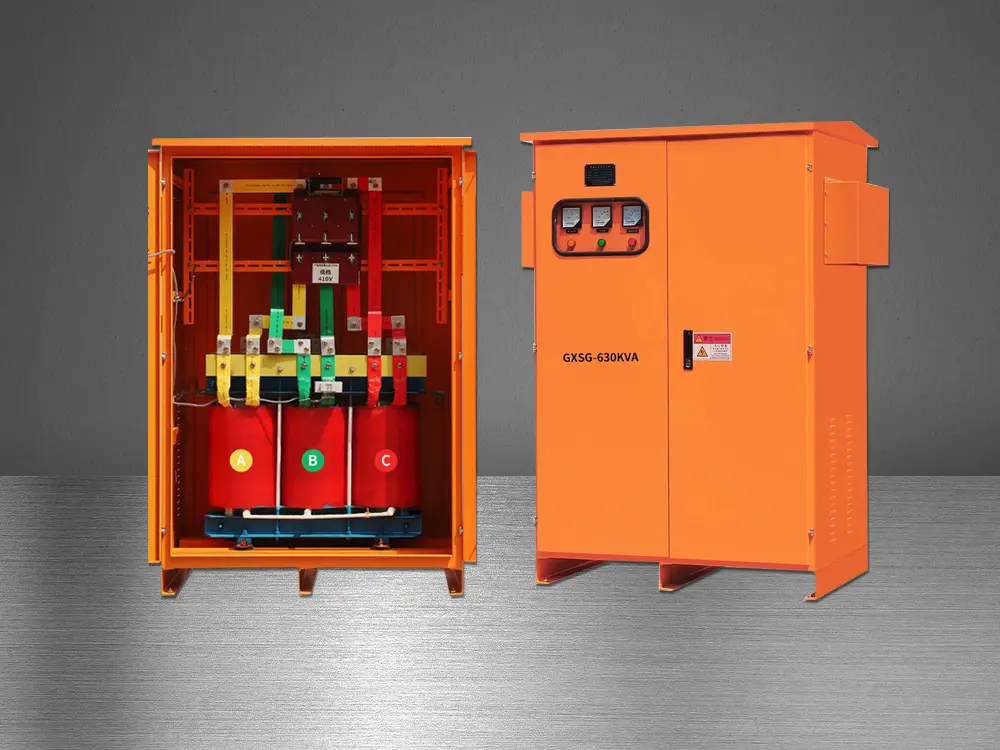 Tunnel Transformer
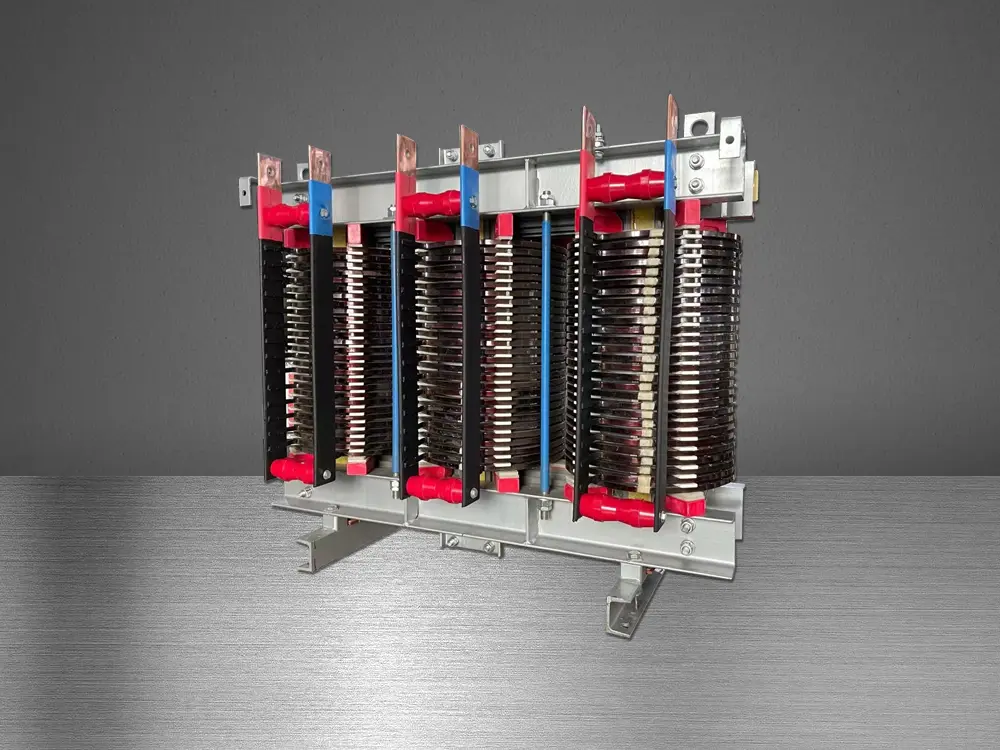 High Current Transformer
 Automatic Voltage Regulator
 Oil Immersed Voltage Regulator