How to Choose the Right High Voltage Current Transformer for Your Needs?
Choosing the right High Voltage Current Transformer is crucial for electrical systems. It directly affects performance and safety. With various types available, the selection process can be overwhelming. Key factors determine the best fit for your needs, such as voltage levels, current ratings, and application types.
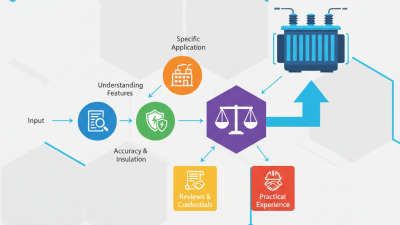
Understanding these factors requires expertise and awareness of your specific applications. High Voltage Current Transformers are not one-size-fits-all. They must align with your operational demands. Decisions made without proper knowledge can lead to inefficiencies.
Inadequate specifications may pose risks to equipment and personnel. Therefore, detailed assessments are essential. Should you prioritize accuracy, reliability, or cost-effectiveness? Each consideration shapes the performance of your transformer. Balancing these needs can be complex. However, doing so ensures the reliability and longevity of your electrical systems.
Understanding High Voltage Current Transformers and Their Applications
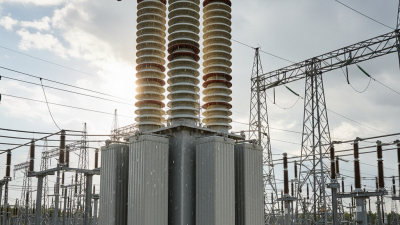
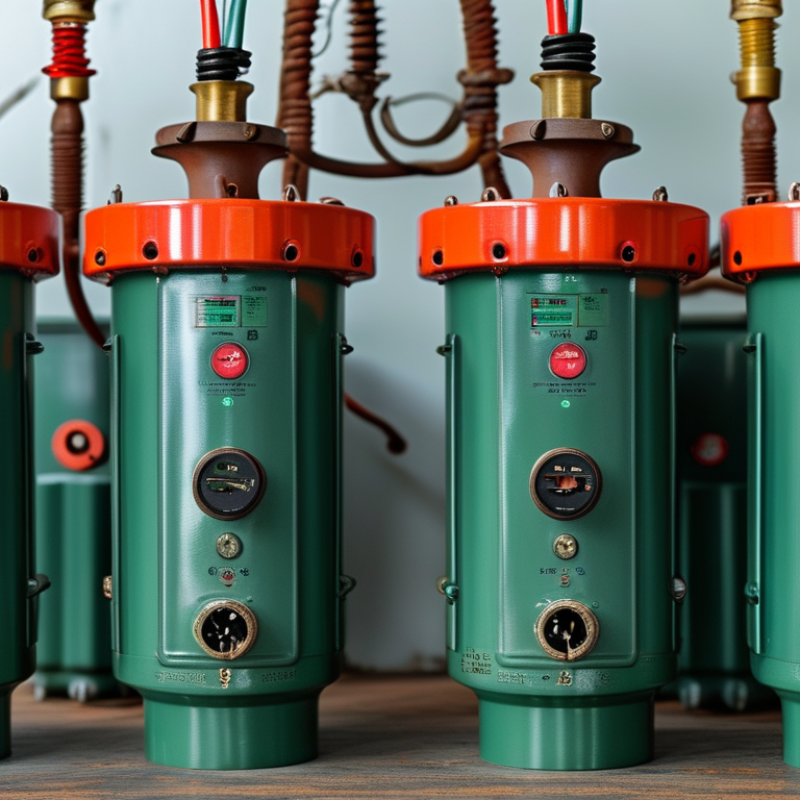
High voltage current transformers (HVCTs) play a critical role in electrical systems. They help monitor and control electrical currents in high voltage applications. Understanding their structure and operations is crucial for effective selection.
HVCTs are designed to provide accurate current measurement and protection. They use electromagnetic induction to produce a secondary current that is proportional to the primary current. This characteristic allows them to function efficiently in substations and industrial applications. Selecting the right HVCT involves assessing factors like current ratings, insulation levels, and temperature tolerances.
When considering an HVCT, reflect on your specific needs. Are you focusing on accuracy or response time? What is the environment it will operate in? Identifying these aspects helps narrow down choices. It's important to avoid common pitfalls, like overlooking installation requirements or maintenance protocols. A thoughtful evaluation can lead to a better long-term investment in your electrical infrastructure.
High Voltage Current Transformers Selection Analysis
Key Factors to Consider When Selecting a High Voltage Current Transformer
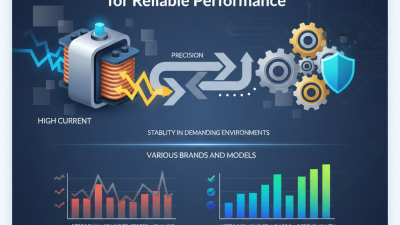
Choosing the right high voltage current transformer involves understanding essential factors that influence performance. Technical specifications such as voltage rating, current accuracy, and frequency range are paramount. According to industry reports, precision in measurement can vary widely. Some transformers achieve accuracy levels of up to 0.1%, while others may only reach 1.0%.
The installation environment matters significantly. High humidity or extreme temperatures can compromise reliability. For instance, transformers exposed to moisture may require additional insulation. Such conditions can lead to performance degradation over time. Consulting environmental ratings is crucial in making an informed selection.
Cost considerations are also critical. While a lower upfront cost might seem appealing, the long-term reliability and efficiency can reduce operational expenses. A durable transformer often yields better performance over its lifespan. Reports suggest that investing in quality equipment can save between 20-30% on maintenance costs. Consider these factors carefully to ensure a suitable match for your specific needs.
How to Choose the Right High Voltage Current Transformer for Your Needs? - Key Factors to Consider When Selecting a High Voltage Current Transformer
| Parameter |
Description |
Importance Level |
Typical Value Range |
| Voltage Rating (kV) |
The maximum voltage the transformer can handle. |
High |
10 to 400 kV |
| Current Ratio |
The ratio of primary current to secondary current. |
High |
100:1 to 5000:1 |
| Accuracy Class |
Indicates the precision of the current transformer. |
Medium |
0.1 to 1.0 |
| Burden (VA) |
The maximum load that can be connected to the transformer. |
Medium |
1 to 100 VA |
| Temperature Rating (°C) |
The operating temperature range of the transformer. |
Medium |
-20 to 60 °C |
| Insulation Class |
Quality of insulation material used; affects durability. |
High |
A to F |
| Physical Size |
Space available for installation; affects integration. |
Low |
Varies by model |
Types of High Voltage Current Transformers: Which One is Right for You?
When selecting a high voltage current transformer (HVCT), understanding the types available is essential. There are several categories: inductive, capacitive, and optical transformers. Each type has unique advantages and disadvantages, making them suitable for different applications.
Inductive transformers are widely used due to their reliability. They measure high voltage current effectively. However, they can be bulkier and more expensive. Capacitive transformers are lighter and less expensive but may not provide the same accuracy in high voltage environments. Optical transformers offer high precision and safety but require special installation conditions.
**Tip:** Assess your application needs before choosing. Consider the voltage levels, room for installation, and budget constraints. Look into data from industry reports like IEC’s standards, which highlight that improper selection can lead to inefficiencies.
Another critical aspect is the transformer's rating. Many experts recommend choosing a transformer rated 20% higher than your maximum expected load. This provides a margin for errors and ensures durability. **Tip:** Regular maintenance checks are vital for enhancing the lifespan and accuracy of your HVCT. Always stay informed about the latest technological advancements in current transformers for optimal performance.
Evaluating Specifications: Voltage Rating, Burden, and Accuracy Requirements
Choosing the right high voltage current transformer (HVCT) involves assessing critical specifications. Two major specifications are voltage rating and burden.
Voltage rating refers to the maximum voltage the transformer can handle safely. A careful evaluation ensures it aligns with your system parameters.
Insufficient ratings may lead to failures, causing downtime and safety hazards.
Burden is the load connected to the secondary side of the transformer. Industry reports indicate that inadequate burden can cause measurement inaccuracies.
For instance, an optimal burden often ranges between 1 and 10 VA for most applications. Maintaining proper burden enhances precision, ensuring reliability in electrical measurements.
Accuracy is another vital aspect. Selecting transformers with a stated accuracy class, such as 0.2 or 0.5, ensures better performance.
However, achieving this accuracy can present challenges. Factors like temperature, frequency variations, and installation conditions can affect performance.
Data suggests that environmental conditions may alter readings by up to 5%. Regular calibration and maintenance become essential to sustain accuracy over time.
Installation and Maintenance Tips for Optimal Performance of CTs
Installation and maintenance of current transformers (CTs) are crucial for their optimal performance. Ensure the CT is mounted securely, avoiding any vibration that can lead to inaccuracies. The correct cabling is also essential. Use cables rated for high voltage to prevent insulation failure. According to industry data, improper installation can lead to a decrease in measurement accuracy by up to 30%. This loss can significantly affect operational reliability.
Regular maintenance is another key aspect. Perform visual inspections to check for any signs of wear or overheating. Cleaning the CT terminals can help reduce surface resistance and maintain efficiency. Industry statistics indicate that about 15% of CT failures result from a lack of routine maintenance. Monitoring the operational environment is vital. Excessive moisture or dust accumulation can impact functionality and safety.
Lastly, ensure that you calibrate the CT periodically. This not only maintains measurement integrity but also extends the lifespan of the transformer. Neglecting calibration can introduce errors in readings. Reports suggest that regular calibration can improve accuracy by as much as 20%. Keeping a maintenance log aids in tracking performance over time and identifying recurring issues.

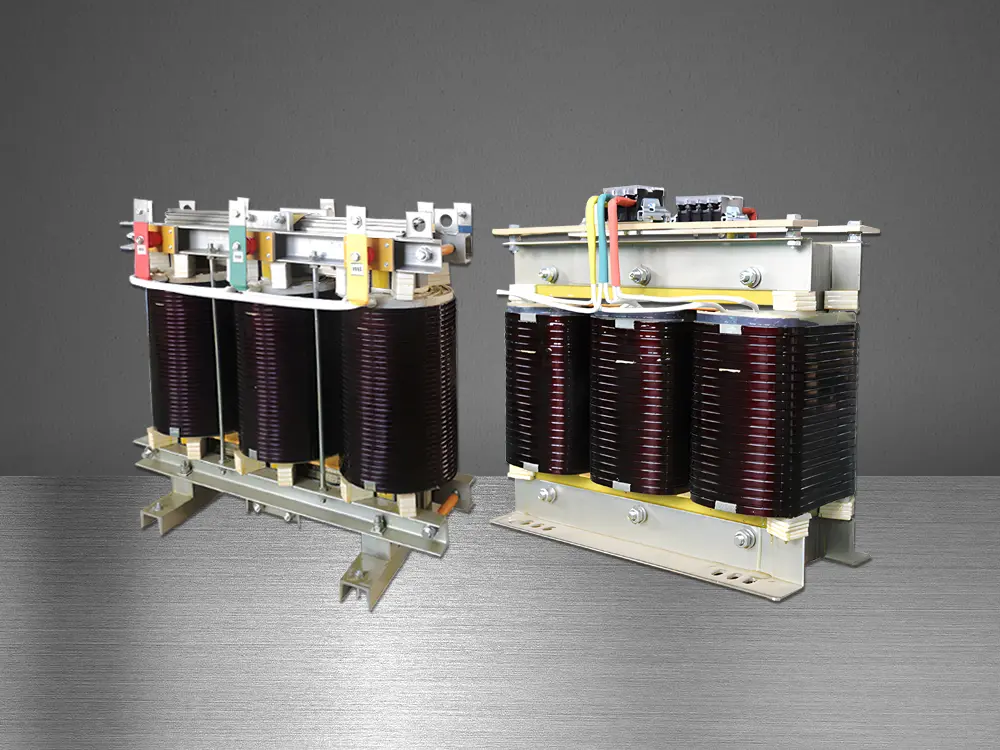 Three-Phase Isolation Transformer
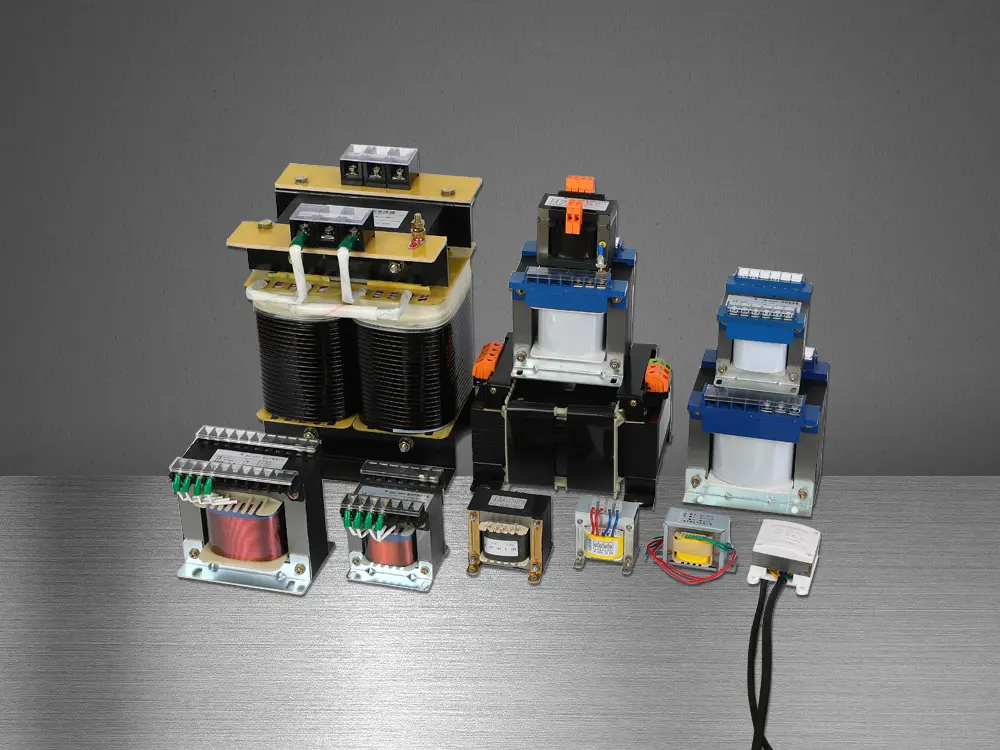 Control Transformer
 Medical IT Isolated Power System
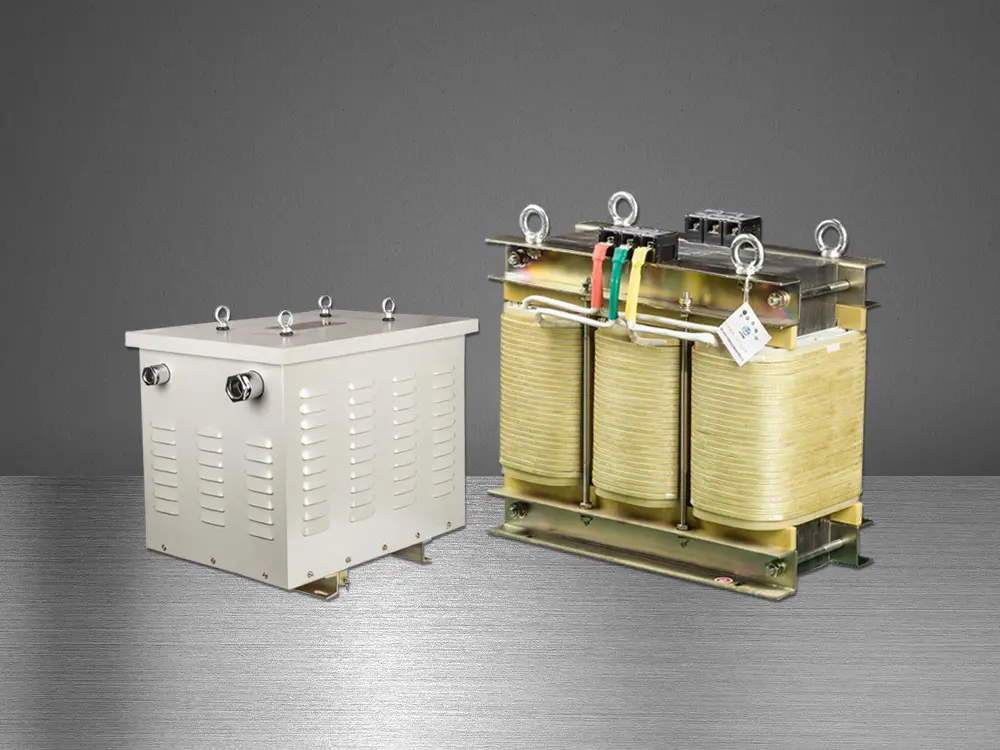 Marine Transformer
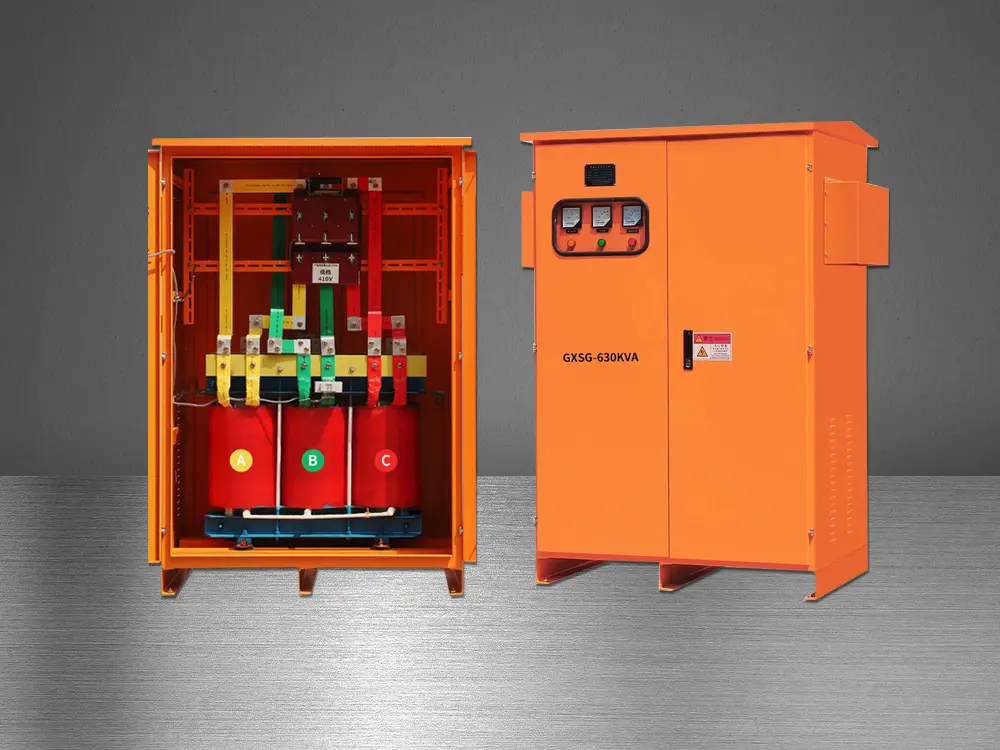 Tunnel Transformer
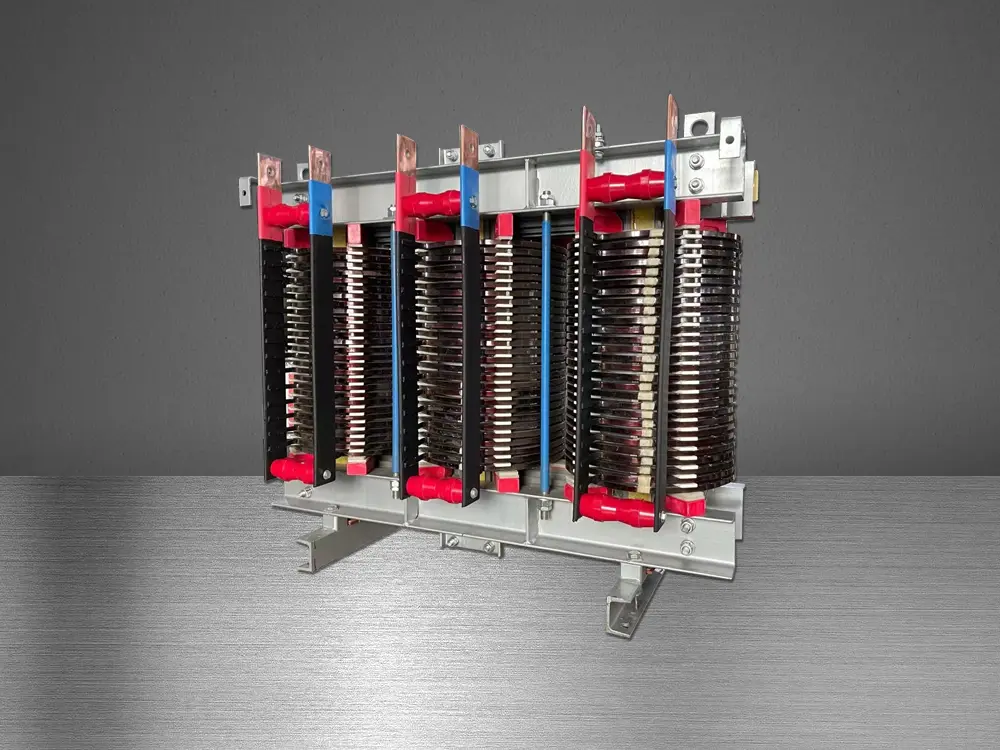 High Current Transformer
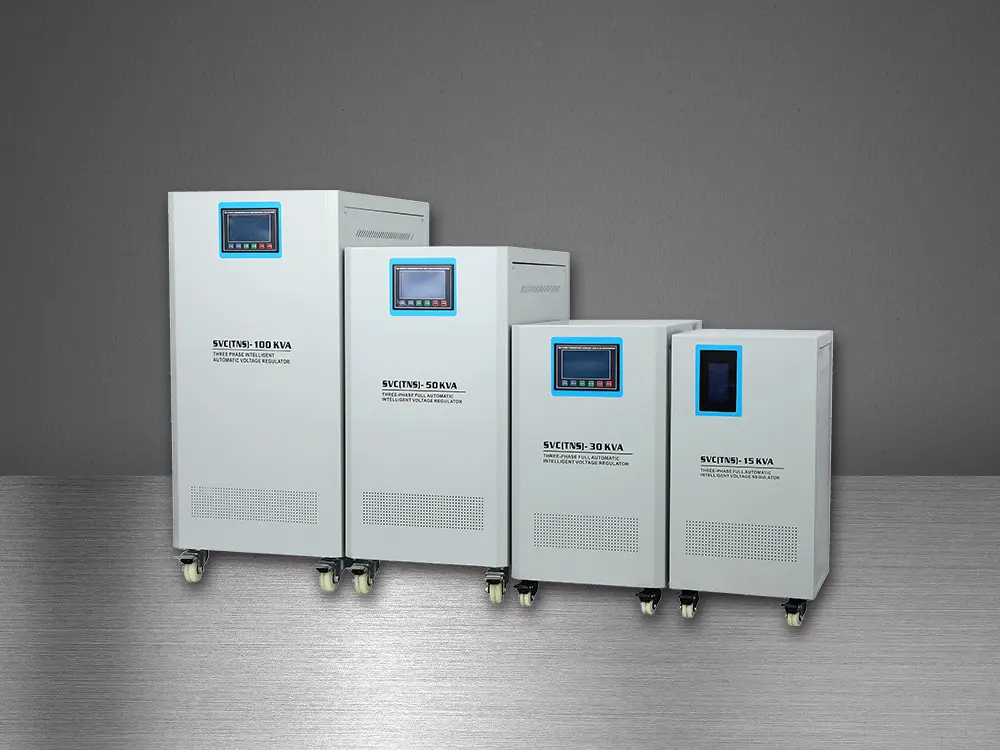 Automatic Voltage Regulator
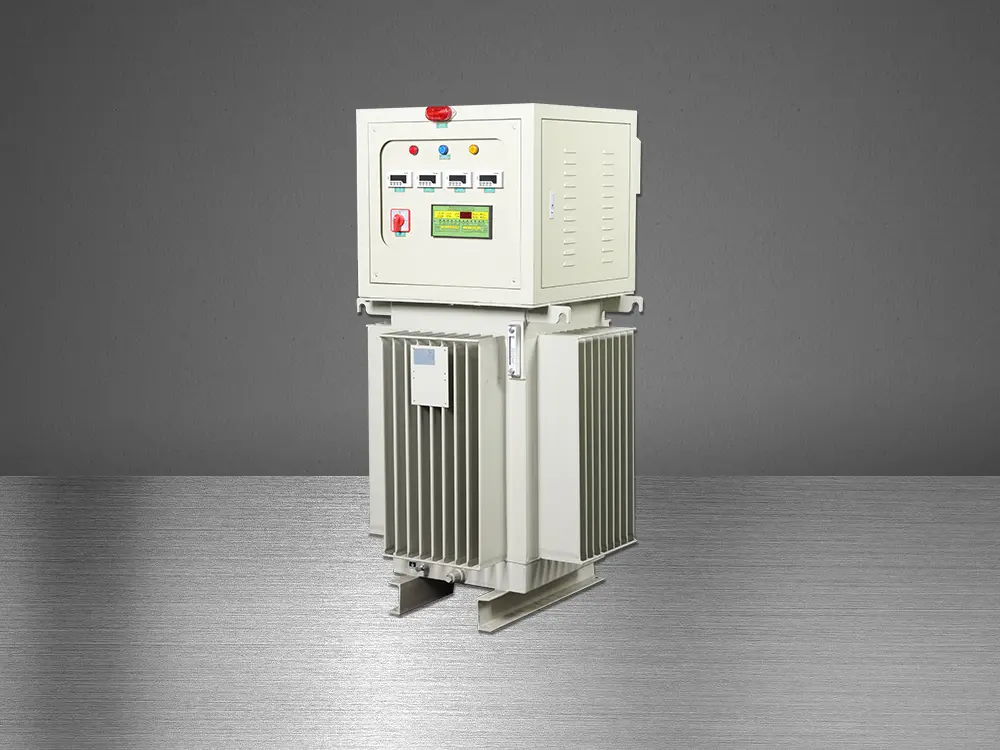 Oil Immersed Voltage Regulator