Essential Tips for Choosing a Deep Sea Voltage Regulator?
Choosing the right Deep Sea Voltage Regulator is crucial for optimal performance in marine applications. These regulators control voltage levels, ensuring the safety and efficiency of electrical systems on boats and ships. When selecting a regulator, consider several key factors that can impact your decision.
Experience plays a vital role here. Professionals often suggest focusing on the regulator's compatibility with your existing system. A mismatched unit can lead to inefficiencies, ultimately causing operational issues. Quality matters too; opt for well-known brands with proven reliability. Look for certifications that confirm their performance standards.
While many choices exist, understanding your specific needs is essential. Different vessels require different voltage levels. Reflect on your power demands and peak usage scenarios. This approach will lead you to a more informed decision. Remember, a tailored choice will enhance your system's longevity and efficiency.
Understanding Deep Sea Voltage Regulators and Their Importance
Deep sea voltage regulators play a crucial role in ensuring the stability of electrical systems used in marine environments. These devices maintain a consistent voltage level, which is vital for the reliable operation of equipment on ships and submarines. Fluctuations in voltage can lead to equipment failures, making these regulators essential for safe operations.
When choosing a deep sea voltage regulator, consider the application. Different marine environments require different specifications. It's important to assess your needs carefully. Look for features like thermal protection and overload capacity. These elements enhance durability and reliability.
Another tip is to consult professionals with experience in marine electrical systems. Their insights can guide your decision-making process. You might discover additional considerations you hadn't thought of, such as space constraints or integration with existing systems. Remember, there's often a balance between cost and quality. Sometimes, cheaper options may not perform adequately in the long term. Reflect on your priorities and needs thoroughly before making a choice.
Essential Tips for Choosing a Deep Sea Voltage Regulator
| Feature |
Description |
Importance |
| Input Voltage Range |
The range of input voltage the regulator can accept. |
Ensures compatibility with various generator outputs. |
| Voltage Regulation Accuracy |
The precision of the output voltage compared to the setpoint. |
Critical for protecting sensitive equipment from voltage fluctuations. |
| Power Rating |
The maximum load the voltage regulator can handle. |
Ensures the regulator can support the total load without overheating. |
| Response Time |
Time taken for the regulator to adjust to voltage changes. |
Affects system stability and performance during load changes. |
| Thermal Management |
Cooling features that manage heat generated during operation. |
Prevents overheating and prolongs the life of the regulator. |
| Protection Features |
Built-in safeguards like overload and short circuit protection. |
Ensures user and equipment safety in case of faults. |
| User Interface |
Software or display for monitoring and configuring settings. |
Enhances user experience and simplifies setup and operation. |
Key Features to Look for in a Deep Sea Voltage Regulator
When selecting a deep sea voltage regulator, understanding key features is crucial. These devices stabilize voltage levels in marine environments. They protect sensitive equipment from fluctuations, ensuring operational reliability. Key features include response time, efficiency, and load handling capacity. According to industry reports, a regulator with a response time of less than 5 milliseconds maintains system integrity.
Look for models that offer robust protection features. Short-circuit protection, over-voltage, and over-temperature safeguards are essential. A reliable voltage regulator can prevent costly equipment damage. Data indicates that systems with built-in monitoring capabilities can enhance operational decision-making. High-quality devices can minimize downtime by providing real-time performance data.
Tips for selecting a regulator include considering environmental stress. Saltwater exposure can corrode unprotected components. Be cautious of manufacturers that do not provide detailed technical specifications. Always compare multiple options to make an informed decision. Remember that high efficiency ratings lead to lower operational costs over time. Investing in quality now can reduce long-term maintenance.
Evaluating the Compatibility with Your Electrical System
When selecting a deep sea voltage regulator, assessing compatibility with your existing electrical system is crucial. Each vessel has specific power requirements based on its equipment. Understanding these needs ensures optimal performance and reliability.
Start by identifying the voltage range needed for your setup. Incompatible voltage can lead to equipment malfunction. It's also essential to consider the total load capacity. Overloading the regulator can cause overheating or failure. Take time to consult with a marine electrician if necessary.
Don’t overlook the connection type. Ensure that the regulator matches your electrical connections. Poor connections can lead to corrosion or voltage drops. Aim for durable materials that can withstand harsh marine environments. Always remember that a little extra research can save time and costs in the long run. Regular checks on your equipment can also prevent unexpected issues.
Installation and Maintenance Tips for Voltage Regulators
When installing a deep sea voltage regulator, it's vital to ensure proper connections are made. Start with the power supply terminals. Use appropriate gauges for all wiring. Loose connections can cause erratic performance. Installing a regulator in a dry and ventilated area reduces overheating risks.
Regular maintenance is crucial for optimal performance. Check connections monthly to prevent corrosion. Clean the regulator’s surfaces to ensure efficient cooling. Inspect for any signs of wear or damage. In some cases, you may notice minor anomalies that require attention. These discrepancies could lead to larger issues if overlooked.
Be vigilant about monitoring input voltage levels. Unstable power can strain the regulator. It’s essential to adjust settings if voltage fluctuations occur. Regularly revisiting your setup promotes reliability. While some may feel confident in their installations, reflection is vital. A second look at cables and connections can prevent future headaches.
Deep Sea Voltage Regulator Performance Comparison
Common Mistakes to Avoid When Choosing a Voltage Regulator
When selecting a deep sea voltage regulator, many users overlook essential factors. One common mistake is neglecting the voltage range compatibility. Reports indicate that improper voltage levels can cause equipment malfunction. Ensure the regulator matches the specifications of your equipment. An ideal range allows flexibility while ensuring safety.
Another frequent error is dismissing load demands. It’s crucial to assess the peak and average loads for your systems. Failing to consider load variations can lead to regulator overloading. Industry studies show that up to 30% of voltage regulators fail due to inadequate load management. Understanding your load requirements will improve reliability.
Installation practices can also impact performance. Some users underestimate the importance of proper grounding and wiring. Lack of proper installation often results in voltage fluctuations. According to surveys, improper installation is a leading cause of regulator failure. Taking time to ensure correct setup can lead to long-term operational stability. Choosing a dependable regulator requires careful consideration and awareness of these potential pitfalls.

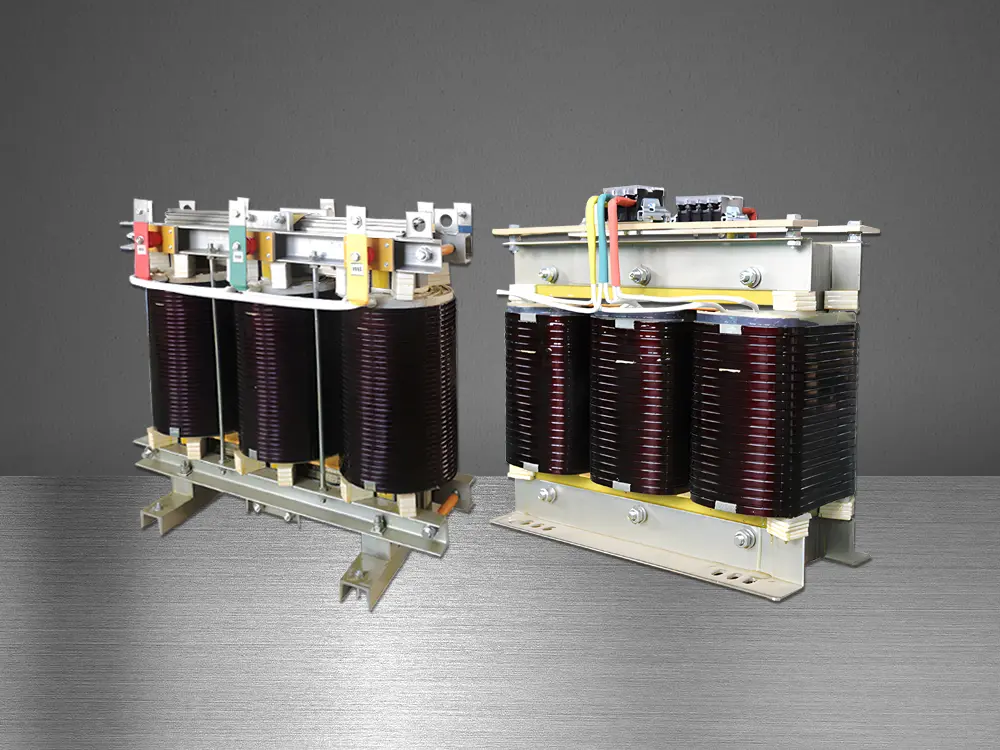 Three-Phase Isolation Transformer
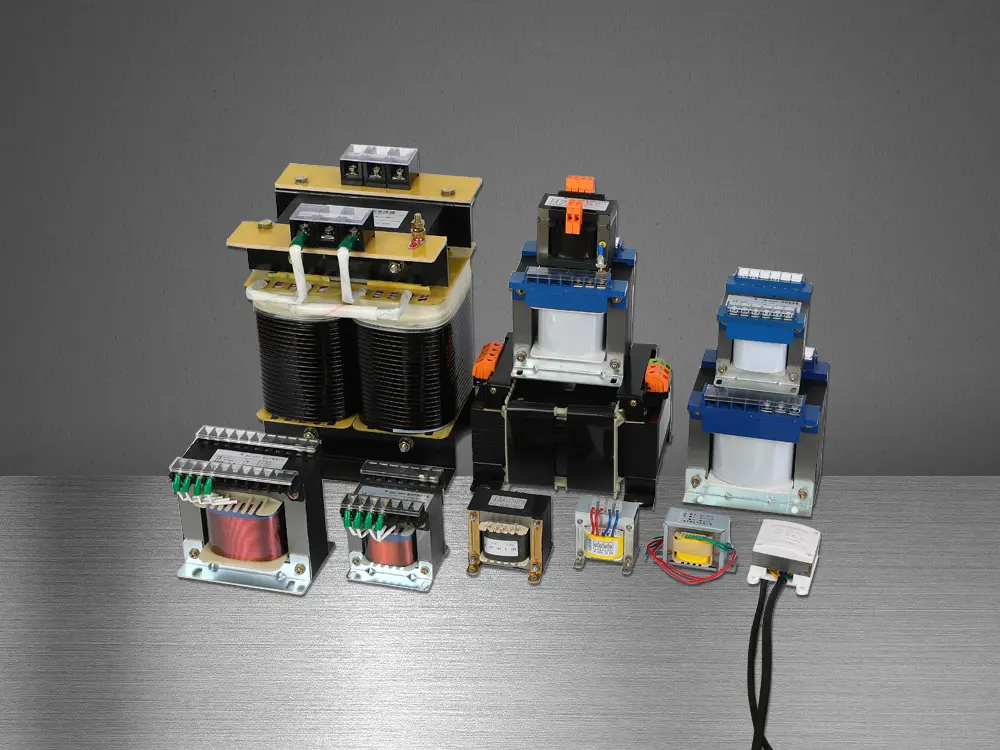 Control Transformer
 Medical IT Isolated Power System
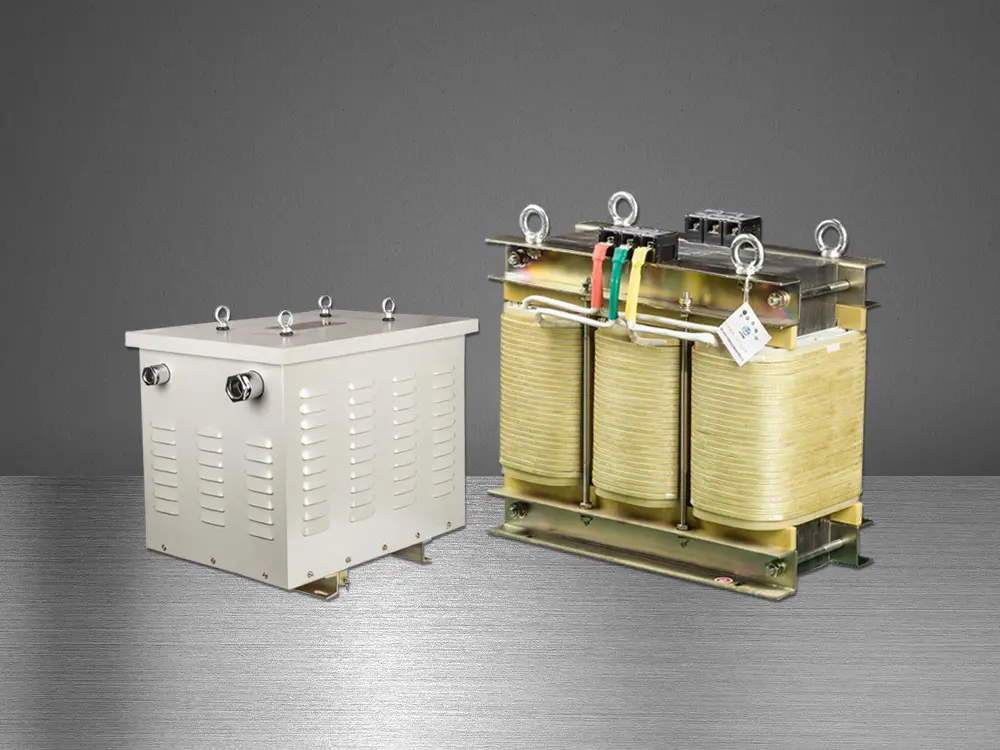 Marine Transformer
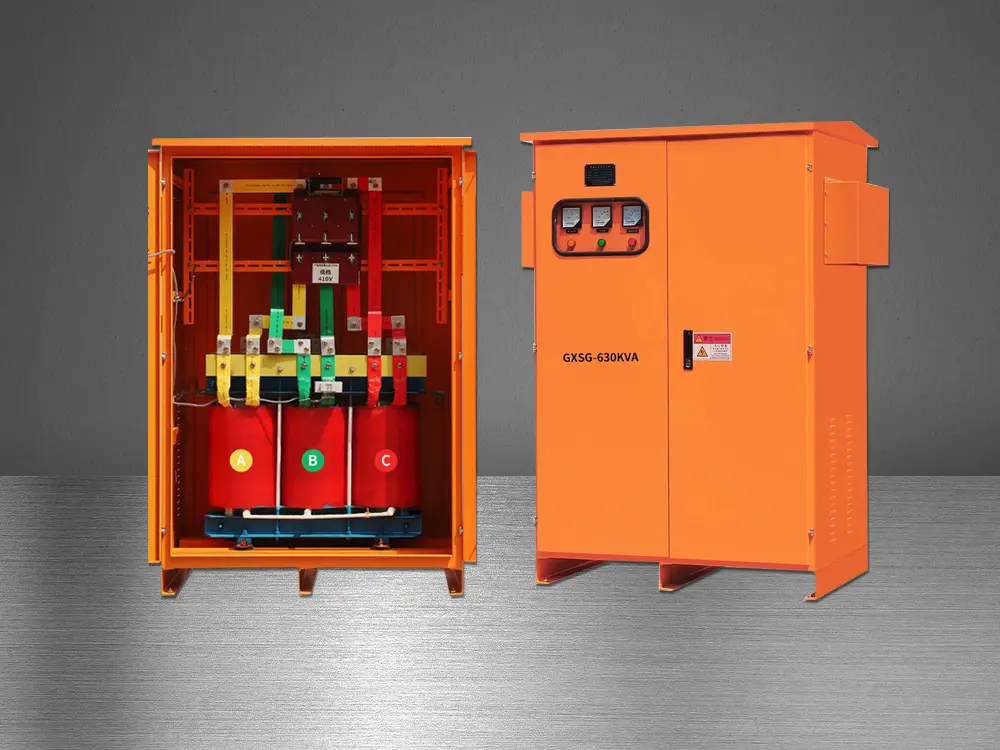 Tunnel Transformer
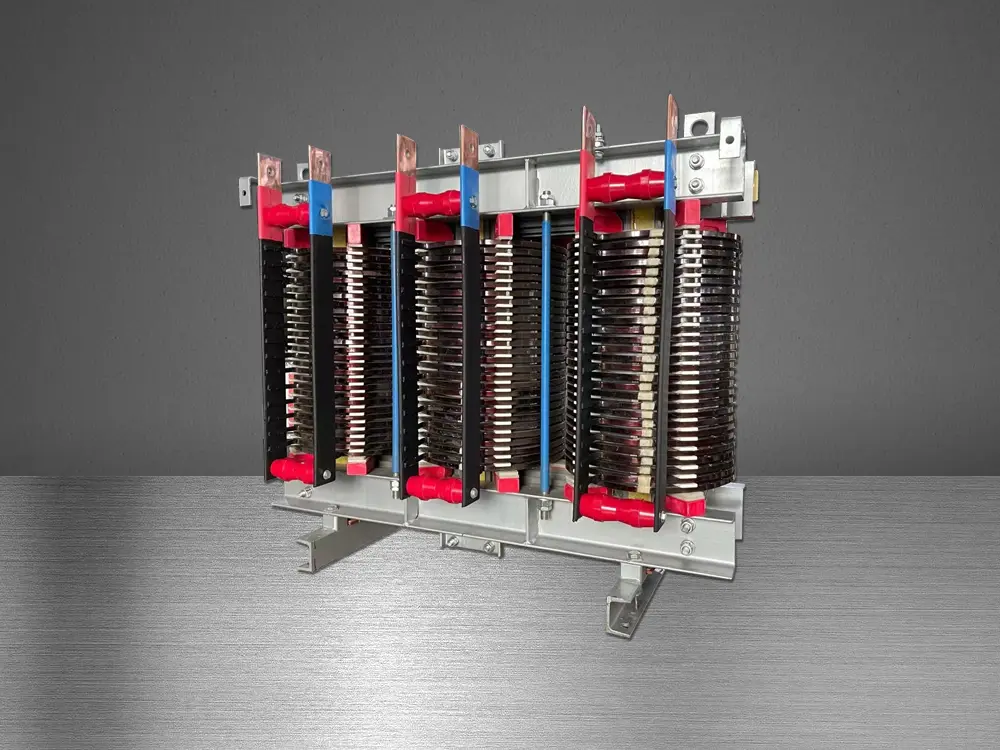 High Current Transformer
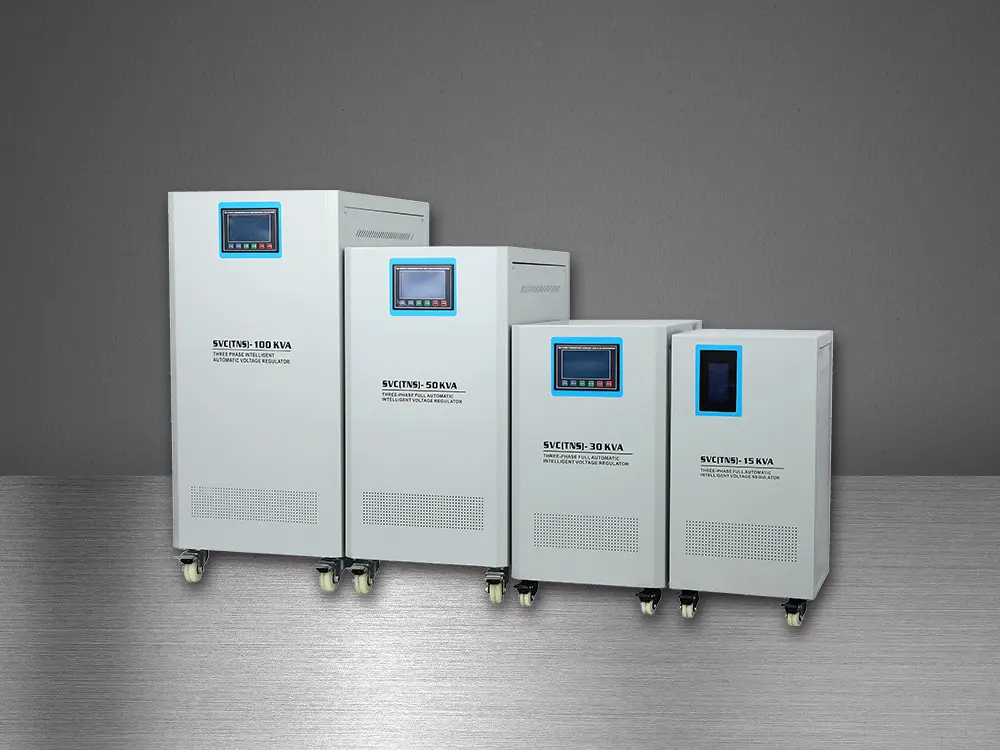 Automatic Voltage Regulator
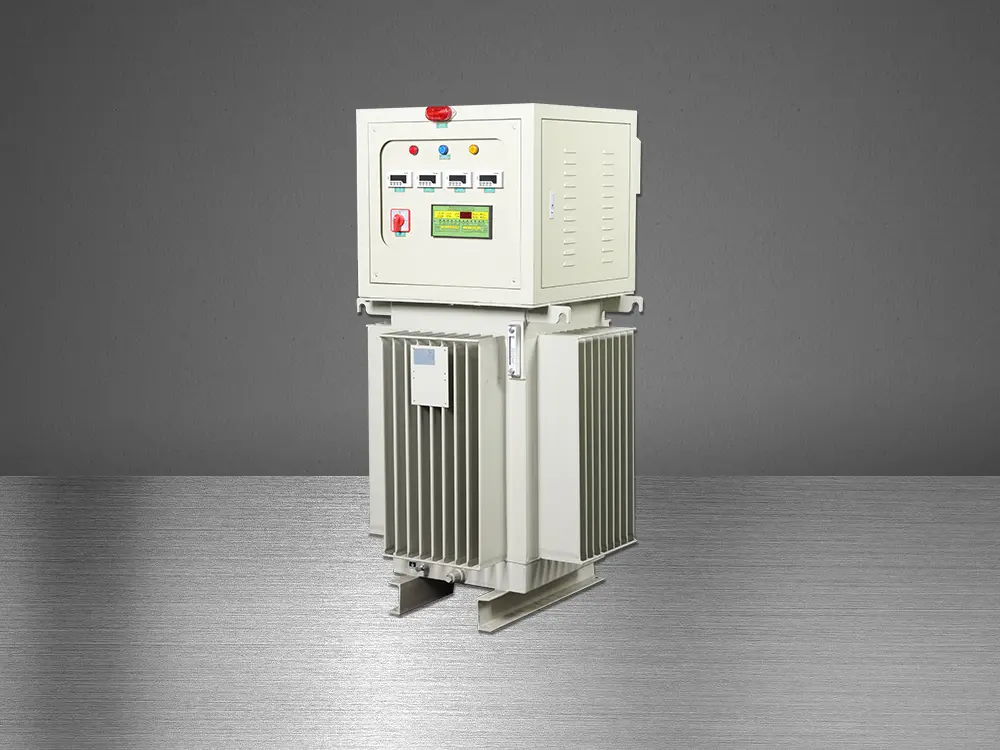 Oil Immersed Voltage Regulator