Leave Your Message

How to Choose a Marine Isolation Transformer?

Choosing a Marine Isolation Transformer is not simply a matter of matching voltage and wattage. The decision affects onboard safety, corrosion control, shore-power compatibility, and equipment reliability. A transformer should fit the vessel’s electrical architecture, not merely fill a specification sheet.

The IMO Fourth Greenhouse Gas Study 2020 reported that international shipping produced approximately 2.89% of global anthropogenic carbon emissions in 2018. DNV’s Maritime Forecast to 2050 also highlights rising electrical complexity as vessels adopt hybrid systems, shore power, and alternative energy technologies. These changes make isolation, insulation monitoring, heat management, and harmonic performance increasingly important. Small details matter. A hot enclosure in a damp engine room is not a minor inconvenience.

Marine electrical specialist Nigel Calder writes in The Boatowner’s Mechanical and Electrical Manual, “Corrosion is the enemy of every boat electrical system.” His warning captures the practical purpose of isolation: separating shore-side electrical faults from the vessel’s internal system while reducing galvanic-current pathways. However, a transformer cannot compensate for poor bonding, undersized cables, inadequate ventilation, or incorrect protection settings.

A reliable selection process should examine primary and secondary voltage, continuous and starting loads, frequency, rated capacity, enclosure protection, marine certification, noise, and cooling requirements. IEC 60092 series requirements and the vessel’s classification society rules should guide final verification. Manufacturer test data should support every major claim.

There is no universal “best” model. The ideal choice depends on the vessel’s age, operating profile, shore supply, and future electrical upgrades. That is where many otherwise careful specifications become incomplete. Consult a qualified marine electrical engineer before installation. Safety comes first.
How to Choose a Marine Isolation Transformer?

Understanding the Purpose and Benefits of a Marine Isolation Transformer

How to Choose a Marine Isolation Transformer?

Understanding the Purpose and Benefits of a Marine Isolation Transformer

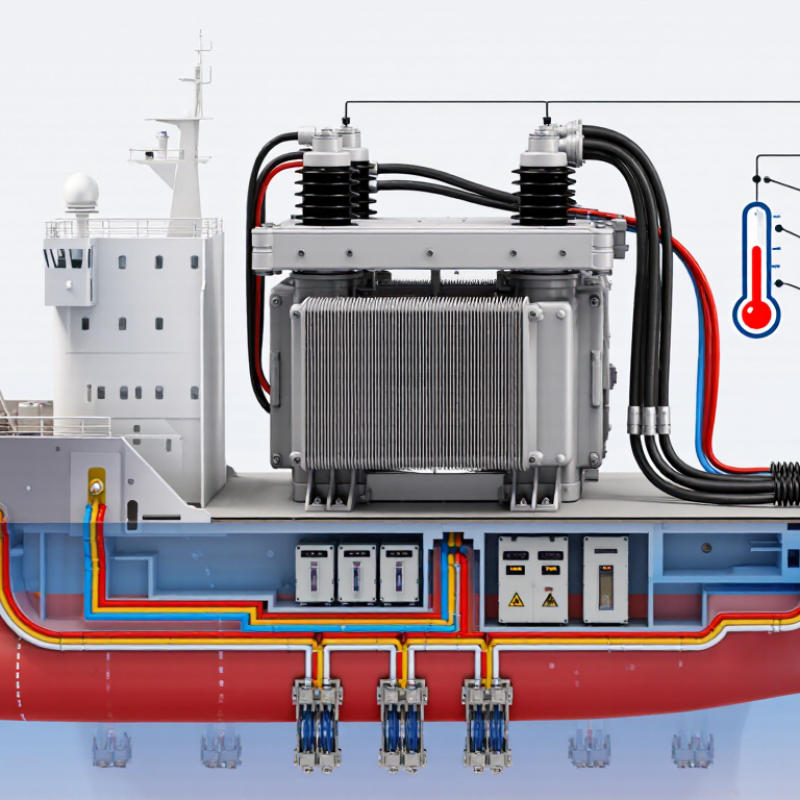
At a marina, shore power enters through a cable exposed to salt, moisture, and inconsistent grounding. A marine isolation transformer separates the shore-side conductors from the vessel’s electrical system through magnetic coupling. No direct metallic connection exists between them. This separation helps limit galvanic corrosion caused by stray direct current between underwater metals and neighboring boats. It can also reduce nuisance trips and some electrical noise.

The transformer does not make a damaged installation safe. That point is easy to miss. Proper bonding, overcurrent protection, insulation testing, and residual-current protection still matter. In practical dockside inspections, loose terminals often create more heat than expected. A correctly sized transformer supports dependable power for chargers, pumps, refrigeration, and navigation equipment. Look for the required input and output voltage, frequency, continuous kVA rating, ventilation needs, and protection against moisture and overheating. The enclosure should suit the vessel’s environment.

Sizing deserves careful attention. Add the continuous loads, consider motor starting current, and leave reasonable capacity for future equipment. Oversizing can increase weight, cost, and idle losses. Undersizing may cause voltage drop or thermal shutdown. I once underestimated a watermaker’s startup demand; the calculated load looked acceptable, but the transformer ran hot. That experience changed my selection method. I now check real startup behavior, not only nameplate watts. Installation should follow the vessel’s wiring diagram and applicable marine standards, with verification by a qualified marine electrician.
Assessing Vessel Power Requirements and Electrical System Compatibility

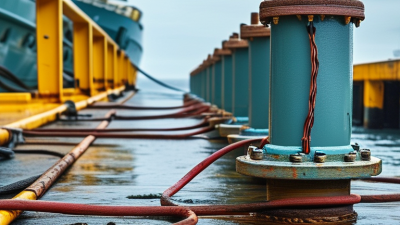
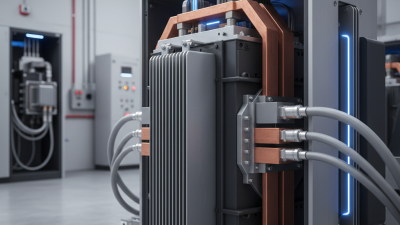
Choosing a marine isolation transformer starts with the vessel’s actual electrical profile, not a catalog rating. Record shore voltage, frequency, phase arrangement, and maximum continuous load. Then check pumps, compressors, battery chargers, and galley equipment for startup currents. They can briefly exceed normal demand. A transformer sized only for average consumption may overheat or trip during harbor operations. Leave practical capacity.

Compare the shore supply with the vessel’s distribution system before selecting primary and secondary ratings. The output voltage must suit the main switchboard, branch circuits, and sensitive electronics. Frequency matters too. A 50 hertz supply cannot automatically serve every 60 hertz load safely. Confirm insulation class, cooling method, enclosure protection, and duty rating for a damp, salt-laden engine room. Cable sizes, breaker coordination, and available fault current also affect compatibility.

Isolation can reduce galvanic current, but it does not replace correct bonding, grounding, or leakage protection. Qualified marine electricians should verify the installation against recognized marine standards and local requirements. During dockside testing, measure voltage under load and inspect terminal heating after sustained operation. Small temperature rises matter. A load study may still miss an unusual crane cycle or a future navigation upgrade. That uncertainty deserves a documented margin and a second review.

Selecting the Correct Transformer Type, Capacity, and Voltage Configuration

How to Choose a Marine Isolation Transformer?

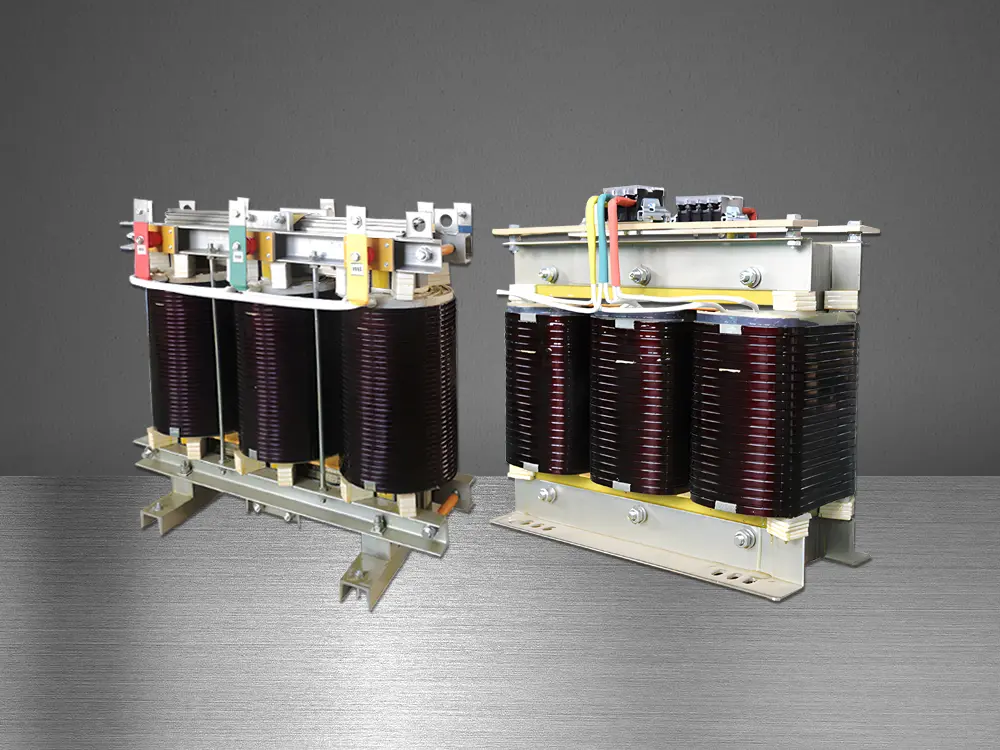
Selecting the correct transformer begins with the vessel’s electrical environment. A dry-type, encapsulated transformer is commonly preferred because it tolerates vibration and avoids liquid leakage concerns. Look for marine-rated insulation, corrosion-resistant enclosures, and ventilation suited to the installation space. A shield between windings can reduce electrical noise and improve separation from shore power. The transformer must also match the vessel’s grounding arrangement. A small mistake here can affect sensitive navigation and communication equipment.

Capacity should reflect real operating conditions, not only the nameplate total. In practice, the load list is often incomplete. Add continuous loads such as battery chargers, refrigeration, pumps, and air-conditioning units. Then consider motor starting current, which may briefly exceed normal demand. A practical design often includes 20 to 30 percent spare capacity, although the final margin depends on the equipment and duty cycle. Undersizing causes overheating; excessive oversizing may increase cost and reduce efficiency at light loads.

Voltage configuration requires careful checking at the dock and onboard panel. Confirm the shore input voltage, vessel output voltage, frequency, phase arrangement, and available amperage. Common examples include 120/240-volt split-phase and 230-volt single-phase systems. Input and output connections must suit the vessel’s neutral and grounding scheme. Do not assume two similar-looking sockets use the same configuration. Measure and document them. A qualified marine electrician should verify protection, cable sizing, isolation, and installation clearances before energizing the transformer.

Checking Marine Safety Standards, Protection Features, and Installation Conditions

Choosing a marine isolation transformer starts with the vessel’s safety standard, not its wattage. Check whether the installation follows IEC 60092-504, ABYC E-11, or the classification rules required by the vessel’s flag and insurer. These references address insulation, earthing, clearances, and protection against electric shock. The correct choice depends on the whole system.

Inspect the transformer’s protection features closely. Thermal overload protection, short-circuit protection, galvanic isolation, and an enclosure suitable for salt air are essential. A marine unit should also tolerate vibration, condensation, and limited ventilation. The International Maritime Organization reported that fire remains a serious maritime safety concern, while Allianz Commercial recorded 26 total vessel losses in 2023. Those figures do not prove transformer failure caused the incidents, but they show why small electrical weaknesses deserve attention.

Installation conditions often decide real performance. Measure the available space, cable route, ambient temperature, and distance from fuel systems before ordering. Keep ventilation openings clear. Verify bonding and grounding with a qualified marine electrician, then test insulation resistance and leakage current after installation. Documentation matters; keep test results beside the maintenance log. A practical mistake is assuming a dry engine-room shelf is always safe. Condensation can appear overnight. Recheck it. Clearance calculations may also change after cable glands and covers are fitted. That detail is easy to miss.

How to Choose a Marine Isolation Transformer?

The chart compares commonly used enclosure protection levels under IEC 60529. The first digit indicates protection against solid objects and dust, while the second digit indicates protection against water. A higher code does not replace verification of the vessel's applicable IEC 60092 requirements, flag-state rules, or classification-society requirements.

During selection, also verify the transformer rating, primary and secondary voltage, frequency, insulation system, grounding and bonding arrangement, ventilation, cable-gland compatibility, mounting location, corrosion resistance, service access, and required clearances. IP protection must match the actual installation environment, including spray, washdown, condensation, salt exposure, and engine-room conditions.

Comparing Efficiency, Maintenance Needs, and Long-Term Operating Costs

Choosing a marine isolation transformer requires more than comparing nameplate efficiency. Load profile matters. A transformer running at 35% load may waste energy through fixed core losses for most of its service life. The U.S. Department of Energy’s 2024 distribution transformer analysis projects 3.6 quadrillion Btu of energy savings over 30 years from improved efficiency standards. Marine units face different conditions, but the figure shows how small losses become significant onboard.

Ask suppliers for no-load and load-loss data at your actual voltage and frequency. Then model annual operating hours, shore-power tariffs, cooling demand, and expected replacement costs. A 1% efficiency difference can matter on a continuously powered vessel. It may matter less on a seasonal yacht. Do the math carefully. Efficiency claims without test conditions are weak evidence.

Maintenance also changes long-term cost. Salt air, vibration, heat, and cramped enclosures can accelerate insulation aging and corrosion. Field teams should schedule thermal scans, insulation-resistance tests, terminal torque checks, and enclosure inspections. IEC 60076 provides a useful testing framework, while classification guidance from DNV stresses dependable protection and electrical condition monitoring. Dry-type designs may reduce leak concerns, yet they are not maintenance-free. I have seen neglected ventilation turn a modest efficiency advantage into higher winding temperatures and shorter service life. A cheaper purchase can become expensive after repeated port repairs. Allow for access, spare parts, downtime, and technician skill—not only the transformer’s price.

How to Choose a Marine Isolation Transformer? - Comparing Efficiency, Maintenance Needs, and Long-Term Operating Costs
Transformer Configuration Typical Efficiency at 75% Load Typical Losses for a 7.5 kVA Unit Maintenance Requirements Expected Service Life Typical 10-Year Energy Cost* Best-Fit Application Main Selection Consideration
Standard ventilated dry-type isolation transformer 95%–97% No-load loss: approximately 40–90 W
Load loss at rated load: approximately 180–320 W
Annual visual inspection, terminal torque check, ventilation-path cleaning, and insulation-resistance testing at scheduled intervals. Approximately 20–30 years when properly sized and ventilated. Approximately US$1,500–US$2,600 General shore-power isolation on recreational and commercial vessels.
Low-loss, high-efficiency dry-type isolation transformer 97.5%–98.5% No-load loss: approximately 25–55 W
Load loss at rated load: approximately 120–220 W
Similar inspection schedule to a standard dry-type unit; lower operating temperature can reduce thermal stress. Approximately 25–35 years, depending on thermal loading and the vessel environment. Approximately US$900–US$1,600 Vessels with long shore-power connection times, high annual electrical consumption, or limited cooling capacity.
Resin-encapsulated dry-type isolation transformer 96.5%–98.0% No-load loss: approximately 35–75 W
Load loss at rated load: approximately 150–260 W
No liquid sampling or oil replacement. Inspect enclosure, cable terminations, mounting hardware, and resin surface for damage or contamination. Approximately 25–35 years when protected from excessive vibration and overheating. Approximately US$1,100–US$2,000 Engine rooms, machinery spaces, and installations where moisture resistance and reduced fire risk are important. More resistant to moisture and contamination than open ventilated designs, but usually heavier and more expensive to purchase.
Oversized low-loss transformer operated below 50% average load Often 96%–98% at the actual operating point Lower load losses, but no-load losses continue whenever the unit is energized.
Oversizing can increase idle energy consumption.
Routine inspection remains straightforward, but enclosure space, cable sizing, and mounting loads must be reviewed. Approximately 25–35 years if thermal cycling and vibration are controlled. Approximately US$1,200–US$2,400 Installations with intermittent peak loads that require additional short-duration capacity. Avoid excessive oversizing solely for future expansion; select a rating that keeps normal operation near the efficient load range.
Calculation basis: The 10-year energy-cost figures are illustrative ranges for a 7.5 kVA transformer operating approximately 4,000 hours per year, with electricity priced at US$0.15 per kWh. Actual costs vary with loading profile, ambient temperature, ventilation, supply voltage, electricity tariff, and transformer design. Marine installations should also verify galvanic isolation, electrostatic shielding, corrosion protection, enclosure rating, vibration resistance, short-circuit withstand, and compliance with the applicable marine electrical standards.